
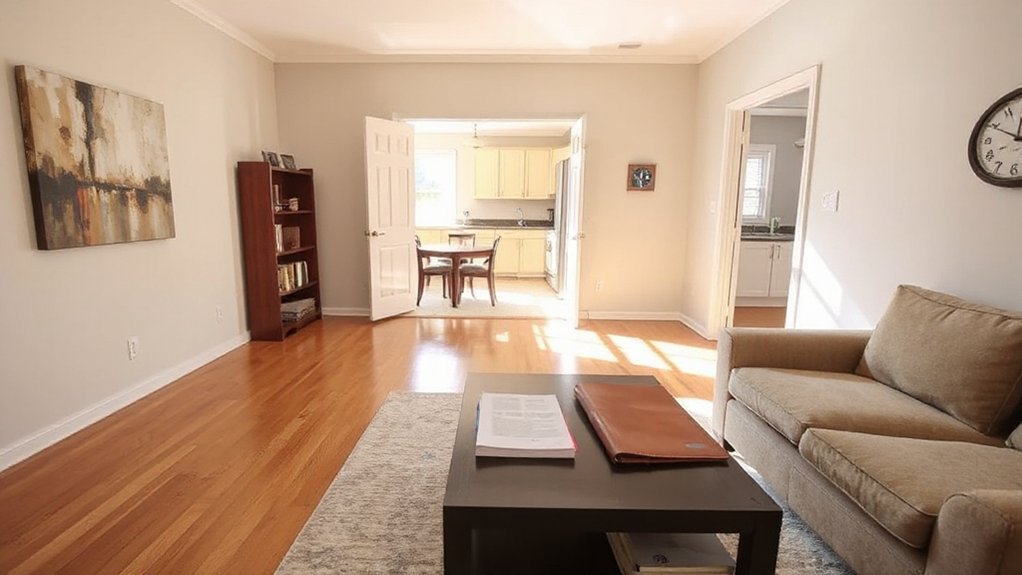
To prep for a mortgage valuation, start with a quick pre-valuation checklist: tidy the exterior, verify paths and gates are clear, and photograph rooms in good light. Tackle damp, leaks, and obvious repairs, and document fixes with receipts. Boost curb appeal with fresh entry touches, clean gutters, and neat landscaping. Stage rooms neutrally, declutter, and highlight upgrades with captions for photos. Have permits, deeds, and invoices ready—lenders want clear evidence you’ve maintained the home. You’ll discover more practical steps ahead.
What a Mortgage Valuation Checks and Why It Matters
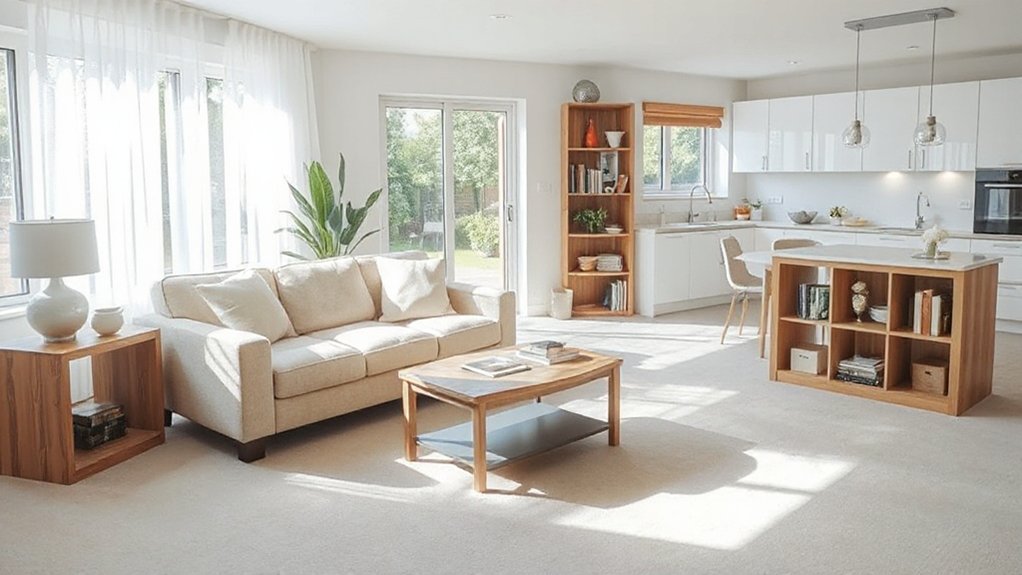
A mortgage valuation is a professional check of a home’s condition and value tied to a loan. You’ll see whether the property meets lender standards and supports the loan size you’re seeking. The valuer notes structural integrity, safety features, and overall market appeal, so you can address issues before closing.
Essential insights include how your home’s upkeep affects value, insurance implications, and resale potential. You should have up-to-date home insurance in place, reflecting replacement costs and liability protection, because the lender wants assurance you can recover from losses.
Interior lighting is evaluated for safety and practicality, ensuring illumination is adequate and energy‑efficient. By understanding these checks, you align improvements with lender expectations and reinforce your sense of belonging in your new home.
Quick Wins to Boost Curb Appeal Fast
Need a quick impact? You can lift curb appeal fast with a few targeted moves. Start at the entrance: a fresh doormat, clean doorstep, and a well-lit path signal care. Repaint a front door in a modern, inviting shade and verify house numbers are bold and visible.
Trim overgrown shrubs, mow evenly, and add a splash of seasonal color with a few potted plants. Focus on the overlooked details: clean gutters, sparkling windows, and a tidy driveway.
For measurable gains, plan a garden transformation that’s low-maintenance but high-impact—think native perennials, mulch edges, and a defined border.
Inside, keep clutter out of sight with smart storage—baskets, hooks, and a single, organized space for outdoor essentials.
Tidy Interior: Declutter and Neutralize to Impress
Declutter to create a clean, open feel that helps buyers focus on space, not personal stuff. Neutralize décor so your home reads as a blank canvas, making it easier for lenders to picture value.
You’ll start by tidying up and toning accents to impress without overdoing it.
Declutter To Impress
You’ll make a strong first impression by removing clutter and creating a calm, neutral backdrop that lets buyers focus on the space, not the mess. Decluttering isn’t about perfection; it’s about clarity. Keep surfaces clear, streamline furnishings, and hide valuables or personal items.
Aim for even lighting and a sense of flow from room to room. Consider garden landscaping cues and how green touches subtly enhance curb appeal without shouting style. Emphasize energy efficiency with visible, low-cost updates: unplug unused electronics, switch to LED lighting, and seal drafts.
A tidy, neutral palette helps buyers imagine their lives here. By decluttering strategically, you convey care, livability, and a motivated, practical approach to homeownership—qualities buyers value and remember.
Neutralize Décor Style
Neutralizing décor style means stripping bold personalities from walls, fabrics, and accessories so the space reads as a blank slate. You’ll create an environment that signals stability and broad appeal, which supports a favorable valuation impression.
Focus on decor harmony and style neutral to keep buyers and lenders confident in your home’s potential.
- Remove standout art and replace with understated pieces that blend with a neutral palette.
- Swop busy patterns for solid textures like linen, cotton, or wool.
- Limit personal photos; opt for generic frames in uniform finishes.
- Tidy surfaces and conceal clutter in closed storage to emphasize space.
Fix Obvious Repairs Lenders Notice
Focus on fixing obvious issues lenders will notice, prioritizing repairs that are visible on inspection. Address what’s obvious first, then gather evidence of each fix to show you’ve corrected it.
Keep notes and receipts ready to document the repairs for the valuation report.
Fix Obvious Issues
If a lender flags obvious issues, address them promptly, because they signal risk that could derail the appraisal. You want to show care and reliability, not excuses, so fix what’s plainly wrong and document the fixes. This signals competence and builds trust with your buyers and lenders alike.
- Prioritize safety and code-compliance fixes first, then cosmetic refinements.
- Repair leaky faucets, damaged drywall, and cracked tiles to present a solid condition.
- Refresh curb appeal with garden landscaping tweaks that don’t overpromise, but boost first impressions.
- Align interior color schemes with a neutral, inviting palette to enhance perceived value.
Prioritize Visible Repairs
Start by tackling the repairs lenders will notice right away. You’ll create a confident first impression by fixing obvious flaws that signal overall care. Patch peeling paint, tighten loose railings, and mend cracked tiles or shutters so nothing distracts from value.
Clear clutter, lightens spaces, and guarantee stairs are safe to navigate. Focus on curb appeal with simple garden landscaping tweaks—trim hedges, prune, weed, and reseed bare patches to convey discipline and upkeep.
Inside, optimize energy efficiency without overhauling systems: replace a faulty thermostat, seal drafts around doors, and fix dripping faucets. A well-presented home lowers perceived risk and speeds valuation.
You’ll feel the payoff in momentum and lender trust as attention to detail reinforces your home’s solid foundation.
Document Repair Evidence
How can you quickly document repairs lenders will notice? You’ll compile clear evidence of fixes and replacements so the appraisal reflects your home’s condition accurately. Present organized, easy-to-follow records that reassure lenders you’ve addressed obvious issues, including safety and efficiency improvements.
- Create a repair log with dates, costs, and warranties for items like roofing, plumbing, or structural fixes.
- Attach before-and-after photos or videos, focusing on visible improvements that impact value and safety.
- Include receipts or contractor notes for home automation upgrades and energy-efficiency enhancements.
- Provide completion certificates or inspector reports confirming work meets code and standard expectations.
This approach signals responsibility, fostering belonging while highlighting practical, tangible upgrades.
Stage Rooms for Valuation: Quick, Impactful Setups

To stage rooms quickly and effectively for a valuation, focus on a few decisive details that create a clean, inviting impression. You’ll master the space by prioritizing purpose, flow, and privacy, so rooms read as usable and cared for.
Begin with Creative staging: choose a neutral palette, declutter surfaces, and restore crisp edges with fresh paint and pro-grade trim. Set furniture to encourage movement, avoid crowding, and guarantee pathways feel natural.
For common rooms, establish a defined seating zone that feels welcoming yet practical. Lighting enhancement matters: open blinds, trim harsh shadows, and layer light with a mix of ambient, task, and accent sources.
Keep textures calm and consistent to convey quality, not showiness, and affirm every focal area supports a confident, lived-in appeal.
Documentation to Have Ready Before the Valuer Comes
Gather all essential documents before the valuer arrives to prevent delays and confusion. By being prepared, you project confidence and cooperation, which helps the valuation go smoothly. Keep evidence of your home’s appeal—like thoughtful Home decor and a well-tended garden design—not as showpieces, but as practical context that supports value.
- Personal IDs and ownership papers
- Recent mortgage statement and financial details
- Property deeds, surveys, and any planning permissions
- Recent invoices for major repairs or enhancements
Having these ready saves time and reduces back-and-forth. Organize them in a dedicated folder for easy sharing. If you’ve recently updated decor or refined the garden design, note dates and costs to bolster credibility.
A calm, orderly presentation reinforces belonging and trust in your home’s ongoing care.
How Improvements Map to Valuation: A Simple Framework
Improvements don’t stand alone; they map directly to how a valuation is formed. You’ll see value emerge when you connect upgrades to market expectations, not just personal taste. Consider how home décor choices reflect scale, finish, and appeal to buyers in your area, and how interior lighting influences perceived space and mood.
A simple framework: categorize improvements by impact, cost, and durability; align each with why buyers pay more. If a renovation enhances functionality or reduces ongoing costs, it’s typically more valuable than cosmetic changes alone. Avoid overinvesting in trends that don’t endure.
Document the logic behind every choice: how it improves livability, efficiency, or appeal. When you present improvements with clear rationale, valuers recognize the practical worth of your improvements.
Make the Outside Look Cared For: External Maintenance That Counts
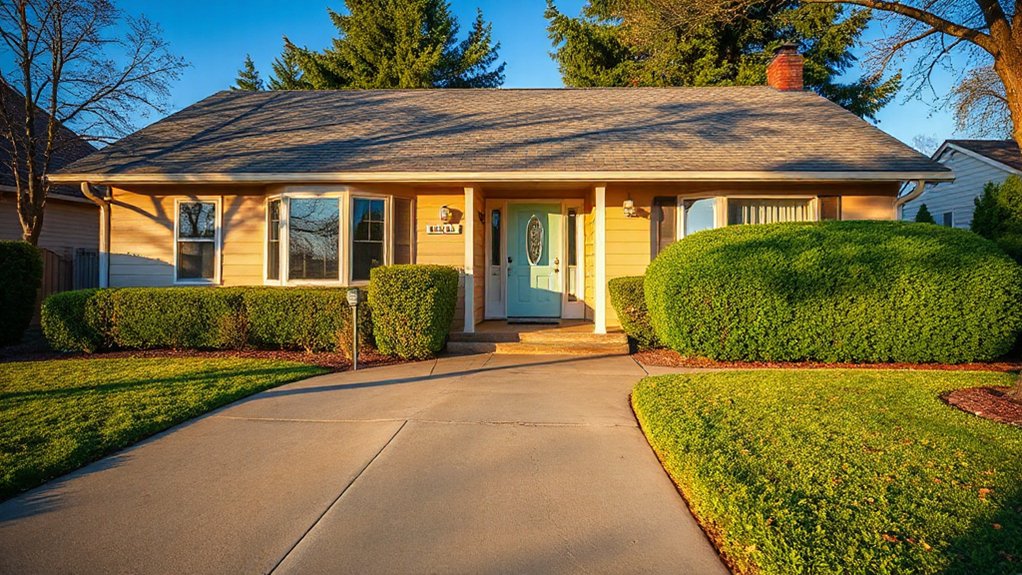
First impressions matter, so focus on curb appeal basics like a tidy lawn, fresh mulch, and clean pathways to signal you’ve maintained the home.
Seasonal exterior care—whether you’re prepping for winter or spring—shows ongoing attention and reduces valuation surprises.
This sets a practical tone for how external maintenance factors into your mortgage valuation.
Curb Appeal Basics
A neat, well-maintained exterior signals to buyers that the home is cared for, so start with quick, visible fixes: trim overhanging branches, power-wash siding, and sweep walks clean. You’ll create curb appeal immediately, then focus on intentional details that last.
Choose durable, cohesive elements like garden landscaping and a thoughtful paint color that anchors the facade. Small upgrades compound; you’ll feel confident walking buyers through your home.
- Refresh pathways with clean edge lines and even lighting
- Refinish or replace worn entry steps and porch surfaces
- Tidy, mulched planting beds and drought-tolerant shrub accents
- Select a unifying paint color palette that complements roofing and brick
Concentrate on representational touches that signal care, not perfection, and invite belonging from the moment they arrive.
Seasonal Exterior Care
Inspect gutters, downspouts, and siding for wear, clearing debris and sealing gaps as needed. Exterior lighting should be functional and welcoming; test bulbs, replace damaged fixtures, and adjust glare away from neighbors while preserving security.
Mulch beds to retain moisture and suppress weeds. Pressure-wash siding where appropriate, avoiding fragile areas. Keep walkways clear, and trim overhanging limbs for safety.
Consistency builds trust, signaling a well-maintained home ready for valuation.
High-ROI Upgrades for Valuations
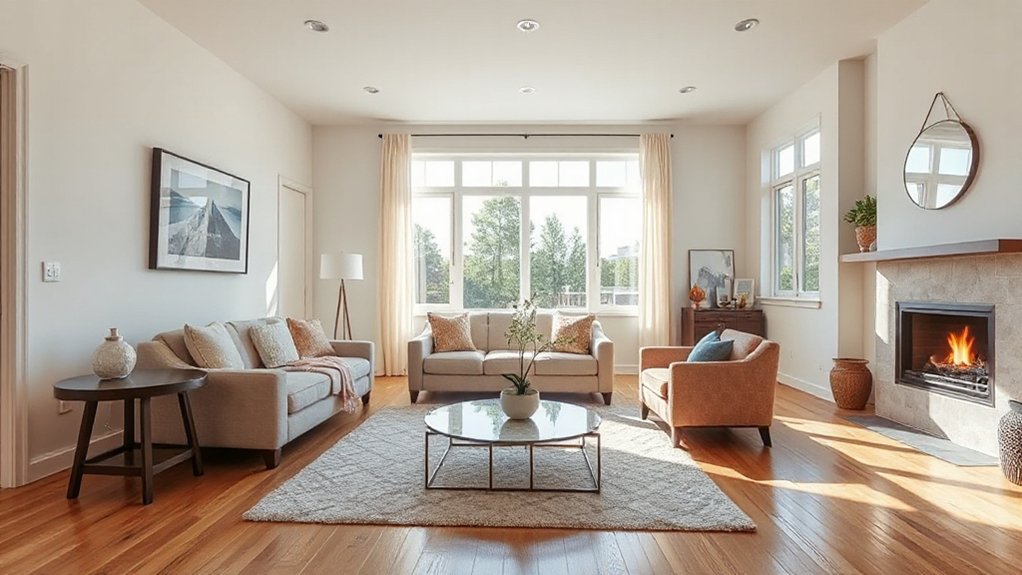
To maximize your home’s appraisal, focus on high-ROI upgrades that buyers and lenders notice most quickly. You’ll gain credibility by showing energy efficiency and smart technology in everyday use, not simply as specs. Prioritize visible, practical improvements that feel premium without overpricing.
1) Upgrade insulation and sealing for comfort and lower utility bills.
2) Install smart thermostats and programmable controls to highlight efficiency and convenience.
3) Replace dated lighting with high-efficiency LEDs and add daylighting where possible.
4) Add a modern, energy-efficient appliance set and smart plugs to demonstrate real-world savings.
Focus on clean, well-lit spaces that prove performance, not just potential. Your aim is an appraisal that feels modern, responsible, and connected, reinforcing belonging through tangible value. Energy efficiency and smart technology speak volumes.
HVAC, Plumbing, and Electricals: Inspectors’ Expectations
Inspectors expect HVAC, plumbing, and electrical systems to be functional, safe, and up to code. You’ll present a home that shows steady reliability, not last-minute improvisation.
Guarantee HVAC is properly serviced, filters changed, and any odd noises addressed. Emphasize comfort zones with balanced airflow and clean ducts where applicable.
For Plumbing inspections, verify leaks are fixed, supply lines secured, and water heaters operating at safe temperatures.
Electricals should have working outlets, intact breakers, and up-to-date grounding.
Document recent HVAC upgrades and maintenance records to demonstrate ongoing care.
Address minor issues before valuation day, since fixes now save friction later.
Being proactive signals responsible ownership, boosts confidence, and helps the appraisal reflect true value.
Your readiness reinforces belonging and trust in the process.
Flooring and Finishes That Add Perceived Value
Flooring quality instantly influences perceived value, so you’ll want surfaces that look durable and well-installed. When finish consistency runs through rooms, it boosts curb appeal and buyer confidence.
Keep up with simple maintenance habits, since tidy floors and finishes can lift your home’s worth in a valuation.
Flooring Quality Impacts Perceived Value
Quality flooring can shape a buyer’s first impression and influence perceived value, so start with a solid, well-presented surface. You’ll boost trust by choosing durable materials and clean finishes that stand up to daily life.
- Prioritize flooring durability with minimal seams and quality underlayment to reduce wear signals.
- Align flooring design with the room’s function and flow, ensuring harmony across transitions.
- Opt for neutral tones that appeal to broad buyers while highlighting space.
- Maintain consistent finishes throughout connected areas to avoid jarring contrasts.
For valuation, you’ll note that durable, well-matched floors read as thoughtful care. A cohesive design signals lasting value, not DIY quick fixes, helping buyers feel they belong in a well-considered home.
Finish Consistency Elevates Appeal
When finishes flow consistently from room to room, it instantly boosts perceived value and buyer confidence. You’ll create a cohesive look by aligning materials, tones, and textures across common areas and baths, avoiding abrupt contrasts.
Choose flooring with durable, timeless appeal and pair it with finishes that mirror or gently echo that palette. Subtle shifts are fine, but dramatic jumps disrupt flow and lower perceived value.
Use consistent trim, door styles, and hardware to reinforce unity, and guarantee transitions between spaces feel deliberate, not incidental.
In your home decor plan, prioritize lighting ambiance that complements the finish palette, softening surfaces and highlighting key features. This thoughtful consistency signals care and quality, strengthening confidence for lenders and buyers alike.
Maintenance Habits Boost Home Worth
Regular maintenance preserves value by extending the life and look of your flooring and finishes, so stay on top of wear and repairs before they drag down perceived worth. You’ll create a confident sense of care that buyers notice at a glance, especially when paired with tidy garden landscaping and efficient energy use.
- Inspect and seal gaps in floors and trim to reduce damage and show deliberate upkeep.
- Refresh high-traffic finishes with durable coatings or refinishing in neutral tones.
- Repair or replace damaged boards, grout, and caulk to avoid patchy appearances.
- Coordinate seasonal tasks with upgrades that improve energy efficiency, curb appeal, and cohesion.
Address Damp, Condensation, and Timing Issues
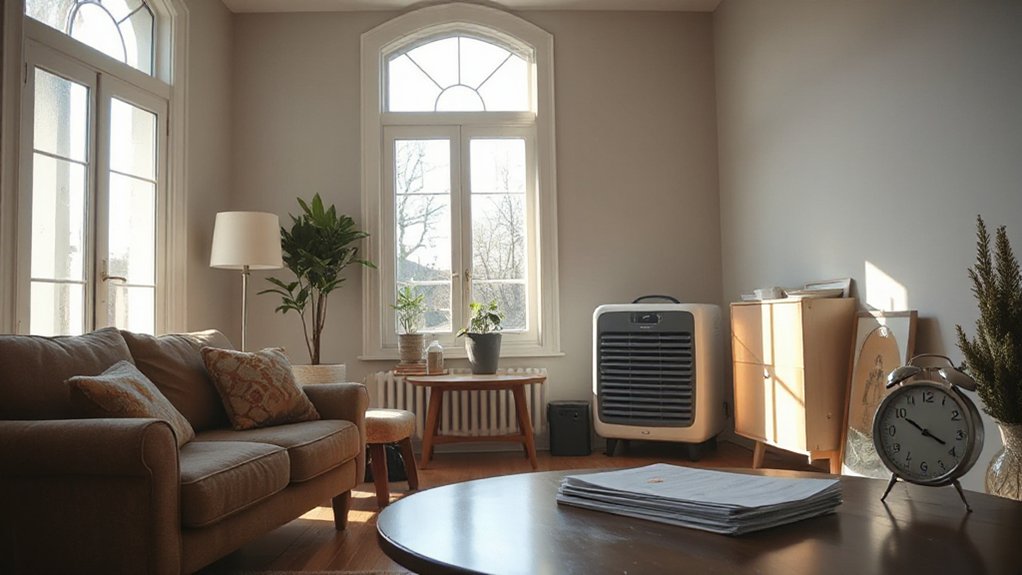
Damp and condensation can derail a mortgage valuation, but you can prevent surprises with quick, focused action: identify where moisture pockets form, fix leaks promptly, and improve airflow to stop condensation from lingering.
Start with a simple damp assessment: scan bathrooms, kitchens, and utility rooms for visible damp patches, musty smells, or peeling paint.
Implement damp treatment where you see early signs, using proven products and following label directions.
Prioritize ventilation upgrades—exhaust fans venting outside, dehumidifiers in damp zones, and openable windows when practical.
Timing matters: address issues before the valuer visits, and document fixes with receipts or photos.
This approach supports a cohesive home narrative, fosters trust, and reinforces condensation prevention as part of your overall preparation.
Shared Walls and Boundary Concerns: What’s Important for Lenders
Shared walls and boundary concerns matter to lenders because structural integrity and property boundaries drive risk, value, and insurability. You’ll want clear, well-documented access and obvious ownership lines so there’s no ambiguity about who’s responsible for maintenance and repairs.
Prioritize visible, sturdy party walls and consistent boundary markers to support appraisal confidence. Address any shared-use constraints or easements upfront to avoid late surprises.
By confirming sound construction and precise delineation, you bolster both market value and insurability, helping you secure favorable terms.
- Verify party-wall integrity and recent inspections
- Confirm legal boundary lines and easements are documented
- Note any shared-structure maintenance obligations
- Ensure boundaries are clearly referenced in the deed and plans
Common Valuation Pitfalls and How to Avoid Them
Common valuation pitfalls can derail a mortgage appraisal if you don’t anticipate them. You’ll save time and stress by addressing errors upfront.
First, don’t overlook curb appeal or clutter; tidy exterior and entryways set a confident tone. Inside, avoid mismatched repairs or temporary fixes that scream “short-term.”
Home staging helps create a sense of space and purpose, guiding the observer to your home’s best features. Guarantee interior lighting is bright and even—dark corners can depress value perception.
Document recent upgrades with receipts and dates, but keep photos tidy and relevant to the valuation scope. Don’t overestimate the market; present an honest, well‑categorized story of condition, age, and improvements.
Clear, quiet presentation fosters belonging and earns credibility with the appraiser.
What Lenders Want to See in Documentation Photos
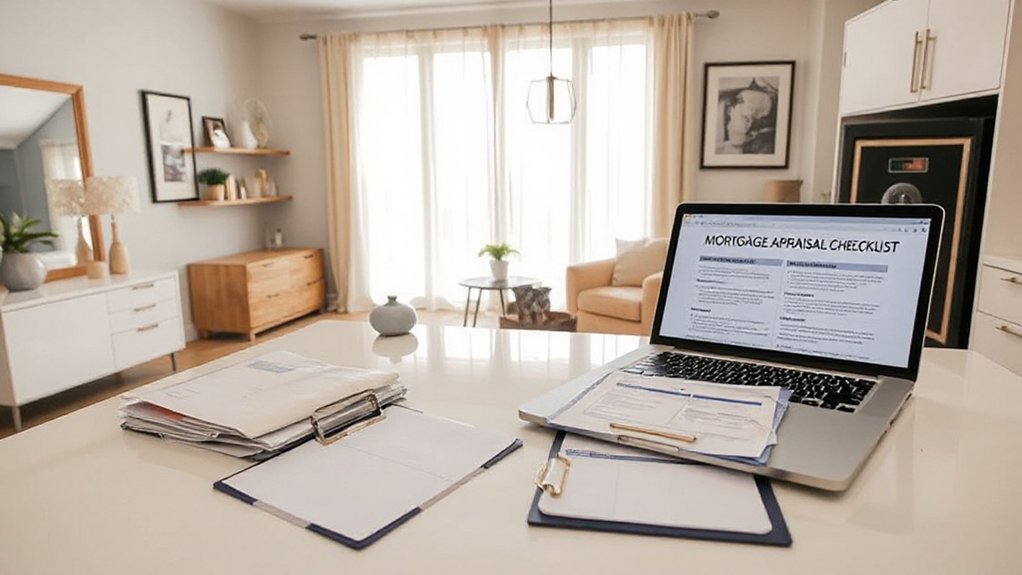
When lenders review documentation photos, they want a clear, complete, and verifiable record of the home’s condition and recent work. You’ll provide images that confirm updates, repairs, and current features without ambiguity. Focus on clarity, consistency, and context to help them assess value and risk.
Include details that show quality and care, especially in areas influencing value like home decor and interior lighting.
- Photograph each room with wide and close-up shots to reveal finishes and lighting setup.
- Capture high-transition areas (floors, walls, ceilings) and any warranty or receipt documentation.
- Show installed fixtures, appliances, and recent improvements in logical order.
- Add captions with dates, scope, and contractor names for verifiability.
Quick Pre-Valuation Checklist to Run Through
Before you start the valuation, run this quick checklist to make certain the process goes smoothly and lenders can verify key details.
Tidy the exterior and note garden landscaping, as curb appeal matters. Guarantee paths are clear, gates work, and any visible repairs are completed.
Photograph interior décor with good lighting, focusing on room layouts, fixtures, and finish quality.
Compile current information on property boundaries, utilities, and recent updates.
Have documentation ready: certificates, permits, and recent tax statements.
Clean kitchens and bathrooms, de-clutter living spaces, and present neutral, inviting staging.
Verify address and contact details match records, and confirm access for the valuers.
Remove personal items, pets, and strong odors.
Be prepared to answer questions concisely and stay calm during the visit.
What Happens After the Valuation and Next Steps
After the valuer submits the report, you’ll receive the official valuation findings and a breakdown of the key factors that influenced the result. You’ll know whether the price aligns with your expectations and what adjustments, if any, were made.
Next steps depend on your loan offer and lender requirements, so stay engaged and ask for clarity on any conditions. Aligning home decor and neighborhood safety with the valuation message can help you position the property effectively in the market.
- Review lender conditions and timelines, then plan your response.
- Prepare any requested documents promptly to avoid delays.
- If necessary, address minor fixes to protect value and appeal.
- Consider how decor choices and safety features reinforce the property’s strength in the neighborhood.
Frequently Asked Questions
Do Valuations Consider Cosmetic Improvements or Structural Durability?
Valuations weigh both: cosmetic upgrades matter less than structural integrity. You’ll boost value by ensuring solid foundations, safe framing, and durable systems, while neat finishes support appeal. Focus on repairs that prove long-term reliability, not just looks.
How Soon Can I Reschedule a Valuation if Delayed?
You can reschedule quickly—contact your valuer as soon as delays occur. If possible, aim for the next business day. Keep this in mind: property inspection timing matters for smoother valuations and lender confidence.
Can Pets or Occupants Affect the Valuer’s Assessment?
A hypothetical owner notes pet impact can skew smells or space perception, while occupant influence may affect lighting during viewing. You should note Pet impact and Occupant influence to help the valuer assess objective value, not emotions.
Do Lenders Share Valuation Notes With Buyers or Agents?
Lenders don’t automatically share valuation notes with buyers or agents, but you can request them. You’ll also want property photos and neighborhood details handy to understand the assessment and support your discussions with the lender.
How Long Does a Typical Mortgage Valuation Take?
A typical mortgage valuation takes a few days, though you’ll often hear “soon enough” as the lender lines up inspectors. In this property market, you’ll notice valuation methods vary, guiding your steps and reassuring your belonging.
Conclusion
Think of your home as a ship about to pass inspection at sea. The mortgage valuation is the lighthouse guiding lenders safely to harbor. Keep the deck clear, sails taut, and engine rooms calm. Fix the leaks, polish the brass, and show honest weathered strength in your photos. When the lanterns glow—documents in order, rooms calm, and repairs done—the valuation sails smoothly toward approval, anchoring your mortgage voyage on solid, trustworthy shores. Your diligence becomes the harbor’s beacon.