
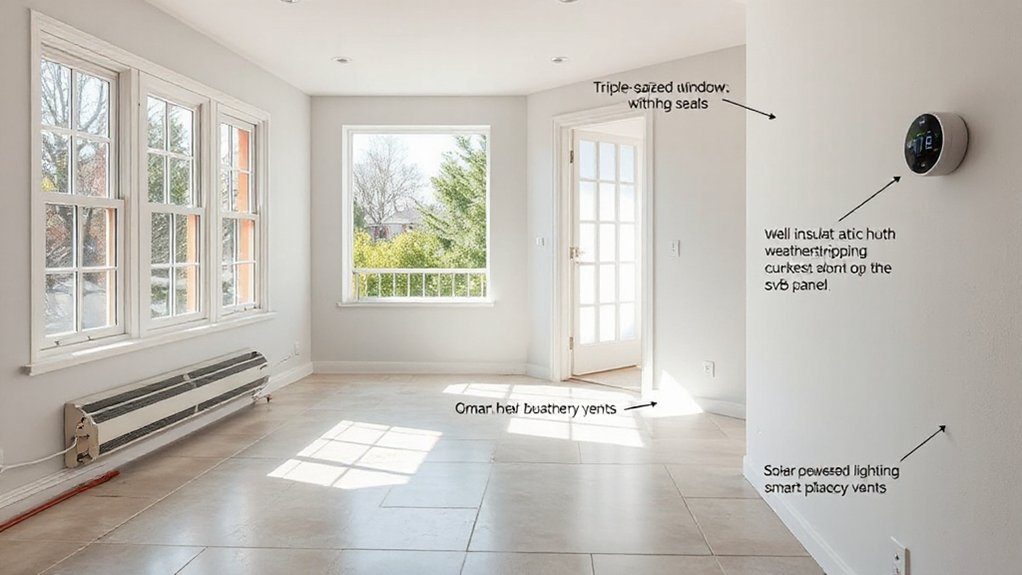
Improving your property’s energy rating starts with a clear baseline and a plan. Begin with a low-cost energy audit, track bills, temperatures, and drafts, and normalize data for weather. Prioritize fixes by impact: seal critical air leaks, insulate key gaps, and upgrade windows where it counts. Follow a budget-smart sequencing, phase work to minimize disruption, and engage tenants with transparent goals. Measure results after each upgrade to validate savings, and you’ll gain access to better performance and value, with more to come.
What a Better Energy Rating Means for Homes
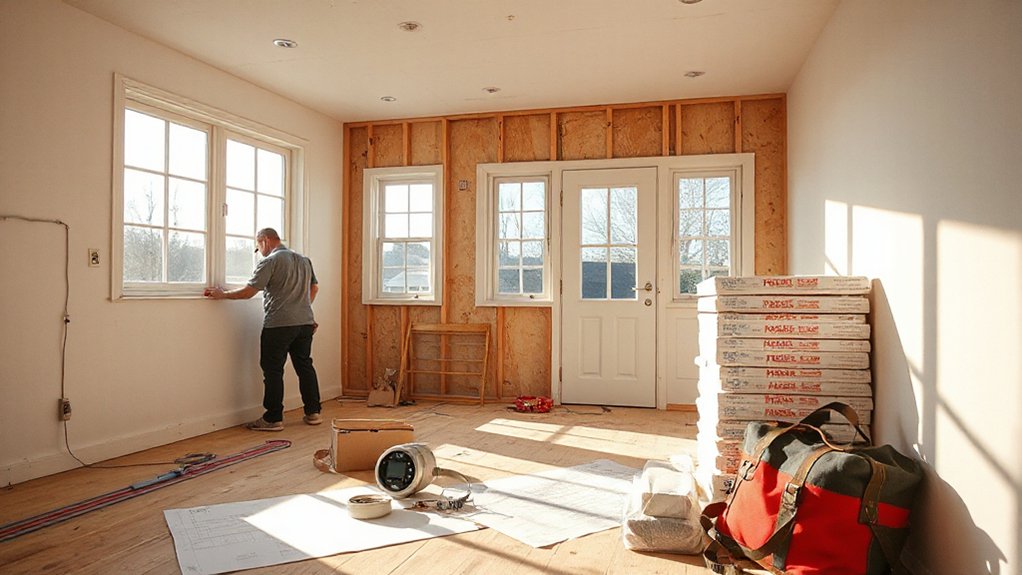
Improving a home’s energy rating signals lower utility bills, fewer emissions, and better comfort. When you raise the rating, you access predictable costs, more stable indoor temperatures, and a higher resale appeal.
A better score reflects improved building performance, from insulation to airtightness, window quality, and efficient systems. You’ll see measurable gains: reduced heat loss, smarter energy use, and enhanced demand management through renewable integration.
This matters for belonging: you’re joining a community prioritizing resilience and stewardship. Higher ratings correlate with tighter envelopes and better building aesthetics, creating cohesive spaces that feel comfortable and modern.
Practically, expect performance data to guide upgrades, driver decisions, and long-term maintenance, ensuring your investment yields durable, visible benefits for years to come.
How to Establish a Low-Cost Energy Baseline
To start calculating a low-cost energy baseline, you don’t need expensive meters or complex models. You’ll begin with a simple energy audit of your home, focusing on where energy is used most and where waste occurs.
Track monthly utility bills, identify seasonal spikes, and note appliances that run continuously. Create a baseline assessment by recording room temperatures, heating or cooling patterns, and drafty spots. Use a consistent method—compare similar months year over year and normalize for weather.
Don’t overlook lighting, outlets, and insulation gaps. Prioritize verifiable data over assumptions; small, repeatable measurements improve accuracy.
This approach builds belonging through shared accountability: you’re partnering with your home to reduce waste and align decisions with measurable targets. Revisit the baseline quarterly to monitor progress and refine actions.
Prioritize Fixes by Impact: Heat, Air, Water, Waste
When you’re choosing fixes, start with the ones that reduce heat loss, improve air quality, curb water use, and minimize waste—the four areas that deliver the quickest, most reliable payback.
Prioritizing impact keeps renovations focused and measurable. You’ll stack improvements by energy return, not by novelty, so you preserve Historical preservation and support aesthetic enhancement while boosting efficiency.
Target high-leverage moves first, then fill gaps with durable, scalable upgrades. This approach minimizes disruption and cost overruns, while building confidence among stakeholders and occupants who value belonging.
- Prioritize insulation and air sealing for heat, not cosmetic changes
- Upgrade ventilation to improve indoor air quality
- Install efficient fixtures to cut water use
- Reduce waste through smarter disposal and materials reuse
- Align upgrades with preservation goals and visual cohesion
Evaluate the Building Envelope: Walls, Roof, and Floors
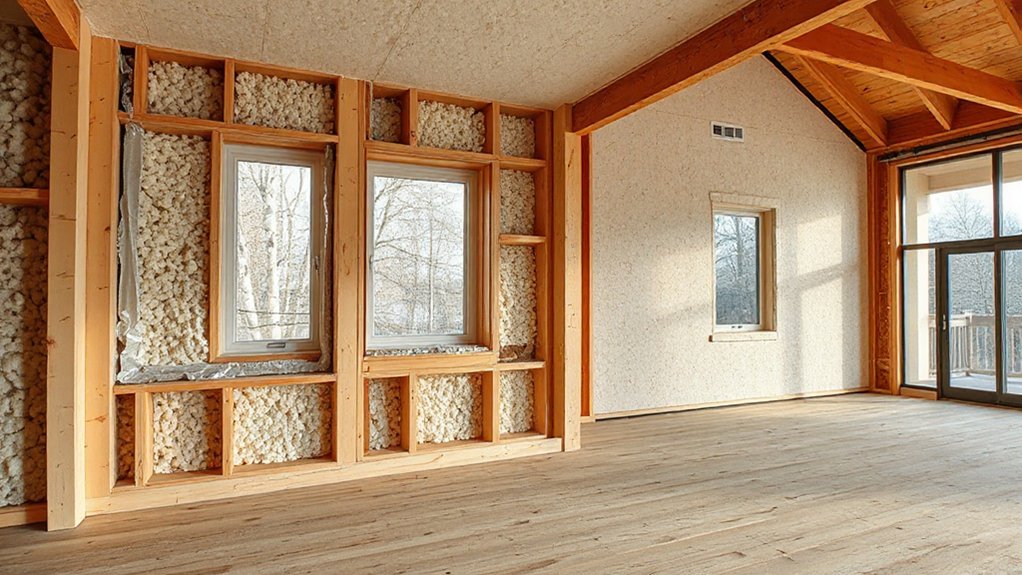
Look at building materials for compatibility, durability, and long-term performance, since material choices influence thermal bridging and energy savings.
Prioritize structural integrity by inspecting joins, fasteners, and loads transferring through walls, roofs, and floors.
Use data from energy audits or thermal imaging to identify hot spots and cold spots signaling gaps.
Plan upgrades that improve air tightness without compromising ventilation.
A solid envelope reduces seasonal energy demand, supports comfort, and strengthens community value, helping you feel secure and connected to a well-cared-for home.
Identify and Seal Critical Air Leaks
- Locate high-traffic leakage zones with evidence-based testing
- Seal around window and door perimeters using compatible materials
- Weather-strip attic and basement access points
- Seal penetrations for pipes, cables, and vents
- Recheck with a brief blower-door test to verify air leakage reduction
Fast-Pay Insulation Upgrades and Targets
You can start fast-pay insulation upgrades now to lock in rapid energy savings and keep upfront costs low. Target the quickest paybacks by prioritizing high-R gaps, phased installations, and verified performance data to meet annual energy-savings goals.
Explore efficient renovation financing options that align with your project timeline and cash flow while delivering measurable reductions in required cooling and heating loads.
Fast-Pay Insulation Upgrades
- Assess existing walls and attic sections for high-impact gaps
- Choose installers with transparent warranties and performance metrics
- Opt for sustainable materials that meet preservation guidelines
- Compare payback periods using local utility data
- Schedule phased work to minimize disruption and maximize comfort
Target Energy Savings Quickly
Target energy savings should start with fast-pay insulation upgrades that deliver immediate comfort and measurable bills reductions. You’ll compare payback timelines, quantify the quick wins, and track dollars saved per month as you implement targeted improvements.
Prioritize high-heat losses: attic, exterior walls, and ducts, using high-R materials and air-sealing tactics that show results in weeks rather than years. Ground your plan in practical data—office bills, climate-zone charts, and material warranties—to justify decisions and maintain momentum.
Historical context informs choices about where upgrades matter most in older homes, while cultural significance helps you frame improvements as communal improvements, not just personal gains. By focusing on speed, you reinforce belonging, trust, and a shared commitment to durable comfort.
Efficient Renovation Financing Options
Fast-pay insulation upgrades can be financed quickly with options that align cost savings with project timelines. You’ll find financing that matches phased milestones, minimizing cash drag while maximizing return.
Leverage data on payback periods, interest rates, and grant opportunities to choose the most economical path. Energy efficient lighting and renewable energy integration should shape your plan, since combined upgrades boost incentives and shorten break-even horizons.
Practical financing blends can include mezzanine, local authority loans, and energy performance contracts that tie repayment to realized savings. Your aim is predictable cash flow, strong project momentum, and a shared sense of progress with stakeholders.
Aligning funding with targets builds belonging and confidence across your team and community.
- Fast-track repayment options with clear milestones
- Energy efficient lighting incentives and standards
- Renewable energy integration tax credits and grants
- Performance-based contracts linked to savings
- Stakeholder-friendly disclosures and dashboards
Optimize Heating and Cooling System Efficiency
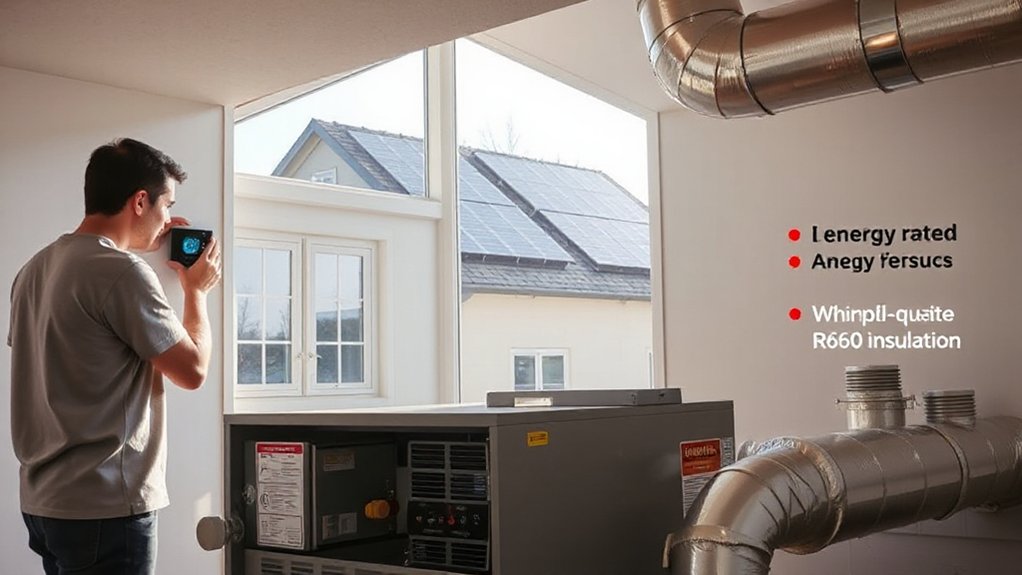
To enhance heating and cooling system efficiency, start with a precise assessment of your current setup and energy use, then target the biggest gain with practical improvements. You’ll identify gaps in insulation, duct leakage, and thermostat behavior, using data from bills and a quick blower door test.
Prioritize actions with proven payback: sealing leaks, upgrading filters, and tightening zoning control. Implement continuous comfort strategies by balancing supply and return air, trimming unnecessary runtimes, and aligning outdoor temperatures with indoor setpoints.
Focus on Ideal insulation and system efficiency upgrades that reduce peak demand and long-term costs. Consider Renewable sources for supplemental heating or cooling where feasible, ensuring compatibility with your home’s loads.
Finally, track progress with monthly energy metrics to validate impact.
Choosing Heat Pumps vs Boilers for Your Climate
Choosing between heat pumps and boilers depends on your climate, energy costs, and home design; the right choice can cut operating costs while maintaining comfort.
- In moderate climates, heat pumps maximize efficiency when paired with renewables.
- Boilers can be cost-effective in extreme cold if paired with reliable fuel pricing.
- Assess seasonal load shifts to balance upfront costs and long-term savings.
- Consider climate adaptation and how each system handles humidity, air quality, and zoning.
- Plan for renewable integration, ensuring controls sync with smart thermostats and storage options.
Powered by data, this choice aligns with practical renovation goals, avoids over-investment, and fosters a sense of belonging to a low-carbon community.
Upgrading Windows and Skylights for Real Gains
Upgrading windows and skylights starts with tighter window U-values and properly sized skylights to cut heat loss without sacrificing daylight.
You’ll quantify gains by comparing current U-values to modern, code-compliant options and by estimating comfort improvements from daylighting metrics.
With solid data, you can anticipate energy savings and ROI from these upgrades before choosing products or installers.
Window U-Value Upgrades
Are your windows really costing you energy? In this subtopic, you’ll improve comfort and bills by targeting Window U value and glazing performance.
Lower U-values reduce heat transfer, especially in extreme seasons, so you’ll feel steadier indoor temperatures with less furnace and AC work. Choose double- or triple-pane glazing, gas fills, and low-emissivity coatings to cut heat flow without sacrificing daylight.
Don’t overlook frame quality and seal integrity, since gaps negate performance gains. Compare manufacturers’ tested values and real-world results from similar climates to avoid overpromising.
Track progress with simple indicators: improved night-to-day temperature consistency, reduced drafts, and steadier thermostat calls. Upgrading yields tangible comfort and energy savings, reinforcing a shared goal of responsible, efficient living.
- Target Window U value improvements with tested performance data
- Prioritize glazing performance and frame integrity in tandem
- Assess climate-specific needs and real-world outcomes
- Verify air sealing and warranty coverage upfront
- Measure results through comfort, bills, and thermostat activity
Skylight Daylighting Gains
Skylight daylighting can boost natural illumination without raising cooling loads, but the gains hinge on thoughtful design and performance. You’ll evaluate orientation, glazing type, and shading to prevent glare and heat spikes.
In practice, choose high-performance skylights with low U-values and solar heat gain coefficients aligned to your climate. Daylight simulations show hours of usable daylight can cut artificial lighting by 60–80% in core spaces, improving comfort and perceived space.
Pair skylights with light shelves or diffusion designed to minimize contrast and avoid over-bright hotspots. Regular maintenance matters: seal integrity, flashing, and cleaning maintain performance over time.
Track metrics like daylight factor and energy use to verify benefits, reinforcing a sense of control and belonging as you invest in measurable, durable improvements. Skylight daylighting supports natural illumination, responsibly.
Duct Testing, Sealing, and Balancing for Comfort
Duct testing, sealing, and balancing are essential steps to improve comfort and energy efficiency in your home. You’ll identify leaks, pressure imbalances, and airflow losses that waste energy and create hot or cold zones.
With precise testing, you’ll verify duct performance before and after sealing, then tune airflow to each room for consistent comfort. Duct maintenance and air balancing work together to reduce blower workload, save on utility bills, and extend equipment life.
Rely on measurements, not guesses, to guide repairs and improvements.
- Test for leaks and pressure differences with professional equipment
- Seal gaps with appropriate materials for durable results
- Balance supply and return air to achieve even temperatures
- Inspect dampers and insulation to prevent losses
- Recheck performance to confirm improvements
Ventilation That Saves Energy and Protects Air Quality
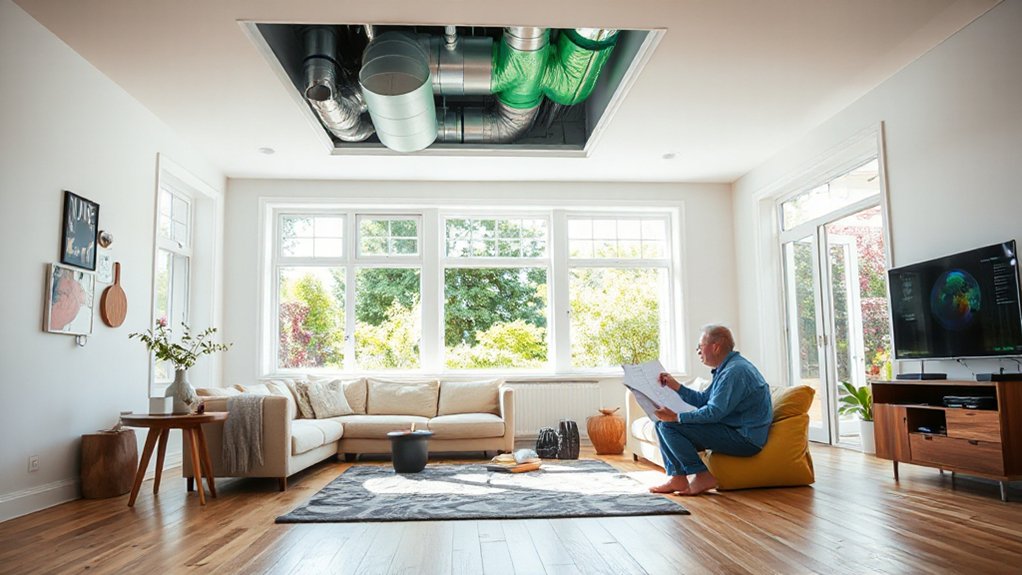
Ventilation systems that save energy don’t just move air; they optimize it. You optimize by balancing fresh air with filtration and heat recovery, cutting waste and improving comfort.
Use dedicated ventilation strategies that match your space: continuous mechanical supply with demand-controlled exhaust, or balanced systems with heat recovery to recover energy from exhaust air.
Monitor indoor air quality with CO2, humidity, and particulate sensors to adjust operation, ensuring healthy thresholds without overventilating.
Prioritize airtight envelope performance so a small, efficient system can meet daily needs.
Sealed ductwork and properly rated filters reduce contaminants while preserving pressure and efficiency.
Choose systems and controls that communicate clearly, so occupants feel included in the process and celebrate steady, measurable improvements in indoor air quality.
Improving Domestic Hot Water Efficiency
- Consider solar thermal integration to preheat water, reducing grid demand.
- Inspect hot water tanks for insulation and leak-free operation.
- Install low-flow fixtures to cut volume heated without sacrificing comfort.
- Use thermostatic mixing to limit scald risk while saving energy.
- Schedule regular maintenance and tank temperature checks for consistent results.
These steps align with a practical, data-driven approach, helping you achieve reliable, comfortable hot water while reinforcing a sense of belonging to a responsible, forward-looking home.
Reducing Water Use to Support Energy Savings
To cut energy use, reduce water waste through targeted habits and efficient fixtures. You’ll lower utility bills and curb emissions by choosing water conservation practices that fit daily life.
Start with high-efficiency plumbing fixtures, like low-flow faucets, showerheads, and toilets, which cut water use without sacrificing comfort. Pair these with aerators and flow restrictors to optimize performance.
Fix leaks promptly; a small drip wastes gallons weekly and undercuts energy savings.
Adopt smart scheduling for laundry and dishwashing—full loads only, cold cycles when possible—to reduce hot water demand.
Consider simple retrofits, such as pressure-reducing valves, to stabilize home water pressure and protect appliances.
Document reductions to demonstrate progress toward energy targets and foster a sense of shared achievement.
Water conservation reinforces collective resilience and a stronger, greener home.
Smart Controls and Energy Monitoring for Ongoing Gains
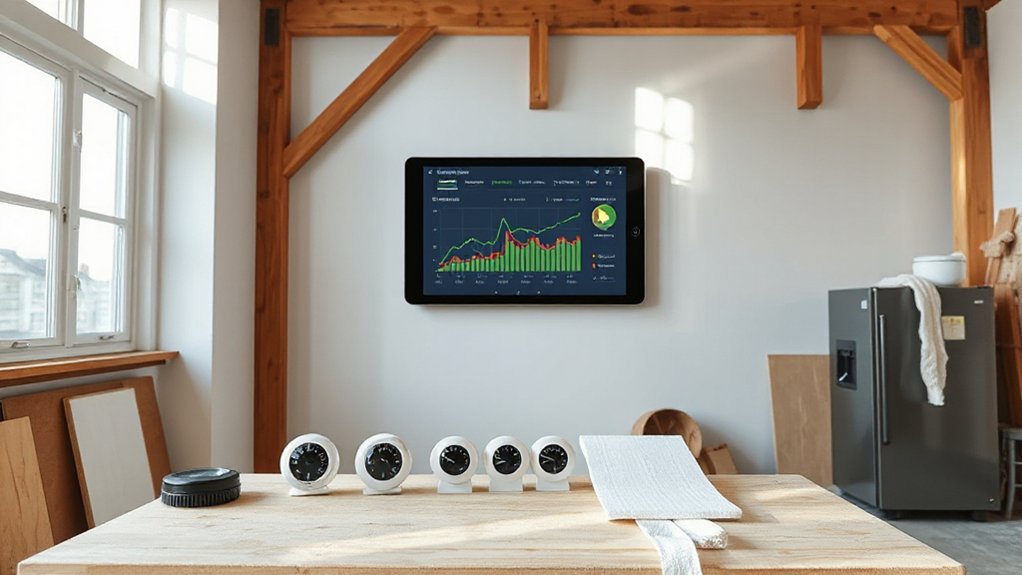
Smart controls and energy monitoring build on water-saving gains by giving you precise visibility and automated adjustments that curb consumption day to day.
You’ll leverage Smart thermostats and energy dashboards to fine-tune usage, compare trends, and confirm savings over time. Data-driven insights guide decisions without guesswork, helping you maintain comfort while driving ongoing efficiency gains.
- Centralized data view with real-time feedback
- Automated scheduling aligned to occupancy and weather
- Threshold alerts for unusual spikes and leaks
- Seasonal tuning that sustains comfort and savings
- Transparent reporting that supports ongoing improvement
This approach reinforces a sense of belonging, showing you’re part of a proactive community of responsible homeowners who value measurable performance and durable value.
Budget-Smart Upgrade Sequencing and Phasing
A practical upgrade plan starts with sequencing and phasing that align budget with impact, so you get meaningful savings without disrupting comfort. You’ll map upgrades to energy return, then schedule a phased implementation that fits cash flow and occupancy needs.
Start with high-impact, low-cost moves—insulation tweaks, air-sealing, and efficient lighting—before pricier system changes. Use budget planning to cap each phase, and build in contingency for unexpected costs.
Track metrics from each step to prove value and guide the next move. Align improvements with long-term comfort and resale appeal, so everyone in your project feels included and informed.
A disciplined sequence reduces disruption, accelerates payback, and helps you optimize credits or rebates. With clear milestones, you maintain momentum and confidence throughout the renovation.
Tenant-Focused Renovations for Greener Rentals
Could you reduce tenant energy waste without sacrificing comfort? You can boost efficiency by prioritizing tenant engagement and clear expectations, then align upgrades with legal considerations to protect everyone.
Start with transparent energy-use data sharing and quick-win fixes that tenants can participate in, like smart thermostats and LED lighting. Track feedback, adjust programs, and celebrate progress to reinforce belonging and collaboration.
Prioritize resilient, low-cost improvements that reduce waste without compromising habitability.
- Engage tenants early with surveys and home walkthroughs
- Install programmable controls and energy-monitoring dashboards
- Choose durable, energy-efficient appliances aligned with building needs
- Communicate legal requirements and consent processes clearly
- Measure outcomes, publish results, and iterate together for better compliance
Financing, Incentives, and Grant Opportunities
When you explore financing options, look for predictable repayment terms, low interest, and flexible draw schedules that align with project milestones.
Grants and rebates can cover high-impact items like heat pumps, insulation, and智能 controls, helping you maximize performance without compromising cash flow.
Pair these programs with a solid energy retrofit plan, including baselines and milestones, so stakeholders see measurable value.
Measuring Success: Re-Checking Energy Performance After Upgrades
Measuring success starts with re-checking energy performance after upgrades to validate impact and guide next steps. After you finish improvements, run a fresh performance audit and compare to baseline data, targeting real-world outcomes over theoretical gains. Focus on quantified changes in heating, cooling, and hot-water use, plus renewable energy contributions and system efficiencies. Use the latest energy modeling results to confirm compliance with your goals for comfort and cost.
Track building aesthetics alongside performance, since design choices influence user behavior and saving opportunities. Document anomalies, adjust operating schedules, and plan iterative improvements when needed.
- Re-audit microclimates and thermal comfort metrics
- Verify measured energy savings against modeled projections
- Review renewable energy production and usage accuracy
- Assess occupancy and usage patterns for behavior-driven shifts
- Align upgrades with ongoing building aesthetics and values
Frequently Asked Questions
What Is the Typical Payback Period for Common Upgrades?
Typical payback for common upgrades runs about 3–7 years, depending on scope and energy costs. You’ll gain long-term savings, and a clear cost analysis supports a steady investment timeline that fits your sense of belonging and purpose.
How Do Weather Patterns Affect Upgrade Sequencing?
Rain taps your plan, showing how weather steers upgrade sequencing. You time projects by climate impact and seasonal scheduling, optimizing performance, costs, and comfort; you’ll feel supported, data-driven, and part of a proactive, optimized community.
Do Renovations Require Permits or Inspections?
Yes, renovations require permits and inspections. You’ll follow building codes and navigate the permit process, ensuring compliance, safety, and centralized documentation, so you feel supported and confident throughout the process.
Which Upgrades Are Best for Rental Properties?
Upfront, you should prioritize energy efficient windows and insulation materials, since their savings compound for rentals. You’ll see lower utility costs, happier tenants, and higher demand by proving a data-driven, practical case for tighter envelopes and glazing upgrades.
How Can I Estimate Energy Savings Before Work?
You can estimate energy savings before work with a cost analysis and efficiency metrics, using baseline utility data, modeled scenarios, and conservative assumptions to forecast payback, performance, and occupancy comfort, helping you budget confidently and feel empowered.
Conclusion
You’ll save money, sleep warmer, and pretend you didn’t just spend a fortune on drafty walls. In reality, you’re leveraging real data, proven fixes, and smart sequencing to lift energy ratings without guesswork. Prioritize sealing leaks, tightening envelopes, and efficient systems; measure, compare, and iterate. If it sounds glamorous, you’re probably misreading the numbers. Be boringly effective: quantify savings, track performance, and prove the upgrade impact—then tell everyone, with receipts, why the noise mattered.