
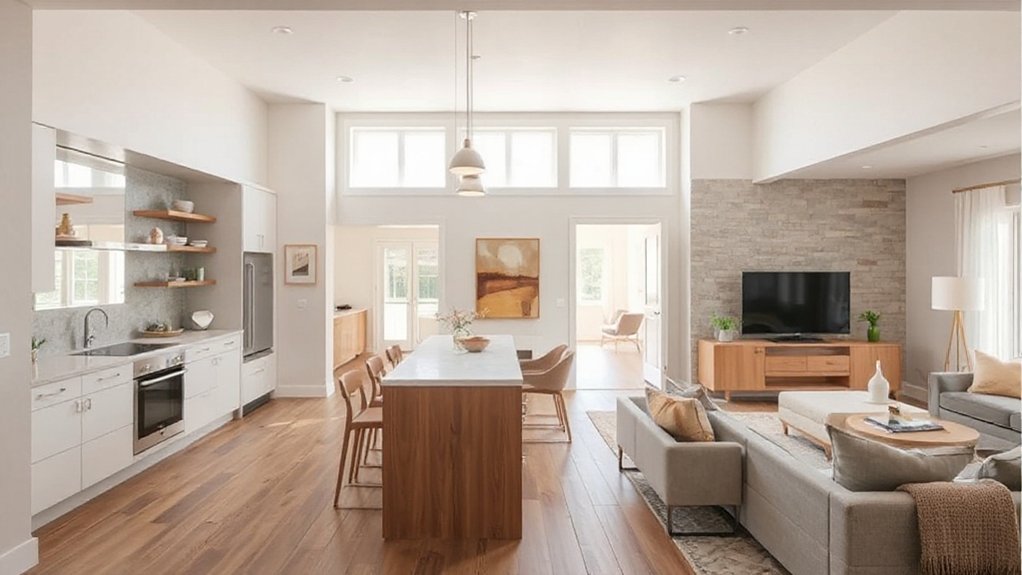
You can transform a property into a smarter, more cohesive layout by identifying wasted nooks, reconfiguring doors and sightlines, and aligning daylight with daily flows. Start by mapping underused spaces and improving circulation, then adjust door placement to reduce friction and enhance sightlines. Bring in daylight with window strategy and balanced lighting, while adding budget-friendly, modular storage. Test changes quickly, measure flow and light reach, and iterate. If you keep at it, you’ll uncover even more practical improvements.
Identify Wasted Nooks and Underutilized Spaces
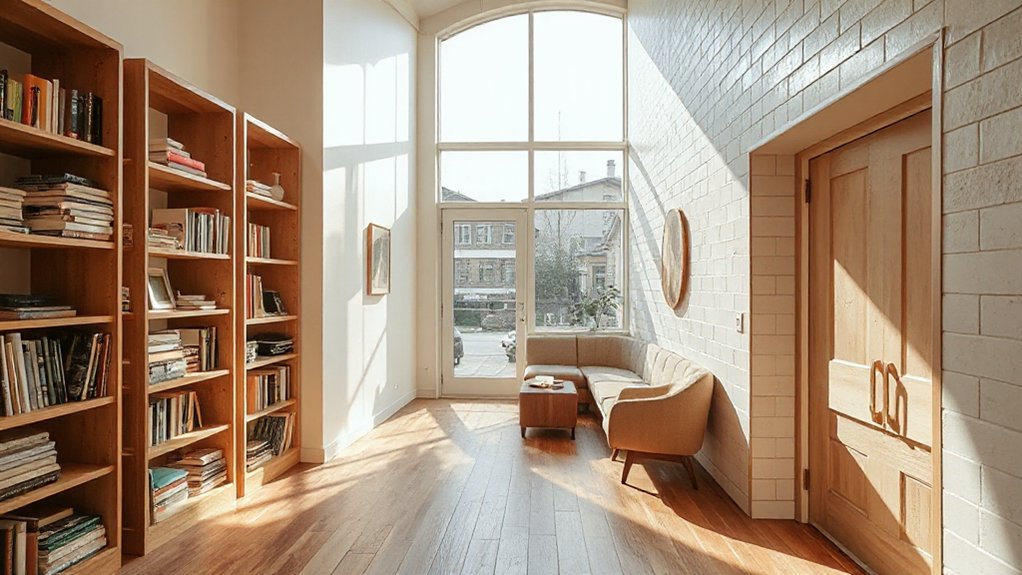
Start by spotting wasted nooks and underutilized spaces that quietly drain square footage and value. You methodically map every corner, noting dead zones, awkward angles, and oversized unused areas. This isn’t about aesthetics alone; it’s a practical assessment of function, flow, and belonging.
You ask: how can storage optimization release potential without sacrificing personality? You evaluate light, access, and adjacency to main activities, then group related tasks to minimize travel.
With a clear inventory, you reimagine the layout through purposeful furniture arrangement, prioritizing versatile pieces that flex with needs. You test configurations like a designer at work, measuring clearance, sightlines, and habit patterns.
The goal is a coherent, welcoming space where every inch serves a purpose, and owners feel connected, organized, and at home.
Maximize Flow by Reconfiguring Doors and Sightlines
Reconfiguring doors and sightlines can dramatically improve flow, guiding traffic through spaces intuitively rather than forcing awkward detours. You’ll map how people move, then identify where friction occurs at typical passages.
Door placement matters: consider aligning entry points with main corridors, using swing directions that minimize cross-traffic, and creating clear thresholds that cue intention without interrupting conversation.
Sightline optimization is equally critical—trim visual clutter, maintain uninterrupted lines toward key areas, and level the field between rooms to reduce hesitation.
This approach balances practicality with belonging: as spaces connect more naturally, you feel invited to linger, collaborate, and revisit routines.
Test iterations, measure navigation time, and adjust doors and openings until movement feels seamless, intentional, and inclusive for every occupant.
Bring in Daylight: Window Strategy and Lighting
To bring in daylight effectively, coordinate window strategy with circulation and key activity zones, using daylight as a driving factor for layout decisions rather than a decorative afterthought.
You’ll assess room uses, sightlines, and occupant paths to place openings where light travels deepest without glare. Prioritize consistent daylight distribution across spaces, reducing reliance on artificial lighting during the day and fostering a sense of belonging through shared, well-lit areas.
Think in terms of natural ventilation alongside daylight: operable windows can connect indoors with outdoors, improving comfort and air quality. Consider skylight placement where vertical windows can’t reach, balancing warmth and heat gain with shading.
The result: clearer wayfinding, calmer environments, and a more cohesive, energy-conscious plan.
Budget-Friendly Layout Fixes You Can Do Now
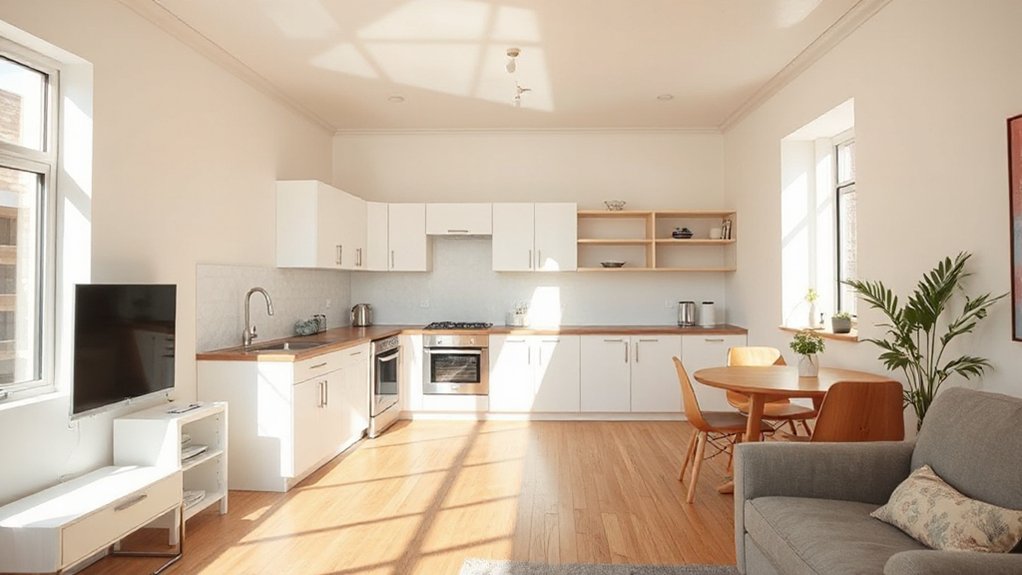
If you’re tightening your budget, start with a clear, data-backed plan that targets high-impact layout tweaks rather than cosmetic changes. You’ll free space by rethinking traffic flow: align doorways, reclaim corners, and prioritize open sightlines to feel larger without new walls.
Use decorative accents strategically to define zones without clutter, keeping a cohesive palette that anchors a sense of belonging. Storage solutions should be modular and hidden where possible—consider built-ins in underused alcoves and furniture with integrated bins to reduce visual noise.
Test scale before purchase; swap bulky pieces for multi-functional designs that serve several needs. Keep a ledger of costs and measurable gains, then adjust quickly.
These small shifts create intentional, communal spaces you’ll enjoy together.
From Plan to Reality: Test, Measure, and Iterate
Start by converting your plan into a concrete testing routine: define a few high-impact layout tweaks, set measurable goals, and schedule short, repeatable trials. You’ll observe how furniture placement alters flow, sightlines, and space perception, then refine based on results.
Track metrics like usable area, natural light reach, and interaction hotspots, not opinions alone. Use quick adjustments: swap sofa angles, rotate rugs, or relocate a desk for clearer circulation.
Document responses to acoustic considerations—sound reflections, edge echoes, and privacy zones—so you can compare before and after with precision. Iterate by implementing the most impactful changes, re-measuring, and validating with everyday use.
This disciplined loop builds confidence, belonging, and a shared sense of progress as you transform plan into livable reality.
Frequently Asked Questions
How Do I Assess Structural Constraints Before Changing Walls?
You assess structural constraints by performing a structural analysis and load bearing assessment, identifying walls that carry loads, and evaluating spacing, connections, and tolerances. You document findings, consult a pro, and guarantee safe, inclusive space planning.
What Permits Are Needed for Non-Load-Bearing Changes?
You’ll need to check local permit requirements for non-load-bearing changes, aligning with renovation regulations. You’ll likely file with the building department, submit plans, and confirm zoning compatibility, ensuring compliance while you pursue your project and feel supported by policy.
Can Small Renovations Impact Resale Value Significantly?
Yes, small renovations can considerably boost resale value. You’ll attract buyers by confident interior design choices and smart budget planning, seeing space feel larger and cohesive, while you stay practical, analytical, and within a welcoming budget that fosters belonging.
Which Materials Maximize Both Acoustics and Light Diffusion?
You’ll choose soundproofing options and light scattering techniques that balance performance and comfort; you’ll optimize textures, reflectivity, and diffusion to create a cohesive, inclusive space where acoustics and light feel natural and supportive for everyone.
How Long Does a Typical Renovation Timeline Actually Take?
Two months, give or take, depending on scope. Picture a clock’s hands aligning: small decisions compound. You’ll pace interior design milestones, track budget planning, and adjust expectations as you grow comfortable—belonging grows with thoughtful, steady progress.
Conclusion
You’ve scanned wasted nooks, trimmed dead zones, and mapped a smoother flow. By rethinking doors and sightlines, you’ve opened pathways that feel natural rather than forced. Daylight and smart lighting brighten every corner, while budget-friendly tweaks prove you don’t need a big budget to gain big gains. Test, measure, and iterate—treat the plan like a living draft. Your renovation is a work-in-progress, and with each adjustment, the space becomes a clearer reflection of how you live. It’s a garden, constantly growing.