
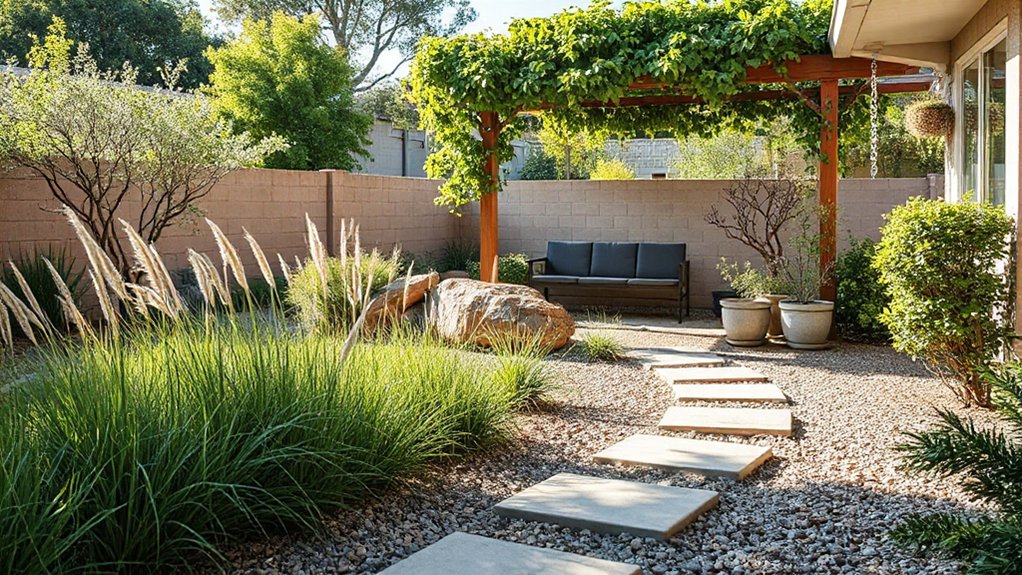
To create a low-maintenance outdoor retreat, start with drought-tolerant, climate-appropriate plants grouped by water needs and sun exposure, then zone your yard for efficient irrigation. Prep the soil with compost and pH tweaks, mulch 2–3 inches, and install drip irrigation with smart controllers. Use permeable hardscapes, durable groundcovers, and evergreen accents for year-round structure. Plan weekly 15-minute maintenance and seasonal tweaks to stay on top of color and flow—plus you’ll discover more practical tips ahead.
Define a Low-Maintenance Landscape: Your Step-by-Step Plan
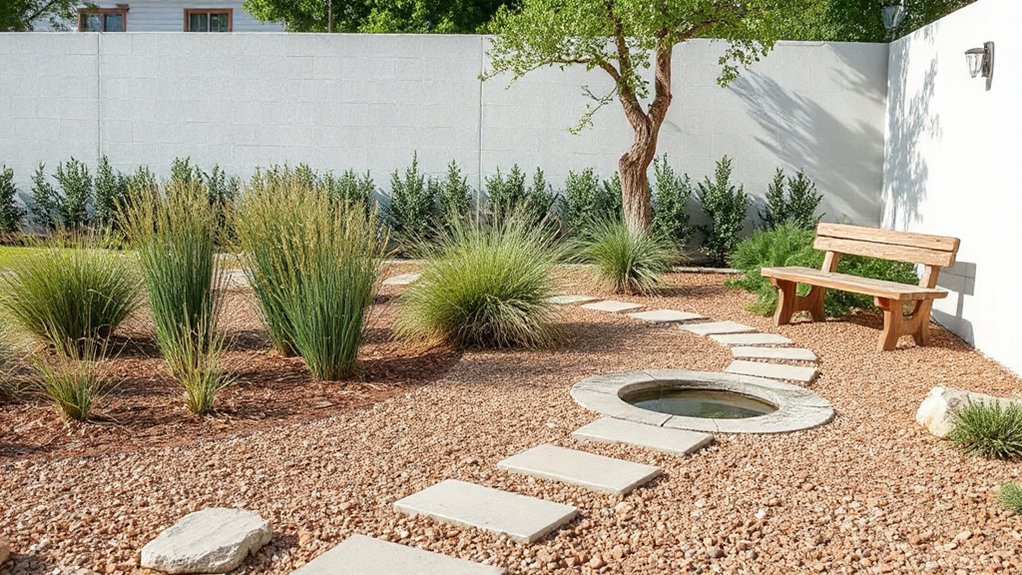
Creating a low-maintenance landscape starts with a clear plan: pick tough, drought-tolerant plantings, group them by water and sun needs, and build in structural elements that reduce upkeep.
You’ll design zones that align with your site’s light, slope, and drainage, then choose hardy layers that resist pests.
Establish irrigation logic—drip lines, mulched borders, and smart controllers—to minimize waste.
Think in terms of resilience: evergreen backbone, seasonal interest, and simple maintenance tasks you can actually fit into a routine.
Incorporate garden art as focal points that require little adjustment, and set aside space for wildlife habitat to invite birds and pollinators without extra work.
This plan gives you belonging, clarity, and a repeatable process you can trust.
Choose Drought-Tolerant Plants for Your Climate
Turn to climate-specific drought rules to choose plants that really endure your summers. Start with a Native Plants Adaptation Guide to guarantee your selections fit your soil, sun, and water patterns.
Keep it practical: match each plant’s water needs to your climate for consistent, low-maintenance results.
Climate-Specific Drought Rules
Choosing drought-tolerant plants suited to your climate is the most reliable way to reduce water use and keep your landscape thriving.
Climate-specific rules guide what you plant, when you water, and how you mulch. By tailoring practices to your conditions, you’ll minimize upkeep and maximize resilience. You’ll also protect soil health and curb yard runoff, saving time and money.
- Select drought-tolerant varieties suited to your zone
- Schedule deep, infrequent watering rather than daily misting
- Mulch to conserve moisture and suppress weeds
- Integrate rainwater harvesting to buffer dry spells
- Choose pest resistant plants to reduce maintenance and inputs
Adopt these steps with confidence, knowing your choices support a welcoming, low-maintenance retreat for you and your neighbors.
Native Plants Adaptation Guide
Native plants that are drought-tolerant hinge on understanding your climate. When you pick species, focus on local adaptations, soil type, and sun exposure to build a resilient landscape.
Start with a core group of natives known for drought tolerance, then layer in complementary varieties for year-round interest. Prioritize deep-rooted perennials that require less irrigation and fewer inputs once established.
Use practical planting windows and smart mulch to conserve moisture and suppress weeds. Consider how each plant contributes to native resilience and pollinator support, creating a living patchwork that feels like belonging.
Create a simple maintenance routine: light pruning, seasonal checks, and targeted watering only during longest dry spells. Your border will look cohesive, low-maintenance, and naturally part of the place.
Zone Your Yard for Water Efficiency and Easy Care
Want to cut water use and simplify maintenance? Zone your yard so plants share a climate and irrigation plan. Group high-water needs with sun exposure and gravel paths for rapid drainage, and place drought-tolerant species where they’ll thrive with minimal intervention.
Designate microclimates—shadier understories, wind-sheltered corners, and heat pockets—to reduce watering and pest pressure. Use mulch layers to conserve moisture and deter weeds.
Implement rain harvesting where feasible to feed connected native plant beds, lowering irrigation demand.
Build themed zones for family gatherings, privacy, and wildlife viewing, reinforcing a sense of belonging. Maintain simple irrigation zones, smart controllers, and mulch depth.
- Rain harvesting
- Pest control
- Drought-smart plant groupings
- Mulch-matters for moisture
- Low-impact paths and edges
Set Up Smart Soil Prep for Longevity and Less Upkeep
Your previous focus on zoning sets the stage for soil work that lasts. To start smart soil prep, you’ll test what’s inside the ground and map nutrient gaps. Soil testing gives you precise targets, so you spend where it counts and avoid guesswork.
Next, adjust with practical amendments, focusing on balance rather than chaos. Incorporate compost application to enrich texture, boost microbial life, and improve moisture retention. Work the material evenly so roots meet uniform conditions, not patchy pockets.
Align your pH and nutrient tweaks with plant choices you love—this strengthens longevity and cut-down maintenance. Schedule follow-up tests seasonally to confirm progress.
Then reuse clippings and green waste to sustain the soil’s health. With thoughtful preparation, you gain resilience, reduces upkeep, and feel a confident sense of belonging in your landscape.
Mulch Right: Reduce Weeds and Moisture Loss
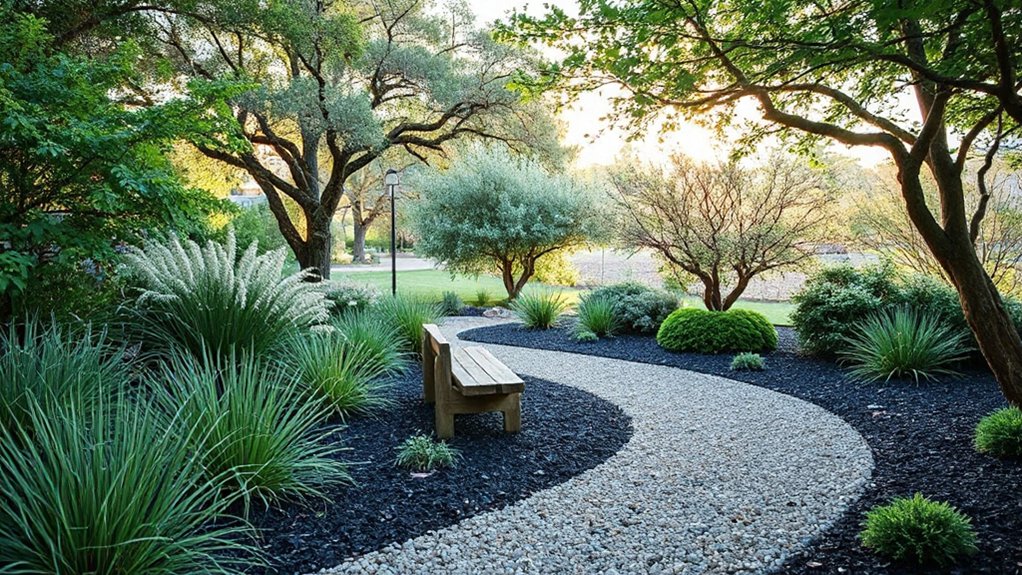
A well-chosen mulch layer reduces weed growth and minimizes moisture loss, giving your beds a head start each season. It also helps regulate soil temperature, so plants establish faster and stay healthier.
We’ll cover effective mulch choices and practical weed-suppression techniques to keep your landscape neat and thriving.
Mulch Layer Benefits
Mulch layers do more than decorate beds—they actively curb weeds and cut moisture loss. You’ll notice healthier roots, fewer drought stress days, and a calmer garden rhythm when you refresh mulch annually.
With the right depth, mulch moderates soil temperature and slows evaporation, helping you conserve water without extra effort. It also enriches the soil as it breaks down, supporting long-term plant vigor.
Use a uniform cover around shrubs and perennials to create cohesive garden art and a polished look for your outdoor space. Pair with subtle outdoor lighting to highlight texture and color without glare.
- Consistent mulch depth across beds
- Organic options that break down gradually
- Stays away from plant crowns to prevent rot
- Mulch around paths for clean edges
- Seasonal top-ups for lasting coverage
Weed Suppression Techniques
Weed suppression starts with smart mulch placement and choosing the right materials to block weeds while preserving soil moisture. You’ll create a uniform barrier that reduces light and slows growth, so your garden stays cleaner with less effort.
Begin by laying a thin fabric layer or cardboard under organic mulch to deter establishing roots. Then cover with 2 to 3 inches of mulch, keeping edges neat against plant stems.
Choose materials that decompose slowly and don’t compact, like shredded hardwood or pine bark.
For flower bed and ornamental grasses, maintain a mulch ring around bases to prevent weed invasion while retaining moisture during dry spells.
Refresh mulch annually and pull any encroaching weeds early. With consistent upkeep, you foster a welcoming space that feels owned and cared for.
Water Wisely: Irrigation That Minimizes Fuss and Waste
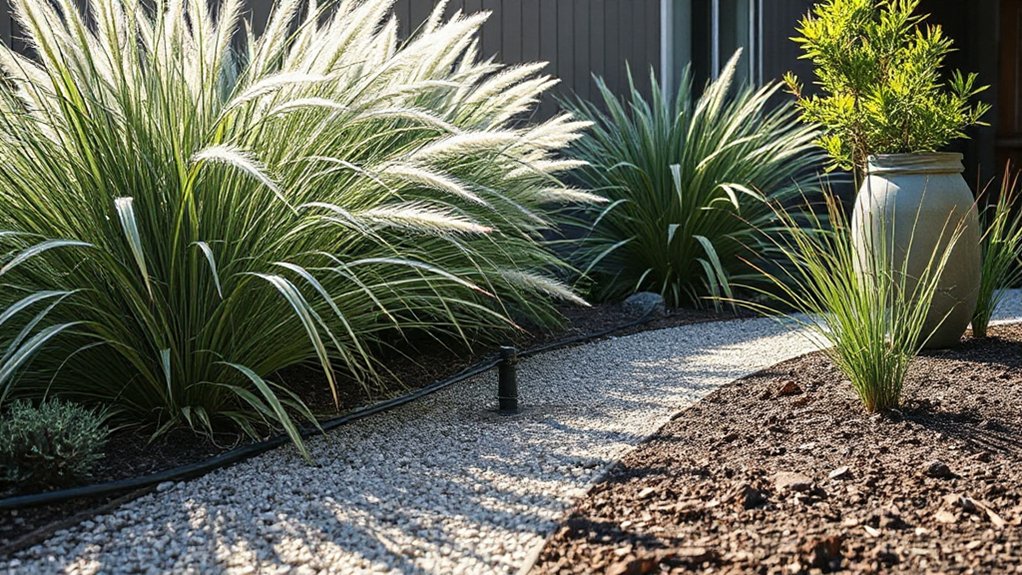
Efficient irrigation starts with a smart plan: know your plants’ water needs, group them by similar requirements, and water deeply but infrequently to encourage deep roots. You’ll save time and water by using efficient tools and sensible scheduling, then watch your landscape thrive with less fuss.
- Rain barrels supply a convenient, cash-smart water source for routine irrigation.
- Drip irrigation delivers targeted moisture with minimal evaporation.
- Mulch helps retain soil moisture and moderates temperature.
- Smart controllers adjust watering based on weather and soil conditions.
- Zoning lets you tailor schedules to plant groups and microclimates.
Together, these practices create a resilient, connected garden where everyone feels involved and cared for. You gain confidence, reduce waste, and keep maintenance light.
Low-Muss Hardscapes That Stay Stylish
Low-muss hardscapes give your outdoor retreat structure without demanding heavy maintenance. You’ll choose materials and layouts that age gracefully, reducing upkeep while enhancing daily living.
Prioritize hardscape durability by selecting permeable pavers, concrete slabs with low-slip finishes, or compacted gravel paths that suppress weed growth and resist weathering. Incorporate practical features like built-in edging, seating nooks, and clean sightlines that guide traffic without crowding spaces.
For lasting appeal, favor stylish stonework that remains cohesive across seasons, using consistent color palettes and textures. Plan patterns that minimize movement and cracking, and seal aggregates only when necessary.
With thoughtful design, your hardscape becomes a quiet backbone—usable year-round, low fuss, and inviting for gatherings, reflection, and everyday belonging.
Groundcovers That Hide Wear and Tear
Dense groundcovers reduce visible wear and protect soil, so you’ll save on maintenance while staying green and tidy. They offer high-durability, low-maintenance traits, keeping paths and collars of beds looking solid with less effort.
Start by choosing dense, resilient varieties that spread quickly to suppress weeds and hide wear from foot traffic.
Dense Groundcover Benefits
Groundcovers that hide wear and tear are a practical defense for busy landscapes: they blanket pathways, slopes, and beds with resilient foliage that conceals footprints, soil erosion, and bare patches. Dense groundcovers boost your space by delivering steady coverage density, reducing maintenance needs while enhancing garden cohesion. You’ll notice fewer gaps and more visual continuity as foliage fills in quickly and stays compact.
Embrace diverse textures and colors for a richer sense of belonging, without sacrificing performance. With the right picks, you create a unified backdrop that withstands foot traffic and weather.
- Quick establishers that tolerate shade and sun
- Low irrigation requirements for drought resilience
- Winter and summer color stability
- Erosion control on slopes and banks
- Habitat-friendly foliage for beneficial pests
Low-Moot Maintenance Traits
When you’re selecting groundcovers to hide wear and tear, prioritize plants that shrug off traffic and recover quickly. Low-maintenance traits mean choosing dense mats, deep-rooting plants, and foliage that won’t scorch in sun or drown in shade.
Look for varieties with vigorous recovery after pruning, minimal dead spots, and steady growth without invasive spread. Favor species that tolerate foot traffic, resist drought once established, and require only occasional edging or trimming.
Pair them with durable edgers and a simple irrigation plan to reduce upkeep. Think garden art as focal points and let outdoor lighting highlight durable textures at night.
With deliberate choices, you craft a cohesive retreat where comfort, belonging, and practicality meet.
Plant for Year-Round Interest With Minimal Care
Planting for year‑round interest means choosing species that look good in every season and require minimal maintenance.
To maximize appeal, you blend structure, texture, and focal points with smart timing for garden sculptures and outdoor lighting. You’ll select plants that hold color or form across cold and heat, then group them by bloom or foliage to simplify care.
Mulch to suppress weeds, drip irrigation to conserve water, and prune strategically to maintain shape without overdoing it. Below are easy, repeatable ideas you can implement now.
- Evergreen backbone for year-round structure
- Perennial bloomers with staggered flowering
- Texture contrasts: grasses and foliage
- Subtle garden sculptures as anchors
- Low-glow outdoor lighting to extend evenings
Low-Water Turf Alternatives That Look Great
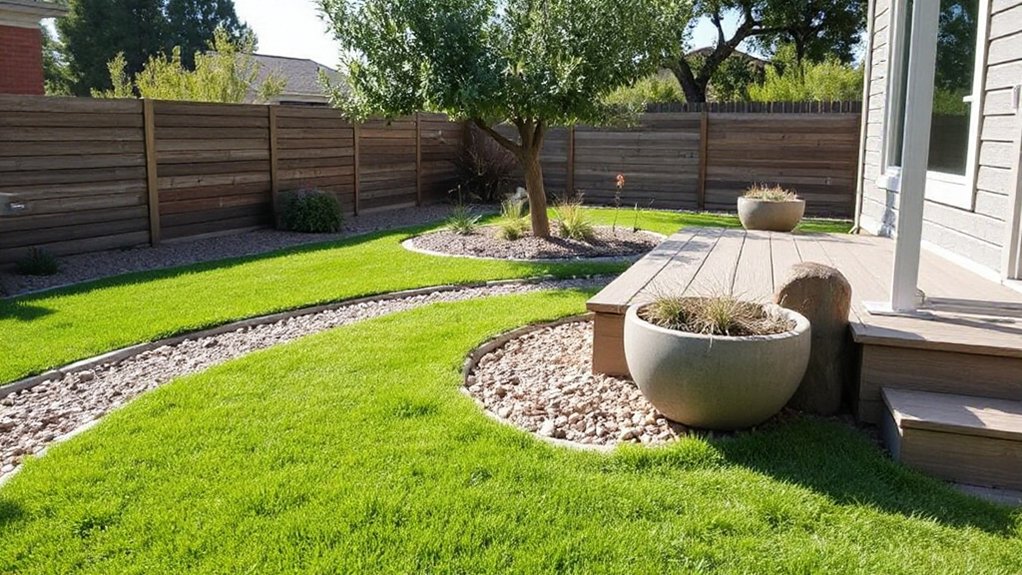
You can start cutting water use today with drought-tolerant groundcovers and other low-water lawn alternatives that still look polished. These options reduce irrigation needs while keeping your yard green and inviting, even in dry spells.
Think about pairing tough groundcovers with smart planting to maintain a cohesive, low-maintenance landscape.
Drought-Tolerant Groundcovers
- succulent arrangements as focal accents
- rock garden edges for structure
- creeping thyme and sedum for scent
- blue fescue for contrast
- creeping jenny for soft spillover
Low-Water Lawn Alternatives
Consider artificial turf for a consistently green appearance with minimal upkeep; it delivers seasonal color without mowing or fertilizing, helping you reclaim time and water.
Pair it with decorative rocks to create texture, contrast, and low-maintenance borders that temper heat and weeds.
For a softer progression, mix narrow strips of drought-tolerant groundcovers or short, hardy grasses that require less water than traditional turf.
Establish smart irrigation, rain barrels, and mulch to reduce evaporation further.
This approach builds a welcoming, belonging-rich outdoor retreat that stays vibrant with less effort.
Weekend-Ready Routines for Consistent Maintenance
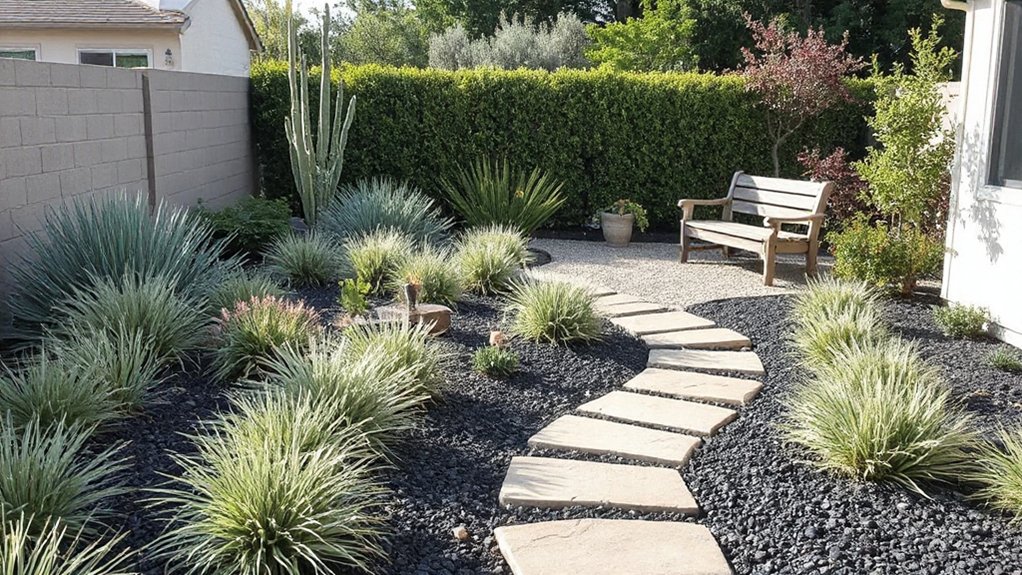
Weekend maintenance shouldn’t feel like a chore. You’ll keep beauty simple with quick, repeatable tasks that fit your schedule and your space. By staying consistent, your garden art and seasonal color stay vibrant without a heavy lift.
- Set a 15-minute weekly sweep: tidy, prune, and edge
- Water deeply, mulch, and check drip lines every two weeks
- Replace a few seasonal color plugs to maintain impact
- Mow high, leave clippings, and inspect perennials for vigor
- Prepare a mini toolbox: gloves, clippers, sprayer, and spare plant tags
These routines foster belonging by turning care into ritual, not burden. You’ll feel confident inviting neighbors over, knowing your landscape is steady, welcoming, and thoughtfully kept.
Design Tricks to Shed Heat and Conserve Moisture
To shed heat and conserve moisture, start with smart shade and efficient layout. You’ll gain comfort and cut upkeep when trees, shrubs, and pergolas cast steady, selective shadows across patios and walkways.
Choose drought-tolerant groundcovers and mulch to lock in soil moisture, reducing watering needs. Group plants with similar water needs, so you can tailor irrigation without overdoing any zone.
Use permeable paths and light-colored surfaces to reflect sun, lowering heat load around seating areas. Install a simple drip system with timers to target root zones, boosting water conservation without waste.
Embrace native species that thrive in your climate, which reinforces heat reduction and resilience. This practical setup invites you to linger outside, confident in a low-maintenance, comfortable retreat.
Budget-Friendly Upgrades That Pay Off Over Time
Smart, budget-aware upgrades can build on the shade- and moisture-saving groundwork you’ve laid, delivering longer-term value without tanking your bank account. You’ll grow a cohesive retreat by choosing affordable, durable improvements that enhance curb appeal and function.
Focus on low-effort wins like garden art accents that reflect your style and boost atmosphere, while staying practical about maintenance. Pair aesthetic choices with pest control measures that don’t rely on harsh chemicals, such as beneficial insects, proper pruning, and mulching. These upgrades compound over time, increasing resilience and reducing future costs.
Plan in phases, track results, and reuse existing elements to reinforce belonging within your outdoor space.
- Garden art placements that unify beds and paths
- Durable mulch and soil amendments
- Native plants for low-water pest resistance
- Simple irrigation tweaks for efficiency
- Quiet, coordinated pest-control strategies
Measure Success and Tweak Your Retreat After the First Season
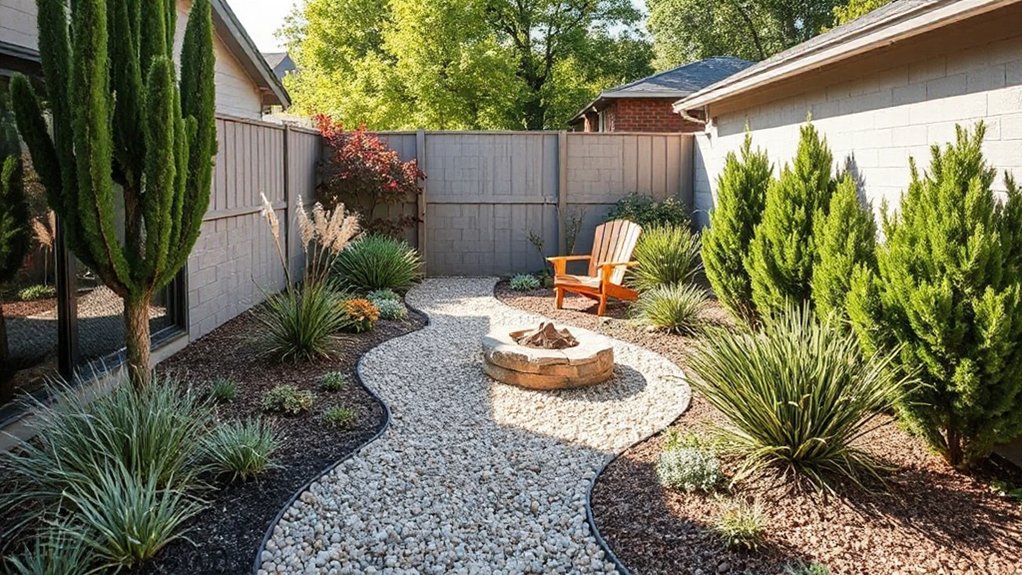
After a season, gather your observations to measure what worked and what didn’t, then use those insights to fine-tune your retreat. You’ll compare growth, maintenance time, and enjoyment, then adjust smartly.
Track plant pruning needs, noting which shrubs thrived with minimal trimming and which require a lighter touch or replacement. Assess soil health, irrigation efficiency, and sun exposure to maximize color and year‑round interest.
When problems appear, address them promptly to protect the sense of belonging you’ve built. Implement pest control strategies that align with your routine and values, choosing proactive, low‑maintenance options where possible.
Adjust planting density and paths for accessibility and flow, ensuring everyone feels welcome to linger. Finish with a clear action plan for the next season.
Frequently Asked Questions
How Long Does It Take to Establish a Low-Maintenance Landscape?
Ever wonder how long it takes to establish a low-maintenance landscape? It typically takes you 1–3 growing seasons to form a stable, thriving bed.
You’ll see xeriscaping benefits and native plant advantages as roots deepen and drought tolerance improves. With steady watering the first year, then reduced irrigation, you’ll build a resilient space you belong to, not labor over.
Stay consistent, mulching helps, and your patience pays off with lasting beauty and ease.
Which Plants Require the Least Pruning and Care?
Low pruning plants and low care shrubs require the least pruning and care. You’ll find vigorous, drought-tolerant varieties that thrive with minimal maintenance, so you stay confident in your landscape.
You can plant them and enjoy steady structure, color, and texture without constant tweaking. Opt for native options when possible, keep edging neat, and water deeply but infrequently.
With these choices, you’ll feel settled, capable, and truly at home in your outdoor space.
How Often Should I Water a Drought-Tolerant Yard?
You should water a drought-tolerant yard about once a week during growing seasons, adjusting for rainfall and heat waves. Set irrigation scheduling to apply deep, infrequent soakings rather than frequent light sprays.
Mulch to reduce evaporation, and group drought resistant plants by water needs. You’ll conserve resources and feel confident, knowing your landscape thrives on smart planning.
Monitor soil moisture, and tweak as rainfall shifts. Your yard, with smart irrigation, becomes both resilient and inviting.
What Are Quick Fixes for Common Weed Problems?
We’ll fix weed problems fast: start by applying mulch alternatives like shredded bark or gravel, then plant weed resistant groundcover to outcompete invasives.
For quick control, pull weeds when the soil is damp and mulch the base to prevent regrowth. Use a pre-emergent if appropriate, and maintain spacing to reduce sunlight.
You’ll feel a sense of belonging as these practical steps quickly transform your space into a tidy, welcoming retreat.
Can I Retrofit an Existing Yard Into a Low-Maintenance Setup?
Yes, you can retrofit your yard into a low-maintenance setup. Start with practical garden design choices that emphasize drought-tolerant plants and mulch paths.
Do thorough soil preparation, testing and amending where needed, so roots establish quickly. Replace high-water grasses with native groundcovers to reduce mowing.
Install permeable, labeled beds and a simple irrigation plan. You’ll feel a sense of belonging as you maintain a resilient, welcoming space that fits your lifestyle.
Conclusion
As you wrap this plan, your outdoor retreat will run smoother than a well-oiled machine. With drought-tolerant plants, smart soil prep, and smart mulching, you’ll slash upkeep and enjoy lush looks year-round. Zone for efficiency, set simple routines, and keep heat and moisture in check with savvy design tricks. Stay budget-smart and tweak after season’s end to keep outcomes sharp. Your low-maintenance paradise is closer than you think—watch it flourish like a sun-kissed miracle.