

Liverpool stays a top rental market because rents stay affordable, yields stay strong, and demand stays steady from universities, a diverse economy, and ongoing regeneration. You’ll see value in areas near campuses, transit, and emerging job hubs, plus durable occupancy driven by robust transport links and lifestyle amenities. Market confidence comes from low vacancy, rising wages, and data-driven pricing. If you keep exploring, you’ll uncover how prime streets and targeted renovations boost returns further.
Why Liverpool Attracts Tenants: Core Market Drivers

Liverpool attracts tenants primarily due to a compelling mix of affordable rents, strong rental yields, and a growing, diverse economy. You’ll notice steady demand driven by first-time buyers shifting to rentals and by professionals drawn to mixed-use neighborhoods anchored by transport links.
Core market drivers include resilient occupancy rates, transparent pricing, and predictable return profiles, all supported by data-backed leasing cycles.
Historical architecture and evolving lifestyle offerings appeal to tenants seeking belonging, quality spaces, and long-term stability.
Cultural festivals amplify demand during peak seasons, sustaining occupancy and driving slight rent lift without sacrificing affordability.
You benefit from a market with visible growth patterns, robust tenant protections, and scalable options across districts, ensuring your portfolio remains diversified, resilient, and aligned with long-term economic fundamentals.
What Makes Rent in Liverpool Affordable and Sticky
Rent in Liverpool stays affordable due to steady rental yields, competitive pricing, and supportive local demand, which keeps vacancy risk low for investors and rents predictable for tenants.
You’ll see affordability anchored by wage growth, housing supply policy, and a mix of affordable and mid-market options that attract steady tenants.
This combination reinforces market stickiness, as reliable rents, tenant retention, and ongoing demand create a resilient rental cycle.
Rent Affordability Drivers
Two key forces keep rents in Liverpool affordable and sticky: steady demand from a diverse workforce and disciplined supply growth that nudges prices upward only as needed. You’ll see affordability emerge where job stability, wage growth, and transport links align with housing supply, creating a predictable rent trajectory.
Market data show steady absorption rates even as new developments enter, keeping occupancy high without overheating prices. Rental regulations shape this balance, limiting speculative spikes while allowing calibrated rent-adjustments that reflect operating costs.
Market saturation in select districts tempers price momentum, guiding investors toward underserved areas and maintaining steady yields. For tenants, ongoing dialogue with landlords and councils sustains a shared sense of belonging, reliability, and predictable housing costs in a dynamic city.
Tenant Attraction Factors
Even with a competitive landscape, tenant attraction in Liverpool hinges on attributes that keep rents affordable and sticky: robust job access, diverse wage growth, and strong transport links that shorten commutes and widen housing options.
You benefit from data-backed trends showing steady employment diversification across sectors, plus rising wages that sustain rental demand without pricing out households.
Central markets cluster near universities and business hubs, while affordable pockets persist in well-connected suburbs.
Historical architecture adds enduring charm, supporting steady occupancy rates and predictable yields.
Coastal attractions boost weekend appeal, extending lease tenure as residents value lifestyle balance.
You’ll see landlords prioritize quality but affordable units, responsive management, and clear communication, aligning with an inclusive, belonging-forward community that sustains long-term tenancy.
Market Stickiness Elements
Market stickiness in Liverpool hinges on affordable rents backed by durable demand signals: steady job access across diverse sectors, wages that outpace inflation, and transport links that shorten commutes and expand viable housing options.
You’ll see a resilient core where affordability anchors renter turnover, while continued demand from students, professionals, and families sustains occupancy. This mix keeps rents competitive without sacrificing margins for landlords and managers.
Luxury amenities add value without inflating core costs, attracting long-term residents who value community and continuity.
Effective property management translates demand into reliability, turning vacancies into measured, minimal downtime.
Data shows steady occupancy, low churn, and predictable cap rates, reinforcing confidence in a market that rewards patient investment.
In this climate, you belong, grow, and invest with clarity.
How Universities Create Demand in Liverpool’s Rental Market
Universities directly drive Liverpool’s rental demand by drawing thousands of students each year who need off-campus housing, translating into steady occupancy and predictable turnover for landlords. You’ll see predictable seasonality as intakes align with term dates, enabling steady cash flow and informed pricing strategies.
Data shows campuses concentrate demand near historic neighborhoods, where accessible transit and rental options meet student schedules. Historical architecture adds character that tenants value, reducing vacancy risk and supporting premium rents without sacrificing fill rates.
Cultural festivals further amplify visibility, creating spillover demand from visiting families and staff during peak periods.
You benefit from a diversified mix of short- and mid-term leases, enabling flexible occupancy planning, risk mitigation, and a baseline of reliable income aligned with Liverpool’s growing student population.
Where Student Demand Is Strongest Across Liverpool Streets

You’ll want to focus on the streets where student demand clusters, using recent occupancy and rental-rate data to map hotspots. The Liverpool Streets Pulse highlights which corridors consistently outperform in occupancy and turnover, helping you target high-prospect areas.
With a data-driven lens, you’ll align property features and pricing to the strongest demand pockets for smarter inventory decisions.
Student Demand Hotspots
Student demand in Liverpool is strongest where universities, halls of residence, and transport links converge, with the brightest hotspots aligned to campus clusters and affordable commutable neighborhoods. You’ll see demand concentrated around Liverpool John Moores, the University of Liverpool, and nearby rail and bus corridors.
This creates measurable price differentials between core campus zones and peripheral areas. Data shows higher occupancy rates, shorter vacancy cycles, and steadier rent growth in these pockets, driven by student lifestyle preferences and reliable leasing cadence.
For landlords and agents, this means prioritizing assets within 15–25 minutes of campus access points, with flexible furnishing and inclusive amenities to boost retention. Rental pricing remains competitive in these hotspots, reflecting sustained demand without sacrificing long-term occupancy.
Liverpool Streets Pulse
Liverpool streets are where demand concentrates most, especially along corridors that couple campus clusters with transit hubs and dense housing stock. You’ll see how student preference maps onto these arteries, with recent data showing higher vacancy turnover near universities, museums, and public transport, all threaded by a vibrant cultural beat.
Historical architecture and Cultural festivals fuel repeated renewals, turning neighborhoods into magnet hubs. Your strategy should align lease terms with semester cycles, yield-driven pricing, and tailored amenities that speak to belonging.
- Corridor A: students and professionals converge near galleries and cafes
- Corridor B: transit-adjacent blocks with high year-round occupancy
- Corridor C: historic facades, student-friendly leases, compact units
- Corridor D: festival-season demand spikes, flexible leases
- Corridor E: family-friendly pockets blending history and nightlife
Liverpool’s Emerging Job Hubs: Impacts on Rents

Liverpool’s emerging job hubs are reshaping rents as demand concentrates around thriving tech, healthcare, and logistics corridors. As employers ramp up hiring, tenants gravitate to affordable, accessible neighborhoods with strong transport links, pushing up occupancy and price growth in those areas.
You’re not just moving; you’re aligning with a data-driven trend where vacancy dips meet new openings, and rents track the cadence of demand. In practice, areas near these hubs show higher take-up rates, shorter lease cycles, and steadier price appreciation, even as overall market volatility remains contained.
You’ll find pockets where Historical architecture blends with modern upgrades, while Cultural festivals anchor neighborhoods, enhancing appeal for prospective renters seeking belonging and long-term value. This is market-smart, client-focused momentum.
Transport Links That Keep Rents Steady and Accessible
Thanks to a dense, well-planned transport grid, rents stay steady and accessible even as demand shifts.
You’ll see how transit reliability, affordable routes, and frequent services reduce volatility, supporting steady occupancy and predictable yields. The numbers show lower vacancy spikes when lines expand, keeping rents competitive without overshoot.
Market saturation tends to normalize around core corridors, while outlying zones lag, guiding prudent pricing decisions. Rental regulations encourage responsible building and maintenance, safeguarding value for you and tenants.
With data-driven planning, you’re better positioned to balance yield with tenant satisfaction, fostering belonging without overpricing. Here’s what to contemplate:
- Core corridor demand and price stability
- Peak-hour accessibility and occupancy rates
- Regulation-driven value preservation
- Transit investment timelines and lease planning
- Tenant-centric service levels and retention
The Right Property Mix: What Tenants Actually Want
Across rental markets, tenants increasingly prioritize a balanced property mix that balances practicality with lifestyle perks. You’ll notice demand concentrates on flexible layouts, modern kitchens, and reliable connectivity, all contributing to daily ease.
Data shows tenants favor properties that couple efficient space with room to unwind, so you’ll win with design that supports work-from-home needs and family life.
Luxury amenities matter, but they’re most effective when paired with solid fundamentals: secure entry, good insulation, ample storage, and responsive maintenance.
Outdoor spaces become decision drivers, offering private or communal options is key for social moments and mental well-being.
In Liverpool, a balanced portfolio—compact units for singles, adaptable floorplans for couples, and family-friendly options—translates into higher occupancy and longer tenancies.
Your property mix should reflect these precise preferences.
Liverpool Neighborhoods With the Best Rental Momentum

Liverpool’s strongest rental momentum is shaping where you should look next, with emerging corridors fueling higher demand and faster rent growth.
You’ll see tenant demand driven by accessibility, amenities, and scale of investment, as buyers and renters chase where value compounds first.
This momentum is grounded in data, reflecting ongoing investment activity and shifting neighborhood dynamics you can leverage for smarter acquisitions and leases.
Emerging Rental Corridors
- Strongest performing pockets: rent growth outpaces city average, indicating sustainable demand
- Occupancy trends: higher fill rates, shorter vacancy periods, faster turnover
- New listings signals: more flexible housing supply aligning with renter needs
- Community engagement: local initiatives lift visibility and resident retention
- Property aesthetics: modern updates and curb appeal drive value and perception
You’ll see these corridors convert data into opportunity: accessible pricing, consistent demand, and measurable outcomes.
By prioritizing vibrant streetscapes, walkability, and responsive management, you secure space where neighbors feel they belong.
Data-backed momentum means smarter investments, predictable returns, and a rental experience that resonates with tenants seeking belonging and stability.
Tenant Demand Drivers
Tenant demand in Liverpool is driven by a blend of affordability, job access, and lifestyle appeal in the neighborhoods with the strongest momentum. When rents stay aligned with local earning power, occupancy stays high and turnover stays lean.
You’ll notice demand concentrates where transit, universities, and services cluster, signaling durable occupancy even as markets tighten. In these corridors, landlord oversight and rental regulations shape expectations without stalling growth, promoting sustainable rent trajectories and predictable cash flow.
Market saturation indicators show balanced supply against robust renter interest, with new-builds meeting but not oversupplying demand. This clarity helps you position properties to capture momentum, attract reliable tenants, and maintain community cohesion.
Your strategy should emphasize value, accessibility, and compliant practices to sustain long-term appeal.
Area Investment Momentum
Even as overall markets shift, certain Liverpool neighborhoods stand out for sustained rental upside, driven by above-average demand, local employer clusters, and targeted infrastructure investments. You’ll see momentum where investment aligns with historic streetscapes and vibrant culture, including Historical architecture and Cultural festivals that attract residents and visitors alike.
Data shows rental turnover in these areas remains high, with steady occupancy and upside rent growth supported by new transit, student housing, and mixed-use developments.
- Neighborhoods near universities and tech employers
- Transit-oriented upgrades boosting accessibility
- Projects preserving Historical architecture while adding modern amenities
- Local cultural festivals powering short-term rental demand
- Mixed-use hubs enhancing daytime amenities and nighttime appeal
Returning Renters: Renewal Rates and Loyalty Economics
Returning renters are the backbone of the market’s stability and profitability; renewal rates signal loyalty, predict cash flow, and reduce vacancy risk. In Liverpool, strong renewal dynamics reflect tenant satisfaction, predictable occupancy, and steady revenue streams.
You’ll see data showing higher tenure correlates with lower marketing costs and improved asset performance, especially when rental policies balance flexibility with predictability. Lease agreements that transparently outline renewals, incentives, and notice periods foster trust and lower churn.
Proven models indicate modest rent-step escalators tied to market benchmarks sustain profitability without deterring renewals. For lenders and owners, retention equals asset quality and refinancing strength.
As a client-focused approach, emphasize clear renewal paths, timely communication, and policy consistency to cultivate belonging and long-term commitment.
Typical Yields by Area: Cash Flow in Liverpool
Across Liverpool’s neighborhoods, cash flow hinges on area-specific yields, rent growth, and operating costs. You’ll see how yields vary by district, shaping your cash-on-cash return, occupancy, and risk tolerance.
In market-wide terms, tighter areas with strong demand push higher yields when setups are efficient and amenities align with renter preferences, including luxury amenities. Yet, beware of market saturation in common hubs—it can compress upside, even for quality assets.
Your due diligence should compare gross-to-net figures, vacancy, and management costs, then map them to your portfolio goals.
- Area yield snapshots and standout performers
- Impact of rent growth on cash flow
- Operating costs and management efficiency
- Luxury amenities as value drivers
- Market saturation and diversification strategies
Regulations and Market Clarity for Landlords in Liverpool

Liverpool’s landlord landscape is increasingly clear-cut: evolving regulations, transparent rental data, and robust enforcement create a predictable operating environment for you. You’ll benefit from clearer licensing rules, standardized compliance metrics, and accessible enforcement timelines, reducing guesswork and risk.
Data-driven dashboards offer real-time insights into occupancy, rent trends, and default rates, enhancing your decision precision. Market transparency means you can benchmark against peers, align rent with demand, and optimize portfolio mix with confidence.
Regulatory uncertainty is shrinking as authorities publish guidance and consolidated standards, helping you plan ahead and avoid costly missteps. In this climate, you attract quality tenants, enjoy smoother renewals, and preserve long-term value, reinforcing a sense of belonging within a professional, supportive landlord community.
Short-Term vs Long-Term Rent Dynamics in Liverpool
Short-term rental demand in Liverpool often outpaces supply during peak seasons, but long-term leases deliver steadier occupancy and predictable cash flow, making both models worth weighing. You’ll see how luxury apartments fit into fluctuating markets, with short term trends shaping pricing, turnover, and guest experience, while long-term contracts anchor stability and recurring income.
- Demand signals: occupancy, ADR, and seasonal peaks for luxury units
- Pricing strategy: dynamic short-term rates vs. fixed long-term yields
- Tenant mix: tourists, corporate clients, and local professionals seeking belonging
- Risk management: vacancy gaps, renewal likelihood, and contract protections
- Portfolio balance: diversification across short and long horizons for resilience
Renovation ROI: Upgrades That Pay Off in Liverpool
In Liverpool, you’ll see ROI from upgrades materialize quickly when you choose market-driven renovations that appeal to renters’ priorities. Prioritize quick-capital improvements—modern kitchens, refreshed bathrooms, and durable finishes—that align with current demand and rental comps.
We’ll quantify impact with data-driven benchmarks to show how each upgrade translates into higher rents, lower vacancy, and stronger resale potential.
ROI From Upgrades
Investing in targeted renovations yields measurable ROI in Liverpool’s rental market, where well-chosen upgrades boost rents and appeal more than cosmetic perimeters alone. You’ll see data-driven gains when you align finishes with tenant preferences and neighborhood dynamics, including luxury amenities and historic preservation that resonate with renters seeking belonging.
- Prioritize kitchens and baths with durable finishes and energy efficiency
- Embrace tasteful, period-sensitive updates that respect historic preservation
- Add smart controls and efficient systems to reduce operating costs
- Focus on curb appeal and layout optimization for long-term demand
- Benchmark upgrades against adjacent markets to time rent growth
These moves translate into higher rents, shorter vacancy, and proven market resilience. Your strategy should be precise, measurable, and tenant-centric to sustain value.
Quick-Capital Improvements
Short, high-impact improvements can deliver immediate ROI in Liverpool’s rental market, especially when you target fixes that tenants notice and feel. You’ll prioritize quick-capital upgrades that deliver tangible appeal without overbuilding.
Historical trends show predictable bumps from fresh paint, modern fixtures, and refreshed flooring, so you can time purchases to align with seasonal demand.
Market fluctuations suggest lean investments in kitchens and bathrooms pay off quickly, driven by tenant expectations and turnover costs.
You’ll track cost-per-point-of-appeal, not just total spend, ensuring rapid payback.
By adopting a data-driven approach, you speak to renters’ sense of belonging—bright cabinets, durable counters, and cohesive finishes signal value.
This focused path supports steady occupancy, resilient rents, and trusted landlord-tenant relationships.
Market-Driven Renovations
- Align upgrades with market segmentation to maximize appeal
- Invest in durable, high-ROI finishes that endure tenant turnover
- Prioritize energy efficiency for lower operating costs
- Highlight luxury upgrades that differentiate your property
- Track metrics to refine future renovations and pricing strategies
Tenant Priorities Today: Safety, Amenities, Community
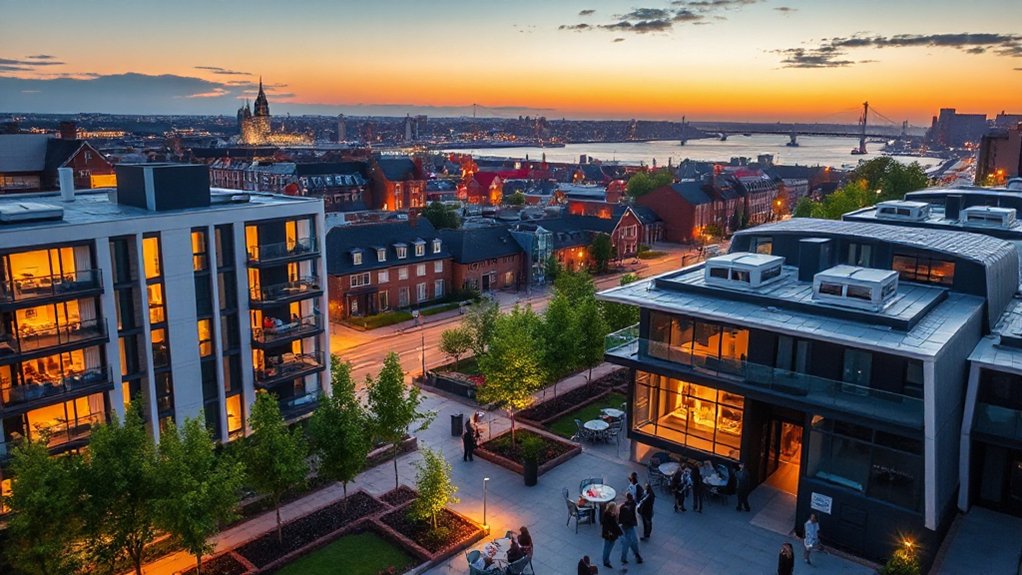
Tenant priorities today center on safety, amenities, and community, and the data confirms why these factors drive rental decisions in Liverpool’s market. You seek homes where strong security, well-lit corridors, and trusted management reduce risk and increase daily comfort.
Amenity-rich buildings outperform peers in lease renewals, with efficient HVAC, quiet workspaces, and accessible outdoor spaces boosting appeal. Community features—shared lounges, frequent socials, and responsive on-site teams—create belonging and lower turnover.
Beyond basics, residents value fit with Liverpool’s culture: architectural charm from Historical architecture, and easy access to Local cuisine, shaping location choice.
In practice, this means developers should package safety, standout amenities, and a welcoming milieu when marketing, pricing, and planning for sustained demand.
Vacancy Rates and Occupancy Trends: Reading the Signals
Vacancy rates in Liverpool are signaling a steady demand floor even as new supply comes online, with occupancy trends pointing to a balance between homes that move quickly and markets where renter churn remains contained.
You’ll see vacancy trends tightening where quality meets affordability, while occupancy signals confirm durable demand in core neighborhoods. Data shows shorter listing windows paired with sustained rental velocity, suggesting confidence among renters and investors alike.
- Tightening vacancies in sought-after areas
- Quick-turn listings meeting steady demand
- Occupancy signals pointing to durable rents
- Seasonal shifts absorbed without price spikes
- Streamlined turnover reinforcing market resilience
Financing and Incentives for Liverpool Investors
Financing for Liverpool investments is evolving quickly, with favorable lender terms and targeted incentives shaping actionable opportunity. You’ll see lower deposit thresholds, flexible amortization, and competitive interest rates anchored by robust rental fundamentals.
Market access is widening through government-backed programs and lender pilots designed for value-added portfolios, especially in growing districts. You’ll profit from incentives tied to energy efficiency, retrofit grants, and green initiatives that offset capex and enhance long-term yield.
Luxury amenities are increasingly a differentiator, supporting premium rent bands and shorter vacancy windows. Data shows steady rent growth alongside stable occupancy, reinforcing lending confidence.
You’ll leverage market data, align with sustainable upgrades, and deploy capital where demand concentrates around transport hubs, universities, and redevelopment zones, fostering belonging and steady cash flow.
Case Studies: Prime Streets Delivering Solid Returns
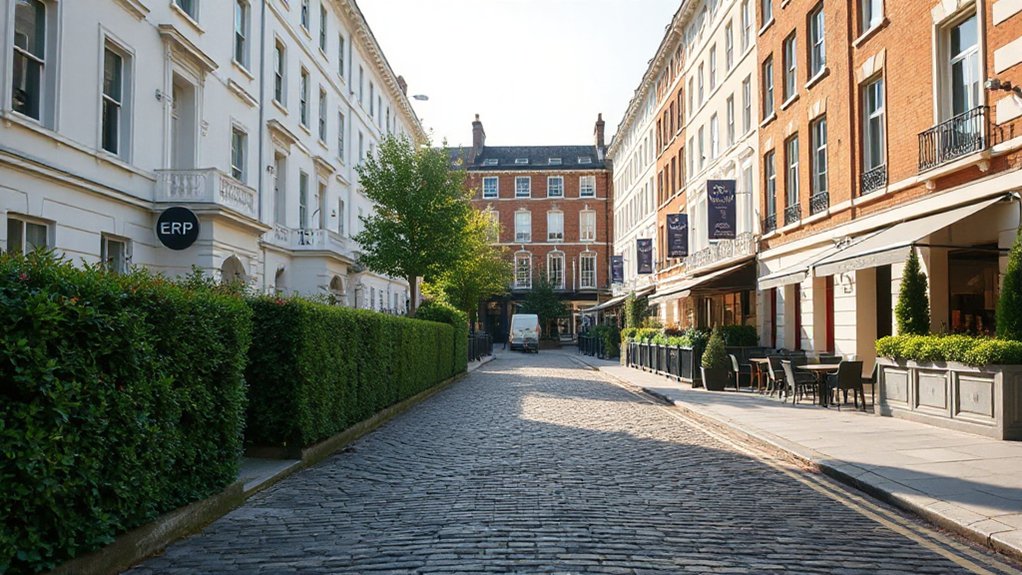
You’ll see how Prime Street Returns stack up across neighborhoods, with clear cash-flow signals on each road.
Our data shows demand-driven rentals stay resilient even as rents shift, redefining value on these corridors.
Let’s compare performance patterns so you can identify where solid, predictable yields live.
Prime Street Returns
Prime Streets are proving their mettle again, with case studies showing steady, above-market returns driven by footfall, durable rents, and selective leasing strategies. You’ll see how strong tenancy stability and active placemaking lift value on premiere corridors, even in slower months.
Data points highlight occupancy staying high, rent collections strong, and tenant mix refining demand. Historical architecture and thoughtfully integrated green spaces boost appeal, supporting premium pricing without sacrificing accessibility.
Community-centric events and targeted branding convert casual passersby into loyal customers, delivering predictable cash flow. Below are key takeaways to guide your decision.
- Consistent footfall metrics validate elevated rents
- Durable tenant stability lowers vacancy risk
- Prime branding enhances shopper conversion
- Historical architecture and green spaces attract premium tenants
- Strategic leasings optimize dwell time and spend
Cash-Flow on Roads
Case studies across Liverpool’s waterfront developments confirm that pedestrians, parking, and public realm improvements boost spend per visitor, anchoring rents and driving reliability.
Historical architecture provides unique character, enabling premium asking rents without sacrificing occupancy, while modern refurbishments keep properties relevant in a competitive market.
You’ll notice that precise capitalization rates rise where developers couple heritage charm with contemporary amenities, creating durable demand.
In short, disciplined leasing paired with placemaking on iconic corridors translates into predictable, growing returns for investors seeking belonging in a thriving, connected city.
Demand-Driven Rentals
- Prime street performance: occupancy and rent growth align with footfall
- Unit design: luxury apartments meet demand for quality and status
- Access and transit: quick commutes boost turnover and desirability
- Green spaces: pocket parks enhance appeal and occupancy stability
- Community feel: mixed-use vibrancy nurtures belonging and retention
Case-study insight shows disciplined pricing, targeted amenities, and scalable layouts drive consistent returns for investors who prioritize place and people.
Future-Proofing Your Liverpool Rental Strategy
To future-proof your Liverpool rental strategy, start with a clear market read and proactive risk controls: track occupancy trends, rent growth, and new supply across neighborhoods. Then align pricing, financing, and maintenance plans to those dynamics. You’ll translate data into actionable playbooks that reduce vacancy and optimize yield.
Ground decisions in historical architecture and green spaces, recognizing how heritage appeal and park access boost demand in sustainable pockets. Prioritize diversified portfolios that hedge against cycles: mix compact flats near transit with larger units in leafy districts, and calibrate leases to reflect seasonality.
Maintain transparent communication with tenants to foster belonging, while investing in resilient systems, energy efficiency, and prompt maintenance. This data-driven, client-focused approach keeps you prepared for evolving regulations, demographics, and market rhythms.
Frequently Asked Questions
How Do Seasonality and Academic Calendars Affect Rents in Liverpool?
Seasonal patterns raise rents during peak student moves and term-time demand, while summer tourist influx nudges prices briefly. You’ll notice higher rates around exams and holidays, reflecting Student housing needs and Tourist influx shaping Liverpool’s rental market dynamics.
Which Street-Level Factors Predict Shifts in Occupancy?
Neighborhood demographics and transportation accessibility shape occupancy shifts; you’ll notice street-level gaps, walkability, or bus routes subtly nudging demand. You’re guided by data, tailoring strategy to belonging, performance, and predictable occupancy patterns.
What Unseen Costs Impact Net Yield for Liverpool Rentals?
Unseen costs that impact net yield include property management and maintenance costs, which you must budget for alongside vacancies. You’ll optimize returns by tracking data, negotiating fees, and prioritizing efficient, proactive upkeep to sustain long-term rentability.
How Do Visa and Immigration Policies Influence Demand Stability?
Visa regulations and immigration policies influence demand stability by shaping long-term renter pools, loan approvals, and relocation timing, so you can anticipate cohort shifts, adjust pricing, and capture consistent occupancy in Liverpool’s rental market.
What Macroeconomic Risks Could Disrupt Liverpool Rental Growth?
Economic downturns and employment fluctuations could disrupt Liverpool rental growth. You’ll feel the tension as demand shifts; yet data shows resilience, cautious tenants, and strategic pricing, helping you navigate risks while sustaining consistent occupancy and returns for a sense of belonging.
Conclusion
Liverpool remains a top rental market because demand outpaces supply, driven by universities, steady employment hubs, and affordable rents that keep occupancy high. You’ll see rents creep up where student demand clusters, while stable occupancy locks in cash flow. An anecdote: a landlord sold a single-family near campuses for a 6% cap, then recalibrated to multiple small units and doubled cash yield. In short, data-backed strategy, selective streets, and timing win the long game.