
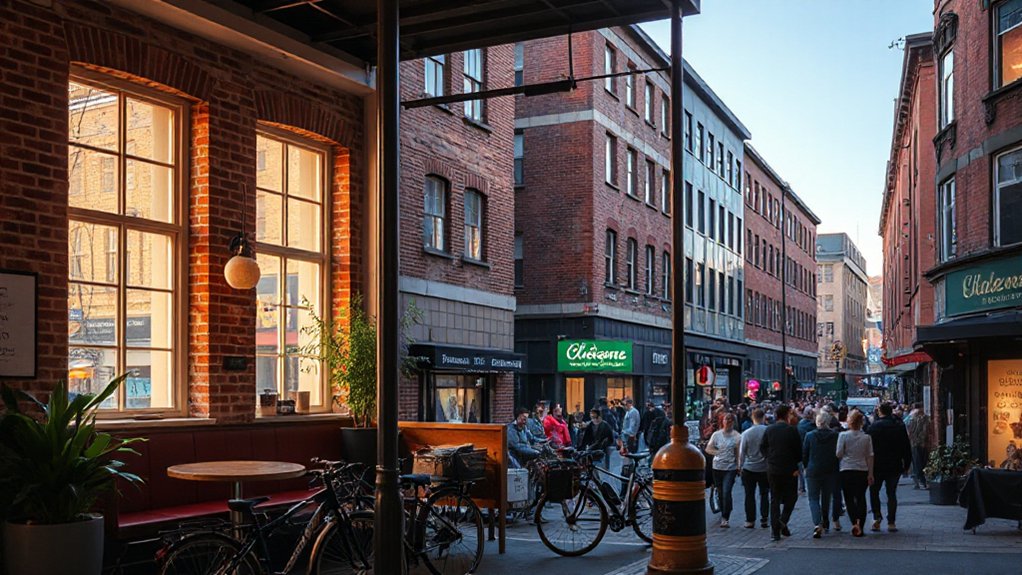
Manchester stands out for young renters thanks to affordable rents, strong transport links, and a thriving cultural scene. You’ll find transparent listings and flexible leases, with central rents around £800–£1,100 and outer areas £600–£800, plus predictable bills and reliable transit. The city supports campus access, coworking spaces, and startup vibes, while neighborhoods like Chorlton, Ancoats, and Bolton offer balance of safety, green spaces, and nightlife. Ready to explore where you fit best? More details await.
Moving to Manchester as a Young Renter: Your Essential Starter Guide

Moving to Manchester as a young renter means you’ll benefit from a robust rental market, affordable options in several neighborhoods, and a growing array of student and professional hubs. You’ll find transparent listings, clear lease terms, and predictable renewal patterns supported by local enforcement.
The city’s mix of periods and districts offers practical options for first-time renters and veterans alike, with price bands that scale by proximity to campuses and transit corridors. Historical landmarks anchor your weekends, while local festivals punctuate the calendar with affordable, community-centered events.
You’ll access amenities, social networks, and services that reinforce belonging without sacrificing efficiency. Data-driven planning helps you compare options, forecast costs, and secure a convenient, comfortable start in Manchester.
How to Decide Where to Live: Budget, Commute, and Campus Proximity
To decide where to live in Manchester, start with three core filters: budget, commute, and campus proximity. You’ll map your income to rent ranges, then compare transit times from preferred neighborhoods to your campus and workplace, using objective thresholds like under 40 minutes door-to-door.
Prioritize areas with reliable services, safety data, and social fit, so you feel you belong from day one. Assess lifestyle flexibility by noting which buildings offer flexible leases, furnished options, and adaptable amenities for study or part-time work.
When you find a promising unit, plan your rental negotiation strategy: know market rates, ask for inclusive pricing, request move-in perks, and document maintenance timelines.
This disciplined approach secures value, reduces stress, and keeps your Manchester experience focused and rewarding.
Manchester Living Costs: Rent, Bills, and Transport
In Manchester, rent levels are a key driver for budgeting, with recent data showing steady variation by area and property type.
Utilities and bills are rising as a factor alongside rent, so I’ll outline current outlays and projected trends to help you plan.
Finally, transport costs—seasonal fares, peak-hour pricing, and flexible commuting options—shape total costs of living and deserve close scrutiny.
Rent Levels in Manchester
Rent in Manchester sits at a practical midpoint among UK cities, with typical monthly rents for a single-bedroom apartment ranging around £800–£1,100 in central areas and dipping to £600–£800 in outer districts.
You’ll notice rent levels align with locality, transport access, and lifestyle clusters, shaping a clear skyline of options.
Data show steady year‑on‑year growth, but absolute increases remain moderate, supporting healthy affordability insights for new arrivals.
In central zones, you gain proximity to work and culture, while outer districts offer value and room to grow.
Overall, Manchester presents a balanced picture: strong demand, sensible pricing progress, and continued potential for negotiation with landlords who value stable tenancies.
This creates confident rent trends you can navigate without overspending.
Utilities and Bills Outlook
What’ll your monthly bills look like in Manchester, given steady price pressures and pragmatic consumer choices? You’ll notice stable energy tariffs and clearer price signals when you pursue utilities management strategies. The current landscape favors fixed, transparent plans and smarter usage, reducing variability in electricity and gas costs.
Water and waste charges remain modest, with seasonal adjustments tied to consumption rather than flat-rate surprises. Billing transparency helps you compare providers and avoid overcharges, ultimately lowering anxiety around monthly statements.
Transit-related costs are predictable if you blend peak-hour commuting with off-peak options and rail discounts. By prioritizing efficiency, monitoring usage, and negotiating terms, you sustain affordability while enjoying modern amenities and a connected, community-minded lifestyle in Manchester.
Budgeting for Rent: A Simple Manchester Monthly Plan
Craft a practical monthly plan to budget rent in Manchester by anchoring your expenses to a clear allocation: target housing costs at no more than 30% of take-home pay, then map other essentials and savings. You’ll base decisions on data: average rents, income bands, and utility trends, enabling confident budget planning and informed rental negotiation.
This framework keeps you oriented toward belonging, not deprivation, while preserving flexibility for surprises.
- Allocate housing first, then assign fixed costs (utilities, transport) and discretionary spending.
- Build a 3‑month review cycle to adjust for seasonal rent shifts and income changes.
- Set aside a dedicated savings target monthly, even if small.
- Track actuals against plan with a simple worksheet.
Stay disciplined, stay informed, and negotiate from a position of data.
Best Neighborhoods Gaining Momentum for Young Renters
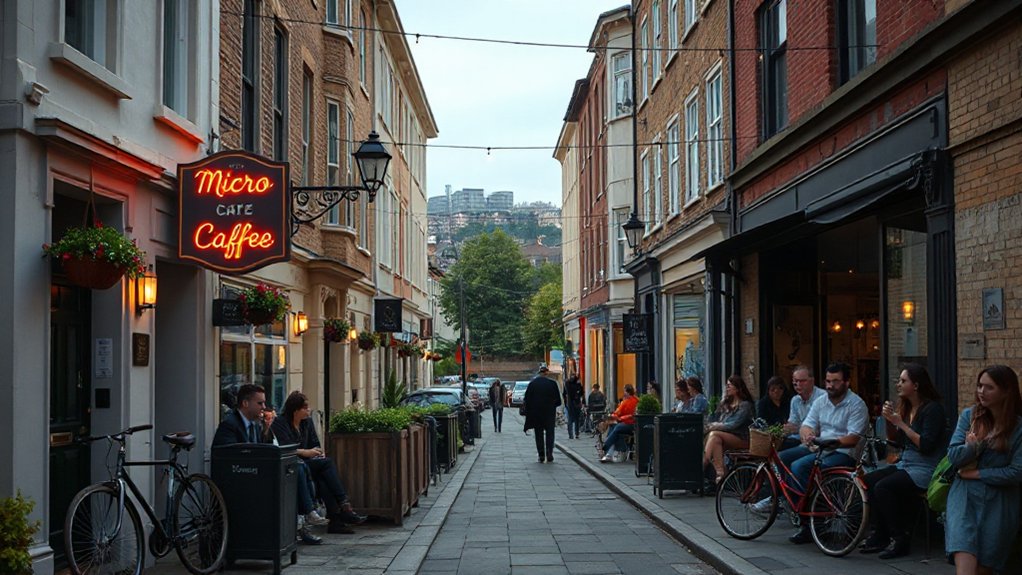
Across Manchester’s rental map, several neighborhoods are gaining momentum for young renters due to a mix of affordability, walkability, and rising amenities. Bolton, Chorlton, and Ancoats stand out as near-term leaders.
You’ll find improving stock with pet friendly apartments and tiered rental rates that reward early movers.
Bolton offers convenient transit links and evolving nightlife, pairing lower rents with expanding local services.
Chorlton blends village-like charm with accessible green spaces, boosting daily living value without sacrificing proximity to major centers.
Ancoats continues its transformation, delivering luxury amenities and modern builds that attract young professionals seeking community and efficiency.
Data shows increasing occupancy, steady demand, and consistent price momentum across these districts, signaling sustained momentum for renters prioritizing belonging and smart choice.
How to Evaluate Rentals: Must-Knows for Young Renters
To evaluate rentals effectively, start with the numbers that matter for young renters: total cost of living, location value, and lease terms. You’ll weigh upfront rent, utilities, and deposit against your budget, then assess neighborhood safety, transit access, and amenities.
A clear view of lease terms helps you dodge hidden obligations and penalties, while rental inspections reveal unit condition and maintenance reliability. Use data to guide decisions, not emotions.
- Compare total monthly costs across options, including utilities and bills.
- Assess location value by commute times, walkability, and safety metrics.
- Scrutinize lease terms for duration, renewal, and penalties.
- Plan for negotiations on rent, repairs, and included services.
House Sharing and Micro-Flats: Flexible Living Options
You’ll see that flexible shared living and micro-flats are shaping affordable options for young renters in Manchester. Data show lower monthly costs and quicker leases.
With private space preserved in compact, efficiently designed units. This trend supports customizable living arrangements without sacrificing convenience or community access.
Flexible Shared Living
- Shared amenities drive value, reducing individual burdens and fostering community.
- Flexible leases support career changes and campus shifts.
- Coordinated utilities and services lower admin time and fees.
- Community-centric layouts enhance collaboration without sacrificing privacy.
Micro-Flat Affordability Options
Micro-flat affordability hinges on two complementary models: house sharing and micro-flats with flexible terms. You’ll see that shared housing reduces per-person costs through collective utilities, kitchen access, and shorter lease commitments.
While micro-flats offer scalable options with portable furniture, month-to-month flexibility, and adjustable room counts. Data show Manchester’s rental market favors tenants who negotiate upfront, balancing rent with included bills and amenities.
In practice, micro-flat affordability emerges when you secure transparent agreements, clear maintenance responsibilities, and predictable service charges. Rental negotiation becomes a core skill: you request itemized bills, confirm renewal terms, and verify notice periods to avoid penalties.
This approach supports belonging by aligning cost, space, and social needs, enabling steady housing stability while you pursue work, study, and community networks.
Manchester Housing Options for Students and Early‑Career Pros
Finding the right housing in Manchester hinges on your student status or early-career stage: students typically prioritize proximity to campuses and affordable options, while early-career professionals seek reliable leases, good transport links, and a balance of cost and quality.
You can compare options by type, security, and tenure, then align with your budget and routines. This data-driven approach helps you choose confidently, fostering a sense of belonging as you settle in.
- Student housing often emphasizes location near universities, flexible leases, and on-site amenities.
- Early career options prioritize lease reliability, accessible transport, and predictable costs.
- Price-to-value metrics guide decisions, balancing rent, utilities, and proximity.
- Review neighborhood profiles for safety, services, and community fit.
Finding a Home Near Universities: Proximity and Access
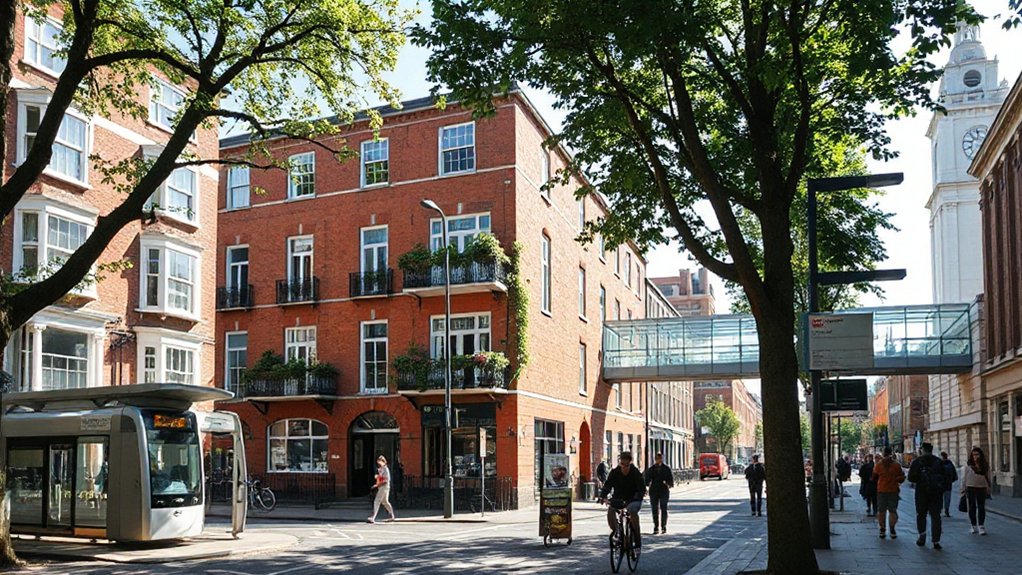
You’ll want to weigh Proximity To Campus, as shorter commutes correlate with higher study time and lower costs.
Transit Access Options shape daily routines, with frequent bus and tram routes reducing wait times and crowding.
Look for Student-Oriented Neighborhoods that mix affordable rents, social amenities, and campus-led services to optimize access and experience.
Proximity To Campus
Is proximity to campus a deciding factor for you when choosing where to live? You’re not alone—data shows campus proximity directly correlates with longer tenures and higher student satisfaction. You’ll save time, reduce transport stress, and access campus services more reliably, making student housing feel like a belonging hub rather than a transit point.
- Campus proximity shortens commute times, boosting study and social consistency.
- On-site or nearby housing often includes tailored amenities for students.
- Shorter paths to libraries, gyms, and campus events increase daily engagement.
- Proximity boosts safety perception, with well-lit routes and access to campus security.
Consider layouts near residence halls, academic buildings, and student centers to optimize your living experience.
Transit Access Options
Data shows high campus-to-dorm connectivity and strong route coverage near university districts, making spontaneous study sessions and group projects feasible. You’ll benefit from clear timetables, real-time updates, and safe late-evening options, enhancing your sense of belonging within the student community.
Commuting tips: plan ahead with your transit app, consider multi-modal passes, and choose housing within a short walk or bike ride to transit hubs. These tools improve reliability, reduce stress, and keep you focused on academics and social life.
Student-Oriented Neighborhoods
Nearby universities shape where students live, and Manchester’s neighborhoods are designed to match student routines and budgets. You’ll notice clusterings near campuses that shorten commutes, boost study time, and preserve social life.
Data shows higher rent-to-distance efficiency in these zones, with plentiful shared spaces and reliable transit links. Neighborhood amenities support concise living: grocery co-ops, affordable cafés, and study lounges.
Local events foster belonging through regular meetups, student markets, and cross-campus activities, creating predictable social capital.
- Proximity to campuses and transit access
- Affordable, mixed-use housing with common areas
- Regular neighborhood amenities that support study-life balance
- Active calendar of local events reinforcing belonging
Internet, Connectivity, and Reliable Coworking for Remote Work
Manchester delivers strong internet reliability and abundant coworking options for remote work. You’ll find robust internet infrastructure across key districts, with fiber and high-speed wireless access that support daily tasks, video calls, and large file transfers without interruption.
Local campuses and business hubs offer dedicated coworking spaces designed for collaboration and focus, plus quiet zones for deep work. Connectivity solutions are consistently reliable, backed by metropolitan providers and municipal upgrades that minimize downtime during peak hours.
You’ll notice transparent service levels, clear troubleshooting timelines, and straightforward onboarding for new setups, helping you shift smoothly. Data-driven benchmarks show fast upload and download speeds, low latency, and resilient backup options, all contributing to a productive, belonging-centered experience for remote workers seeking stability and community.
The Manchester Culture Scene: Music, Arts, and Nightlife on a Budget
You’ll see that Manchester’s culture scene delivers budget-friendly options for live music, arts, and nightlife without compromising quality.
Data shows affordable gigs and community venues offer high value, while student-friendly events maximize entertainment per pound.
We’ll unpack how to navigate these options for maximum cultural impact on a tight budget.
Budget-Friendly Live Music
From indie gigs in tiny venues to affordable festival passes, Manchester’s live-music scene proves you don’t need deep pockets to catch great sound. You’ll find data-backed reasons why this is budget friendly: high venue turnover, tiered pricing, and community venues that sustain local talent while keeping costs low.
Belonging comes from accessible schedules, diverse lineups, and predictable pint deals that don’t skimp on quality. Now, four actionable options to maximize value:
- Seek mixed-genre bills at mid-size clubs for reduced cover with high ceiling acoustics.
- Attend early-evening slots at community venues to save on fees and still enjoy full sound.
- Look for weekday matinees or late-night sets with discounted tickets.
- Subscribe to streamer/venue newsletters for member-only previews and bundles.
Arts Nightlife on a Dime
Arts nightlife in Manchester can stretch your budget further than you’d expect: a mix of free outdoor events, affordable gallery openings, and bargain late-night gigs keeps culture accessible without sacrificing quality.
You’ll find street art murals shaping walkable routes that spark conversation and community pride, while curated tours illuminate local narratives without premium fees.
For live venues, data shows a dense concentration of clubs and bars offering reduced-entry nights, student discounts, and off-peak showcases, sustaining weeknight attendance.
This ecosystem supports belonging through shared experiences—open mic nights, independent cinema, and pop-up performances foster casual connections.
If you value affordability with quality, Manchester’s arts scene demonstrates that budget-minded choices can still deliver authentic, high-caliber cultural participation.
Getting Around: Manchester’s Transit Advantages for Renters
Manchester’s transit landscape makes renting here practical and efficient. You’ll benefit from robust transit infrastructure and diverse commuter options that connect neighborhoods quickly, reducing downtime and commute anxiety.
1) You’ll find frequent tram and bus services, reducing wait times and keeping you on schedule.
2) Proximity to central hubs enables seamless citywide access for work, study, and social life.
3) Clear, real-time updates help you plan around delays and events with confidence.
4) Integrated ticketing and smart card options simplify daily travel budgets and handoffs between modes.
Data shows high service frequency and coverage across core belts, with competitive overall costs.
For renters seeking belonging, reliable routes foster routine, predictability, and community integration, making daily life smoother and more satisfying.
Transit infrastructure and commuter options unite to support your urban lifestyle.
Food, Cafes, and Social Hubs That Won’t Break the Bank
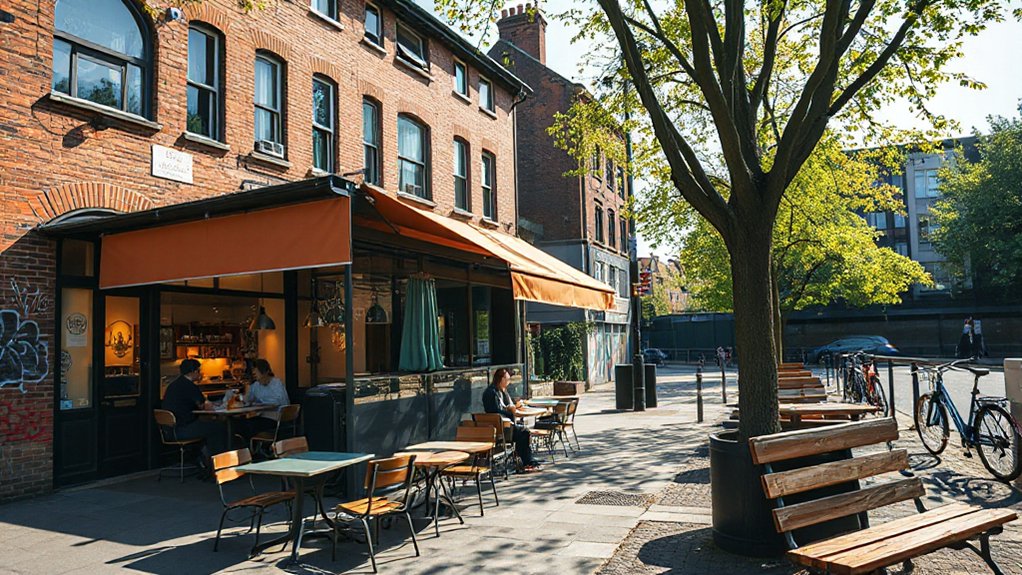
Here are affordable food options, cafés, and social hubs that fit a renter’s budget without sacrificing quality or vibe. You’ll find consistent value across Manchester’s dining scene, with affordable dining options concentrated near student hubs and cultural clusters.
Data show price-to-quality ratios remain favorable in neighborhoods like Ancoats, Rusholme, and Northern Quarter, where menus emphasize shareable plates and seasonal specials.
Cozy cafes provide reliable study nooks and social spaces, often pairing quick-service coffee with pastries under a five-pound cap.
Social hubs emerge around live-music venues, bookshops, and coworking cafés that host after-work events, facilitating belonging without breaking the bank.
In short, you gain variety, reliability, and community, all supported by transparent pricing and accessible locations.
Green Spaces and Outdoor Recreation Near the City
Green spaces near the city center offer a quick, high-value escape for renters. You’ll find urban parks that blend accessibility with quality, making outdoor recreation practical after work or on weekends.
Data show these spaces boost wellbeing, foster social ties, and support sustainable commuting by foot or bike. You’ll notice diverse amenities, from jogging paths to shaded lawns, that accommodate solo workouts and group meetups alike.
Proximity matters: short trips maximize time for activities you enjoy and for building community with neighbors. Urban parks and outdoor activities together create a sense of belonging, proving Manchester supports balanced, healthy living.
1) Proximity-driven access to parks
2) Diverse trails and workout spaces
3) Seasonal events and community programs
4) Safe, well-maintained green corridors
Startups, Internships, and Jobs for Young Adults in Manchester
Manchester has emerged as a hub for startups, internships, and entry‑level roles that suit young adults aiming to launch their careers. You’ll find a thriving startup culture across sectors like fintech, software, and creative tech, with affordable spaces and active networks that foster collaboration.
Internship opportunities are plentiful in Manchester’s universities, coworking hubs, and corporate accelerators, offering structured programs, mentorship, and real project work.
Entry‑level roles emphasize transferable skills, rapid upskilling, and clear progression paths, keeping you connected to mentors and peers.
Data shows strong demand for graduates in software development, data analytics, and digital marketing, supported by city incentives and industry events.
Belonging comes from joining communities, attending meetups, and contributing to teams that value curiosity, resilience, and initiative.
Safe, Social, and Inclusive Communities to Join

Safe, social, and inclusive communities in Manchester empower young renters to connect, collaborate, and belong. You’ll notice strong community safety metrics in popular neighborhoods, supported by visible policing, well-lit streets, and proactive tenant associations.
Social networks form the backbone of daily life, with intentional events, peer mentoring, and digital forums that reduce loneliness and boost engagement. Data shows higher retention of new residents when belonging is fostered early, contributing to shorter tenancy gaps and steadier rents.
By joining reputable, resident-led groups, you gain access to trusted information and mutual aid.
- Resident associations that broadcast safety updates and patrol schedules
- Community-led events designed to build trust and networks
- Online forums moderating respectful, inclusive dialogue
- Partnerships with local councils supporting youth-oriented initiatives
What Renters Wish They’d Known: Real-World Lessons
Renters often wish they’d known the true cost of living in a city’s rental market before signing a lease. In Manchester, data show upfront costs exceed first impressions: maintenance delays, utility add-ons, and heat or water charges vary by postcode. You’ll want a transparent, itemized breakdown of fees, deposits, and renewal terms to avoid surprises.
Real-world lessons reveal common Renters’ regrets arise from vague lease language, limited access to landlord contact information, and unreported building defects. Housing pitfalls include misleading amenities, subletting restrictions, and insufficient energy efficiency data.
Before committing, compare monthly costs, insurance needs, and potential rent raises with neighboring districts. Gather recent tenant reviews, request walkthrough notes, and document condition defects. This proactive approach reduces risk, boosts confidence, and fosters belonging in Manchester’s rental market.
Frequently Asked Questions
How Affordable Is Manchester for Recent Graduates Overall?
Manchester is affordable for recent grads overall, with rents often lower than London and strong value from Student discounts. You’ll enjoy Local amenities, balanced costs, and predictable budgets, making you feel you belong while you save on essentials.
Which Areas Are Best for First-Time Renters on a Budget?
“Hit the ground running,” you’ll find best first-time renter areas: student neighborhoods like Fallowfield and Hulme, with budget-friendly amenities, reasonable rents, and accessible transit. They’re data-driven choices fostering belonging without overspending.
What Hidden Costs Do Manchester Rentals Commonly Have?
Hidden costs in Manchester rentals often include utility bills and maintenance fees. You should budget for higher-than-expected bills and note service charges subtlety. You’ll compare landlords, track usage, and negotiate inclusions to feel more secure.
How Reliable Is Wi-Fi and Coworking Near Campuses?
Campus connectivity is strong near campuses, and Wi Fi reliability is solid for work and study. You’ll experience stable speeds, proactive maintenance, and reliable coworking options, enhancing your sense of belonging and productivity in Manchester’s vibrant rental scene.
Is House Sharing More Cost-Effective Than Renting Alone?
Shared amenities can cut costs considerably; house sharing often proves more cost-effective than renting alone. You’ll save on rent and utilities while rental negotiations improve with more roommates, strengthening your sense of belonging in a data-driven, community-focused setup.
Conclusion
You’ll find Manchester a compelling pick for young renters, backed by affordable pockets, solid transport links, and growing job options. Data shows rising rents in trending areas, but overall value remains strong when you budget wisely and prioritize proximity to work or campus. Start with a clear plan, track every pound, and stay flexible as markets shift. Remember: “short-term gains fade, long-term routines pay.” Stay informed, seek community, and you’ll turn city living into lasting advantage.