

Manchester remains a strong investment market because its diversified growth engine, top-tier talent pipelines, and connective infrastructure drive resilience and outsized returns. You’ll benefit from a cycle of steady GDP growth in tech, logistics, and culture, plus robust university–industry collaboration and apprenticeship rails that fuel startups to scale. Transport upgrades, multimodal hubs, and green corridors boost productivity and inclusion. If you keep exploring, you’ll uncover how regeneration, governance, and data-backed strategies sustain momentum.
Why Manchester Belongs in a Regional Investment Strategy
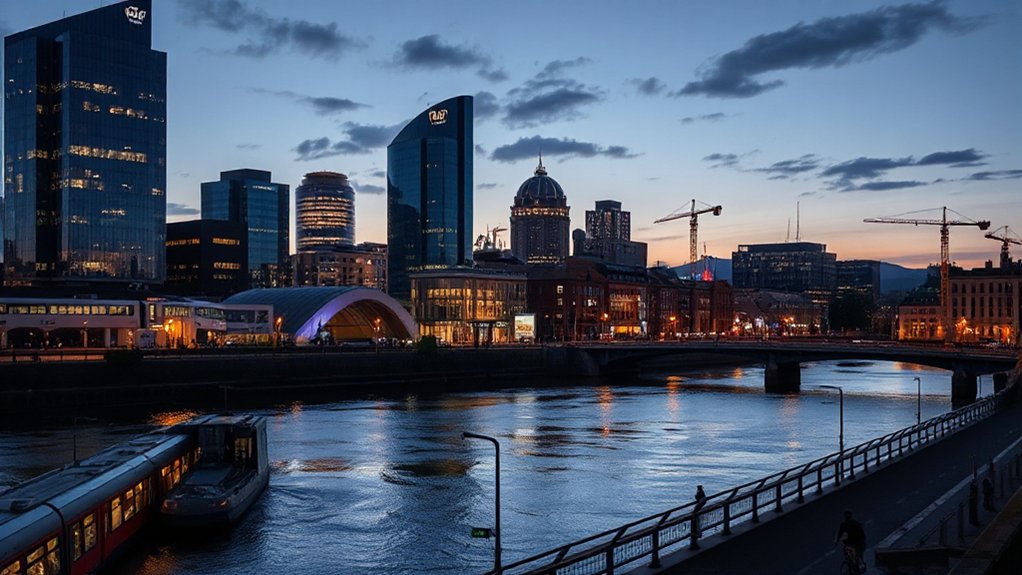
Manchester sits at the heart of a durable, data-driven regional economy, making it indispensable to any robust regional investment strategy. You’ll find that Manchester’s appeal isn’t just about scale; it’s about grounded momentum.
Cultural diversity enriches collaboration, fueling innovative partnerships across sectors and markets, while Environmental sustainability steers project risk toward long-term resilience.
You’ll see a steady flow of capital, driven by transparent metrics, accessible data, and credible performance histories, all of which reduce uncertainty.
By aligning with Manchester, you join a network that values inclusion, talent retention, and continuous improvement.
This isn’t a momentary trend; it’s a proven framework for sustainable growth, where community, industry, and governance converge to create lasting value for investors and residents alike.
Belong here, and contribute to a shared, measurable future.
Foundations: Manchester’s Economy, Population, and Talent
From the momentum established in a data-driven regional framework, Manchester’s economy, population, and talent form the foundations of its investment appeal.
You’ll see steady GDP expansion driven by tech, logistics, and creative sectors, underscored by deliberate infrastructure upgrades.
Population growth remains youth-forward, with a high skills base and improving educational outputs that feed local employers’ demand.
Talent pipelines strengthen as universities collaborate with industry, creating apprenticeship pathways and seed funding opportunities for startups.
Cultural festivals and a vibrant culinary scene signal social cohesion, attracting diverse workers who contribute to productivity and retention.
You benefit from a city that aligns training with demand, supports scaled ventures, and delivers measurable outcomes, cementing Manchester as a resilient, inclusive, and future-ready investment ecosystem.
The Manchester Advantage: Resilience in the Face of Change
Despite rapid change, Manchester’s investment landscape remains remarkably resilient, driven by a diversified mix of high-growth sectors, strong trade links, and adaptive infrastructure.
You’ll see how cultural heritage underpins a unique, authentic appeal that sustains visitor demand, talent retention, and steady ROI.
Data show resilient office demand cycles, with flexible spaces aligning to hybrid work and creator ecosystems.
The city’s sports events catalyze momentary capital inflows, but leave lasting legacies: branding, tourism spillovers, and sustained venue and hospitality investments.
Partnerships between universities, startups, and established firms accelerate innovation clusters, while scalable housing and services support growing populations.
In this environment, you feel a sense of belonging—shared purpose, transparent governance, and a forward-looking plan that converts change into opportunity.
Manchester remains a confident, connected investment destination.
Infrastructure as a Growth Magnet: Transport, Connectivity, and Logistics

You’ll see how Transport Integration Projects, from rail to road, recalibrate moving goods and people, shaving time and costs while boosting regional productivity.
Connectivity Driven Growth data show clusters forming around faster corridors, logistics hubs, and multi-modal terminals that attract investment and talent.
Logistics Network Upgrades will become the backbone of Manchester’s competitiveness, releasing higher throughput and more agile supply chains.
Transport Integration Projects
Data shows reduced journey times correlate with higher job turnover and residential choice, turning neighborhoods into thriving hubs. You’ll also notice how coordinated planning supports cultural festivals, easing access and boosting participation while safeguarding local character.
With smart ticketing, real‑time analytics, and multimodal hubs, you gain reliability you can trust. Together, we cultivate inclusive growth that invites continued investment, accelerates innovation, and strengthens Manchester’s appeal as a welcoming, forward‑looking community.
Connectivity Driven Growth
Connectivity isn’t just about moving people and goods; it’s a strategic growth magnet shaping Manchester’s future. You’ll see how transport links, digital networks, and logistics corridors concentrate talent, capital, and collaboration, turning Manchester into a hub where ideas collide and scale accelerates.
Data shows population and freight demand rising faster than regional peers, while multimodal access reduces travel times and carbon intensity.
Cultural heritage underpins inclusive placemaking, attracting diverse entrepreneurs who want to contribute and belong.
Environmental sustainability guides new projects, from green corridors to energy-efficient stations, ensuring resilience against climate risk.
Connectivity-driven growth *unlocks* higher productivity, better wages, and shared prosperity, inviting long-term investment, stable governance, and community buy-in.
Together, you build a city that remains competitive and welcoming for all.
Logistics Network Upgrades
Thanks to targeted logistics upgrades, Manchester can turn its freight corridors into high-speed arteries for growth, cutting transit times and slashing costs for businesses of all sizes. You’ll see smarter zoning align with freight needs, reducing bottlenecks and enabling smoother hub-to-hub movement.
Investment in rail and road capacity, plus digitized traffic management, lifts reliability and predictability for suppliers and customers alike. Green initiatives trim emissions while boosting resilience, inviting green finance and private-public collaboration.
Data-driven monitoring shows accuracy in forecasting demand, enabling just-in-time deliveries that cut inventories and waste. Connectivity strengthens the city’s appeal, fostering clustering effects where manufacturers, retailers, and logistics firms co-locate.
This strategic, inclusive upgrade builds enduring belonging and confidence in Manchester’s growth trajectory.
Regeneration Pipelines Transforming Value in the Next 5–10 Years
Regeneration pipelines are accelerating value creation in Manchester, as coordinated masterplans, mixed-use schemes, and infrastructure upgrades align timelines with market demand. You can feel the momentum in data-driven forecasts: project pipelines are expanding commercial floorspace, housing, and amenity spaces within walkable, mixed districts.
Strategic phasing reduces risk, while public-private collaboration boosts delivery certainty and affordability within neighborhoods that delight residents and visitors alike. Cultural heritage informs placemaking decisions, creating authentic identity that attracts talent and investment.
In parallel, events-driven uplift from sports events and cultural programming sustains demand cycles, signaling resilient rental growth and asset revalorization. By leveraging land-value capture and smart infrastructure, you position Manchester as an integrated ecosystem where regeneration translates into predictable value, long-term belonging, and enhanced competitive advantage.
Manchester Real Estate Fundamentals: Housing Demand and Yields
You’ll see housing demand in Manchester shaped by population growth, employment gains, and evolving affordability, with rental cohorts driving steady occupancy even as new supply comes online.
Yields are shifting as rents rise and cap rates compress in high-growth pockets, signaling a cautious tilt toward quality assets and locations with enduring demand.
Signals from planning and delivery pipelines, plus construction costs and financing conditions, will test supply confidence and shape the trajectory of returns over the next 5–10 years.
Demand Drivers In Manchester
Manchester’s housing demand is being shaped by a tight supply pipeline, strong income growth, and a diversified economy that keeps in-migration high.
- You benefit from sustained cultural tourism driving short- and mid-term rental demand.
- Green spaces and walkable neighborhoods support longer stays and premium pricing.
- Diverse sectors cushion employment volatility, fueling steady household formation.
- Targeted housing supply aligns with transit links, enabling predictable yields.
You’ll notice demand tightness even as prices normalize, indicating healthy rent growth ahead. Cultural tourism spurs ancillary housing needs near landmarks, while parks and green corridors attract families seeking belonging in safe, vibrant communities.
With employment diversity and demographic momentum, investment in thoughtfully designed units yields resilient returns. As you plan, prioritize developments that blend access to culture and outdoor space with efficient amenities. This combination strengthens both occupancy and community value.
Evolving Yields Dynamics
What’re the latest shifts in yields in Manchester’s housing market, and what do they imply for disciplined investors? Yields have cooled modestly from peak cycles, yet remain tethered to robust demand and steady occupancy.
You’ll notice compressed spreads between prime and secondary assets, signaling selective risk premium discipline. Cap rate trajectories point toward gradual normalization as rental growth accelerates alongside supply constraints, supported by urban sustainability initiatives.
Data indicates institutional capital rotating into multifamily and build-to-rent, reinforcing stable income streams even when macro tides shift.
Cultural innovation districts are driving leasing velocity and price resilience, helping you weather volatility. By anchoring bets to momentum in urban sustainability and cultural innovation, you align with enduring value and community-building potential.
Supply Confidence Signals
- Clear absorption trends underpin tenant demand and reaffirm price discipline
- Diverse housing mix boosts resilience against macro shocks
- Construction cadence matches proven leasing velocity, reducing vacancy risk
- Data-driven outlook points to sustained income potential for gatekeepers and newcomers alike
Across these signals, supply confidence grows, offering you a sense of belonging within a robust community of stakeholders.
You’re invited to participate in a market that blends practical fundamentals with forward-looking momentum, where stable yields and continued demand foster long-term investment confidence.
Office Demand in Manchester: Long-Term Structural Drivers

The long-term drivers shaping office demand in Manchester point to a city that increasingly blends research intensity, skilled labor, and transport efficiency. You’ll notice persistent demand from R&D clusters, universities, and tech scales that value collaboration, proximity, and talent access.
Population growth and higher graduate retention fuel occupancy needs, while improved transit links shorten commute times and widen catchment areas. Green spaces and cultural amenities play a strategic role, attracting companies seeking a cohesive, liveable environment—helping talent stay long-term.
Data shows rising density around innovation hubs, supported by smart infrastructure and affordable office options that balance cost with quality. Cultural festivals anchor network effects, while ongoing investment in sustainability boosts appeal to embers of the workforce seeking belonging and purpose.
Last-Mile Logistics: The Evolving Manchester Supply Chain
Last-mile logistics in Manchester is evolving rapidly as urban demand, corridor optimization, and tech-enabled delivery reshape how goods reach customers. You’ll notice shorter routes, smarter routing, and increased parcel density driving efficiency across the supply chain.
Data shows peak-hour constraints easing as micro-fulfillment centers proliferate, reducing transit times and emissions. By aligning real estate, transport, and last-mile tech, Manchester sustains a competitive edge for both retailers and manufacturers.
You’re part of a city where collaboration among carriers, developers, and local authorities turns logistics into a community asset. This shift enhances service levels, creates local jobs, and strengthens investment yield through resilience and transparency in the supply chain.
- Community-centric planning boosts efficiency and belonging
- Micro-fulfillment reduces distance, time, and carbon footprint
- Real-time data enables proactive capacity management
- Public-private partnerships access streamlined, compliant corridors
Tech and Creative Sectors Driving Momentum in Manchester
You’re seeing Tech-Led Growth Momentum propel Manchester’s investment appeal as software, fintech, and digital services scale faster than the regional average.
Creative Sector Hubs are amplifying spillovers, turning talent into venture-ready teams and attracting cross-border partners.
Talent Attraction Dynamics suggest a self-reinforcing cycle, where skilled flows fuel more high-growth bets and sustainable citywide momentum.
Tech-Led Growth Momentum
Manchester is riding a tech-led growth wave, with digital and creative sectors fueling rising occupier demand, higher rents, and faster development timelines across the city. You’re positioned where digital innovation accelerates collaboration, data-driven decisions, and scalable solutions that attract capital and talent.
This momentum—rooted in measurable performance—signals sustained upside and a path to inclusive prosperity through sustainable development.
- Digital innovation accelerators align with Manchester’s talent pool and university ecosystem
- Data privacy, cyber resilience, and responsible AI shape disciplined growth
- Real-time analytics optimize space utilization and tenant retention
- Green build standards and energy efficiency shorten project timelines and costs
You’ll notice higher-quality stock, stronger rent resilience, and a clearer trajectory toward long-term value creation for investors and communities alike.
Creative Sector Hubs
From the tech-led growth momentum, Manchester now centers on vibrant creative sector hubs that fuse digital innovation with cultural production. You’ll see ecosystems where studios, co-working spaces, and incubators blend with galleries and performance venues, creating dense networks for collaboration.
Data show rising spend in media tech, immersive experiences, and design-led manufacturing, underscoring a diversified momentum beyond code alone.
Creative collaboration accelerates project timelines, attracts diverse talent, and boosts IP development, while cultural innovation fuels local storytelling that resonates globally.
This alignment strengthens placemaking, increases demand for flexible workspace, and elevates venue-based revenue streams.
For investors, the signal is clear: a living, learning city where creative outputs translate into measurable economic resilience and long‑term growth.
Talent Attraction Dynamics
Talent attraction in Manchester now hinges on a tight feedback loop between tech and creative ecosystems: as studios and studios-to-scale-up hubs multiply, so do the quality and diversity of roles, with targeted incentives drawing in software engineers, data scientists, designers, and immersive media specialists.
- Stronger cross-sector collaboration fuels skill pipelines and accelerates project delivery
- Inclusive hiring boosts workforce diversity and community belonging
- Data-driven insights guide incentives for retention and progression
- Continuous investment aligns talent, startups, and scale-ups with regional demand
You’ll see talent retention rise as people experience meaningful growth, mentorship, and belonging.
This momentum strengthens Manchester’s investment case, confirming that diverse, well-supported teams drive sustainable innovation and competitive advantage.
Policy Climate for Investors: Local Government and Industry Support
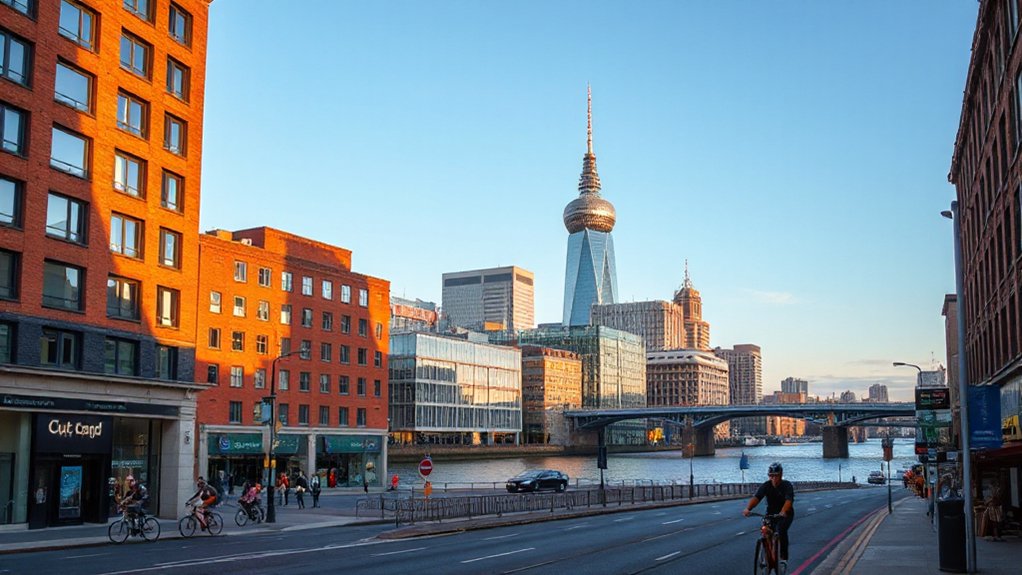
Policy climate for investors in Manchester combines proactive local government action with industry-led momentum, creating a predictable, incentive-rich environment that accelerates project timelines.
You’ll see streamlined permitting, clear milestone targets, and joint public-private dashboards that translate data into actionable timelines.
Local authorities routinely publish policy incentives that align with sectoral goals, from life sciences to green tech, reducing upfront risk and improving certainty for financiers.
Investor protections are embedded in transparent tender processes, robust dispute resolution, and reliable escalation pathways, so you can plan with confidence.
The ecosystem supports scaling—partners share best practices, benchmarks, and access to pitch-ready opportunities.
This climate signals belonging: you’ll join a collaborative network where policy clarity and industry momentum co-create sustainable returns.
Connectivity and International Access: Airports, Rail, and Trade
You’ll see how Manchester’s global flight links, rail corridors, and trade gateways position it as a connective hub, with capacity and access shaping investment footprints.
Data shows expanding direct routes, faster rail links to major markets, and growing trade throughput, signaling durable international demand.
Going forward, we’ll assess how these connectivity vectors translate into risk-adjusted returns, urban competitiveness, and sectoral opportunities for investors.
Global Flight Links
- Expanded flight frequencies boost on-time performance and reliability
- Diverse origins and destinations enrich trade lanes and talent access
- Passenger-centric services support onboarding for international teams
- Cargo corridors accelerate product launches and supply chain resilience
Embedded in these trends is a forward-looking confidence: Manchester remains a gateway where global flight links translate into tangible regional prosperity and inclusive growth through international connectivity.
Rail and Trade Gateways
Data shows diversified import-export flows strengthening resilience, with digital customs and logistics hubs cutting friction at the border.
Smart mobility is accelerating at stations and hubs, integrating real-time passenger information, EV charging, and last-mile micro-mobility to keep you moving smoothly.
Renewable energy adoption powers campus and port operations, lowering carbon footprints while supporting sustainable throughput.
Together, these gateways expand opportunity, inviting investment, collaboration, and a stronger sense of belonging in Manchester’s growing economy.
Financing Manchester Deals: Capital Sources and Terms
Financing Manchester deals hinges on balancing speed, cost, and control, with a mix of options that align to project risk and timeline. You’ll find that successful capital sourcing blends traditional and alternative avenues, delivering predictable terms without overburdening your schedule.
Financing strategies emphasize transparency, tight due diligence, and scalable structures that preserve ownership where possible. Capital sources range from bank facilities and mezzanine loans to equity partners and crowdfunding, each carrying unique covenants and timing.
Your goal is to match funding cadence to milestones, minimizing dilution while maintaining control over value creation. Strategic leverage rotates around cost of capital, liquidity, and risk sharing.
- Diverse capital sources optimize flexibility and resilience
- Clear covenants protect milestones and preserve control
- Transparent cost structures drive investor confidence
- Data-driven forecasting aligns financing with project phases
Risk Factors Investors Should Monitor in Manchester
Manchester presents compelling upside, but you should closely monitor several risk factors that can affect timelines, costs, and returns.
In Manchester, planning delays can arise from permitting bottlenecks or community engagement cycles tied to Cultural festivals, which may shift construction schedules and absorption rates.
Cost escalations remain a key concern, especially for energy and materials, underscoring the need for robust contingency budgeting.
Market liquidity can tighten during economic shifts, influencing exit timing and cap rates.
Environmental sustainability mandates, while integral to long-term value, can introduce design complexities and higher upfront costs if targets tighten mid-project.
Finally, policy changes at the local level could alter incentives or affordable housing requirements, subtly reshaping returns for longer-horizon investors seeking belonging in a resilient market.
Measuring Success: Indicators of Return and Resilience

As we move from identifying risk factors to evaluating performance, you can anchor success in tangible, forward-looking indicators that blend returns with resilience. You’ll track metrics that reflect both financial upside and enduring adaptability, recognizing how Market diversification and Cultural influence harmonize to sustain growth.
- Return on investment across varied sectors, weighted by risk-adjusted performance and liquidity
- Resilience indicators like occupancy resilience, vacancy trends, and recovery speed after downturns
- Diversification breadth, sourcing capital from multiple geographies and asset classes
- Cultural influence metrics, including workforce retention, local engagement, and brand affinity with Manchester
Together, these signals offer a precise, inclusive view of where value endures, guiding decisions that foster belonging, confidence, and shared prosperity in a dynamic market.
Building a Manchester-Centric Regional Investment Strategy
A Manchester-centric regional investment strategy centers on aligning capital deployment with local dynamics, leveraging data-driven insights to capture upside while preserving resilience. You build portfolios that reflect neighborhood strengths, integrate sentiment with granular market signals, and monitor performance against a shared Manchester outlook.
By prioritizing cultural vibrancy, you access experiential assets that attract talent, tourism, and global partners, while ensuring inclusivity and local buy-in. You coordinate with sports infrastructure projects to anchor community identity and long-cycle returns, translating facility upgrades into broader commercial leverage.
Your roadmap favors collaborative financing, transparent governance, and phased deployment that adapts to shifting demographics and policy. In this approach, belonging isn’t optional—it’s a measurable driver of risk-adjusted growth and sustainable value creation for Manchester.
Scoping a 5–10 Year Roadmap: Regeneration, Markets, and Momentum
Even as you map the next decade, focus on clear milestones that connect regeneration momentum with market signals and capital cadence. Your 5–10 year plan should tie urban culture and green spaces to measurable outcomes, aligning projects with demand, pricing, and project delivery.
Build a data-driven narrative that shows how pedestrian-friendly districts, inclusive programming, and responsible densification boost footfall, rent stability, and investor confidence. Track capital cadence through development pipelines, debt capacity, and exit timing to sustain momentum.
Prioritize cross-sector collaboration, transparent governance, and timely procurement to reduce risk and accelerate returns. Your roadmap should be adaptable, with triggers for recalibration as markets shift and new data emerge.
- Align urban culture initiatives with demand signals and value uplift
- Link green spaces to health metrics, occupancy, and spend
- Sequence regeneration to optimize cash flow and risk
- Establish clear KPIs, governance, and feedback loops
Frequently Asked Questions
What External Risks Could Disrupt Manchester’s Growth Trajectory Next Decade?
Foreign investment could slow if global risks spike or credit tightens, but Manchester’s resilience hinges on Political stability, diversified sectors, and proactive governance. You should monitor policy shifts, energy costs, and supply chains shaping long-term growth trajectories.
Which Sectors Will Outperform in Manchester’s Upcoming Cycle?
You’ll see tech innovation and retail evolution outperform, as Manchester’s talent, infrastructure, and policy support drive growth; you may worry about cyclic dips, but data shows resilient demand, collaborative ecosystems, and inclusive opportunities fueling your long-term advantage.
How Do Brexit and Global Trade Affect Manchester Investments?
Brexit and global trade shape Manchester investments through trade agreements and currency fluctuations, you’ll see cyclical resilience and diversification. You’ll benefit from data-driven strategies, adjusting exposure as markets shift, and belonging to a market-aware, forward-looking investment community.
What Are the Undiscovered Regeneration Opportunities Beyond Current Pipelines?
Hidden gems emerge through Local partnerships, revealing unexploited regeneration opportunities beyond current pipelines; you’ll uncover data-backed potential, align stakeholders, and seize strategic sites that strengthen Manchester’s place, fostering belonging while prioritizing sustainable growth and inclusive investment.
How Will Housing Affordability Influence Long-Term Investment Returns?
Housing affordability will shape investment returns as demand stabilizes and supply tightens; you’ll see more targeted, signals-driven capital moves, aligning yields with risk profiles, while communities evolve. You belong when data guides patient, forward-looking investment decisions.
Conclusion
Manchester is a compass that points to growth, its sectors and people stitching a resilient tapestry. You’ll see the city as a steady heartbeat: transport arteries fueling trade, regeneration scaffolds lifting value, and talent curating continuous innovation. Data lines up like stars—employment, population, and investment momentum—guiding your roadmap. As markets shift, Manchester remains the lighthouse, inviting capital to anchor, expand, and prosper. Invest here, and the future writes itself in durable, turning momentum.