
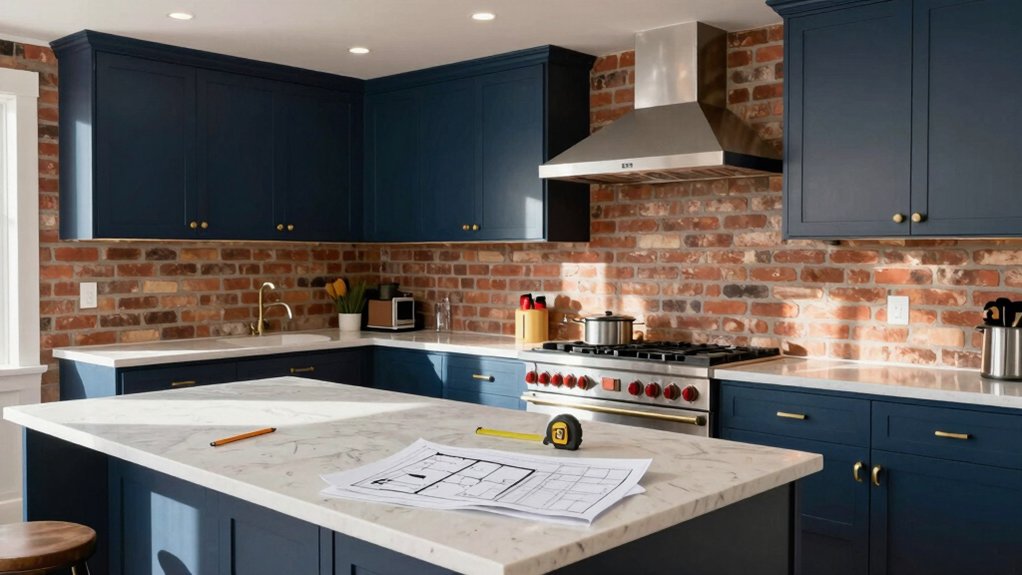
In 2026, a kitchen remodel typically runs from about $25,000 to $75,000 for midrange updates, with total cost driven by scope, materials, regional labor rates, and whether you pursue a quick refresh or a full remodel. Expect major spend on cabinets, countertops, appliances, and finishes, plus lighting and flooring. Regional differences can swing costs 10–25%. Planning, value-driven choices, and a phased approach help control expenses and timelines as you optimize ROI. More details ahead.
What a 2026 Kitchen Remodel Costs: and How to Decide Priorities
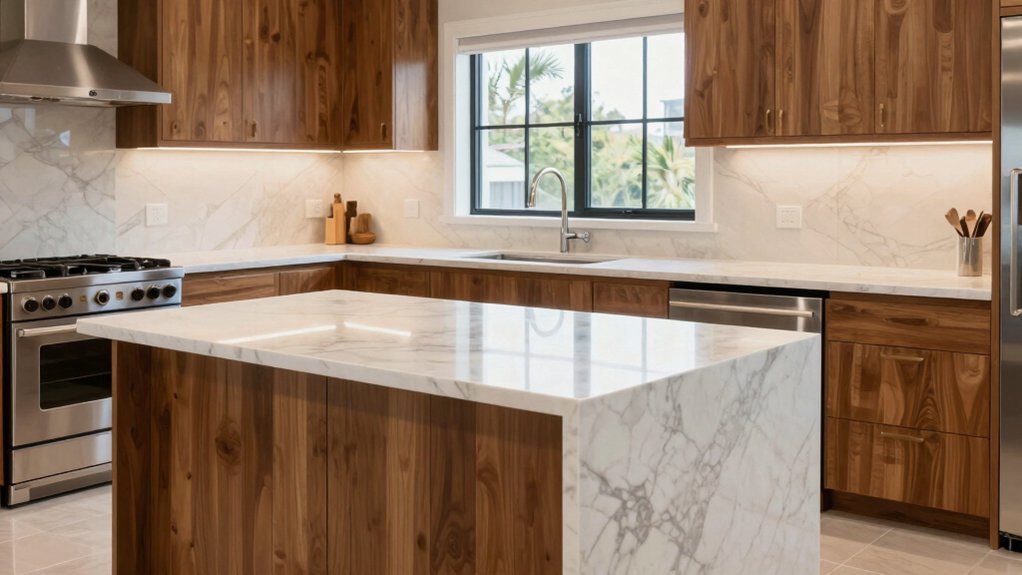
Planning a 2026 kitchen remodel is about balancing goals with budget, not chasing every trending feature. Your decisions should reflect real needs, not impulse purchases.
Start by listing core functions: cooking, cleaning, storage, and socializing. Prioritize durable, high-impact upgrades that return value and fit your home’s style.
When considering appliance upgrades, weigh energy efficiency, reliability, and size against daily use; choose models that align with your workflow.
For surfaces and walls, select backsplash materials that resist stains and simplify maintenance, while complementing cabinets and lighting.
Establish a minimum viable plan, then layer on refinements only if costs stay within the budget arc you’ve set.
Track costs with checks against benchmarks, avoiding scope creep, so you feel confident and connected to the process.
Budget by Room and Scope: Typical Kitchen Costs by Area
You’ll see how typical kitchen costs break out by area, so you can budget room by room with real numbers. Regional cost variations and scope impact factors shape each area’s price tag, not just overall totals.
This framework starts the discussion on where to invest or cut back for the best value.
Typical Kitchen Areas
Typical kitchen areas vary by scope and room function, and costs cluster around three core zones: cabinets and countertops, appliances, and flooring and finishes. You’ll find most budgets allocate the bulk to cabinets, then midrange appliances, with finishes shaping perceived value.
In practical terms, cabinet quality and layout drive value: options range from stock to custom, influencing installation time and disruption. Appliance upgrades balance energy efficiency, features, and lifecycle cost, directly impacting monthly operating expenses.
Lighting fixtures, while often underestimated, boost usability and ambiance, affecting perception of space and resale appeal. Floors and finishes tie everything together, with durability and maintenance guiding long‑term costs.
Regional Cost Variations
Regional cost variations shape your budget by area and scope: costs cluster around cabinets and countertops, appliances, and finishes, but regional labor, material availability, and permitting can shift the final tally by 10–25%.
In a regional market, you’ll see meaningful cost disparities across cities and states, driven by labor rates, supplier networks, and local codes. Your planning should benchmark neighborhoods with similar specs to avoid skewed comparisons.
Expect higher cabinet and countertop costs where skilled trades are scarce, and lower finishes in markets with abundant suppliers. Data shows most kitchens land within a 15–25% band around the national baseline, but the spread widens with complexity and specialty materials.
Track regional market trends to align timing, procurement, and budget expectations confidently.
Scope Impact Factors
Scope drives the budget by room and area, so understanding where costs cluster helps you predict total spend.
In this section, you’ll see how different zones—layout changes, fixtures, and finishes—drive variations in price. The kitchen’s primary cost drivers are cabinet footprint, appliance selection, and surface materials, with labor and permit fees adding predictable adders.
Typical costs by area show sinks and backsplashes clustering near plumbing and backsplash work, while countertops materials and cabinet refacing create larger swings in overall totals.
Plan for midrange appliance selection to balance performance and price, then layer in durable countertop materials to meet long-term value.
What Drives the Price: Materials, Labor, and Hidden Fees
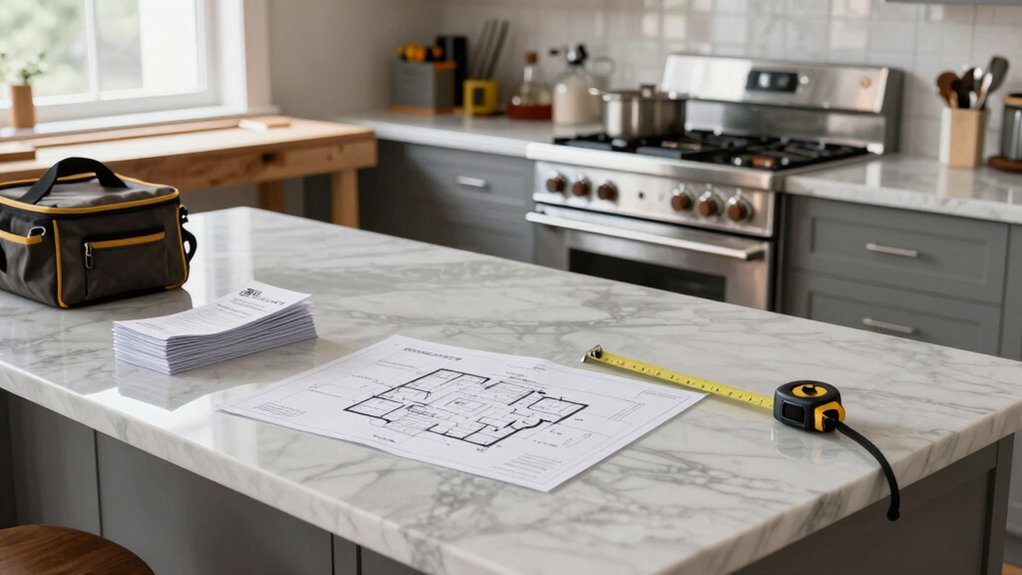
Materials, labor, and hidden fees together determine kitchen remodel costs, but each factor behaves differently: materials set the ceiling on durability and aesthetics, labor handles installation complexity and timelines, and hidden fees creep in via permits, disposal, and logistics.
You’ll see how choices ripple through total price, especially with appliance upgrades and countertop selection.
- Materials choice: higher-end cabinets or stone countertops push upfront costs but boost long-term value.
- Labor intensity: intricate layouts, plumbing, and electrical work extend timelines and labor hours.
- Hidden fees: permits, waste removal, and delivery logistics can surprise your budget.
- Value alignment: prioritize durable finishes and logical layouts to maximize resale and daily satisfaction.
Regional Price Variations: What to Expect by Region
Regional cost drivers vary by area, so you’ll see sharper price swings where labor pools are tighter and materials are scarcer.
Regional labor variations partly reflect local wage norms and trade demand, while material pricing trends track supplier margins and transportation costs across regions.
Expect the data to show how these three factors—regional cost drivers, labor differences, and material trends—tune the overall regional price picture.
Regional Cost Drivers
Regional price differences are driven by housing markets, labor availability, local permitting, and material supply chains. Understanding these factors helps you anticipate cost variance by region.
You’ll see how regional cost drivers shape your remodel budget, from where you shop for materials to how you schedule trades. The data show clear patterns you can leverage for wiser choices.
- Housing market heat and bid competition influence labor rates and scheduling.
- Permit process ease or backlog affects upfront costs and project timelines.
- Material supply chains sway pricing, lead times, and choice saturation (think countertop styles).
- Regional demand for appliance brands shifts discounts, warranties, and availability.
Use this lens to compare options, align expectations, and build a budget that fits your community and goals.
Regional Labor Variations
Labor costs swing most with local labor availability and market demand. In this regionally focused view, you’ll see clear patterns in labor costs and regional differences that shape your budget.
Coastal metros often carry higher rates due to dense demand and specialized trades, while inland areas may offer lower labor costs with longer project timelines.
Seasonal swings, union presence, and permitting speeds influence pricing day to day, so expect variance by city and even suburb.
Volume matters too: larger markets attract more competition, sometimes lowering per-task rates, while shortages push prices up.
By comparing regional data, you can target regions with favorable labor conditions and schedule around peak demand.
Use this lens to forecast timelines, align expectations, and secure transparent bids grounded in real regional differences.
Material Pricing Trends
Material costs swing by region as supply chains and freight patterns shift, so you’ll see real, region-specific price signals—especially for lumber, steel, and finishing materials. This material pricing trends snapshot helps you compare market pressure and plan purchases with confidence. Use trend analysis to forecast swings and safeguard budgets.
- Regional swings: expect divergent costs per material, not a single national line item.
- Lumber and metal: core drivers that often lead regional price gaps.
- Finishing materials: more volatile when freight costs spike.
- Timing strategy: align purchases with anticipated price troughs to optimize total spend.
Value-Driven Upgrades That Pay Back
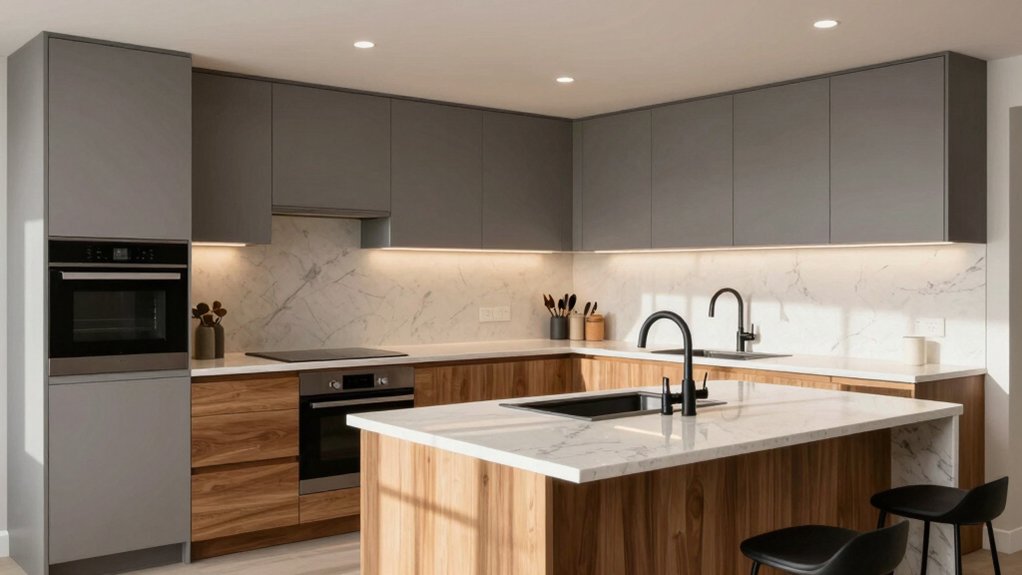
When you plan a kitchen remodel, focus on value-driven upgrades that deliver clear, measurable payback. You’ll prioritize changes with demonstrated resale impact, not vanity features.
Appliance upgrades and modern lighting fixtures consistently yield the strongest return, driven by energy efficiency, reliability, and perceived quality. Choose ENERGY STAR models and obsess over long-term operating costs, not just upfront price.
In lighting, opt for LED fixtures with warm color tones and integrated controls to reduce electricity use and boost ambiance, which buyers notice.
Cabinet hardware and durable surfaces can add perceived value without overbuilding. Track costs against projected resale boosts, and document efficiency gains.
This approach builds belonging—neighbors and buyers recognize thoughtful upgrades that reduce future stress and signal smart stewardship.
Financing Options, Timelines, and Project Management
Financing options, timelines, and project management are your backbone for a predictable kitchen remodel. You’ll align budget, schedule, and outcomes with clear controls, so costs aren’t surprises and delays don’t derail progress.
Data-driven decisions empower you to compare lenders, terms, and repayment horizons, keeping financing options transparent. With disciplined project management, you’ll track milestones, manage contractors, and enforce quality standards—reducing change orders and waste.
- Assess financing options upfront to lock favorable rates and terms.
- Create a phased timeline with buffers for permitting and delivery.
- Set roles, communication rhythms, and accountability to streamline decisions.
- Monitor progress against budget daily to preserve value and scope.
This approach fosters belonging through transparency, confidence, and steady momentum throughout the remodel.
Quick Refresh vs. Full Remodel: Price Breakdowns
A quick refresh can cost a fraction of a full overhaul, but the price gap depends on scope, materials, and labor. You’ll see significant savings when you limit scope to cosmetic updates, such as new backsplash, paint, or updated hardware.
A quick refresh typically ranges from a few thousand dollars to mid-range, depending on finishes. In contrast, a full remodel involves structural decisions, updated layouts, and new systems, driving higher labor and material costs.
If you’re weighing options, think in terms of value per dollar and time to completion, plus how soon you want to enjoy the space. Appliance upgrades and cabinet styles drive the biggest price swings: carefully compare quality, durability, and fit with your design goals.
Belonging comes from choosing a cohesive, lasting update.
Common Mistakes to Avoid and How to Save
Common mistakes often derail a kitchen remodel, but you can sidestep them with a clear plan and practical checks. You’ll save time and money by aligning goals with data-driven decisions, especially around design trends and eco friendly materials.
1) Define scope first: prioritize essential upgrades, then phase nice-to-haves.
2) Vet vendors thoroughly: check warranties, references, and energy ratings.
3) Budget buffer: add 15% for surprises and permitting timelines.
4) Material selection: favor durable, low-maintenance options that fit your space and values.
Frequently Asked Questions
How Long Does a Typical Kitchen Remodel Take From Start to Finish?
A typical kitchen remodel takes about 3 to 6 weeks, depending on scope and finishes. You’ll track timing estimates closely, adjust for permits, and expect renovation duration to extend if special materials or relocations are required.
Do Permit Costs Usually Add to the Project Budget?
Yes, permit fees typically add to your budget. They can affect project timelines, since approvals may cause delays. You should factor permit costs into early budgeting to avoid surprises and keep your remodeling plan on track.
Can I Remodel in Stages to Save Money or Reduce Disruption?
Yes, you can do a staged remodeling to save money and reduce disruption. This approach opens cost savings by prioritizing systems first, then finishes, while maintaining functionality and a sense of belonging as you progressively complete your upgrade.
What Resale Value Bump Can I Expect From a Mid-Range Remodel?
Reversing to the rhyme of returns, you’ll typically gain about 60–80% of mid-range renovation costs as resale value. Expect solid renovation ROI, with higher budgets often yielding stronger resale value and buyer perception for belonging.
Are There Hidden Costs That Commonly Surprise Homeowners?
Yes. You’ll face unexpected expenses beyond estimates, often from contractor fees, permit delays, or material surcharges; budget 10–20% extra and review contracts carefully, because prudent oversight helps you belong confidently within your project team.