
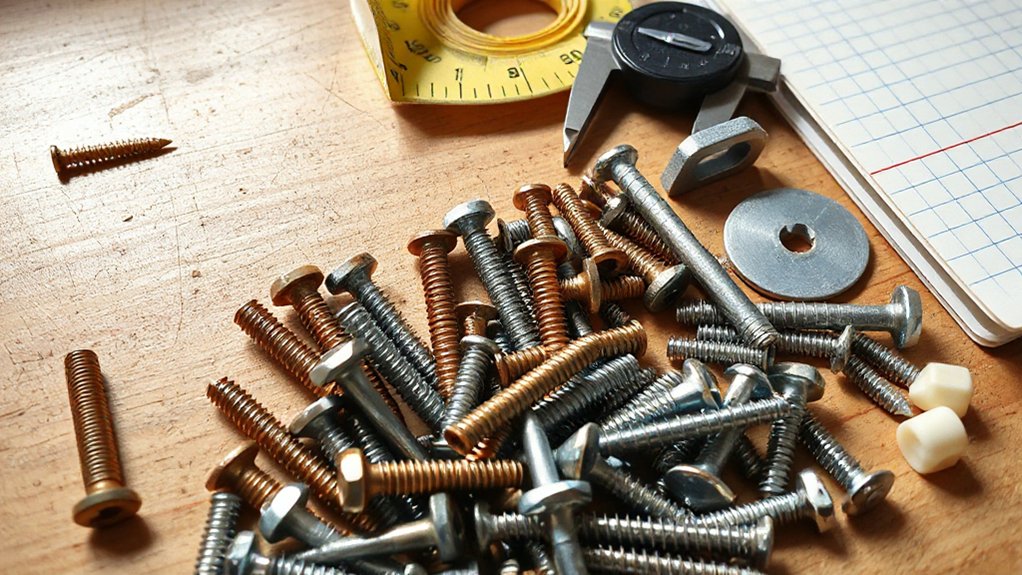
You’ll choose fasteners by substrate, load, and environment, balancing strength, durability, and ease of installation for each home-improvement task. Nails work fast and tolerate vibration in soft materials, but screws give better withdrawal resistance and precise joints. For hollow walls, polymer anchors shine; bolts or studs suit accessible surfaces and heavy loads. Coatings and gauges matter for corrosion resistance and stiffness, while coatings match exposure. If you want a quick framework, keep going to learn how to decide fast.
Pick the Right Fastener by Material: Wood, Masonry, and Drywall
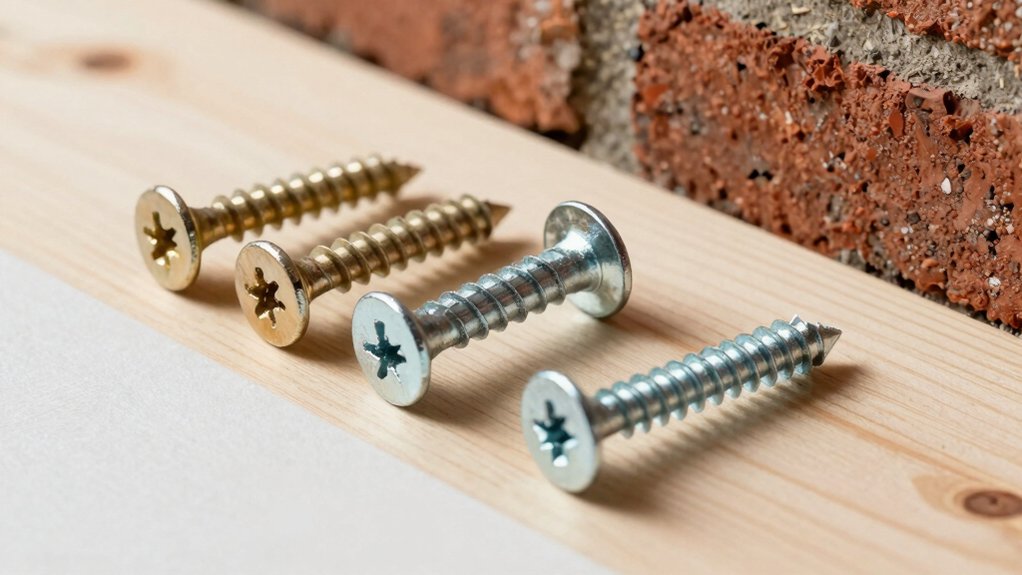
When choosing a fastener, start by matching it to the material you’re joining: wood, masonry, or drywall. You’ll optimize strength by aligning fastener materials with the substrate’s properties and load expectations.
For wood, select fasteners that resist timber movement and shear, prioritizing grip and tensile capacity; consider pilot sizing and withdrawal resistance.
For masonry, use anchors or masonry screws designed to counter brick and concrete porosity, noting surface compatibility with existing coatings and voids.
Drywall requires controlled embedding to prevent puncture and pullout, favoring lighter gauges and shields where appropriate.
Across all surfaces, confirm compatibility with coatings, moisture, and thermal cycles to avoid corrosion or failure. Surface compatibility governs longevity; the right choice yields predictable performance, efficient installation, and safer outcomes.
Nails, Screws, and Their Strength: When to Use Each for Speed
Nails and screws differ in how they resist pullout, shear, and installation speed, so choosing between them hinges on the job’s balance of rapid assembly and long-term hold. You assess load, material, and environment to pick the decisive fastener type.
Nails excel in speed, shear resistance in soft materials, and vibration tolerance when properly driven; they distribute load with broad contact.
Screws deliver superior withdrawal resistance, precise adjustment, and predictable clamping via threads, ideal for joints requiring strength over time.
Nail types favor quick framing and lightweight assemblies; screw types win when you need secure, durable connections that resist separation.
Match your choice to the task: high-speed construction or enduring integrity. Prioritize correct size, coating, and drive technique to achieve maximum performance.
Fasteners for Fixes: Bolts, Studs, and Anchors by Surface
Bolts, studs, and anchors by surface offer targeted solutions for fixes where base material or access constraints limit fastener choice. You’ll select hardware based on accessible attachment points, material strength, and load direction, ensuring robust performance without overengineering.
Bolts provide strong through-bolting options when you can access both sides, while studs let you secure from one side with precise spacing.
Anchors by surface excel where hollow walls or unpredictable substrates dominate, delivering immediate grip and predictable pull-out values.
Consider fastener compatibility with surrounding materials to prevent galvanic corrosion and ensure lasting integrity. Watch for fastener corrosion in moisture-prone areas and choose corrosion-resistant alloys accordingly.
Your goal is secure, durable connections, achieved through deliberate alignment of surface conditions, load demands, and compatible, high-integrity fasteners.
Coatings, Gauges, and Load Types: What Matters for Durability
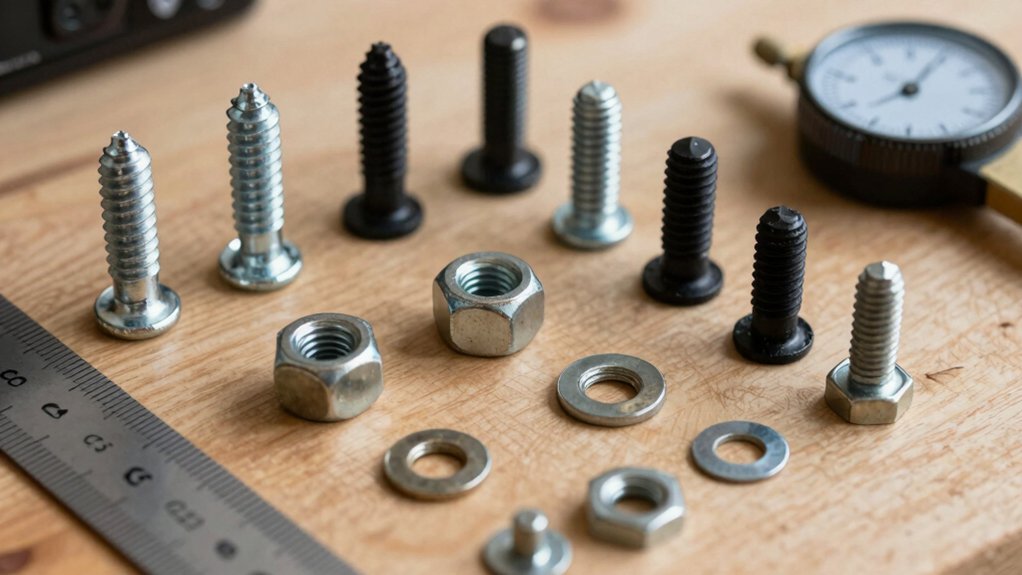
Coatings, gauges, and load types fundamentally determine fastener durability, because each element directly affects corrosion resistance, stiffness, and pull-out behavior.
You judge durability by aligning surface coatings with environmental exposure and load demands, ensuring lasting service life. Gauge thickness governs stiffness and shear tolerance; you select thicker gauges where high loads and vibrations prevail.
Surface coatings reduce corrosion pathways and lubricate insertion, but they must be compatible with base material and fastener geometry to avoid delamination.
Load type defines failure modes—shear, tension, or combined—so you match to the structural goal and anticipated cycles.
In practice, you optimize durability by balancing coating performance with appropriate gauge thickness and expected load profile, eliminating unnecessary redundancy while preserving strength, reliability, and long-term maintenance efficiency.
Installation Tips to Avoid Common Fastener Failures
To prevent common fastener failures, start with proper installation techniques that match material and load conditions.
You’ll reduce pull-out, stripping, and loosening by selecting the right size, type, and driving method for the substrate.
This discussion will focus on ensuring secure engagement and long-term performance through precise, methodical steps.
Avoid Common Fastener Failures
Even small fastener mistakes can undermine a project, so identifying and preventing common failures is essential. You evaluate load paths, match material and gauge, and choose corrosion-resistant grades appropriate to environment.
Confirm correct thread engagement and driving method to avoid stripping or cam-out, and verify withdrawal resistance for repeated use. Establish tight, not overtight, limits to prevent springback or cracking; use preset torque where possible.
Remember fastener color can signal material compatibility and coating health, aiding inspection and future maintenance, while decorative fasteners should be reserved for aesthetics that don’t compromise strength.
Inspect fits between mating parts to prevent play that accelerates wear. Avoid mixing dissimilar metals, and treat surrounding substrate for long-term stability. Document choices to sustain performance across seasons and loads.
Proper Installation Techniques
Proper installation techniques guarantee that fasteners perform as designed and resist common failures. You commit to clean surfaces, correct pilot holes, and proper torque to prevent binding, stripping, or pullout.
Choose fastener type, material, and coating aligned with load and environment, then verify that backing material accepts the fastener without cracking.
Use the right tools and steady, controlled force to avoid cam-out and overtightening.
Seal joints where moisture or chemicals could corrode, and consider fastener aesthetics so hardware remains visually cohesive.
Environmental considerations guide material selection and fastener finish, reducing galvanic reactions and long-term degradation.
Pre-install tests, consistent spacing, and load distribution checks ensure predictable performance.
Document installation parameters for future maintenance, preserving strength, safety, and a clean, durable appearance.
60-Second Fastener Decision Framework: Choose Fasteners Fast
You’ll consider fastener material, matching it to load and application to guarantee a secure hold.
Assess the fit between load demands and the fastener, then apply quick selection rules to streamline choices.
This frames a precise, repeatable process for choosing fasteners fast across projects.
Fastener Material Matters
Choosing the right fastener material is essential because it determines strength, corrosion resistance, and compatibility with your project materials. You assess material properties, not just color or price.
Stainless steel offers high corrosion resistance and durability, ideal for outdoor or humid environments, but it costs more and can gall under stress.
Carbon steel delivers strength at a lower price, yet requires coatings to resist corrosion in damp settings.
Brass or aluminum reduce weight and assist with non-magnetic needs, yet they may deform under heavy load or aggressive environments.
Consider environment, load, and exposure duration to select the most suitable fastener material.
Compare galvanization, coatings, and alloy blends to balance performance with budget.
Your choice directly impacts longevity, reliability, and overall project integrity.
Load and Application Fit
When selecting fasteners for a given job, match the load demands and application conditions to the fastener type, size, and finish. You assess tension, shear, and withdrawal forces, then select materials and coatings that resist corrosion without compromising strength.
Prioritize fastener compatibility with the substrate and joint geometry; mismatches cause premature failure or creep under load. Consider load distribution across the connection: equalized bearing, proper seating, and avoidance of stress concentrations.
The fit must align with the anticipated duty cycle, vibration, and thermal expansion, ensuring consistent clamping and transfer of forces. Choose fasteners that maintain tension without epsilon slack, enabling predictable performance under service conditions.
Clear alignment of load paths and application constraints yields robust, durable assemblies rather than fragile fixes.
Quick Selection Rules
To make fastener selection faster without sacrificing reliability, apply a concise decision framework that maps load, material, and environment to a curated set of options. You start with load: secure heavy loads with reinforced fasteners rated for shear and withdrawal; lighter fixtures use standard bolts or screws.
Material matters next: choose stainless or coated steel for corrosion resistance, aluminum for light duty, and polymer anchors for hollow substrates.
Environment drives it: indoors dry spaces differ from outdoor or chemical exposure scenarios, where environmental considerations dictate coatings and compatibilities.
Fastener aesthetics matter too, aligning hardware finish with project style without sacrificing strength.
Finally, validate compatibility with the substrate and predrill requirements. This disciplined filter yields durable, visually appropriate results and minimizes rework.
Frequently Asked Questions
How Do Temperature and Humidity Affect Fastener Selection?
In your projects, temperature and humidity affect fastener selection by driving thermal expansion and corrosion risk; you’ll choose materials with high corrosion resistance and appropriate coefficient of expansion to maintain joint integrity under varying conditions.
Can Fasteners Be Recycled or Reused After Removal?
Yes, you can recycle fasteners and pursue fastener reuse, but assess material integrity first. If bolts or screws are damaged or corroded, discard. Otherwise, sort by type, clean, and store for future projects as recycling fasteners boosts efficiency.
What Safety Gear Is Essential When Handling Different Fasteners?
Yes—you should wear personal protective equipment and practice proper handling. You’ll reduce risk by eye protection, gloves, and sturdy footwear, while keeping blades and fasteners controlled. Stay focused, disciplined, and precise to safeguard yourself and teammates.
Do Fasteners Affect Indoor Air Quality or Off-Gassing?
Indoor air quality can be affected by off gassing from certain fasteners; you’ll notice faint odors as volatile compounds release, so monitor indoor air and choose low-emission options to minimize long-term exposure and health risks.
How to Identify Fastener Defects Before Installation?
Identify fastener defects before installation through visual inspection and defect detection; examine threads, heads, shafts, and finish for corrosion, cracks, or deformation, and reject any compromised pieces to guarantee strength, reliability, and safe performance.
Conclusion
You weigh the wood, the brick, the drywall, just as a composer weighs chords before a song. When you pick fasteners, you’re predicting the future—load, duration, and surface—like a map aligning stars. Remember the coatings that guard what’s under pressure, and the gauges that keep tension honest. With the right bolt or screw, you don’t just fix today’s flaw; you set the scene for durability, clarity, and quiet confidence, time after time.