
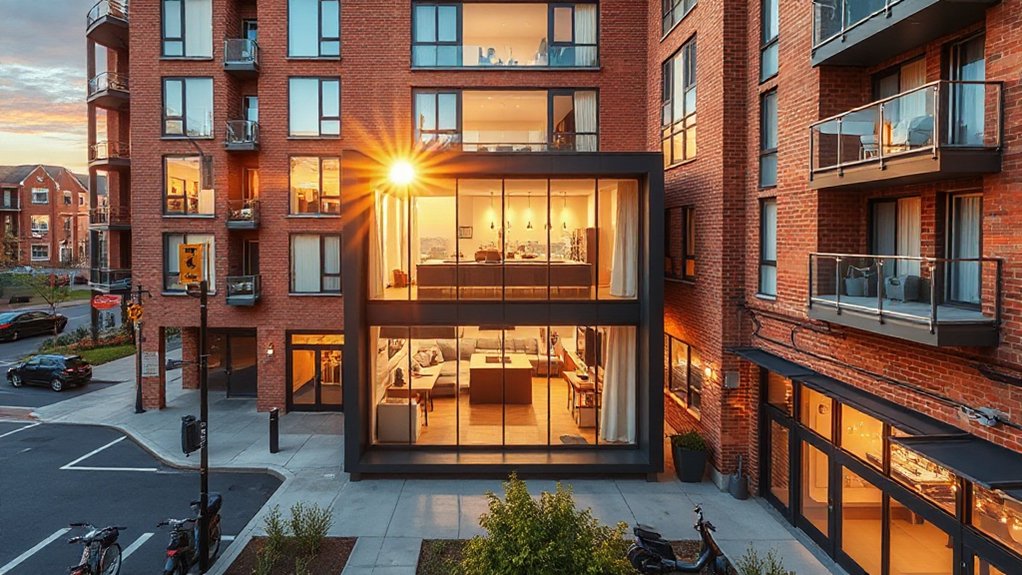
To boost rental demand in student cities, you should start by prioritizing location-impact upgrades—reliable internet, safety features, and study-friendly spaces—before tackling high-traffic remodels. Emphasize modular, soundproof study areas, flexible living setups for groups, and durable, low-maintenance kitchens. Pair energy-efficient systems with smart comfort controls and data-driven pricing. Align leases and perks with student demographics, especially international and graduate students. The payoff and the next steps hinge on a targeted plan that scales with demand.
How to Prioritize Renovations for Student Demand
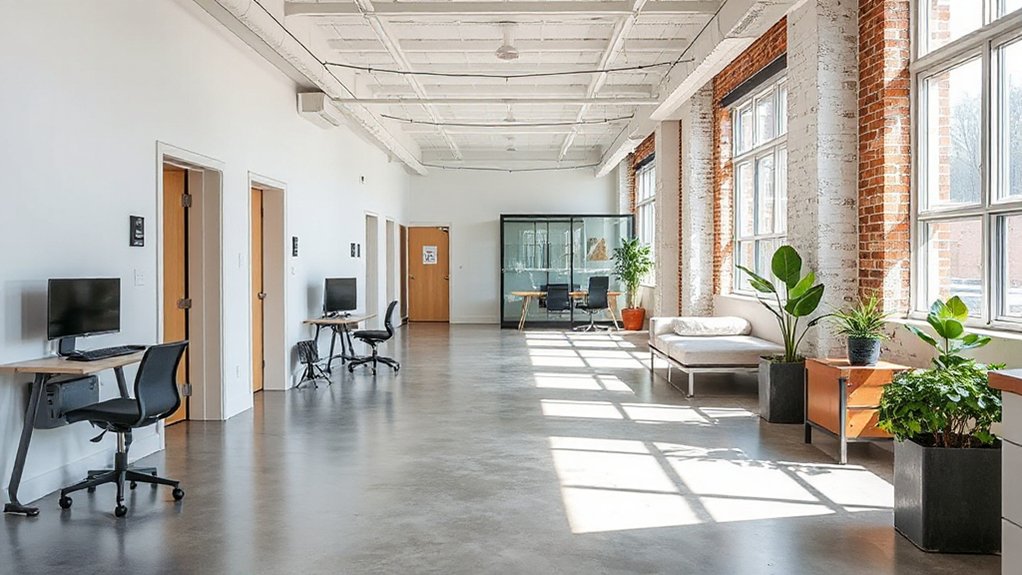
To prioritize renovations effectively, start by identifying which improvements most directly boost rental demand among students: location-impact amenities, safety and reliability, and study-friendly spaces.
You’ll track Historical trends to forecast demand cycles and map them to campus feeder housing, transit access, and nearby services.
Demographic shifts guide where demand concentrates—graduate clusters, international students, and co-living preferences—so you align upgrades with those cohorts.
Prioritize high-visibility, low-friction projects that yield measurable occupancy gains, such as secure entrances, robust internet, and quiet work zones.
Budget prudently by modeling payback periods per upgrade and weighting features by student satisfaction scores.
Use pilot tests or phased rollouts to validate ROI before full-scale investment.
Maintain a data-forward cadence, adjusting plans as enrollment patterns evolve.
Modular Study Areas and Soundproofed Desks That Scale
Modular study areas and soundproofed desks offer scalable, evidence-backed upgrades that directly boost student-focused demand. You’ll design rooms that adapt to class schedules and study loads, increasing occupancy stability.
Data shows modular furniture reduces renovation lead times and space wasted on fixed setups, while soundproof panels cut distractions, improving dwell times and review quality.
Practical deployment favors standardized components: stackable desks, joinable panels, and cable-management channels that assemble without specialized crews.
You’ll track utilization metrics, vacancy shifts, and student feedback to refine layouts quarterly. The goal is predictable utility, not novelty.
By pairing modularity with acoustic control, you create zones that support individual focus and group study, elevating perceived value and rental willingness across your student cohort.
This approach scales without compromising comfort or safety.
Flexible Living Spaces for Groups and Quiet Study
How can you design living spaces that flex between group collaboration and quiet individual study to maximize occupancy and student satisfaction? You tailor layouts with modular furniture that reconfigures in minutes, enabling group work zones and solo desks without downtime.
Prioritize acoustic zoning, so conversations stay within dedicated areas and study remains undisturbed elsewhere. Use visual cues and smart lighting to signal mode changes, enhancing switches between collaboration and focus.
Track occupancy data to adjust room counts and peak hours, aligning staffing and maintenance with demand. Incorporate shared amenities that support both modes—think coffee bars near lounge clusters and silent corners near study pods.
Promote communal spaces that invite interaction while preserving retreat corners for quiet study, boosting retention and occupancy. Shared amenities, communal spaces.
Durable, Low-Maintenance Kitchens for High Turnover
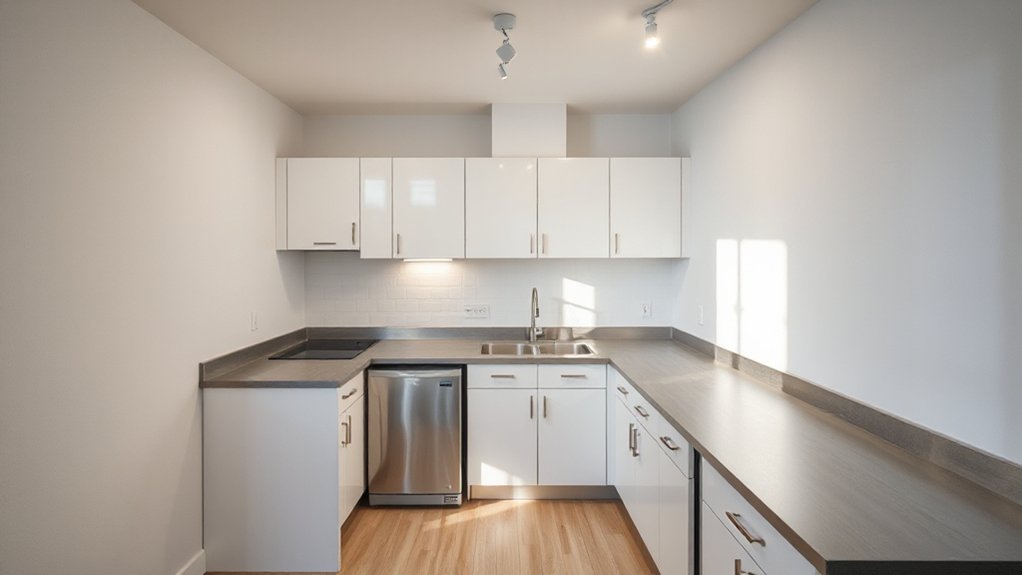
Durable, low-maintenance kitchens are essential for high turnover because they minimize downtime and maintenance costs while supporting intensive use. You’ll prioritize robust, easy-clean surfaces, integrated storage, and hardware designed for brisk, repetitive use.
Data shows stainless steel or solid-surface counters reduce wear marks and simplify sanitization, cutting cleaning time by notable margins between tenants. Choose components with simple lines and hidden seams to deter damage and simplify replacements.
Eco-friendly appliances align with student budgets and sustainability goals, lowering long-run utility and service calls. Minimalist design limits clutter, improves sanitation, and speeds turnover inspections.
Plan modular layouts that accommodate compact, multi-student living; ensure analog-to-digital controls are intuitive for diverse users. The result: reliable kitchens that support rapid leasing and proactive maintenance.
Energy Upgrades That Cut Bills for Students and Parents
Energy upgrades can directly cut bills for students and parents, especially after implementing durable, low-maintenance kitchens that reduce maintenance downtime.
You’ll see measurable savings when you install high-efficiency heat pumps, LED lighting, and smart thermostats that optimize usage without sacrificing comfort.
Prioritize insulating envelopes and draft-proofing to minimize energy losses between semesters, then couple these with on-site renewable energy sources where feasible.
Track metrics like annual kWh reductions, grid demand charges, and payback periods to justify continued investments.
Pursue Green certification to validate performance, attract roommates, and secure favorable financing terms.
Emphasize scalable upgrades—modular heat pumps, PV-ready roofs, and smart metering—to align with student turnover.
The result: predictable bills, higher demand, and tailored affordability for families.
Renewable energy integration reinforces long-term value.
Safety Upgrades Parents Trust in Student Housing
Safety upgrades parents trust in student housing begin with verifiable, long-lasting protections that reduce risk and disruption. You’ll prioritize campus safety features backed by data, such as monitored entryways, secure access controls, and real-time alert systems that shorten incident response times.
Evidence shows properties with dedicated safety staff and rigorous vendor vetting achieve lower incident rates, boosting parental trust. You’ll implement clear safety protocols, including evacuation drills, illuminated paths, and visible emergency contact information, all aligned with local regulations.
Data demonstrates higher occupancy and retention when safety metrics are transparent and trackable. You’ll communicate performance metrics to families, emphasizing continuous improvement and third-party audits.
This approach signals commitment to campus safety, strengthens parental trust, and differentiates your property in a competitive rental market.
Durable Materials and Easy Maintenance for Longevity
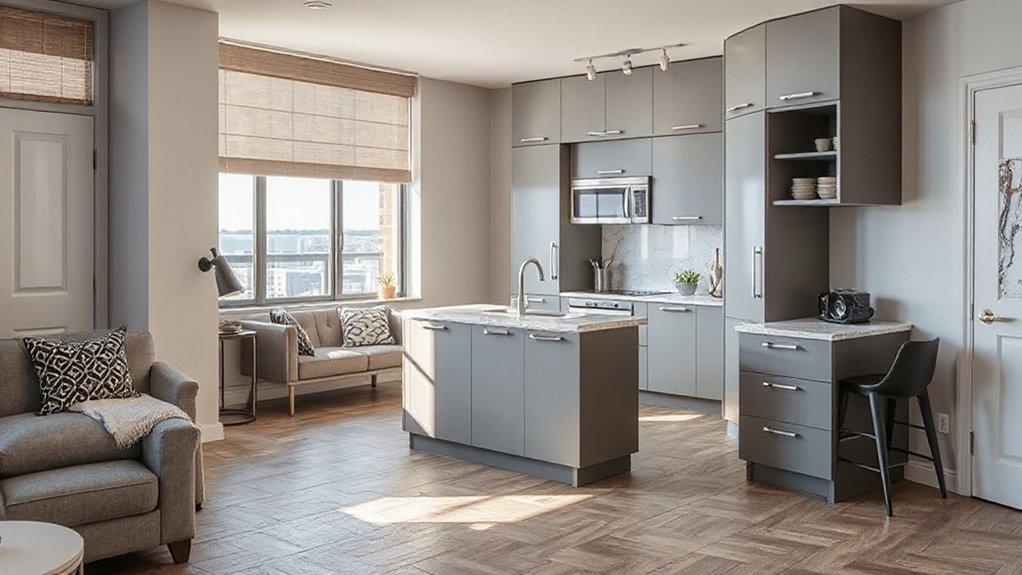
If you want longevity and lower maintenance costs, choose durable materials and design for easy upkeep from day one. Your renovation plan should prioritize materials with proven wear resistance, low stain propensity, and simple replacement options. Durable options reduce lifecycle costs and downtime, keeping units rentable longer between turnovers.
Favor surfaces that tolerate scuffs, moisture, and high traffic, and select finishes that resist fading in shared lighting. Integrate Eco friendly materials where possible to meet student expectations and city standards, without sacrificing performance.
Streamlined maintenance paths, such as accessible cleaning routes and modular components, cut service time and disruption. Pairing durability with aesthetic enhancements delivers lasting appeal, supporting steady demand while keeping operating expenses predictable.
Data-driven evaluation guides material selection and maintenance scheduling for sustained profitability.
Smart Comfort: Temperature Control and Sensor-Driven Comfort
Building on durable, easy-maintenance materials, you can optimize resident satisfaction with precise, responsive climate control. In this section, you’ll quantify comfort gains from sensor-driven approaches and project occupancy impact.
Temperature sensors monitor real-time conditions, enabling rapid adjustments that reduce hot or cold spots across units. Pair them with smart thermostats to automate schedules, detect anomalies, and cut energy waste without sacrificing user control.
Data indicates responsive systems lower complaint rates and support longer tenancies, especially in high-occupancy student blocks. Implementing zoning and remote access lets residents tailor comfort while giving managers diagnostics dashboards for preventative maintenance.
Prioritize reliable connectivity, intuitive interfaces, and privacy safeguards. The result is consistent comfort, lower churn, and smarter utilization of building envelopes.
Pricing, Leases, and Perks: Aligning Renovations With Demand
Pricing and lease terms should reflect how students value flexibility and perks, with data guiding the right balance between rent, commitments, and added benefits.
Consider tiered lease options and move-in incentives that correlate with occupancy patterns and semester timelines.
We’ll explore how perks like utilities, fast Wi‑Fi, and study spaces drive willingness to pay while keeping overall cost transparency and predictability.
Pricing Alignment Strategies
To optimize demand, align pricing, leases, and perks with observed student preferences and market signals. You’ll segment offerings by campus, program, and housing type to sharpen market segmentation.
Then, adjust rents using dynamic pricing to reflect demand swings, term lengths, and seasonal cycles. Pair base rates with tiered perks—furnished options, included utilities, or study-oriented amenities—matched to each segment’s value profile.
Track occupancy, renewal, and lapse risks weekly, and pull signals from applicant quality, time-to-fill, and competitor moves to recalibrate quickly.
Reduce friction by clarifying lease terms, deposit structures, and renewal incentives in transparent dashboards.
Prioritize data integrity, scenario planning, and rollout timing to sustain occupancy without eroding margins.
Continuous optimization keeps you aligned with evolving student preferences and market signals.
Lease Flexibility Features
Lease flexibility is essential to capture demand for renovated student housing, so you should blend pricing, leases, and perks into cohesive, responsive options.
You’ll track occupancy trends, renewal rates, and churn to shape rental agreements that reduce vacancies. Offer tiered pricing, short- and mid-term options, and move-in incentives tied to academic calendars to match student timelines.
Integrate flexible lease terms with clear penalties to minimize friction when plans change. Pair leases with perks like utilities, furnished options, or study spaces to raise perceived value without locking you into sunk costs.
Monitor data on demand spikes by semester, adjusting caps on sublet clauses and renewal windows accordingly. Stay compliant, transparent, and pro‑active to maximize occupancy, revenue, and student satisfaction through adaptive rental agreements.
Frequently Asked Questions
How Does Location Near Campus Impact Renovation ROI for Rentals?
Location near campus boosts ROI by attracting commuters and on-campus students, driving occupancy and rents; your renovation costs will be balanced by faster lease-ups as rental market trends favor walkable access, online visibility, and timely upgrades.
Which Renovations Boost Appeal to International Students Most?
Symbolism anchors your choice: you trade bland spaces for lasting appeal. You should prioritize interior aesthetics and utility upgrades, because international students value comfort and reliability. You’ll attract demand with data-driven tweaks, delivering optimized, forward-looking interior aesthetics and utility upgrades.
Do Gender-Segregated Living Spaces Affect Demand and Pricing?
Gender segregation may lower demand and compress pricing, as living preferences shift toward inclusive options. You’ll see broader appeal when you offer flexible layouts and analyze occupancy data to optimize pricing, occupancy, and guest satisfaction.
What Safety Certifications Matter Most to Student Tenants?
You should prioritize Safety standards and Certification requirements, since tenants demand verifiable compliance. You’ll align with evolving codes, document tests, and pursue third-party validation, ensuring transparent reporting. This data-driven approach boosts trust, retention, and future rental attractiveness.
How Quickly Can Renovations Influence Occupancy Rates?
You notice coincidence: renovations can boost occupancy within 3–6 months, depending on scope. Historical trends show faster returns with targeted upgrades; renovation costs rise upfront but pay off as demand strengthens and rents stabilize over time.
Conclusion
Prioritize renovations that directly boost safety, connectivity, and study efficiency, because data shows these drive demand from international and graduate students. Invest in modular, soundproof study areas, flexible living spaces, durable kitchens, energy-efficient systems, and smart climate controls. Pair these upgrades with transparent pricing, flexible leases, and appealing perks like high-speed Wi‑Fi and utilities included. This data-driven approach future-proofs your property, turning it into a high-demand, low-risk asset—the proverbial win-win when student needs evolve. Irony aside, clarity wins.