
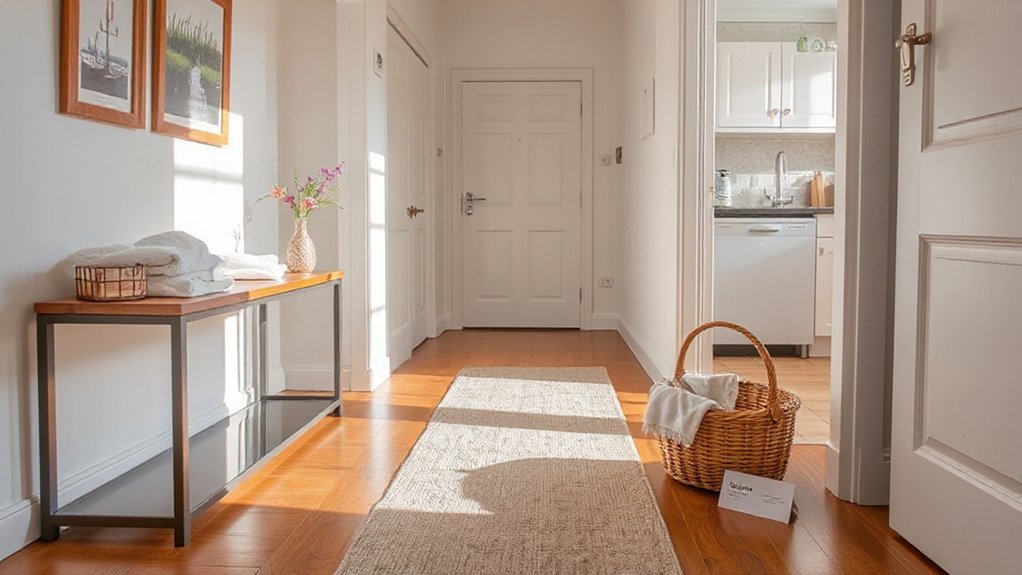
Did you know that well-run short-term rentals can earn 20-30% more per night with better pricing and reliability? You’ll want safety checks, clean routines, and ready-to-use essentials so guests feel at home from the moment they arrive. Get the basics in place, keep operations tight, and set clear policies—then you’ll see where a few tweaks can boost reviews and occupancy. The key moves who else is doing this—and what you can copy for faster results.
Get Safety Basics Guest-Ready
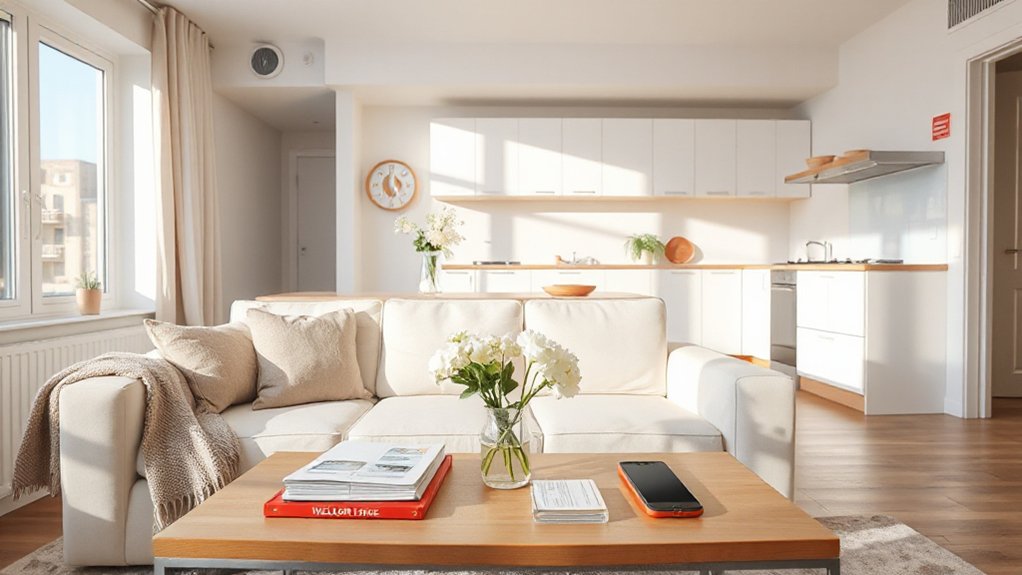
To get safety basics guest-ready, start with essential protections that guests will notice first: working smoke and carbon monoxide detectors, accessible fire extinguishers, and clear exit paths. You’ll verify detectors have fresh batteries, test alarms, and document maintenance dates for guests’ trust.
Post easy emergency procedures in a prominent, well-lit spot and keep a simple map of exits. You’ll also provide a first-aid kit and guarantee outlets and lighting meet safety codes, with childproofing if needed.
Emphasize Guest communication by sharing safety steps before arrival and during stay, so guests know what to do. Highlight Local attractions nearby to reassure visitors they can plan activities without compromising safety.
Regularly review safety data, update signage, and log checks to sustain consistent protection.
Stock Must-Have Amenities Guests Expect
You’ll set up essentials that guests rely on for comfort and convenience, from daily needs to long-tail habits. Stock your kitchen with pantry staples, keep comfort towels and fresh linens ready, and guarantee core amenities cover Essentials Every Stay Needs.
This is the backbone of repeat bookings, so track usage data and respond quickly to guest feedback to refine what’s stocked.
Essentials Every Stay Needs
Every guest expects a basic, reliable setup, so stock your property with essentials that cover sleep, hygiene, food prep, safety, and quick fixes.
For sleep, provide a comfortable mattress, quality linens, and extra pillows.
Hygiene essentials should include body wash, shampoo, soap, toothpaste, towels, and a quick-dry rack.
Food prep basics mean a clean kettle, coffee maker, basic utensils, and a small set of cookware.
Safety items must include a working smoke detector, fire extinguisher, first-aid kit, and clear emergency instructions.
Quick fixes require a tool kit, spare light bulbs, and a simple maintenance guide.
Emphasize Luxury design in decor touches without sacrificing practicality, and showcase local attractions to boost guest satisfaction and repeat bookings.
Kitchen Pantry Staples
Stocking the kitchen with pantry staples guarantees guests can cook simple meals without hunting for basics. A well-stocked lineup supports comfort and efficiency, reducing guest inquiries and improving reviews.
Prioritize versatile items: olive oil, salt, pepper, sugar, coffee, tea, spices, and basic canned goods. Include breakfast essentials, such as oatmeal or cereal, and a few quick-dine options like pasta and sauce.
For perishables, offer a modest, clearly labeled fridge section and durable storage containers.
Emphasize kitchen organization by grouping similar items together and labeling shelves to speed prep. Integrate pantry design principles into the setup: easy-to-reach zones, clear inventory cues, and a slim, obstacle-free layout.
Regularly audit supplies, replace expired goods, and maintain a tidy, accessible pantry for consistent guest satisfaction.
Comfort Towels And Linens
Comfort towels and linens are nonnegotiable for guest satisfaction, so stock a generous set of soft, quick-dry towels and clean, well-fitting sheets in multiple sizes.
You’ll reduce turnover friction by providing bath, hand, and face towels in standard and larger formats, plus at least one spare set per bed.
Prioritize fabric quality and care: test colorfastness, verify consistent stitching, and label linen counts for quick audits.
Choose luxury textures that feel premium yet withstand repeated washing, and include eco-friendly fabrics to appeal to sustainability-minded guests.
Rotate linens weekly based on occupancy data, and replace visibly worn items before guests notice.
Document care instructions for cleaners to minimize damage and extend lifespan, maximizing overall value and guest satisfaction.
Set Up a Quick-Clean Routine to Speed Turnover
Set up a Quick-Clean Checklist that you can run in under 15 minutes between guests, and track turnover time targets to spot bottlenecks.
Keep a supplies readiness protocol: pre-stock essentials, label restocks, and confirm PPE and tools are in place before each clean.
Use data to refine the process, trimming steps that don’t cut turnover time or improve guest satisfaction.
Quick-Clean Checklist
A quick-clean routine keeps turnover fast and guests satisfied, so you can reset the space in one focused pass. Start with a standardized lineup: empty trash, wipe high-touch surfaces, dust, vacuum, and sweep floors, then refresh linens and towels.
Create a 10–15 minute post-stay protocol for each room, noting specific product choices and placements to minimize search time for cleaners. Use checklists that mark done/needs attention, and track completion times to identify bottlenecks.
Maintain safety by inspecting cords, vents, and appliances for faults before the next guest. Keep garden landscaping and common outdoor area tidiness as part of exterior cleanliness.
Be mindful of legal considerations, such as local occupancy rules, insurance requirements, and disclosure obligations, to protect your operation. Regularly review data and adjust the checklist accordingly.
Turnover Time Targets
Turnover time targets anchor a fast, reliable clean. You set precise benchmarks for each phase: guest check-out, quick re-entry, and start-of-stay readiness. Track time-to-clean, time-to-laundry cycle, and surface-ready intervals, then tighten where delays occur.
Use data to establish a sustainable sprint cadence—define target minutes per room, per task, and per handover. Train staff on a quick-clean routine that prioritizes high-impact tasks and eliminates redundancy.
Communicate clearly with property marketing about updated availability and with guests about check-in expectations to minimize gaps. Maintain visibility: post daily variance reports and root-cause summaries to keep turnover in control.
Regularly review metrics to refine sequences, ensuring consistent, high-quality outcomes across all stays and reducing downtime between bookings. guest communication, property marketing.
Supplies Readiness Protocol
To speed turnover, implement a Supplies Readiness Protocol that pre-stages every item before guests depart. You pre-pack rooms with a standardized kit: towels, basics, and a cleaning caddy mapped to each zone, so cleaners finish faster and with fewer trips.
Track stock levels in a simple sheet; reorder thresholds prevent outages that stall turnovers. Label bins and carts clearly, linking each item to a guest-ready checklist and a property-branding cue, reinforcing consistency.
Use color-coded zones to minimize misplacement and guarantee rapid restocking between stays. Integrate local attractions into guest communications and welcome kits, so turnover teams rotate smoothly between guest departures and new arrivals.
Data-driven prompts, like time-stamped resets and bite-size audits, keep the routine efficient and predictable.
Choose Durable, Budget-Friendly Furnishings
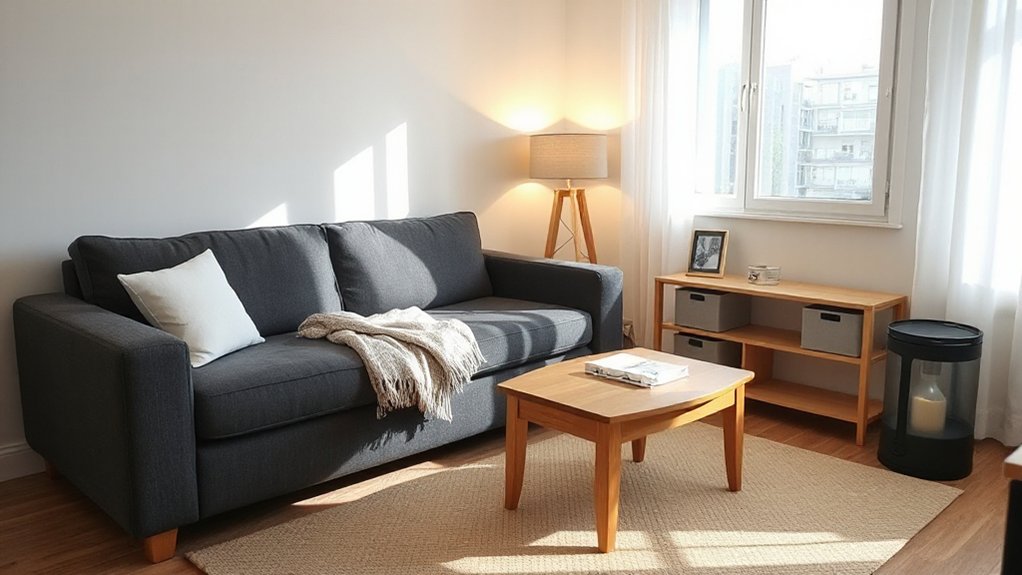
When choosing furnishings for a short-term rental, durability and cost matter most because high-traffic turnover demands reliable pieces that won’t break the bank. You should prioritize solid-core materials, reinforced joins, and machine-washable fabrics that withstand frequent cleaning.
Look for simple, modular designs with spare parts available and easy replacements. Measure doorways and verify deliveries fit through tight spaces to avoid costly backtracking. Favor budget furnishings from reputable brands offering warranties, so you’re protected if wear exceeds expectations.
Conduct quick on-site tests: sit, raise, wipe, and inspect seams. Track total cost of ownership, not just upfront price, to compare options fairly.
Prioritize furniture durability and functional appeal without inflating initial spend, and align selections with your target guest profile and anticipated turnover rates.
Stage Your Space for a Strong First Impression
Start by decluttering before showings to guarantee spaces read as larger and calmer. Then optimize first impressions with clean, well-lit entryways and representative photos.
Aim for neutral, widely appealing styling that supports safe, fast bookings while still feeling inviting. Use data-informed cues—minimal decor, cohesive color, and clear, functional layouts—to set the stage for success.
Declutter Before Showings
Decluttering before showings matters because it creates a clean, inviting backdrop that helps potential tenants picture themselves living here. You’ll reduce visual noise, making key features stand out and the space feel larger.
Start with a quick audit: remove personal items, excess furniture, and irrelevant decor. Aim for surfaces clear of clutter and hidden storage for testing, not hiding.
Use a simple Declutter organization approach: categorize items, assign homes for essentials, and store the rest out of sight.
Maintain a neutral palette to support Minimalist decor, which helps buyers visualize fits and layouts without distraction.
Invest 15–30 minutes daily to keep common areas tidy, especially before tours. Simple benchmarks—one clear surface per room and half the closet contents—drive consistent, market-ready presentation.
Optimize First Impressions
First impressions set the tone in seconds, so stage your space to signal value and livability from the moment guests walk in. Start with a clean, uncluttered entry and a welcoming scent. Use neutral, durable finishes and guarantee furnishings are proportionate to each room to avoid visual noise.
Highlight key features with focused lighting and strategic staging that guides guests toward the best selling points. Invest in garden landscaping to create curb appeal: trim edges, mulch beds, and add low-maintenance greenery.
Outside, install discreet outdoor lighting to extend the perceived value after dark and improve safety. Bridge indoor and outdoor spaces with cohesive styling and a clear layout, so guests feel instantly comfortable and understand how the space supports daily living.
Quantify improvements to demonstrate value in listings and reviews.
Style For Neutral Appeal
To achieve a strong first impression, aim for neutral, timeless styling that appeals to a broad audience. You’ll boost bookings by prioritizing cohesive palettes, durable finishes, and uncluttered surfaces that photograph well.
Focus on property aesthetics: choose understated textures, quality lighting, and balanced furniture layouts that maximize space and circulation. Avoid niche trends that date quickly; opt for classic silhouettes and versatile pieces.
Use soft, ambient lighting to create warmth without glare, and make certain linens, curtains, and accents stay within a restrained color scheme.
Check local regulations for safety-compliant decor choices, such as anchoring heavy items and avoiding prohibited materials.
Keep a simple, scalable staging plan so refreshes stay cost-effective and fast between guests.
Measure impact with quick occupancy and review feedback to refine styling over time.
Do Proactive Maintenance and Safety Checks
Proactive maintenance and safety checks are essential to protect guests, protect your investment, and keep bookings flowing. You should treat upkeep as a business process, not a reactionary task.
Establish a property inspection cadence to catch wear before it becomes a failure, and document every finding with clear actions and dates.
Build a maintenance schedule that assigns owners, frequencies, and budgets, so nothing slips between the cracks.
Prioritize critical systems—smoke alarms, carbon monoxide detectors, heaters, plumbing, and electrical safety—because failures here disrupt stays and trigger refunds.
Use checklists that are simple to follow, updated after every stay, and paired with supplier contacts for swift repairs.
Track outcomes to measure reliability, guest satisfaction, and overall return on investment.
Establish Guest-Friendly Rules and Expectations
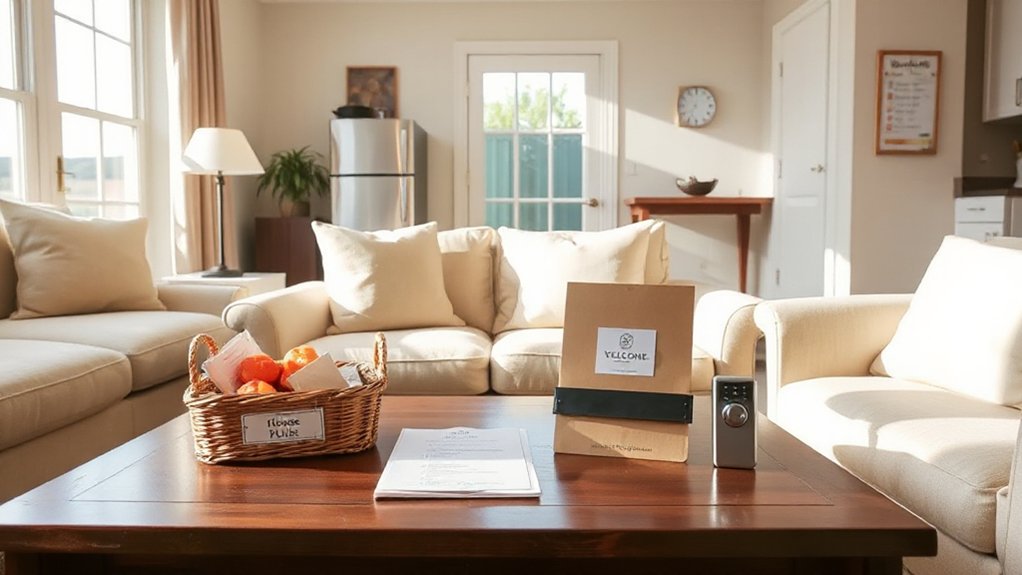
Clear guest expectations set the tone for smoother stays and fewer misunderstandings. You’ll define quiet hours, check-in processes, and house rules in a concise welcome guide. Use plain language, avoid jargon, and highlight consequences for violations to prevent disputes.
Implement a simple conflict-resolution path, including who to contact and expected response times; this boosts trust and reduces friction.
In your guest communication, emphasize essential amenities, safety basics, and trash/sorting procedures, so expectations align with reality. Tie these rules to your marketing strategies by showcasing reliability and professional standards in listings and pre-stay messages.
Collect feedback after stays to refine rules and update materials, ensuring relevance as your property and guest mix evolve. Regularly review rule clarity for consistency across channels, preventing misinterpretation and enhancing guest experience.
Price Smartly and Optimize Occupancy
Pricing smartly and maximizing occupancy isn’t about guessing—it’s about data, discipline, and flexible tactics.
You’ll start with a baseline rate derived from comparable fixtures, seasonality, and local demand, then adjust with real-time signals like booking windows and lead time.
Use pricing strategies that segment by stay length, weekday versus weekend demand, and guest type.
Track occupancy trends weekly; if you’re under-occupying, dip selectively or add value through non-monetary perks rather than broad discounts.
Test dynamic adjustments in small increments, and document your results to refine rules.
Enable transparent cancellation and clear minimum stay rules to stabilize turnover.
Communicate price changes clearly to maintain trust.
Regularly review performance metrics and refine your occupancy optimization approach to sustain steady bookings.
Set Up Streaming, Wi‑Fi, and Guest-Ready Tech
To get ready for guests, set up reliable streaming, fast Wi‑Fi, and guest-friendly tech that’s easy to use and easy to support.
Start with a robust streaming setup: choose a single, high‑performance router, a wired Ethernet backbone where possible, and a budget-friendly, reliable streaming device.
Test streaming platforms you expect guests to use and document simple troubleshooting steps.
For Wi Fi optimization, deploy a guest network with a separate SSID, enable strong WPA3 encryption, and horizon‑test coverage to minimize dead zones.
Prioritize plug‑and‑play devices and automatic updates to reduce on‑site interventions.
Provide quick instructions in plain language, and label ports and remotes clearly.
Track performance metrics (throughput, jitter, packet loss) to inform future upgrades and keep reviews strong.
Manage Compliance and Risk With Confidence
As you move from setting up guest-ready tech, you’ll want to anchor your property program in solid compliance and risk practices. Start with clear occupancy limits, local licensing, and transparent guest disclosures to reduce violations and fines.
Track regulatory changes quarterly and adjust policies, pricing, and terms accordingly.
Document safety checks, incident logs, and maintenance responses to support any claim or audit.
Prioritize insurance coverage by confirming endorsements for short-term rental activities, host liability protection, and property damage, updating policies as your portfolio grows.
Implement a standardized incident response, emergency contact, and data‑privacy protocol to limit liability and protect guest data.
Regularly review contracts with cleaners, management, and vendors to guarantee they meet legal and risk requirements.
Frequently Asked Questions
How Do I Handle Last-Minute Bookings or Booking Gaps?
When last-minute bookings or gaps occur, you adjust occupancy by offering flexible check-in times and pricing. Update guest check in, tighten cleaning schedule, and use real-time calendars to optimize turnover and reduce idle nights efficiently.
What Are Essential Safety Certifications I Should Obtain?
You should obtain essential safety inspections and meet certification requirements before listing. Schedule annual fire and carbon monoxide tests, electrical safety checks, and gas safety certificates, maintaining records. These data-driven steps reduce risk, protect guests, and improve compliance.
How Can I Minimize Guest Communication Delays?
You minimize guest communication delays by standardizing responses and monitoring dashboards; aim for instant auto-replies for common queries and set alerts for high-priority messages, maintaining a target response time of under 15 minutes for critical guests.
Which Taxes Apply to Short-Term Rentals in My Area?
Local zoning restricts or permits your operation, insurance coverage matters, and taxes differ by jurisdiction. You’ll verify local zoning, confirm insurance coverage, monitor occupancy taxes, report income, and track deductions for accurate, compliant reporting.
How Do I Protect My Property From Damage or Theft?
Implement property insurance and install security systems to deter theft and damage. You should document photos, enforce guest policies, and require deposits; monitor with cameras in public areas, use smart locks, and schedule regular maintenance for rapid responses.
Conclusion
Think of your rental as a sturdy lighthouse. You light the path with safety checks, clean sails, and well-lit entryways, guiding guests to a smooth stay. The sturdy furnishings and quick-clean routines are your steadfast beams, keeping patterns predictable and turnover swift. Transparent rules are the harbor’s map, pricing the current, occupancy the tide. With reliable Wi‑Fi and guest-ready tech, you attract steady ships. Compliance and risk management keep the beacon shining, year after year.