
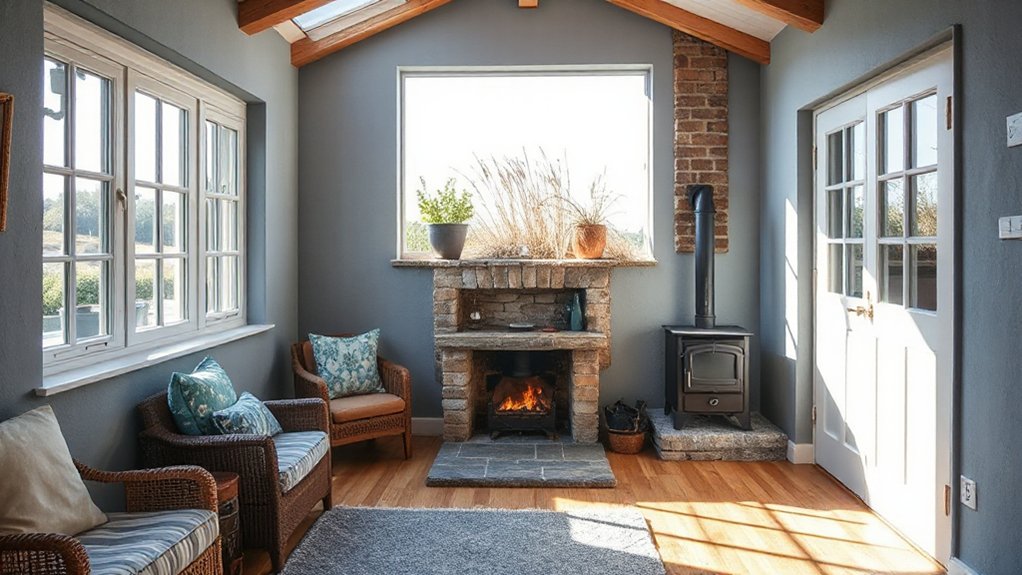
If you’ve stood by a shoreline and watched the sea’s salt spray cling to railings, you know the stakes for your home. You’ll want weatherproof cladding, sealed joints, and robust ventilation to fend off damp and wind-driven rain. Think corrosion‑resistant doors and thermally broken windows, plus sturdy gutters and roofing that shrug off salt air. The practical payoff: lower maintenance, better energy bills, and a durable shell that keeps comfort intact as the coast howls. Ready to pick a plan that fits your coast?
Coastal Homes: What Salt, Damp and Wind Do to Your House
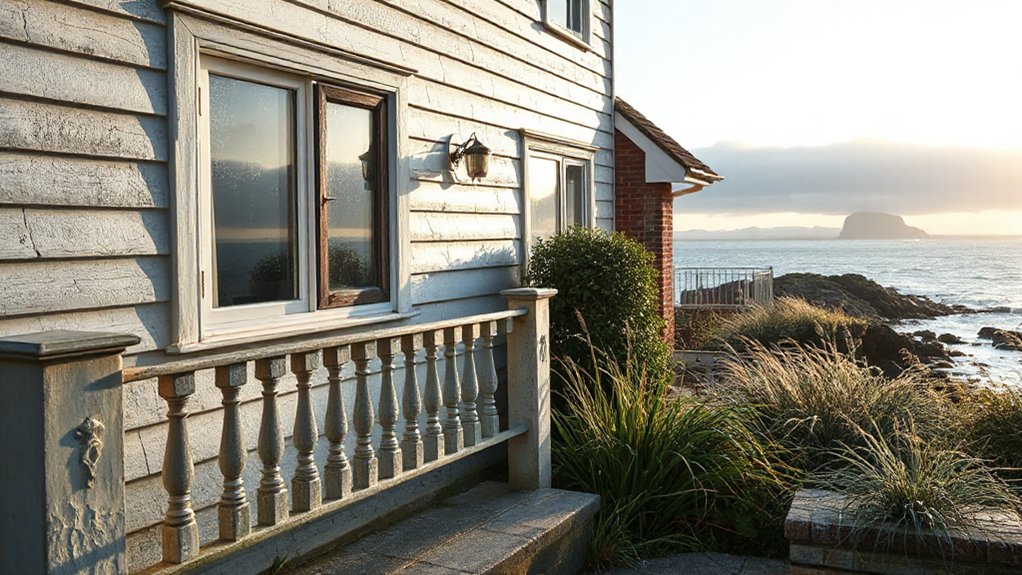
Coastal homes face harsher conditions than inland properties, and salt, damp, and wind are the main culprits. You’ll notice salt penetration along exterior masonry, metal fittings, and window frames, accelerating degradation if untreated.
Marine corrosion targets iron, steel, and alloy components, weakening fasteners and hardware that hold gutters, brackets, and rails in place.
Damp manifests as persistent condensation, hidden mold, and timber rot in frames and floors, especially where rainfall splashes or wind-driven spray reaches walls.
To counter this, you’ll prioritize proper drainage, moisture barriers, and breathable but water-resistant membranes.
Regular inspections catch rust, peeling paint, and warped boards early.
Choose coastal-grade materials, detail joints to shed water, and seal penetrations.
A proactive maintenance plan sustains value as trends favor durable, low-maintenance finishes.
Weatherproof Cladding Options That Stand Up to Sea Spray
Sea spray can quicken wear on exterior walls, so you’ll want weather-resistant cladding that stays sturdy year after year. Consider salt‑resistant options like fiber cement, metal Panels, and coated timber that resist damp, corrosion, and UV fading while keeping a clean, modern look.
Prioritize low maintenance, proven coastal performance, and cost-effective longevity as you compare textures, profiles, and fastening systems.
Weather-Resistant Cladding Choices
Choosing weather-resistant cladding is essential when you’re upgrading homes along windy shorelines, and the right materials keep sea spray from compromising structure and curb appeal.
For practical durability, pick boards or panels with low water absorption and high stiffness, such as fiber cement, composite, or treated timber with proven rot resistance. Look for finishes that resist UV degradation and salt exposure, plus concealed fixings to reduce corrosion.
Harsh winds demand overlapping joints and reinforced corners, while salt corrosion benefits from non-corrosive fasteners and stainless or polymer architectural fixings.
Consider color-fast, low-maintenance options like ceramic-coated metal or mineral-based claddings that won’t warp in temperature swings.
Guarantee ventilation gaps are intentional to prevent moisture buildup, and choose drafts-friendly profiles to minimize wind-driven rain ingress.
Salt-Resistant Exterior Materials
Salt spray demands materials that resist corrosion, delaminate, and color fade, so pick cladding that combines non-corrosive fasteners with salt-tolerant substrates. You’ll want options with proven corrosion resistance and stable finishes in coastal atmospheres.
Consider fiber cement, advanced composites, and metal panels treated for salt exposure, all offering low maintenance and longer lifespans. For each choice, verify warranty terms, UV stability, and a tight panel system to minimize water intrusion.
Seal edges and joints with marine-grade sealants, and choose colors that resist fading from persistent sea spray. Ventilation behind cladding reduces moisture buildup, preserving integrity.
Prioritize materials that resist salt damage while keeping aesthetics contemporary. Target consistent performance, assign clear maintenance intervals, and document performance notes for future upgrades.
Durable Doors and Windows for Coastal Energy Savings
Upgrading doors and windows is one of the most practical steps you can take to save energy in coastal UK homes, where salty air and strong winds test durability.
Choose storm resistant doors and corrosion proof windows that deliver airtight seals and low thermal transfer. Look for frames with a thermally broken design, powder-coated finishes, and stainless steel fittings to resist salt exposure.
Opt for multi-point locking systems for security without drafting gaps. Consider double or triple glazing with low-emissivity coatings and argon filling to curb heat loss while reducing condensation.
Install properly sealed sashes and weatherstripping, plus effective drainage to prevent moisture ingress.
Finally, match hardware and glass to your home’s aesthetic while prioritizing performance and long-term resilience.
Coastal Roofing and Gutters Built for UK Weather
You’ll want roofing and gutters that stand up to salt air and heavy rain, so storm-season durability is non-negotiable.
Think coastal-ready details like salt-tolerant materials, seamless gutters, and reinforced joints that resist corrosion.
We’ll unpack how to balance long-term performance with cost and curb appeal, keeping you ahead of evolving UK weather trends.
Coastal Roof Durability
Coastal roof durability hinges on two factors: materials built to resist salt spray and moisture, and a drainage strategy that keeps water off the deck. You’ll choose corrosion-resistant metals, coated timber, or fiber cement with salt-spray ratings suitable for exposed UK shorelines.
Seal joints thoroughly and install underlayment rated for high humidity to prevent leak paths. Keep fasteners corrosion-resistant, and use hidden fixings where possible to reduce wind-driven wear.
Drainage matters: install continuous eaves, ventilated soffits, and a sloped roof with a progressive gutter system that directs runoff away from foundations.
Consider roof timber treated for marine environments and color schemes that blend with coastal scenery. Be mindful of marine flora near the property and use detailing that mitigates coastal erosion while preserving aesthetic appeal.
Regular inspections win long-term durability.
Weather-Resistant Gutters
Weather-resistant gutters are key on exposed UK coastlines, where salt spray and driving rain demand coatings and profiles that shed moisture quickly and resist corrosion. You’ll prefer seamless or concealed systems, with high-flow elbows and backer rod seals to handle heavy storms without leaks.
Choose coatings like fluoropolymer or hard-wearing polyester for long-term salt resistance, and guarantee UV stability to prevent degradation.
Installation should prioritize slope for ideal drainage and easy inspection, with hidden hangers that resist wind uplift.
Regular gutter maintenance is essential—clean debris, check seals, and test outlets after storms.
For rainwater harvesting, size and orient gutters to capture peak rainfall efficiently, while maintaining aesthetics.
Align material choices with your budget, climate, and future-proofing goals.
Salt-Tolerant Materials
Salt-tolerant materials are non-negotiable for coastal UK roofing and gutters, where salt spray, high winds, and rapid weather shifts test durability. You’ll want metals and composites with proven marine corrosion resistance, plus coatings that guard against salt spray intrusion.
Look for galvanised or stainless steels with high-grade coatings, copper alloys, and fiber-reinforced polymers designed for coastal exposure. For tiles and membranes, choose products certified for salt spray resistance and humidity cycling, along with seals rated for brine and saline mist.
Fasteners should be stainless or hot-dip galvanised to match substrate longevity. Consider maintenance intervals that align with seasonal changes, and inspect joints after storms.
Prioritize warranties that cover coastal salt exposure, ensuring long-term performance.
Moisture Control at the Coast: Ventilation That Prevents Mould
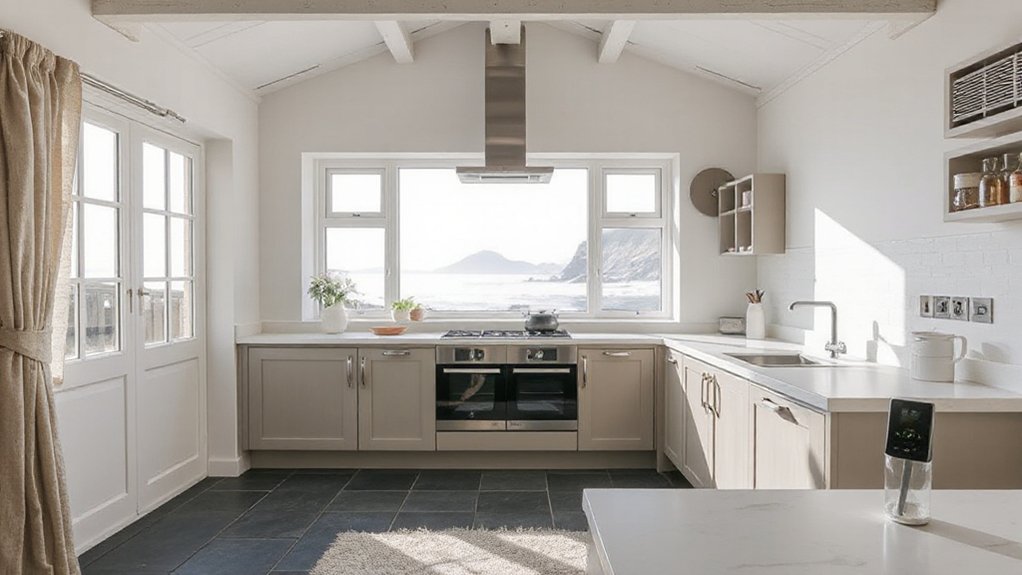
Keeping moisture in check is essential along the coast, where sea breeze, humidity, and temperature swings can fuel mould growth in homes. You’ll reduce risks with targeted moisture barriers and well-designed ventilation systems that adapt to changing coastal conditions.
Start by sealing high-risk joints, gaps, and crawl spaces to slow damp ingress. Then install continuous ventilation that works with humidity sensors rather than relying on manual timing.
Choose fans with variable speed and automatic dampness controls to maintain steady air exchange without drafts. Position extract systems in kitchens and bathrooms to pull humid air quickly.
Ensure air intake locations avoid direct sea spray. Regular maintenance keeps filters clean and performance reliable, preventing hidden mould before it takes hold.
Insulation and Glazing Choices for Lower Bills at the Seaside
Choosing the right insulation and glazing at the seaside can cut your bills without sacrificing comfort. You’ll want high-performance cavity or internal insulation that minimizes thermal bridging, especially around external walls and roof junctions.
Pair this with low-U-value glazing—ideally double or triple glazing with low-emissivity coatings and argon-filled panes—to reduce heat loss while maximizing daylight. Focus on airtight sealing around frames, three-step door and window detailing, and continuous floor-to-wall insulation to prevent drafts.
Consider ventilated, moisture-mirected detailing to prevent condensation, but avoid creating cold bridging paths. Select warm-edge spacers and robust air-barrier systems that integrate with your existing fabric and weatherproofing.
Finally, balance upfront costs with long-term savings, ensuring compatibility with coastal humidity and wind exposure. Regular maintenance sustains performance.
Practical Coastal Layouts and Interior Upgrades
Coastal layouts should prioritize flow and resilience, so you can enjoy easy movement between living, dining, and outdoor-adjacent spaces even on breezy days. In this zone, plan multi-use spaces with sliding or bi-fold doors that blur indoors and outdoors, maximizing natural light without sacrificing insulation.
Choose furnishing with weather-ready fabrics and durable finishes, and position seating to face vistas while keeping traffic clear. Seaside landscaping and coastal garden design should echo the home’s layout: low-maintenance borders, windbreak hedges, and permeable paving for damp punctuations.
Integrate built-in storage under window seating to reduce clutter and keep rooms airy. Favor neutral tones with coastal accents, and install smart lighting and shade solutions to adapt to shifting sun and tides.
Coastal Planning Rules and Cost-Effective Renovation Paths

To plan smartly in coastal UK areas, start by grounding your renovation in local rules and real-world costs that affect every step from approvals to finishes. You’ll navigate zoning restrictions early, mapping what’s allowed on your plot, from extensions to outbuildings, to avoid costly redesigns later.
Next, review environmental impact considerations, since coastal sites often demand flood resilience, drainage planning, and materials with low ecological footprints. Choose cost-effective, durable options like insulated render, tiered glazing, and modular joins that reduce waste.
Prioritize simple, reversible changes over heavy structural work to trim permitting time and expenses. Build a phased plan: permitted works first, then add-ons after funding or permit sign-offs.
Finally, align your budget with local procurement, short lead times, and contractor transparency to stay on track.
Frequently Asked Questions
How Does Salt Exposure Affect Timber Treatment Longevity?
Salt exposure accelerates timber deterioration; it speeds salt corrosion and undermines protective finishes, reducing treatment longevity. You should choose salt-tolerant preservatives and regular resealing for timber preservation, plus moisture barriers, ventilation, and proactive inspection to extend service life.
Which Coastal Walls Resist Wind-Driven Rain Best?
Storm-proof walls resist wind-driven rain best, and you’ll notice it immediately, as you clutch storm resistant roofing and corrosion proof fixtures, choosing sealing methods that last, detailing bond, thickness, and vents for practical, trend-conscious coastal protection.
What Ventilation Rate Minimizes Damp Near the Shoreline?
To minimize damp near the shoreline, target an air change rate around 5–8 ACH, with continuous operation. You’ll improve Indoor air quality using balanced Ventilation systems, including heat recovery, and monitor humidity to stay consistently dry.
Are There Grants for Seaside Energy-Efficient Upgrades?
Seaside wind vs. quiet funding clash: yes, grants exist for seaside energy upgrades. You can apply for solar panels and insulation upgrades, leveraging government schemes and local programs to slash costs while boosting resilience and efficiency.
How Do You Budget for Coastal Renovation Delays?
You’ll budget for coastal renovation delays by padding for insurance claims timelines and contractor delays, tracking costs weekly, and building contingency cushions. Stay trend-aware with flexible schedules, documented approvals, and proactive contingency adjustments to minimize financial shocks.
Conclusion
You’ll protect your coastal home with practical upgrades that resist salt, damp, and wind—think rugged cladding, sealed joints, and vented systems. Choose thermally broken, corrosion-resistant windows and doors, robust roofs, and durable gutters. Control moisture with smart ventilation, insulate well, and opt for low-U glazing to slash bills. Layouts should reduce drafts and boost flow, while coastal planning rules keep renovations sensible. It’s like armour for your house, safeguarding comfort and value against the sea’s fickle mood.