
To boost your EPC rating, start by improving airtightness and insulation where it counts—attic, walls, and gaps around doors and windows—then upgrade to efficient heating and hot water systems. Do a blower door test to find leaks, seal them, and add controlled ventilation. Choose high-ROI upgrades with solid paybacks, like roof insulation and energy-efficient boilers or heat pumps. Plan permits and funding early, estimate costs, and set a clear timeline with milestones. More details await as you continue.
EPC Fundamentals: How the Rating Works and Why It Matters
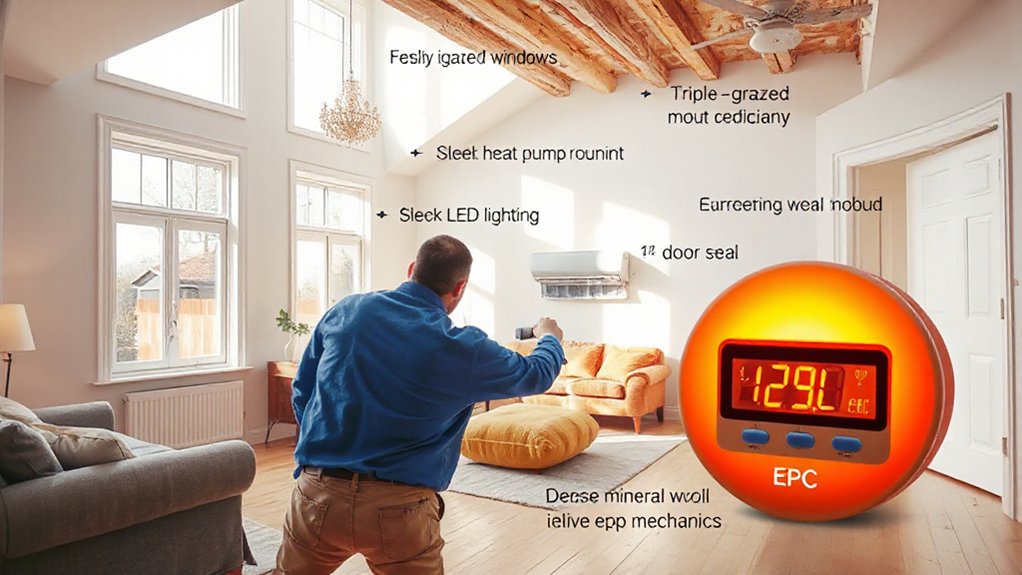
EPCs (Energy Performance Certificates) rate a property from A to G based on its energy efficiency and carbon emissions, and the score reflects the energy bills you can expect as a buyer or tenant. You’ll see how much heat loss, insulation, and heating systems affect overall cost, so you can target high-impact improvements first.
The rating matters because it informs long‑term savings, maintenance needs, and eligibility for incentives. You’ll gain a practical framework for comparing homes, not just spotting flaws.
Focus on verifiable changes: upgrade insulation, seal gaps, and choose efficient heating. Energy efficient landscaping can reduce energy use seasonally, while renewable energy incentives help soften upfront costs for power‑generation upgrades.
Use this knowledge to feel supported, connected, and empowered in your renovation journey.
Set Your EPC Target, Budget, and Timeline
Now that you understand how ratings drive long-term costs and decisions, set a concrete EPC target, budget, and timeline to guide your renovations. Start with a realistic score you want to achieve and the date you’ll review progress.
Break the target into measurable steps: major upgrades, like insulation or heating efficiency, and smaller wins, such as garden landscaping and interior decor tweaks that affect aesthetics and comfort. Attach costs to each item and assign owners or teams.
Then, map a 4–12 month timeline with check-ins and milestones. Build a contingency fund for unexpected issues.
Communicate these plans openly with your household or stakeholders, reinforcing a sense of belonging and shared purpose as you move toward better energy performance and lower bills.
Prioritize Airtightness for Big Energy Savings
Prioritizing airtightness is one of the fastest, most cost-effective ways to cut energy waste and raise your energy performance. You’ll notice immediate gains when you seal gaps around doors, windows, and where services enter the home.
Use a simple, evidence-based approach: perform a blower door test to identify leaks, then tackle high-impact areas first, like junctions between walls and roof and around plumbing penetrations.
Pair sealing with controlled ventilation to maintain indoor air quality.
Remember that outdoor landscaping can influence airtightness by reducing wind-driven heat loss near foundations, so plan plantings that shield the building without compromising airflow.
Pest control plays a part too, since gaps invite infestations.
A tight shell supports comfort, bills, and a shared sense of belonging in your renovator community.
Insulate Where It Counts: ROI-Based Priorities

Prioritize insulation where heat leaks matter most, such as roofs, walls, and gaps around doors and windows, to maximize ROI on energy use.
Focus on areas with the highest heat-loss per dollar spent, using evidence like U-values and local climate data to guide choices.
Start with a quick assessment, then target improvements that reduce continuous heat loss and yield the fastest payback.
Insulation ROI Factors
Evidence shows that well-sealed, insulating envelopes reduce energy waste, cut bills, and improve comfort quickly, especially in older or poorly insulated homes. Choose materials with proven R-values, vapor control, and durability, and install air barriers to prevent drafts.
As you plan, consider exterior aesthetics, landscaping design, and how these features influence wall assembly and shading, since they can complement insulation efforts without adding unnecessary cost.
Track costs versus savings over time, and revisit priorities if utility rates shift. Your informed choices boost EPC ratings while preserving your home’s character.
Prioritize Heat Loss Areas
In the heat-loss battle, focus first on the spaces that leak the most energy, because fixing those areas delivers the fastest, most cost-effective gains. You’ll maximize comfort and EPC without chasing every nook at once. Prioritizing heat loss spots helps you see tangible results, while still aligning with your home’s style and vibe.
Use ROI‑driven choices that blend with landscaping aesthetics and interior decor, so upgrades feel cohesive rather than intrusive.
- Seal gaps around doors, windows, and ducts to stop drafts and boost efficiency.
- Insulate lofts and external walls where heat escapes most.
- Target thermal bridges in foundations and stairwells for steady heat retention.
- Choose easy-to-implement upgrades that complement your design, preserving atmosphere and curb appeal.
Choose Efficient Heating and Hot Water Systems
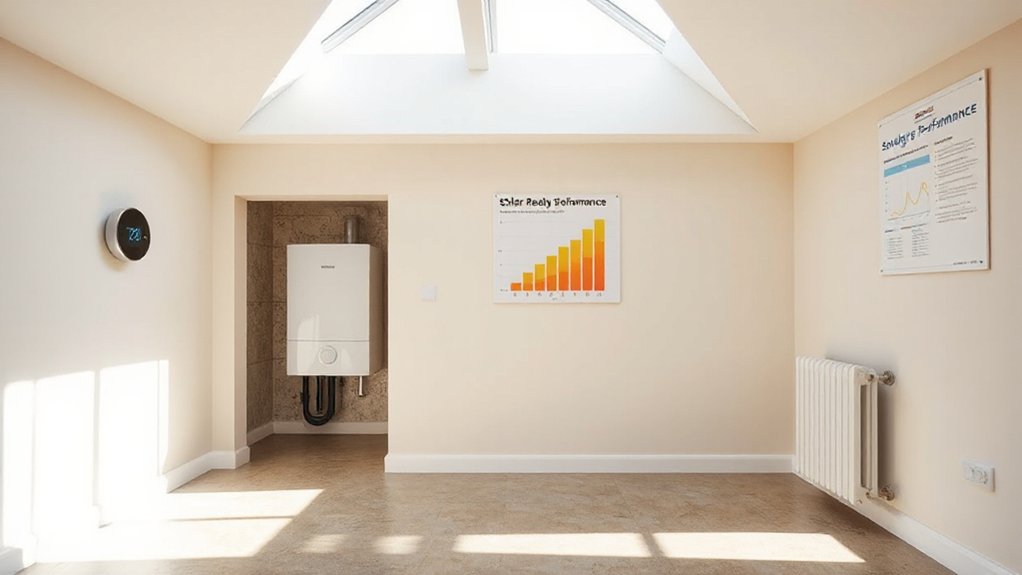
Switch to efficient heating and hot water options that fit your property and budget, starting with systems with high annual fuel utilization efficiency (AFUE) and low carbon footprints.
Consider solar hot water where feasible to reduce grid demand and cut long‑term costs, and pair it with a reliable boiler or heat pump for year-round comfort.
Regular maintenance, including filter changes and annual inspections, keeps performance high and prolongs system life, reinforcing your EPC improvement.
Efficient Heating Options
Choosing efficient heating and hot water systems can dramatically cut energy bills and improve your EPC rating. Start by evaluating your current setup and climate, then compare options based on running costs, maintenance, and effectiveness.
- Assess options: smart thermostats and zoning can adapt temps precisely to reduce waste.
- Consider heat pumps (air-source or ground-source) for renewable energy usage and steady comfort.
- Pair with high-efficiency boilers and well-insulated cylinders to maximize heat retention.
- Prioritize reliability and service access, ensuring ongoing maintenance is affordable and straightforward.
Evidence supports that smart thermostats and renewables lower consumption when paired with good insulation.
Choose a package that fits your home, budget, and lifestyle, and you’ll earn tangible EPC improvements and a warmer, more connected living space.
Solar Hot Water Use
Solar hot water can cut energy use and bills when paired with efficient heating. You’ll benefit from solar thermal systems that preheat water, reducing demand on your boiler or heat pump.
Evaluate options: roof-mounted collectors vs. integrated cylinders, and choose a system sized to your hot water needs. Pair with well-insulated storage and low-heat-loss pipes to maximize savings.
When selecting components, prioritize durability, warranty length, and local support. Consider a correctly angled collector for your site and a controller that optimizes efficiency with weather data.
Budget for installation, potential grid-tied exemptions, and future retrofit compatibility. A well-planned solar hot water setup boosts EPC ratings, supports comfort, and fosters a sense of community through lower utility costs.
System Maintenance Benefits
Regular maintenance keeps your heating and hot water systems efficient, reliable, and affordable. By choosing efficient options and sticking to maintenance schedules, you reduce bills and environmental impact while feeling confident in your home’s comfort.
System upgrades can squeeze more value from existing assets, and regular checkups catch issues before they escalate.
- Prioritize energy-saving upgrades that fit your home’s needs.
- Schedule annual service checks for boilers, heat pumps, and cylinders.
- Use diagnostic tools to verify efficiency and identify performance gaps.
- Document maintenance results to guide future system upgrades and budgeting.
Windows and Drafts: Seal vs. Upgrade-What Wins?
When deciding between sealing drafts and upgrading windows, start by identifying where heat is actually lost: door gaps, cracks around frames, or single-pane glazing. You’ll often find the biggest wins with draft prevention before you invest in full replacements.
Seal gaps with proper weather stripping and targeted caulk, then test with a simple candle or airflow meter to verify improvements.
If you do upgrade, prioritize energy-rated units with double glazing and low-emissivity coatings, but only where there’s clear payoff—like frequent prolonged drafts or substantial heat loss.
Vintage windows can respond to well-placed retrofits and secondary glazing.
Combine these steps with heavy curtains and vent-blocking strategies to keep homes feeling secure, cozy, and part of a belonging-minded community.
Ventilation That Saves Energy Without Sacrificing Comfort
- Use smart thermostats to optimize ventilation timing based on occupancy and weather.
- Install mechanical ventilation with heat recovery to maintain indoor air quality while reclaiming energy.
- Monitor indoor air quality with sensors and adjust exhaust or fresh air rates accordingly.
- Seal leaks around doors, windows, and ducts to prevent energy loss without compromising comfort.
Adopt evidence-based practices: prioritize balanced ventilation, avoid over-ventilating, and track metrics like CO2 and humidity.
Your home gains comfort, efficiency, and a stronger EPC footprint.
Lighting and Appliances: Upgrades That Count Toward EPC
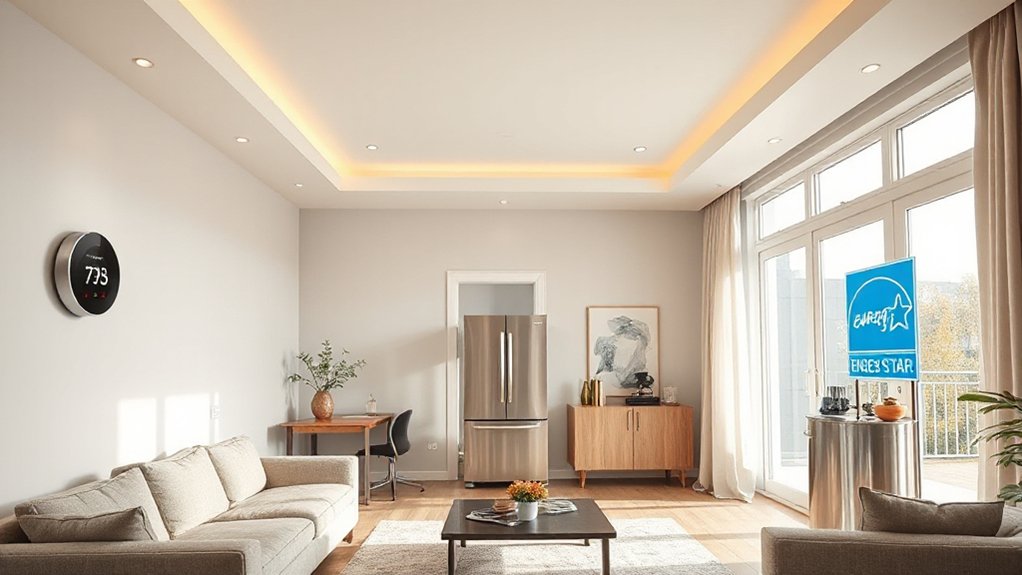
Upgrading lighting and appliances is a direct way to improve your EPC score. Start with efficient lighting upgrades and LED bulbs with smart controls.
Pair these with energy-smart appliances that fit your home’s needs and usage patterns to cut consumption without sacrificing performance.
This approach is evidence-based: lower energy use, better ratings, and clearer long-term savings.
Efficient Lighting Upgrades
So, how can you cut energy use and boost your EPC score with smarter lighting? You’ll see faster gains by upgrading to efficient fixtures and smart controls, which reduce power while maintaining comfort. Evidence-based choices help you avoid waste and keep your home feeling welcoming, with a touch of interior decor that invites belonging.
- Swap incandescent bulbs for LED replacements across rooms, including task lighting in kitchens and workspaces.
- Install dimmers and motion sensors in hallways, bathrooms, and external entries to cut unnecessary use.
- Use daylight-responsive controls where possible and pair with ambient floor or table lamps in seating areas.
- Choose multi-function fixtures that combine style with efficiency, tying garden landscaping accents to interior accents for cohesive living.
These steps support straightforward upgrades, lower bills, and a brighter, more inclusive home.
Energy-Smart Appliances
Focus on smart thermostats to shave peaks in heating and cooling, pairing them with occupancy schedules and outdoor weather data for best results.
When feasible, choose appliances with inverter compressors, variable-speed motors, and verified energy-saving modes.
Plan for solar panel integration where it fits your budget, coordinating with appliance use to maximize self-consumption.
Use standby power controls and smart plugs to eliminate phantom draws in rarely used devices.
Document ENERGY STAR or equivalent certifications during selection to support your EPC rating updates and show prospective buyers or tenants you’re serious about efficiency.
LED Bulbs and Controls
Switching to LED bulbs and smart lighting controls reduces energy use step by step and can deliver quick EPC gains with minimal disruption. You’ll cut waste, improve comfort, and feel part of a smarter home update.
This supports your interior decor goals while boosting efficiency, so your property becomes more attractive to future buyers or renters. Use bright, dimmable LEDs in key living spaces and corridor lighting to maximize control and mood.
Pair with motion sensors to save when rooms aren’t in use, and guarantee compatibility with existing smart hubs for easy management.
- Audit lighting zones and swap to LED bulbs
- Install dimmers and motion sensors in high-traffic areas
- Integrate with a central smart lighting system
- Align garden landscaping lighting with safety and ambiance goals
When Renewable Energy Makes EPC Sense
Focus on practical benefits: lower utility bills, reduced carbon, and fewer energy gaps during peak hours. Consider Renewable integration to guarantee your setup complements existing insulation and controls, rather than competing with them.
Energy storage can smooth hourly demand, maximize self-consumption, and protect against grid outages.
Gather quotes that itemize hardware, installation, permits, and maintenance. Document performance targets and monitoring, so you can verify improvements over time.
If the math holds, you’ll gain certainty, confidence, and a stronger sense of belonging in a greener community.
Flooring, Roofs, and Thermal Bridging Fixes to Consider
You’ll want to start with solid flooring insulation fixes to reduce heat loss and improve comfort.
Next, assess roof performance and upgrades to cut drafts.
Then address thermal bridging to maximize overall efficiency.
These steps are proven, actionable, and can noticeably boost your EPC rating when implemented together.
Flooring Insulation Fixes
- Assess the subfloor and joists to identify gaps and air leaks.
- Choose suitable insulation materials (e.g., rigid boards, mineral wool) based on moisture risk and compressive load.
- Install underfloor insulation with a continuous layer and proper edging to reduce thermal bridging.
- Prioritize airtight seals at edges and around penetrations to maximize efficiency and long-term performance.
Flooring upgrades and insulation materials work together to boost EPC ratings and home warmth.
Roof and Thermal Bridging Solutions
Roof performance matters as much as floor insulation, and fixing thermal bridges here can dramatically cut heat loss. You’ll assess roof structure, identify gaps, and prioritize proven fixes.
Begin with robust roof maintenance: seal joints, address damaged tiles or panels, and improve ventilation where needed to prevent moisture buildup.
Next, target thermal bridging: install continuous insulation at key contact points, add cavity wall or attic insulation, and use low-thermal-conductivity fasteners or brackets to minimize heat paths.
In renovations, guarantee airtight detailing around skylights, vents, and chimneys, then test with a blower door to verify improvements.
Combine these steps with durable materials and proper installation to bolster comfort, reduce drafts, and support stronger EPC ratings—contributing to a sense of secure, shared ownership in your home.
Wet Rooms and Plumbing: Curb Heat Loss and Efficiency
Wet rooms and plumbing are common energy weak points in older properties, but you can curb heat loss and boost efficiency with targeted, practical steps. You’ll see immediate gains by tightening detailing, upgrading components, and selecting efficient fixtures. Evidence shows modest investments yield meaningful EPC improvements when heat loss is addressed at source.
- Seal joints and underfloor gaps around wet rooms to minimize drafts.
- Upgrade to high-efficiency thermostatic valves and low-flow taps.
- Insulate exposed pipes and install instant hot-water recirculation only where appropriate.
- Choose moisture-rated, well-sealed layouts and efficient drainage to reduce heat loss.
These plumbing upgrades support comfort, cut bills, and strengthen your home’s overall energy performance while fostering a sense of belonging and care.
Quick Wins vs. Long-Term Investments in Costs
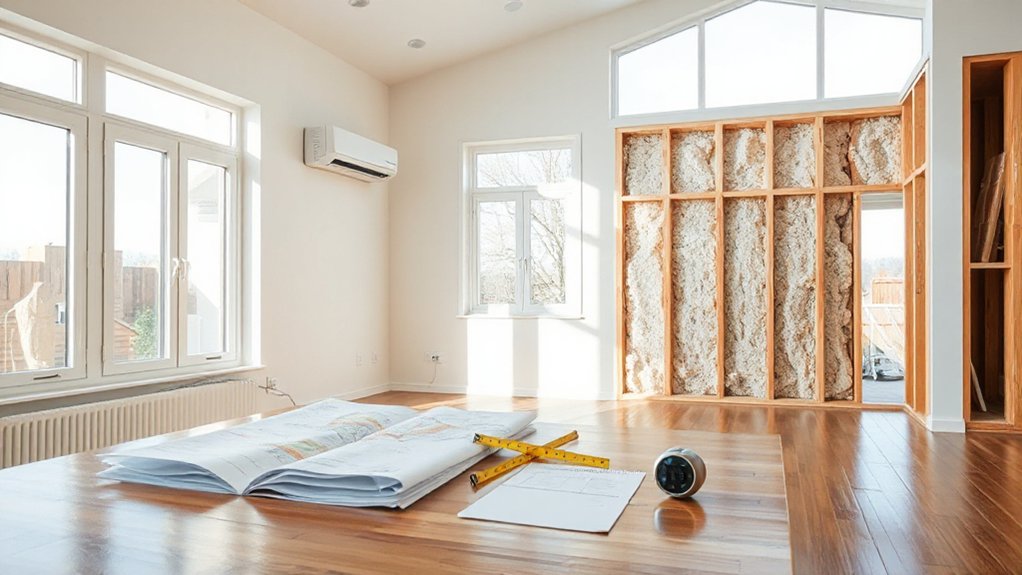
When you’re weighing quick wins against long-term investments, start by separating immediate savings from durable value. You’ll find quick wins often reduce running costs fast, like upgrading LED lighting or improving insulation in key areas.
While long-term bets protect your EPC rating for years. Balance is essential: prioritise measures with proven payback within 1–3 years and high durability.
Consider energy efficient landscaping that shades critical spaces and reduces cooling needs, plus smart home automation to fine-tune heating, lighting, and monitoring without waste.
Document performance, so your choices stay evidence-based and transparent. Build a plan that matches your budget and taste, creating a sense of belonging in your project.
This approach keeps momentum while delivering lasting energy efficiency and comfort.
Planning Permits, Regulations, and Funding Options
1) Gather all relevant legal documentation early, then file updates as you proceed to avoid delays.
2) Engage your community by explaining goals, soliciting input, and incorporating feedback to strengthen permit applications.
3) Map funding options—grants, loans, and incentives—to your retrofit phases, matching eligibility to milestones.
4) Document decisions and changes, maintaining a transparent trail for inspectors and investors.
Estimating Costs and Measuring EPC Impact
You’ll track baseline performance with energy audits to quantify gains from each measure, then model overall impact to set realistic EPC targets.
Use transparent assumptions, document unit rates, and contrast retrofit scenarios to identify the most cost-effective options.
Engage early with stakeholders to guarantee buy-in and a shared sense of progress.
When selecting partners, prioritize contractor selection that emphasizes proven energy Retrofit experience, clear communication, and post-installation verification.
This approach builds confidence, fosters belonging, and ensures measurable, credible EPC improvements.
Scheduling a Realistic Renovation Timeline

1) Define non-negotiable milestones and assign ownership so every team member feels included.
2) Build a realistic buffer for weather, delivery hiccups, and permit checks.
3) Sequence tasks to minimize rework, grouping exterior and interior work for efficiency.
4) Review weekly, adjust durations, and celebrate progress to strengthen belonging and accountability.
Ground your plan in evidence: use historical data from similar projects, track lead times, and reallocate resources when needed.
With a transparent timeline, you stay aligned, reduce stress, and keep the whole team—not just you—motivated toward better EPC outcomes.
Monitoring Progress and Verifying EPC Gains
Prioritize actions that show measurable EPC boosts and align them with daily operations you already manage. Track Property aesthetics changes that correlate with energy use, like improved insulation or efficient glazing, and note how these enhancements affect comfort and perceived value.
Sustain tenant engagement by communicating progress, inviting feedback, and sharing quick wins. Use the data to reallocate resources quickly, maintain momentum, and guarantee everyone feels part of a shared goal toward better ratings and lower bills.
Frequently Asked Questions
How Long Does EPC Improvement Generally Take to Reflect?
An energy assessment update typically reflects in days to weeks after your renovation timeline, depending on scope. You’ll see changes once the assessor re-checks, documents improvements, and updates the EPC record accordingly for your property.
Which Upgrades Deliver the Fastest EPC Score Increase?
Powers up your score instantly: insulation upgrades and quick energy audits deliver the fastest EPC gains. You’ll save money, feel wiser, and join a smarter, greener community as you upgrade efficiently and document results with confidence.
Do EPC Improvements Always Raise Property Value?
Yes, energy efficiency improvements can raise value, but not always. You’ll see gains when you address retrofit challenges, align costs with market demand, and document benefits clearly for buyers who value lower energy bills and comfort.
Can I Upgrade in Stages and Still Improve EPC?
Did you know 60% of homes see EPC score improvements with staged upgrades? You can upgrade in stages and still boost your energy assessment. Plan renovations, track energy savings, and adjust renovation planning as you go.
What Monitoring Tools Track EPC Progress Effectively?
You should use energy audits and insulation upgrades trackers. Track energy audits outcomes, monitor insulation upgrades progress, compare pre/post EPCs, and set milestones. You’ll feel supported as numbers guide decisions, confirming progress and helping you belong to the improvement community.
Conclusion
You’ll finish with a shinier EPC, convinced you discovered the energy-Eldorado. But don’t pat yourself on the back just yet: renovations aren’t magic, they’re math. Tighten airtightness, insulate where it matters, and upgrade heating smartly, then measure the gains and stay within budget. If the numbers don’t add up, don’t pretend you did a miracle—pivot. Keep your targets realistic, document everything, and celebrate only solid, evidence-backed improvements, not confetti-filled fantasies of instant savings.