

Liverpool remains a top rental market because you’ll find steady occupancy, resilient demand, and modest rent growth across core areas. University-driven housing boosts term-time demand, while strong job growth in professional services, health, and logistics supports longer tenancies and rent resilience. Excellent transport links and walkable neighborhoods sustain convenience and turnover stability. Developers push supply through conversions and modular builds, maintaining attainable stock. If you keep exploring, you’ll uncover how these dynamics translate into durable, premium returns.
Is Liverpool the Right Rental Market for You in 2026?
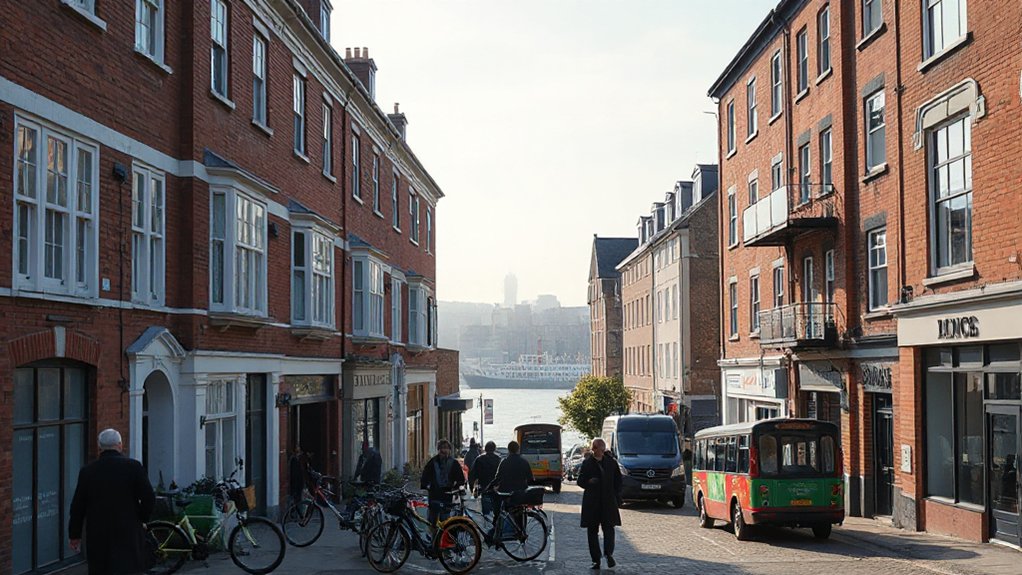
Liverpool’s rental market in 2026 looks favorable for tenants and investors alike, but your decision hinges on timing, budget, and location within the city. You’ll find solid demand across core districts, with occupancy trends steady and rent growth modest rather than explosive.
If you prioritize luxury, Luxury apartments offer premium amenities and strong resale/letting appeal, though footnotes show higher entry costs.
For flexibility, Short term rentals remain resilient near transport hubs and major attractions, yet regulatory scrutiny can tighten margins during seasonal dips.
Your path to belonging hinges on aligning lifestyle needs with neighborhood rhythms: culture-rich areas favor social connections, while commuter belts favor predictability.
Analyze upfront costs, lease terms, and anticipated turnover to decide if Liverpool fits your 2026 goals.
How Universities Drive Housing Demand in Liverpool
Universities drive housing demand in Liverpool by concentrating student populations in specific corridors and campuses, which shapes both occupancy rates and rent dynamics. You’ll notice upticks near student hubs like the knowledge quarter, with consistent demand across terms.
The pattern isn’t random: campus layouts channel off-campus leases toward near-campus blocks, lifting occupancy 12–18% in core streets during term time. This university influence stabilizes rent growth, as landlord interest aligns with predictable student cycles.
When universities expand facilities or partnerships, demand shifts create tighter vacancy pockets and faster lease turnover, often supporting modest premium pricing for well‑located units.
For tenants, understanding these rhythms helps you plan early and secure housing that blends affordability with durable access to services, amenities, and community. Student housing remains central to Liverpool’s market pulse.
Liverpool’s Job Growth: What It Means for Tenants and Landlords
Liverpool’s job growth is reshaping rental demand, with more stable incomes boosting tenancy duration and willingness to pay.
While tighter labor markets can compress vacancy rates. If employment expands in key sectors, you’ll see stronger rent resilience and opportunities for landlords to adjust yields, even as tenants seek affordability or flexibility.
Stay data-driven: we’ll compare current growth trends, wage trajectories, and vacancy data to assess how these dynamics affect both renting choices and investment strategies.
Job Growth Impacts Tenants
Job growth in Liverpool directly affects rental demand, affordability, and turnover, shaping both tenants’ options and landlords’ strategies. When employment rises, you’ll see more people able to commit to longer leases, stabilizing neighborhoods and reducing vacancy cycles.
Wages growth and sector diversification lift tenant affordability, helping you balance monthly rents with living costs. Yet rapid expansion can push rents higher, testing your budget and prompting careful comparisons across districts.
Data indicates steady job creation in professional services, health, and logistics, which correlates with resilient demand for mid-market rentals.
You benefit from staying informed about salary trajectories, relocation trends, and commuting options, ensuring your housing choice aligns with your career path.
Stability and belonging emerge when you match growth-driven opportunities with affordable, well-located homes.
Landlord Opportunities Arising
As Liverpool’s job growth strengthens, landlords gain clearer signals for strategic opportunities across the rental market. You’ll see steadier demand, more resilient rental growth, and a healthier churn-to-stability balance that supports confident investment.
With data shows rising vacancies tightening in sought-after areas, you can tailor portfolios to undersupplied segments and attract long-term tenants who value belonging.
- Target high-demand corridors where job clusters cluster and rental growth outpaces the city average.
- Expand professional-ready units with flexible layouts to capture tenants seeking community and convenience.
- Leverage incentives for lease longevity, boosting retention and reducing vacancy risk.
- Invest in property management tech to improve service levels and visibility into performance metrics.
Landlord opportunities emerge where growth aligns with careful pricing, timing, and asset optimization.
Affordable Living in Liverpool vs. Regional Peers
You’ll see how the affordable living landscape in Liverpool compares with regional peers, highlighting where value meets demand.
Regional price comparisons reveal whether Liverpool holds steady or tightens as rents rise, stay flat, or ease off.
With rental cost stability as a throughline, we’ll assess affordability trajectories and what they mean for tenants and landlords alike.
Affordable Living Landscape
What does affordable living look like in Liverpool compared with its regional peers, and what does that mean for renters today? You’ll notice a balanced mix of value and accessibility, with steady rental affordability relative to city hubs, while preserving a sense of community. This landscape supports belonging without compromise, backed by data on rents, occupancy, and growth trajectories.
- Affordable housing options coexist with quality amenities, supporting sustainable living.
- Rental affordability remains solid despite market shifts, aiding budgeting and planning.
- Property availability prioritizes neighborhood diversity and walkable services.
- Market signals suggest cautious price progression, enabling longer lease commitments and stability.
Together, these factors create a welcoming environment where renters feel secure, connected, and empowered to invest in long-term living.
Regional Price Comparisons
How does Liverpool stack up on price against its regional peers, and what does that mean for renters today? You’ll notice a mix of Regional disparities and tightening pricing trends that shape choices.
Liverpool generally offers approachable rents relative to larger urban centers nearby, yet pockets of demand keep costs from sinking. In surrounding towns, you might find lower headline rents but thinner supply, shifting the value balance toward durability and location, not just sticker price.
For you, the key is embedded cost of living, transport links, and neighborhood character—all pieces that influence whether a deal feels fair long term.
Rental Cost Stability
- Market volatility: Liverpool’s rents move with regional cycles, not isolated shocks, keeping pricing expectations pragmatic.
- Rental affordability: relative to peers, lower entry points and steady capex offer steady, livable options without sudden spikes.
- Neighborhood discipline: some areas show resilience due to amenities and demand, others align with broader trends, smoothing overall averages.
- Long-term outlook: gradual normalization supports predictable budgeting and belonging, helping you plan without fear of abrupt rent jumps.
Why Liverpool’s Transport Links Attract Long-Term Tenants

Liverpool’s transport links are a magnet for long-term tenants because they consistently reduce commute times and boost on-site convenience. You’ll notice that reliable rail and bus connections cut indirect travel and create predictable daily routines, a core appeal for households seeking stability.
Data show shorter average commutes near core hubs, with onward connections to regional employment nodes reinforcing tenancy duration. You’ll value integrated planning, where cycling routes and pedestrian-friendly corridors link residential blocks to stations, parks, and amenities.
This environment supports a sense of belonging—neighbors share predictable rhythms, not peak-time chaos. Historical architecture and local cuisine become anchors within reachable neighborhoods, enhancing quality of life.
In short, transport infrastructure underpins durable demand and community cohesion.
Liverpool Rental Yields Today: What Investors Should Know
Current rental yields in Liverpool remain a key barometer for opportunity, with yields varying by locality and property type you’re considering.
As markets shift, you’ll want to weigh gross versus net returns, factoring in maintenance, voids, and financing costs to gauge true cash flow.
This snapshot sets the stage for comparing yield trends against investment considerations today to identify where risk-adjusted returns look most compelling.
Current Rental Yields
Rental yields in Liverpool have held steady in recent months, but the picture varies by neighbourhood and property type. You’ll notice modest shifts as demand shifts and supply tightens in key zones, reflecting a resilient market with selective premium pockets.
To help you visualize, consider these core ideas:
1) Rental regulations influence yields, shaping buffer for returns.
2) Property taxes impact net income, especially on larger portfolios.
3) City centre versus outer suburbs show different yields due to demand patterns.
4) Property type matters, with multifamily blocks often delivering steadier cash flow.
With data in hand, you can calibrate strategy, targeting stable nodes and compliant investments.
Belonging means choosing assets that align with local rules, long-term occupancy, and sustainable gains.
Investment Considerations Today
Across today’s market, you’ll want to weigh regulatory constraints, tax implications, and demand shifts when evaluating Liverpool rental yields. You’ll find that steady occupancy supports cash flow, but you should monitor seasonal dips and the impact of policy changes on rents.
Consider Market diversification to spread risk across neighborhoods and property types, which stabilizes yields amid regulatory flux. Tax implications, including property taxation and allowable expenses, shape net returns more than headline rents alone.
Analyze data on rental growth, void periods, and price-to-rent ratios to determine sustainable performance. Engage with local agents and councils to forecast pipeline developments, so you’re not surprised by supply.
Informed positioning fosters belonging, confidence, and resilient, long‑term investment in Liverpool’s evolving rental market.
Liverpool Housing Supply: New Builds, Conversions, and Planning
Liverpool’s housing supply is expanding through a mix of new builds, conversions, and targeted planning measures that respond to both demand and affordability pressures. You gain clarity on how the market adjusts to needs, with evidence-driven steps shaping supply and price dynamics.
1) Housing development is accelerating in key corridors, supported by modular construction and faster permitting.
2) Conversions are opening up underused assets, improving density without displacing existing communities.
3) Planning policies prioritize mixed tenure, ensuring rental stock stays attainable for long-term tenants.
4) Coordination between developers and local authorities aligns delivery with jobs growth and transport access.
This approach keeps Liverpool competitive, balancing growth with community stewardship, and reinforces a sense of belonging for residents navigating the market.
Neighborhoods That Attract Stable, Long-Term Tenants
You’ll notice stable tenant demand clustering around neighborhoods with family-friendly amenities, affordable housing options, and proven livability metrics.
These areas tend to outperform on retention when schools, parks, and safe streets are complemented by reliable transit access and easy city-center commutes.
In short, the strongest long-term tenants gravitate to places where everyday life is predictable, convenient, and value steadily compounds.
Stable Tenant Demand
Certain neighborhoods maintain steady demand because they balance affordability with access to transit, schools, and amenities, yielding longer tenancies and lower turnover. You’ll notice stable tenant demand where practical needs align with lifestyle goals, supporting reliable occupancy and predictable income. Tenant retention improves when leases are transparent, fair, and flexible enough to adapt to life changes.
- Predictable cash flow stems from longer leases and disciplined renewal cycles.
- Strong demand tracks with proximity to transit hubs, essential services, and affordable options.
- Clear lease agreements reduce disputes, boosting trust and occupancy continuity.
- Community fit matters; renters stay where they feel understood and valued.
Data suggests steady demand correlates with well-communicated terms, consistent maintenance, and neighborly neighborhoods.
Family-Friendly Amenities
Families prioritizing safety and routine seek neighborhoods with dedicated kid-friendly amenities, and those features reliably attract long-term tenants. In Liverpool, you’ll notice that areas anchored by strong school districts tend to sustain occupancy, even through market shifts.
Family parks create predictable social hubs, encouraging daily routines and neighbor connections that reduce turnover. Property values near well-regarded schools often outpace broader averages, offering stable cash flow for investors and predictable costs for residents.
Evaluate neighborhoods by the density and accessibility of parks, playgrounds, and after-school programs, not just home prices. When families feel anchored, they stay longer, limiting vacancy spikes and supporting consistent rents.
The data favor districts with all-encompassing community resources, reinforcing Liverpool’s reputation as a durable, family-friendly market.
Transit and Access
In Liverpool, strong transit and accessible hubs often sustain tenant demand even when rents tighten elsewhere. You’ll notice that neighborhoods with reliable public transportation and ongoing accessibility improvements attract steady, long-term tenants who value convenience, safety, and community integration.
Data shows slower churn in areas where commute times shrink and walkable links connect homes to work, schools, and amenities. Look for districts centered near bus corridors, rail stations, and revitalized hubs where local investment creates predictable rents and occupancy.
Here are key takeaways:
1) Public transportation access correlates with longer tenancies and higher occupancy.
2) Core routes drive consistent demand beyond seasonal shifts.
3) Accessibility improvements expand tenant pools, including families and older residents.
4) Stable neighborhoods benefit from mixed-use developments and transit-oriented planning.
Student Housing vs. Professional Rentals: Balancing Risk and Return

Student housing and professional rentals each present distinct risk-return profiles that matter to Liverpool landlords. You’ll see higher occupancy stability with student blocks when universities drive term-time demand, but cyclical vacancies after semesters end can pressure cash flow.
Professional units offer steadier year-round occupancy and longer lease cycles, yet often require stronger underwriting and price discipline to secure reliable tenants.
Market saturation influences both: you’ll want to avoid overbuilding near campus or business hubs, which compress yields.
Pricing strategies matter just as much as location. Use data-driven rent benchmarking, seasonal adjustments, and tiered tenancy options to balance risk and return.
How Culture and Nightlife Shape Rental Desirability
Culture and nightlife are powerful magnets for rental desirability in Liverpool, shaping demand patterns beyond basic location or price. You feel a sense of belonging when you tap into vibrant evenings, social scenes, and authentic cultural exchanges that echo in your daily routines.
The data show higher occupancy in districts with dense nightlife hotspots and established cultural venues, even when rents are comparable elsewhere. Your choice isn’t just where you live, but how you live and connect.
- Cultural influence steers neighborhood preference through festivals, galleries, and performance spaces.
- Nightlife hotspots drive late-evening demand, influencing longer lease terms.
- Proximity to venues correlates with stronger social networks and tenant retention.
- Seasonal events amplify occupancy and price resilience in key quarters.
Key Indicators Renters Watch: Rents, Vacancies, and Onboarding
Rents, vacancies, and onboarding are the trio that signals where Liverpool’s rental market is headed next. You’ll notice rents stabilizing in core neighborhoods while premium pockets push slightly higher, a pattern tied to demand from both longtime residents and newcomers seeking belonging to a vibrant community.
Vacancy rates stay lean but resilient, signaling disciplined sourcing and efficient onboarding processes that reduce move-in friction. When onboarding speeds up, you feel a smoother shift into your new home and its social network, reinforcing trust in local agents and landlords.
Rent affordability remains a central metric, guiding choices between location, size, and amenities. Tenant preferences tilt toward flexible leases and inclusive amenities, shaping short- and mid-term demand dynamics.
Financing and Investment Considerations for Liverpool Landlords

For Liverpool landlords, financing and investment decisions hinge on a tight read of recent rent trends, loan conditions, and local development plans. When interest rates stabilize and property demand remains steady, you can lock in favorable terms and target upgrade projects with higher cap rates.
This mindset supports strategic choices around Luxury apartments and Short term rentals, balancing yield with risk.
1) Monitor lender criteria and debt-service coverage ratios to ensure achievable cash flows.
2) Align capital with asset classes showing resilience during market cycles.
3) Map redevelopment or infrastructure plans that boost neighborhood desirability.
4) Stress-test scenarios for occupancy shifts and rate volatility to protect returns.
Adopt a data-driven approach, and foster trusted partnerships to sustain a sense of belonging in Liverpool’s evolving market.
Tenant Protections in Liverpool: Regulatory Basics for Landlords
Tenant protections in Liverpool aren’t optional add-ons—they shape every landlord decision from lease terms to eviction risk. You’ll navigate a framework built on clear standards for security deposits, notice periods, and fair housing expectations, with enforcement that rewards predictable rent cycles and smoother turnover.
Stay aligned with tenancy law changes and regional guidance, because small shifts can affect vacancy timing and tenant satisfaction. You’ll track data on dispute rates, eviction timelines, and average repair-response windows to calibrate risk, while prioritizing transparent lease regulations that set expectations from day one.
Emphasize consistent communication, documented agreements, and compliant inspection protocols to protect both sides. When you respect tenant rights and adhere to rules, your portfolio gains stability, trust, and sustainable occupancy.
Maintenance and Management Strategies for Steady Returns
Maintenance and management strategies shoulder most of the day-to-day risk in a rental portfolio, and a disciplined approach pays off in steadier cash flow. You can convert data into action by aligning maintenance with occupancy cycles, budgeting for timely fixes, and tracking costs against market rents.
Focus on proactive property maintenance and clear tenant communication to reduce surprise expenses and improve satisfaction.
- Schedule preventive repairs before failures and log outcomes to optimize future budgeting
- Establish transparent, responsive tenant communication channels for quick issue resolution
- Use data to time rent resets and capex investments without eroding occupancy
- Monitor vendor performance and renegotiate terms to sustain service quality at predictable costs
The Future of Liverpool’s Rental Market: Trends to Watch

Liverpool’s rental market is entering a data-driven phase where occupancy patterns, local job growth, and policy shifts will shape supply and rent trajectories more than ever.
You’ll see demand align with urban renewal projects, where transit access, mixed-use developments, and affordable units release new renter segments.
Data indicates occupancy stabilization in core neighborhoods, while peripheral areas gain momentum as affordability pressures push tenants toward newer stock with better energy performance.
Environmental sustainability becomes a market signal: energy-efficient builds reduce operating costs and appeal to renters who value long-term value.
Policy shifts—licensing, rental standards, and rent benchmarking—will influence pricing and availability, nudging landlords toward transparent practices.
In this evolving landscape, you belong by staying informed, adaptable, and committed to responsible stewardship.
Frequently Asked Questions
How Do Inflation and Mortgage Rates Impact Rents in Liverpool?
Inflation and higher mortgage rates push rents up, but you’ll see affordability shift as incomes lag; rental affordability tightens, yet demand remains solid. Property appreciation slows, guiding you to balanced investments and a community where you belong.
What Unique Tenant Protections Exist in Liverpool Compared to Other Cities?
Normally, you’ll find stronger tenant rights and clearer protections in Liverpool than in many peers, including transparent deposits and robust eviction rules. You’ll notice rent control debates shaping policy, with data guiding market-aware decisions and belonging.
Which Neighborhoods Are Rising Stars for Rental Demand in 2026?
You’ll notice rising-star areas like Baltic Triangle and South Liverpool as neighborhoods with growing rental demand in 2026, driven by neighborhood gentrification and rental affordability, appealing to you seeking belonging, data-driven insights, and market-aware investment confidence.
How Does Liverpool’s Student Population Influence Long-Term Rental Stability?
Student housing stabilizes long-term rents by maintaining demand; you’ll notice steadier occupancy, even when cycles shift, and rental affordability stays plausible as universities expand. You, too, gain belonging through data-driven insights guiding Liverpool’s market.
What Rare Risks Could Disrupt Liverpool’s Rental Market Growth?
You could face rare risks like regulatory shifts and funding gaps that strain cash flow, so stay vigilant in property management practices and monitor market saturation signals to preserve growth and community belonging.
Conclusion
Liverpool remains a top rental market because its demand drivers outpace supply, yet pockets of affordability coexist with strong earning potential. Juxtapose university-driven demand and long-term commuter appeal against rising but manageable rents, creating resilience in rents and occupancy. Data shows steady job growth and expanding transport links, but regulatory protections and maintenance costs temper expectations. If you balance high-yield zones with solid property management, you’ll capture steady, long-term tenancy without overexpansion. The market rewards disciplined, data-informed landlords.