

Glasgow remains a strong rental market because steady demand comes from students, professionals, and relocators, backed by university-led housing pipelines and solid occupancy across core districts. Rents stay affordable with controlled growth, supported by regeneration, transit access, and energy-efficient, well-managed properties. Diverse neighborhoods—West End for premium living and Gabba for entry points—plus resilient employment in health, tech, and logistics sustain occupancy and yields. If you want more specifics, you’ll find deeper market signals and strategies ahead.
Is Glasgow a Good Place to Rent in 2026?

Glasgow remains a strong renting market in 2026, driven by steady demand from students, professionals, and renters relocating from pricier cities. You’ll find solid occupancy rates across core districts, supported by rising private investment and well-timed new-builds near universities.
In-demand sectors cluster around areas offering luxury amenities and mixed-use lifestyle options, boosting cap rates for value-conscious investors. Historical architecture remains a differentiator, attracting tenants who value character alongside modern comfort.
Rent trajectories show modest year-on-year growth, with stability underpinned by a steady employment base and university pipeline. You’ll notice resilient demand in affordable submarkets that balance space, transport access, and community feel.
What Makes Rental Values Affordable in Glasgow
You’ll see affordability in Glasgow dollars-by-night when local rent benchmarks hold steady against income trends and operating costs.
The balancing act between housing supply and demand shapes those benchmarks, signaling where rents compress or rise.
With a tighter supply–dlood of new builds alongside steady demand, the market signals potential for stable yields and careful pricing decisions.
Local Rent Benchmarks
- Market fundamentals drive pricing anchors and cap-rate expectations
- Policy levers, like property taxes and lease agreements, refine margins
- Data-driven segmentation reveals true submarket value and belonging
Housing Supply Balance
Housing supply equilibrium underpins rental affordability in Glasgow by aligning new development, existing stock, and turnover with demand across submarkets. You’ll see a tight feedback loop: steady delivery of purpose-built stock cushions price spikes, while efficient turnover keeps vacancy rates healthy.
Data shows multi-family builds and conversions absorbing spillover from higher-demand cores, preserving affordability in fringe areas without sacrificing liquidity for investors. You benefit from transparent indicators—housing starts, vacancy, rent per unit, and occupancy trends—that reveal where demand meets supply most cleanly.
Tenant rights protections and clear planning pipelines reinforce stability, reducing unexpected capital expenditure. In this context, rental affordability remains a measurable outcome of balanced supply, market confidence, and inclusive growth that invites ongoing investment and community belonging.
How Glasgow Universities Sustain Rental Demand
Universities in Glasgow attract a steady stream of students, supporting consistent housing demand even amid market fluctuations. You’ll see demand drivers like intake cycles, on-campus housing policies, and international cohorts shaping rental turnover and pricing bands.
This data-forward view highlights how student flows translate into resilient occupancy and selective rental growth for investors.
University-Student Attraction
How do Glasgow’s universities sustain rental demand year after year? You’ll see steady occupancy driven by international cohorts, year‑on‑year postgrad intake, and strategic campus expansions. Data shows predictable peak leasing in October–November, supported by targeted partnerships with housing providers and campus-driven relocation programs.
Student clustering near universities keeps rents stable and margins predictable, even as supply evolves. You’ll also benefit from a diverse demand mix that includes short-term researchers and exchange students, amplifying occupancy during term breaks.
Historical architecture and local cuisine become distinctive selling points for neighborhoods surrounding campuses, reinforcing appeal without overextending pricing.
- Local culture and architectural heritage as ongoing tenant magnet
- Steady, data‑driven demand signals reduce vacancy risk
- Community‑minded clustering supports sustained rent growth
Housing Demand Drivers
Even with cyclical shifts in supply, Glasgow’s universities consistently drive rental demand through a steady mix of international student flows, year‑on‑year postgraduate intake, and targeted relocation programs.
You’ll see persistent occupancy as mediation between peak terms and steady year‑round needs, underscored by resilient graduate pipelines and exchange partnerships that smooth rental cycles.
Data points show sustained demand for centrally located stock, with luxury apartments commanding premium rents and faster absorption in student belts.
Historic architecture near campuses adds aspirational value, attracting long‑term tenants who seek belonging in a scholarly, networked environment.
Investors benefit from diversified demand drivers, predictable renewal rates, and selective refurbishments that elevate yield without eroding occupancy, ensuring Glasgow’s market remains cohesion‑driven and stability‑focused.
Local Employment Trends and Tenancy Stability
Local employment trends are shaping tenancy stability in Glasgow, with job growth concentrated in health, tech, and logistics sectors driving steady demand for rental housing. You’ll see higher tenant retention as employers widen career ladders and offer stable benefits, reinforcing lease agreements that favor longer-tenure occupants.
Data show resilient occupancy even amid cycles, supported by scalable roles and transferable skills. Investors gain clarity on risk-adjusted returns when employment clusters translate into durable rent coverage and predictable turnover.
- Tenant retention hinges on career clarity and tenant-friendly lease terms
- Lease agreements that incentivize renewals reduce vacancy volatility
- Sector-led demand creates steady cash flow and predictable rent growth
This lens highlights stability without overreliance on any single industry, reinforcing Glasgow’s market tempo.
How Regeneration Boosts Glasgow’s Rental Supply
Regeneration initiatives are expanding Glasgow’s rental supply by opening up underutilized assets and accelerating new-build momentum in key districts. You’ll see this reflected in data-led project pipelines, with higher dwelling completions targeting mature neighborhoods and brownfield sites.
As investor sentiment tightens, evidence points to faster lease-up and retention in districts where regeneration aligns with market needs. Sustainable development remains central, balancing density with quality amenities and energy efficiency.
Community engagement activities guide design choices, ensuring homes fit local lifestyles and foster belonging. Public-private partnerships are de-risking capital, translating planning approvals into visible stock gains within 12–24 months.
Transport Links That Make Glasgow Rentals Accessible
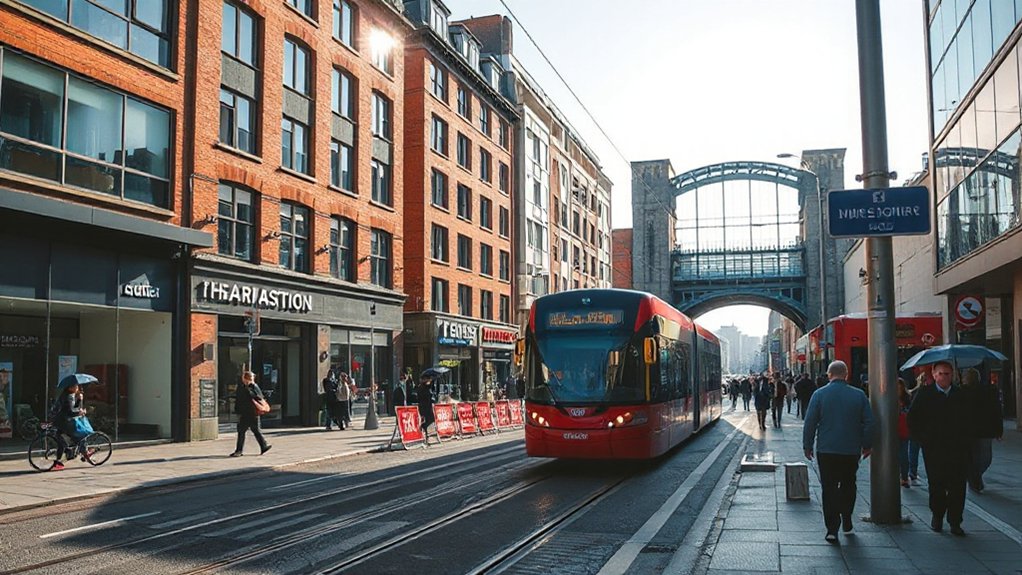
Public transit connectivity, strong rail links, and swift city-center access shape rental demand and pricing across Glasgow. You’ll see data-driven patterns where walkable access to frequent services boosts occupancy and yields.
While major rail corridors expand reach to regional workers. With a focus on Public Transit Connectivity, Major Rail Links, and City Center Access, the market’s implications for investor returns become clear.
Public Transit Connectivity
Glasgow’s rental market is shaped by a dense, well-integrated transit network that keeps neighborhoods well-connected to the city core and key employment hubs. You’ll see high demand where bus and subway access converge, driving stable occupancy and resilient yields.
Data shows quick commutes, predictable turnover, and premium pricing near major hubs, underscoring transit as a value driver for investors. This connectivity supports diverse tenant profiles, from professionals to students, enhancing occupancy stability and rent growth potential.
The network also preserves cultural appeal, linking districts known for Historical architecture and Local cuisine, which strengthens neighborhood desirability.
- Transit access as a core value proposition for tenants and lenders
- Proximity-to-employment driving absorption and rent capture
- Cultural amenities reinforcing sustained occupancy and price resilience
Major Rail Links
Data show steady occupancy near high-frequency lines, supporting resilient rent growth even as supply tightens in sought-after districts. Investors benefit from predictable turnover, shorter vacancy cycles, and attractive rental yields near rail nodes.
Housing affordability remains a driver in peripheral corridors, where improvements lift eligibility and broaden renter pools without eroding core value. You should monitor timetable upgrades, service frequency, and cross-rail integration, as these variables directly influence occupancy, rent stability, and long-run portfolio performance.
City Center Access
- Transit accessibility correlates with occupancy stability and price growth
- Walkable centers preserve demand even when external markets soften
- Cultural assets like Historical architecture and local cuisine drive premium tenant retention
Neighborhood Diversity in Glasgow: West End, Gabba, and Beyond
What makes Glasgow’s neighborhoods stand out for investors when you compare the West End, Gabba, and the rest? You’ll see a diverse mix of housing stock, walkability, and culture that translates into steady demand.
In the West End, historic architecture and leafy streets foster a premium for high-end renters.
Meanwhile, Gabba offers affordable entry points with strong rental turnover.
Beyond these anchors, transit links and university spillovers create broader catchment markets, boosting occupancy resilience across seasons.
Data show varied micro-markets, with price sensitivity tempered by lifestyle appeal and neighborhood charm.
You’ll gain diversification, not just in price bands but in tenant profiles, from young professionals to families seeking a sense of belonging in a connected, culturally rich city.
Glasgow Rental Yields by District and Price Trends
Across Glasgow’s districts, rental yields track local demand, price points, and turnover velocity, giving you a clear read on piecing together a resilient portfolio. Yields vary with district mix and stock age, yet the trend points to steady income as prices adjust to demand.
You’ll notice higher yields in pockets with younger renter pools and improving transport access, while price growth supports capital stability. Rental affordability remains a practical lever, tying expected rent to local income growth and borrowing capacity.
Market stability shows resilience even when macro data shifts, reinforcing your long‑term strategy.
- Yield dispersion aligns with transport access and amenity clustering
- Price trends echo income growth and borrowing environments
- Districts with balanced inventory sustain steadier cash flow
Tenant Protections Landlords Should Know in Glasgow

In Glasgow, tenant protections shape cash flow and risk for landlords, so you should know the framework up front. You’ll want clear lease agreements that specify rent, renewal terms, and notice periods, reducing dispute risk.
Tenant rights establish limits on deposits, repairs, and eviction timelines, impacting turnover costs and vacancy duration. Market data show steady compliance costs but also predictable occupancy, supporting stable yields when you align contracts with statutory standards.
Stay current on housing authority guidance and local licensing requirements to avoid penalties and delays. Documented maintenance logs and prompt responsiveness correlate with longer tenancies and higher rent resilience.
The Cultural Appeal Keeping Renters Loyal to Glasgow
You’ll see Glasgow’s cultural vibe and longevity translate into stable occupancy as renters seek genuine city identities.
The arts scene fuels demand across neighborhoods, while ongoing investments sustain appeal for both long-term tenants and mobility-driven renters.
With neighborhood diversity expanding, you gain a broader tenant pool and clearer signals on which areas sustain premium rents over time.
Cultural Vibe And Longevity
Glasgow’s cultural fabric directly underpins renter loyalty, with a dense mix of live music, arts, and football culture that consistently translates into longer tenancies and stable demand. You’ll see a persistent premium in areas with heritage venues and active cultural calendars, backed by data on occupancy trends and price resilience during downturns.
Cultural preservation and thriving artistic communities reinforce social belonging, driving repeat occupancy and lower churn. Investors benefit from a stable rent pipeline as communities cohere around shared identity, not just housing.
- Cultural preservation sustains demand through demographic retention and place-based branding
- Artistic communities generate network effects, creating spillovers into neighboring submarkets
- Competitive indicators include higher renewal rates and constrained supply in core cultural zones
Arts Scene Attracts Renters
Could Glasgow’s arts scene be the magnet that keeps renters anchored? Yes, and the data backs it up. Art venues cluster in prime neighborhoods, driving footfall, late-night economy, and repeat visits that translate into steadier occupancy.
You’ll notice rental demand rises where creative hubs fuse studios, galleries, and performance spaces within walking distance of transit and amenities. Investors benefit when cultural footfall sustains short-term demand and healthier rent growth, even through seasonal dips.
The city’s capacity to host festivals, exhibitions, and recurring residencies elevates perceived value, attracting professionals seeking belonging in a dynamic, connected community. In short, arts-led density compounds occupancy, upgrade potential, and long-term yield, making Glasgow’s creative economy a measurable rental driver and a compelling differentiator.
Art venues empower, Creative hubs sustain.
Neighborhood Diversity, Allure
The city’s neighborhood mosaic—from bankable central cores to up-and-coming districts—keeps renters engaged by offering a spectrum of lifestyles within a compact footprint. You’ll notice how Neighborhood charm and cultural diversity translate into stable demand, with varied amenity clustering that sustains occupancy and pricing power across cycles.
Data show leakage into encircling districts driven by value-per-square-foot and walkability, not scarcity. Investors benefit from a resilient metabolization of identity into daily life, where culture-driven micro-markets support steady tenancy and longer tenancies.
Glasgow’s charm isn’t just aesthetic; it’s a measurable driver of retention, with diverse neighborhoods attracting a broad renter demographic and stabilizing rents.
- Local identity fuels loyalty and longer tenancies
- Walkability and amenity density correlate with occupancy resilience
- Cultural diversity expands renter pools and market depth
Energy Efficiency as a Selling Point for Glasgow Rentals
Energy efficiency is increasingly a decisive selling point in Glasgow rentals, driven by rising energy costs, tightening regulations, and tenant demand for lower utility bills.
You’ll find that properties with strong energy performance attract longer tenancies and steadier occupancy, improving yield stability.
In markets where renters compare annual bills, energy incentives multiply as a differentiator, encouraging landlords to upgrade insulation, high-efficiency boilers, and smart controls.
Data shows higher EPC ratings correlate with premium rents and faster leases, even in a competitive supply cycle.
Investors recognize rental upgrades as a prudent capital allocation, often financed by favorable financing and grants accessible to property portfolios.
Emphasize transparent energy data in listings to foster trust and belonging, while aligning with policy trends and tenant expectations.
Short-Term Vs Long-Term Rentals in Glasgow: What to Expect

You’ll see short-term demand temps rise with seasonal spikes and events, while long-term rentals offer steadier occupancy and predictable yields.
Regulatory shifts and affordability pressures will shape cap rates and entry points for both models, so you’ll want to track occupancy, rent growth, and license requirements closely.
Taken together, these trends inform where to allocate capital for diversified exposure to Glasgow’s rental market.
Short-Term Demand Trends
Short-term demand in Glasgow has shifted markedly as seasonal patterns, events, and migration dynamics drive quicker rent turnovers, even as a larger share of supply remains geared toward long-term leases. You’ll notice spikes around university terms, festivals, and short-stay demand from corporate relocations, tightening occupancy windows and pricing power for higher bookability segments.
Data shows luxury apartments command premium rates during peak periods, while pet-friendly policies broaden renter pools and shorten vacancy cycles. Investors should track conversion timing from short-term inquiries to leases, and monitor supply mix shifts toward furnished, flexible units.
Demand remains price-sensitive, with volatility tapering as tourism rebounds and locational desirability strengthens.
- Peak-season premium tuning for luxury apartments and amenities
- Pet-friendly policies expanding renter cohorts and occupancy velocity
- Short-term turnover analytics guiding pricing and leasing velocity
Long-Term Investment Prospects
Glasgow’s long-term investment prospects hinge on a shifting supply mix and steady demand fundamentals, with distinguishing dynamics between short-term and long-term rentals shaping risk and returns.
You’ll see deeper stability from fixed-income assets in purpose-built blocks and multi-family portfolios as occupancy remains resilient despite seasonal cycles.
Rental price fluctuations tend to smooth when lease terms lengthen and deposit protections tighten, aiding predictability for cash flow models.
Long-term plays benefit from tenant concentration in stable, well-connected neighborhoods, where value is sustained by ongoing regeneration and wage growth.
You gain clarity by tracking vacancy rates, turnover costs, and cap rate compression opportunities aligned to macro signals.
Elevate your edge with tenant rights awareness, ensuring compliant, reputationally solid operations that attract quality, loyal renters.
Regulatory Impact Considerations
Regulatory dynamics increasingly shape the risk and return profiles of both short-term and long-term rentals in Glasgow. You’ll compare licensing, limits on occupancy, and reporting rules to map profit stability, cash flow, and exit options for each strategy.
Short-term regulations tighten occupancy windows and tax reporting, elevating compliance costs and upfront capex. Long-term plays benefit from predictable rent controls and stabilization, yet face ongoing licensing fees and potential zoning shifts.
Across both paths, tax implications drive net yields and depreciation planning. You’ll need a clear compliance timeline, a buffer for regulatory changes, and measurable metrics to compare risk-adjusted returns.
Align decisions with market demand, ensuring you’re not outpaced by evolving requirements.
- Regulatory hurdles reshape cost of capital, incentives, and occupancy strategy
- Tax implications drive net yields, depreciation, and timing
- Proactive compliance reduces execution risk and strengthens investor belonging
How Student Housing Interacts With the Wider Market
Student accommodation in Glasgow doesn’t exist in a vacuum; it moves with wider market forces like tuition cycles, job growth, and currency fluctuations that influence demand and pricing. You’ll see demand correlate with university intake and international student flows, impacting occupancy and rental patterns across semesters.
When job markets strengthen, you gain spillovers from domestic demand, boosting overall rents and driving new development funding, yet disciplined supply keeps volatility in check.
Currency shifts affect affordability for international tenants, modifying net yields for investors and shaping pricing strategies. In this context, rental affordability becomes a key metric you monitor alongside occupancy, turnover, and cap rates.
You can interpret data into decisions—pricing ranges, student-friendly lease terms, and portfolio diversification—so your exposure remains resilient and your community feels welcoming and stable.
Why Landlords See Steady Demand in Glasgow
Landlords in Glasgow keep cash flow steady because demand aligns with the city’s durable fundamentals: strong employer activity, steady student presence, and resilient occupancy. You’ll notice steady occupancy rates, anchored by diverse demand from tech and education hubs, plus ongoing migration toward city living.
In this landscape, luxury apartments command premium rents while rent affordability remains a core attractor for long-term tenants seeking quality without overextension. Your rental strategy benefits from disciplined pricing, precise targeting, and reliable turnover management, keeping vacancy low and yield steady.
Data shows continued appetite for well-located units with modern finishes, complemented by predictable seasonal patterns that support cash flow planning.
- Premium vs. affordable segments coexist, driven by location and amenities
- Steady demand sustains occupancy and capital preservation
- Tenant preferences lean toward flexible, well-managed properties with strong service
Navigating Regulatory Changes and Compliance in Glasgow
Managing Glasgow’s regulatory changes and compliance landscape requires a sharp, data-driven approach: policy shifts around energy efficiency, licensing, and tenancy standards are shaping cost structures, risk profiles, and execution timelines for investors.
You’ll need to map regulatory changes to cash flow, highlighting Regulatory challenges and their knock-on effects on capex and operating costs.
Align Compliance strategies with local timelines, ensuring licences, EPCs, and tenancy protocols are secured ahead of deadlines.
Track variance between national guidance and Glasgow-specific rules to avoid penalties and rental freezes.
Use data dashboards to monitor compliance metrics, breach risk, and remediation costs, then translate findings into actionable investment levers.
Investment Signals for Glasgow: Buyer-Turned-Landlord
As a buyer-turned-landlord in Glasgow, you’ll be guided by signal-rich indicators that fuse regulatory context with market dynamics to shape acquisition and yield opportunities.
You’ll see demand concentrated in Luxury apartments near transport hubs and social hubs, underscored by steady rent growth and resilient occupancy.
Historic architecture adds premium value, while renovations unlock scalable yields, provided costs are controlled.
- Signals: rent growth, occupancy stability, and regime stability as a landlording backdrop
- Target: luxury units that balance location, heritage, and modern amenities
- Risk-aware yield: capex discipline, green refurbishments, and tenant affinity for historic architecture
These signals align with a belonging-driven market mindset, where informed bets on Glasgow’s unique mix of heritage and modern demand drive confident, long-hold investment.
Future-Proofing Glasgow Rentals: Regeneration, Tech, and Amenities
Regeneration initiatives, expanding technology ecosystems, and enhanced facilities are shaping Glasgow’s rental outlook, translating city-led investments into tangible rental performance. You’ll see property management efficiencies improve as mixed-use developments consolidate services, boosting tenant retention and reducing vacancy cycles.
Data indicates regeneration hotspots correlate with tighter rental pricing bands, enabling operators to optimize yield without pricing out communities. Tech clusters raise demand for supply-aligned units, especially those with smart-home features and modern infrastructure, while analytics guide proactive maintenance and energy-efficiency upgrades.
You’ll benefit from transparent dashboards that track occupancy, churn, and maintenance costs, informing prudent capital expenditure. Investors prioritize regeneration-led return on investment, targeting neighborhoods where public works intersect with private projects.
In this context, stability comes from disciplined asset management, credible long-term planning, and inclusive amenities that foster a sense of belonging.
Practical Tips for Renters to Find Stability in Glasgow

Glasgow renters can stabilize housing costs and experiences by combining data-driven planning with proactive contract management. To lock in stability, track rental affordability trends and compare neighborhoods with similar risk profiles, then negotiate terms that reflect market value.
Prioritize contracts that safeguard tenant rights, including clear renewal options and reasonable rent review mechanisms. Build a documentation habit: file communications, notices, and inspection results to support decisions and future leverage.
Align your expectations with current demand signals, so you target high-quality properties that balance price and quality. Proactively address maintenance timelines to minimize disruption and costs.
Leverage trusted agents who understand local volatility and long-term value, ensuring you belong in a community that rewards smart, informed choices.
- Data-informed targeting boosts rental affordability and stability
- Tenant rights protections reduce future unpredictability
- Proactive documentation and timely maintenance sustain value
Frequently Asked Questions
What Unseen Factors Influence Glasgow Rental Demand Now?
Student housing demand and corporate relocations quietly drive Glasgow’s rental demand, you’ll notice. You benefit from data-driven trends, as occupancy shifts and investment appetites respond to evolving neighborhoods, stronger universities, and welcoming communities that foster belonging for tenants and companies alike.
How Do Seasonal Shifts Affect Glasgow Rents Year-Round?
Seasonal fluctuations shape rents, you’ll notice higher year-end demand and tighter supply during peak rental seasonality, while spring lull lowers prices; you’ll optimize returns by timing leases and leveraging off-season vacancies in Glasgow’s market.
Which Hidden Costs Do Renters Overlook in Glasgow?
Hidden costs you overlook in Glasgow include not-yet-visible fees, utilities, and maintenance timing; you should review Tenant rights and Lease agreements closely, because data shows prudent renters negotiate ahead. You’ll feel belonging when you compare market benchmarks insightfully.
Do Micro-Neighborhoods Impact Long-Term Tenancy Stability?
Micro-neighborhoods do impact long-term tenancy stability. You’ll see stronger tenant retention where neighborhood diversity correlates with amenities, services, and safety, boosting demand. You gain stable yields when you align portfolio strategy with local diversity metrics and demand.
How Do Policy Changes Quickly Alter Glasgow Rental Supply?
Ironically, you’ll barely notice at first, but policy changes quickly alter Glasgow’s rental supply: you’ll see Government incentives ripple through markets, smoothing or jolting supply as Market fluctuations shape incentives, guiding investors toward or away from sure bets, together.
Conclusion
Glasgow’s rental market stays solid thanks to steady demand from universities, growing tech jobs, and ongoing regeneration that expands supply without collapsing rents. You should expect resilient occupancy, modest rent growth, and strong yields for well-located assets near campuses or transport hubs. Example: a mid-terrace converted to student-friendly flats near West End can outperform fixed-rate rents amid inflation, while long-term tenants reduce turnover costs. Stay data-driven, target amenity-rich areas, and monitor policy shifts to protect yields.