
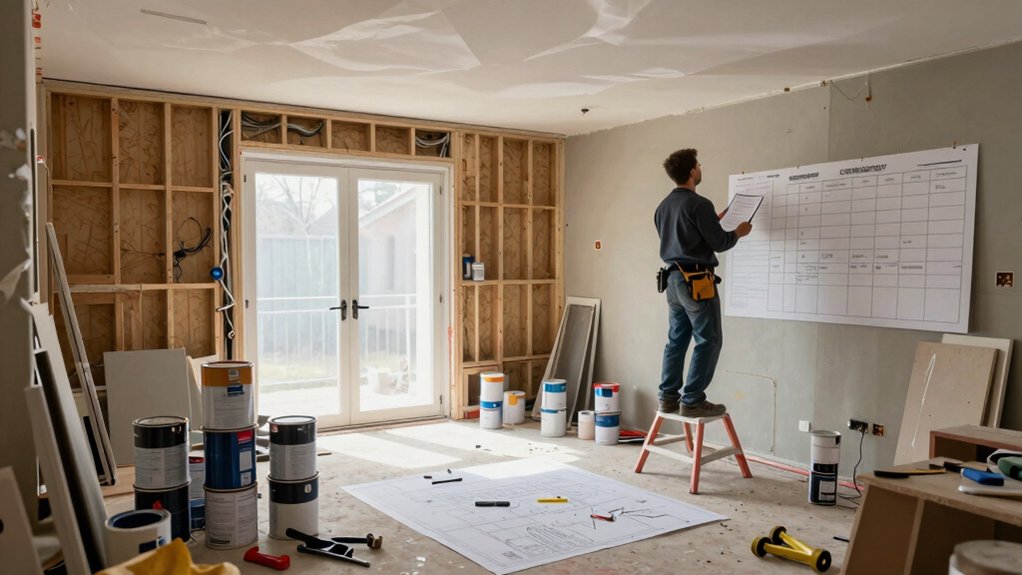
The most common home renovation delays come from permitting holds, scope creep, material shortages, and weather-driven pauses. You’ll see stumbles when applications stall, drawings miss details, or review backlogs push back approvals. Scope changes add time and cost if not controlled, while price spikes and subcontractor shifts stretch budgets. Material lead times tighten schedules, and weather or site access issues halt progress. Stay ahead with early verification, strict change controls, and tight scheduling—and you’ll uncover how to keep projects on track. You’ll learn more soon.
How Permitting Delays Happen: and How to Prevent Them
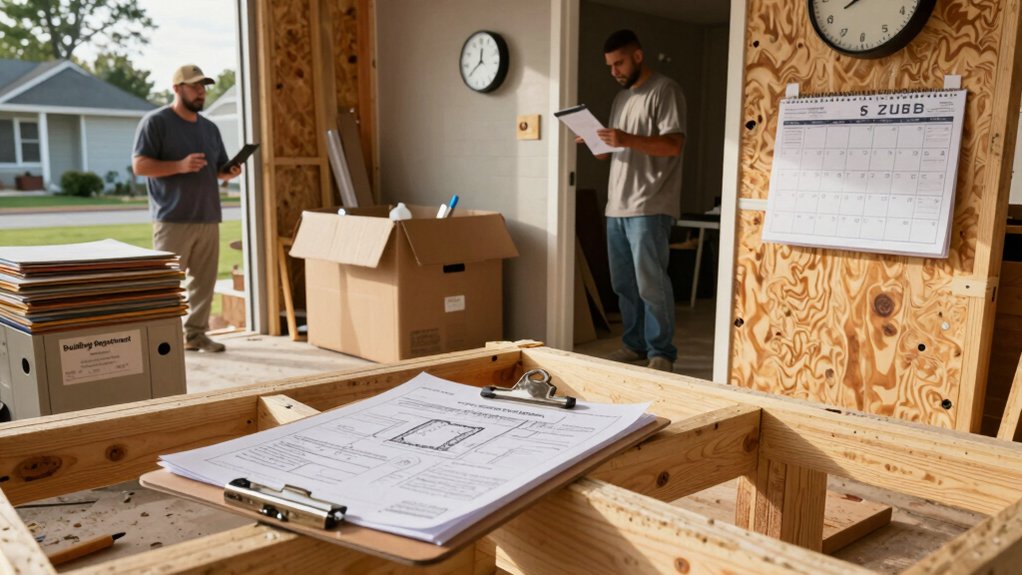
Permitting delays happen when applications stall at every step of the process, from pre-submittal checks to final inspections. You’ll encounter bottlenecks in document completeness, plan accuracy, and reviewer backlogs, which extend lead times by days or weeks.
In the permit process, incomplete drawings or missing forms trigger resubmissions, while inconsistent project scopes prompt reanalysis and additional data requests. Zoning compliance determines eligibility and can force redesigns to meet setback, height, or use restrictions, adding revision cycles.
Data shows that early verification of lot size, zoning district, and variance needs reduces cycle time by up to 30%. Proactive steps—pre-submittal reviews, organized filing, and clear scope definitions—limit revisions.
Track milestones, communicate promptly with reviewers, and maintain airtight documentation to minimize delays and keep approvals on schedule.
Controlling Scope Creep: Keep Changes From Slowing Your Timeline
Scope creep is a common derailment in renovations, but you can keep it in check with clear change controls and fast decision cycles. In this section, you’ll apply change management principles to prevent scope drift from derailing your schedule.
Define what constitutes a change, capture costs and time impact, and require written approvals before work begins. Communicate clearly to align client expectations and avoid misinterpretations that fuel revisions.
Track all requests, categorize by impact, and prioritize based on schedule risk and budget. Use a formal change log to document decisions and revisions, then update timelines accordingly. A disciplined process minimizes surprises and preserves your critical path.
- Establish a change framework with defined thresholds
- Require written approval for all scope additions
- Align client expectations with measurable impacts
- Maintain a live change log and updated schedules
Managing Materials: Beat Supply Shortages and Delays
Supply lead times stretch timelines when orders lag, so you’ll want to map each material’s typical window and flag potential bottlenecks early.
If supplier communication gaps appear, you’ll benefit from a single point of contact and regular status updates to avoid last-minute surprises.
Stock availability challenges demand proactive purchasing—lock in backups or alternatives before you hit shortages.
Material Lead Times
Delays in sourcing materials can stall your project, so you’ll want to map lead times for all key items—lumber, drywall, plumbing, electrical, and finishes—early and monitor updates weekly. You’ll quantify typical windows, identify buffers, and compare supplier catalogs to actual deliveries.
This data-driven approach reduces uncertainty, helps you forecast cash flow, and flags risky items before they halt progress. Prioritize items with long or volatile lead times and adjust timelines accordingly.
Track changes in import duties, manufacturing backlogs, and seasonal demand to stay ahead. Establish a rolling log of estimated vs. actual delivery dates to inform decisions and trigger contingency actions.
- Track item-specific lead times and variability
- Build supplier performance benchmarks
- Set proactive buffer periods for critical materials
- Use a rolling delivery-date log to adjust plans
Supplier Communication Gaps
Effective supplier communication is essential when material shortages loom; clear, timely dialogue reduces gaps between orders, forecasts, and deliveries. You should implement a structured communication cadence with key suppliers, documenting commitments and updating stakeholders when plans shift.
Track vendor reliability metrics—on-time delivery, quality returns, and responsiveness—to spot trends before delays cascade. Establish delivery scheduling windows and strict cutoff times for order changes to minimize last-minute disruptions.
Use centralized dashboards to compare actual vs. planned lead times, flagging deviations early. Proactively share revised schedules with trades and procurement to align expectations and reduce idle labor.
Invest in contingency options, such as dual sourcing for critical items, to stabilize supply and maintain project momentum. This disciplined approach lowers risk and keeps timelines intact.
Stock Availability Challenges
Stock availability is a constant bottleneck that can stall a project if you don’t act fast. You’ll see material shortages and supplier delays ripple through schedules, increasing lead times and forcing costly rewrites of plans.
By tracking inventory trends and ordering early, you reduce wait times and protect milestones. Quick, data-driven decisions help you secure critical components before price spikes or backorders take hold.
- Identify high-risk materials early and lock in quotes
- Build a reliable supplier list with lead-time variability
- Use just-in-time tactics paired with safety stock calculations
- Monitor market signals and preempt shortages with alternative materials
Proactive sourcing minimizes disruption, keeps crews productive, and preserves budget in the face of demand volatility.
Weather Windows and Seasonal Hold-Ups: Plan for Downtime
You’ll map weather windows carefully to minimize downtime, using local climate data and contractor calendars to forecast productive days.
Plan for seasonal pauses by quantifying potential delays and building buffers into your schedule.
This data-driven approach keeps you ready for interruptions and helps preserve overall project momentum.
Weather Windows Planning
Weather windows determine when you can safely perform exterior work. You’ll plan around seasonal patterns to minimize downtime and protect unfinished space from weather damage. Use data on rainfall, temperature, and wind to set realistic timelines for each phase, and align them with project milestones.
This helps you anticipate delays and adjust staffing before they ripple through the schedule. Effective weather planning also enhances contractor coordination, so crews arrive with the right materials and permits, reducing idle time.
Track historical climatology for your region to forecast windows and buffer periods. Communicate updated windows to all trades promptly to keep momentum intact.
- Align weather forecasts with key project milestones
- Schedule contingencies for rain, snow, and extreme heat
- Coordinate material delivery with forecasted windows
- Establish clear weather-related decision points for contractors
Seasonal Downtime Strategy
Seasonal downtime is a predictable lever you can pull to keep a renovation on track. In practice, seasonal planning aligns work phases with ideal conditions, reducing weather-related stoppages and rework.
Mapping project tasks to typical weather windows helps you forecast downtime, reserve contingency crews, and tighten budgets. Use historical data for your region to estimate site accessibility, material handling, and exterior work feasibility by month.
Weather considerations should drive scheduling buffers between critical trades, especially when exterior finishes, roofing, or concrete are involved. Track shoulder seasons and rain-heavy periods to minimize cold-start delays and ensure inspections align with permitting cycles.
Document learnings from each season to improve next-year planning, maintaining momentum without sacrificing quality. This approach keeps progress measurable and predictable.
Scheduling Conflicts: Aligning Your Contractor Team
Effective scheduling is critical to minimize downtime when aligning your contractor team. You’ll reduce idle time by tracking crew availability, weather windows, and overlapping trades, then compressing milestones into a realistic timeline.
When conflicts arise, you’ll rely on clear communication, updated calendars, and documented change orders to preserve momentum. Prioritize contractor coordination to synchronize deliveries, inspections, and on-site sequencing, ensuring each trade can proceed without waiting.
Maintain scheduling flexibility to accommodate unforeseen delays, reallocate tasks, and keep critical path tasks on track. Data shows that proactive rescheduling lowers downtime and budget waste.
Use shared dashboards and daily huddles to surface issues early.
- Align calendars across all trades for smoother transitions
- Build buffer windows for weather and permit approvals
- Establish clear lead times for materials and subcontractors
- Track changes with transparent, written updates
Budget Pitfalls That Slow Construction (and How to Avoid Them)
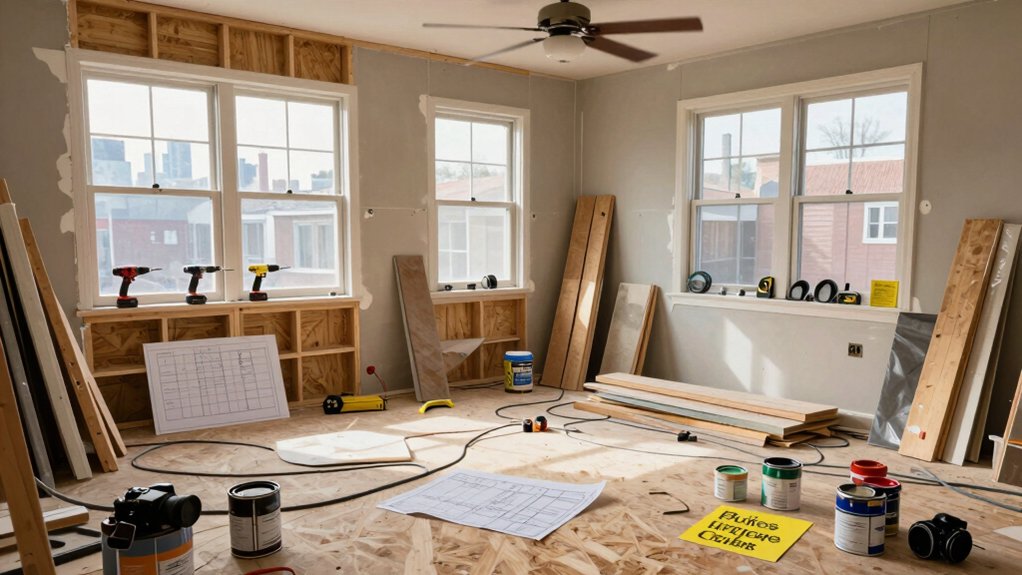
Budget overruns often creep in when plans meet real-world costs, and you’ll slow construction if you don’t catch these early. You’ll face cost overruns when material prices spike, subcontractor rates shift, or permits surprise you with delays. Track estimates vs. actuals weekly, not monthly, to spot trends early.
Build in a contingency fund—typically 10% to 15%—and document any change orders immediately. Unexpected expenses arise from scope creep, design alterations, or defective materials; address them with written approvals to prevent budget bleed.
Benchmark your city’s permitting timelines and prevailing wage expectations to avoid surprises at finish. Source alternatives for critical items and secure fixed-price quotes where possible. Transparent budgeting keeps cash flow steady, reduces last-minute cuts, and minimizes disruption to your project timeline.
Clear Communication: Keep Your Project on Track
Clear communication keeps your renovation on schedule by aligning expectations, tracking progress, and catching issues early. You’ll speed decisions when you standardize updates, share milestones, and document changes.
Focus on accountability: clearly assign tasks, due dates, and responsible parties so contractor accountability is visible and measurable. Use project documentation to create a single source of truth—plans, permits, change orders, and daily logs stay accessible to all stakeholders.
Regular check-ins convert data into action, flagging variances before they escalate. Tie communication to budget risk, scheduling, and quality control to reduce rework. When issues are addressed promptly, you protect timelines and, ultimately, cost.
- Clarify roles, deliverables, and deadlines at kickoff
- Track changes with written approvals and dated records
- Centralize updates in a shared project document
- Review progress logs weekly and adjust plans accordingly
Site Access and Prep: Set Up a Smooth Start
Setting up site access and prep sets the project on a smooth footing from day one: establish clear entry points, secure permits where needed, and align materials, equipment, and utilities with the schedule to minimize delays.
You’ll reduce disruption by mapping access routes, staging areas, and once-removed cleanup plans before demolition begins. Prioritize site preparation by checking soil, utilities, and drainage to prevent rework.
Address access issues early with stakeholders, updating calendars to reflect deliveries and crane or hoist windows. Track permits, inspections, and required notices so approvals don’t stall progress.
Implement a simple communication protocol for site teams and contractors to flag obstructions quickly. Finish with a compact, visual plan outlining responsibilities, timelines, and contingency buffers to sustain momentum and meet milestones.
Navigations Through Final Inspections: Streamline Administrative Delays
Managing final inspections requires staying ahead of paperwork and schedules to prevent approvals from stalling the project. You’ll face two headline friction points: inspection bottlenecks and paperwork holdups.
By aligning submissions with authority timelines, you minimize back-and-forth and keep momentum. Track required documents, permit numbers, and test results in a single checklist to avoid missing items that trigger re-inspections. Prepare renewal reminders for deadlines and maintain direct contact with inspectors to accelerate responses.
Use data-driven benchmarks to forecast delays and reroute tasks before they cascade.
- Establish a centralized document hub with timestamped submissions
- Map each permit layer to its responsible agency and typical turnaround
- Schedule pre-inspection walkthroughs to catch defects early
- Create escalation paths for stalled approvals and missing items
Conclusion
You can keep a renovation on track by anticipating each delay and setting firm routes to prevent them. From permits to inspections, plan buffers and lock in decisions early. Track material lead times, budget at every milestone, and confirm access before you start. Clear, data-driven updates stop surprises before they derail you. Think of your project as a well‑oiled machine; when every part is aligned, the entire system hums smoothly.