
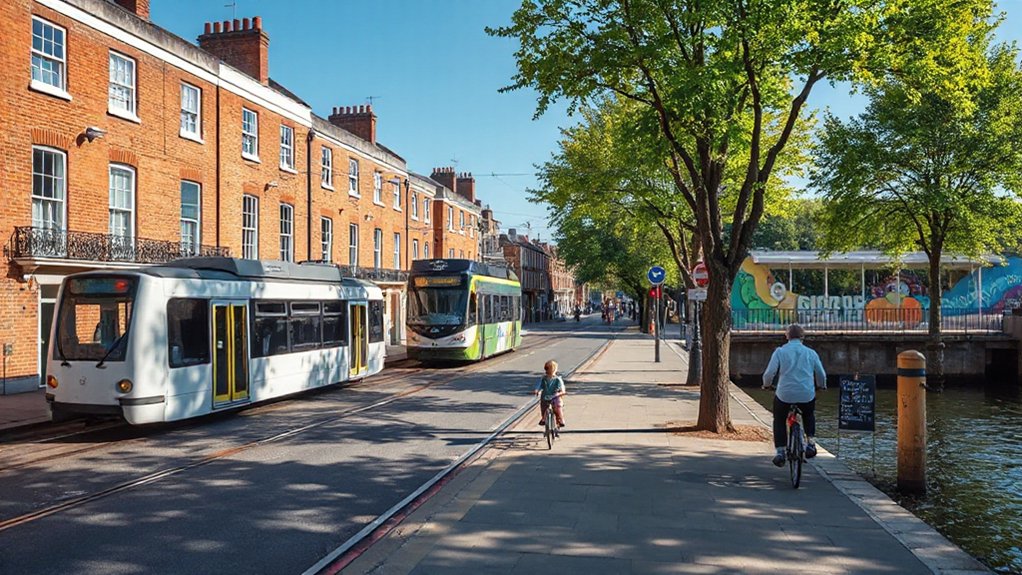
Hull stays budget-friendly because rents are steady, occupancy climbs, and prices sit below peers, creating durable upside and affordable entry points for first-time buyers and investors. You benefit from solid yields around 6–8% in central flats, with gradual price-per-square-foot growth supporting long-term upside. Regeneration, improved transport, and a growing jobs scene sustain demand across students, professionals, and firms. If you keep exploring, you’ll uncover how these factors align for disciplined, value-driven investing.
Hull Investment Case in 2026: Is It Right for You?

Evaluating Hull’s investment case in 2026 requires a clear view of its value proposition, risk profile, and upside potential.
You’ll see a city with steady rent growth, modest entry costs, and improving occupancy metrics, supported by a diversified local economy. The value proposition centers on affordability paired with improving infrastructure and accessibility, making it attractive to both yield-focused and lifestyle-oriented investors.
Risks include sensitivity to regional economic shifts and competition from nearby markets, but ongoing redevelopment and cafe/retail upgrades mitigate downside.
Upside potential stems from sustained demand, targeted capital improvements, and private-public initiatives.
Luxury amenities and Cultural events add appeal for tenants seeking lifestyle benefits without premium rents, helping retention and long-term occupancy.
You belong in a data-driven, community-minded investment approach.
Why Hull Offers Budget-First Entry for Investors
Hull offers a budget-first entry point by combining low upfront costs with solid, steady demand. You’ll see disciplined capex requirements supported by strong rental yields, helping you scale without overexposure.
Demand remains resilient across sectors, with university-driven rentals and steady corporate leasing fueling occupancy. This creates a protective moat for new entrants seeking predictability over flashy returns.
You’ll access options that balance affordability with return potential, aided by affordable financing frameworks and transparent market data. The city also attracts tenants seeking value without sacrificing quality, making it easier to fill units quickly.
Consider luxury apartments and luxury amenities as strategic signals for long-term tenancy, signaling stability while preserving cost discipline in a budget-first portfolio.
Hull Property Prices: How Entry Points Compare to Peers
You’ll see how Hull’s Entry Point Gap stacks up against peers, signaling where initial commitment translates to long-term value.
Price Per Square Foot data shows Hull often undercuts surrounding markets, but gaps vary by neighborhood and property type.
Ongoing Market Affordability Trends indicate Hull remains competitive for first-time buyers and value-focused investors, guiding where entry points may tighten or widen next.
Entry Point Gap
What does the entry point gap look like when comparing Hull’s property prices to its peers? You’ll see a measurable affordability disparity that positions Hull as a welcoming, budget-conscious choice.
The entry point gap narrows when you compare entry-level homes, yet remains meaningful for first-time buyers, investors, and movers seeking value. You gain clarity from data that highlights steady price momentum without inflated brackets, supporting steady ownership prospects.
- A tighter entry threshold than coastal peers
- Consistent, lower upfront costs that invite participation
- Clearer path to long-term equity, not just quick flips
This analysis emphasizes affordability disparity without sacrificing potential growth, helping you feel connected to a market that rewards pragmatism and belonging. Hull’s entry point gap signals opportunity you can trust.
Price Per Square Foot
When you compare square-foot costs, Hull typically delivers more usable space for your budget, helping you plan portfolios with durable upside. Data show price per square foot rising gradually, not explosively, which preserves entry points for first-time buyers and buy-and-hold investors alike.
You’ll also see spillover benefits: neighborhoods near cultural attractions and luxury amenities cluster around growing transit access, supporting steady demand. This combination keeps Hull competitive, even as broader markets fluctuate.
If you seek a community that blends belonging with prudent risk, price per square foot confirms Hull’s compelling, value-first profile.
Market Affordability Trends
How affordable are Hull’s entry points when lined up against peers? You’ll see steady convergence in price bands, with Hull outperforming many regional peers on entry thresholds while maintaining growth potential.
Across recent quarters, you gain value per pound through core affordability plus favorable rental yields, signaling balanced risk and reward. Market data show smaller increments in initial purchases compared with larger cities, yet Hull retains access to luxury amenities and cultural diversity, enhancing overall appeal without premium surcharges.
This mix supports a sense of belonging as you invest, live, and grow locally.
- Steady entry points with robust upside potential
- Strong rental yields relative to peers
- Diverse amenities fueling community cohesion
What Yields You Can Expect in Hull’s Rental Market

In Hull’s rental market, you’ll find yields driven by steady demand from kitting-out students and professionals, with typical gross yields around 6–8% for central flats and slightly lower for suburban properties.
Analyzing pattern data, Market rental shows resilience amid seasonal dips, supporting stable cash flow.
Yield potential hinges on location, property condition, and management efficiency, with well-located units near universities and transport outperforming average stock.
You’ll likely see higher occupancy in purpose-built student blocks and modern city-center studios, while traditional houses may trend toward mid-range occupancy on longer leases.
Cost-to-income ratios stay favorable, improving net yields when maintenance is controlled.
For you, the takeaway is clear: target reliable tenants, optimize upkeep, and monitor neighborhood demand signals to preserve steady, defensible returns.
Hull Regeneration That Boosts Value and Demand
Hull’s regeneration drives value and demand by aligning investment assets with an expanding, modernization-focused city core. You’ll see how adaptive reuse and strategic zoning turn districts into high-demand living and working hubs, underpinned by data on occupancy, footfall, and rent stability.
Historical architecture and modern amenities coexist, enhancing appeal and resale resilience. Cultural festivals drive visitation and year-round activity, boosting hospitality and retail performance while stabilizing neighborhoods.
This regeneration isn’t cosmetic—it’s measurable, with infill projects, transit upgrades, and energy-efficient retrofits expanding asset values over time.
- You gain confidence from tangible indicators that demand sustains rent growth
- You feel belonging as communities co-create vibrant, inclusive spaces
- You trust data-driven progress shaping future investment cycles
Incentives and Financing Advantage for Hull Investors
You’ll see clear tax incentives, with rates and credits that shape after-tax returns for Hull investments.
Access to financing options is expanding, and the data show favorable terms and quicker approval cycles for qualifying projects.
Government grant availability varies by sector and scale, but targeted programs can notably lower upfront costs and risk.
Tax Incentives Overview
What incentives does Hull offer to investors, and how do they translate into tangible financing advantages? You’ll benefit from targeted tax incentives that align with your growth goals, underpinned by clear fiscal policies and measurable outcomes.
The framework promotes predictable cash flow, faster ROI, and stronger project viability through strategic exemptions and reliefs applied where you invest most. You’ll see data-driven justifications for decisions, backed by jurisdictional benchmarking and performance tracking.
- Optimized tax treatment for high-impact projects
- Transparent compliance requirements with clear reporting
- Predictable incentives tied to local hiring and sustainability
These incentives create a disciplined, belonging-oriented environment: you’re supported by consistent rules, accountable timelines, and a pro-growth ecosystem designed to sustain budget-friendly returns.
Financing Options Access
To build on the tax incentives you’ve read about, Financing Options Access sharpens the practical path to capital by pairing incentives with targeted financing tools. You’ll see a clear link between available tax relief and flexible debt instruments, including mezzanine structures and bridge loans tailored to Hull’s project timelines.
Data shows faster approval cycles for mixed-use developments that align with local cultural strategies, expanding leverage without overstretching leverage ratios. Luxury amenities and upscale components increasingly attract private lenders, boosting loan-to-value ratios while maintaining prudent risk.
Cultural festivals create demand signals that banks recognize, supporting favorable terms during grant windows and repayment windows. In this framework, investors gain predictable cash flow, amplified by incentives and market-ready financing, fostering a sense of belonging through sustainable, well-capitalized growth.
Government Grant Availability
Government grants augment Hull investors’ risk-adjusted returns by pairing state and local funding with project milestones and measurable outcomes. You’ll see how government grants and economic incentives align capital deployment with tangible benchmarks, reducing upfront risk while accelerating timelines.
In practice, eligibility, caps, and reporting requirements shape project scope, yet data shows consistent completion rates and multiplier effects around Hull’s sectors. You benefit from streamlined application tracks, transparent milestones, and end-to-end funding orchestration that lowers hurdle rates.
Participation signals credibility to lenders and partners, reinforcing a virtuous cycle of reinvestment.
- Predictable support that reduces capital costs and boosts project viability
- Clear milestones driving accountability and timely outcomes
- Community-focused benefits enhancing investor confidence and belonging
How Transport and Connectivity Multiply Hull Value

Transport and connectivity are pivotal in Hull’s value equation: better links shorten commutes, expand labor pools, and attract investment that compounds over time. You feel the effect in faster decision times and more reliable schedules that boost daily efficiency.
Road and rail improvements lift property values and open land for targeted development, while better ports expand export capacity with modest cost increases.
Data show shorter travel times correlate with higher labor-force participation, stronger occupancy rates, and steadier turnover in commercial spaces.
Tourism impact rises when easy access supports day trips and regional itineraries, reinforcing cultural attractions as repeat visit magnets.
Connectivity isn’t just infrastructure; it’s a signal of belonging, inviting future residents and businesses to invest confidence in Hull’s evolving, interconnected economy.
Hull’s Growing Jobs Scene and Commercial Momentum
You’re seeing Hull’s jobs growth trajectory align with brisk commercial space expansion, signaling a broader shift in local demand and talent placement.
Data indicate sustained hiring momentum across target sectors, supported by new office footprints and flexible work spaces.
In parallel, rising business investment momentum points to confidence in Hull’s cost-structure and long-term viability as a budget-friendly growth hub.
Jobs Growth Trajectory
Hull is seeing steady jobs growth driven by a diversified mix of sectors, with private investment expanding office space and startups accelerating hiring. You’ll notice a rising employment base tied to resilient sectors, backed by data showing net gains in tech, healthcare, and logistics.
The momentum reflects strategic city support, talent pipelines, and affordable living that attract employers and workers alike. Luxury amenities and cultural festivals amplify retention, not just recruitment, signaling a spatial and social appeal that goes beyond salaries.
- Inclusive opportunities fueling local pride
- Steady, measurable job creation across sectors
- Reliable momentum aligning with affordable living
This trajectory demonstrates Hull’s ability to convert initial gains into sustained, scalable growth, reinforcing belonging through tangible economic progress.
Commercial Space Expansion
This momentum supports higher productivity, easier collaboration, and a sense of belonging among diverse teams. Urban renewal efforts are redefining neighborhoods, turning underutilized blocks into functional hubs that attract startups and established firms alike.
Cultural districts amplify this cohesion, offering convenient access to amenities, networking events, and creative spillovers that strengthen the local talent pipeline. In short, Hull’s commercial momentum isn’t just about space; it’s about a connected, resilient ecosystem that sustains growth.
Business Investment Momentum
What drives Hull’s business investment momentum is a clear, data-backed link between rapid job growth and a healthier commercial ecosystem. You’ll see payroll expansion propel retail, services, and tech, creating a self-reinforcing cycle of demand, investment, and confidence.
This momentum isn’t random—it’s measurable: rising employment correlates with higher occupancy, rising rents, and more venture activity. The result is a more resilient market with cheaper capital relative to peers.
Luxury amenities and cultural festivals act as accelerants, attracting talent and visitors, sustaining foot traffic, and widening the customer base. You benefit from a community that aligns affordable costs with quality experiences, strengthening retention and long-term value.
Together, these signals confirm Hull’s position as a magnet for sustainable growth.
- A growing jobs engine that feeds businesses
- Vibrant cultural-and-commercial ecosystem
- Accessible, lifestyle-driven investment appeal
Practical Buying Playbook for First-Time Hull Investors
To start investing in Hull effectively, you should ground decisions in clear, data-driven criteria: price per square foot trends, rental yields, upcoming infrastructure projects, and neighborhood fundamentals. You’ll compare cap rates across neighborhoods, weight growth corridors, and verify occupancy history before committing.
Focus on transparent metrics: historical price per square foot, 12-month rent stability, and projected transit or redevelopment milestones that impact demand. Use a simple scoring model to rank options, then test sensitivity to interest rate shifts.
Prioritize properties that blend efficiency with comfort, offering Luxury amenities where feasible without overpaying. Consider Environmental sustainability as a value driver—buildings with energy performance tend to attract long-term tenants and lower operating costs.
Stay disciplined, document decisions, and align your purchase with community vitality and long-term growth potential.
Hull Risk Checklist: Mitigations and Due Diligence

A rigorous Hull risk checklist balances mitigations with due diligence to protect your investment. You’ll quantify exposure, monitor market volatility, and align leverage with cash flow. Assess local rent trends, vacancy rates, and regulatory shifts to ground decisions in data. Verify property management practices, maintenance cycles, and contingency reserves to keep operations smooth. Cross-check title, zoning, insurance, and environmental risks to reduce surprises. Guarantee transparency with tenants and lenders, so you retain control during downturns. Continuous review supports prudent reallocation of capital and preserves overall value.
- Align costs and rents to market shifts, not wishful projections
- Strengthen property management with proactive maintenance and clear KPIs
- Maintain flexible finance and reserves to weather volatility and vacancies
Frequently Asked Questions
Is Hull’s Budget Angle Sustainable Long-Term for Passive Investors?
Yes, it’s sustainable for now, but you should watch market volatility and demographic shifts; if diversification and data-driven tweaks hold, you remain aligned with a budget-friendly, long-term passive strategy that fosters belonging and resilience.
Which Neighborhoods Offer the Best Rent-To-Price Ratios?
You’ll find the best rent-to-price ratios in stable, walkable micro-areas, where Property management efficiency and Tenant retention drive consistent yields, low vacancies, and community trust, making you feel grounded and connected while maximizing long-term investment performance.
How Do Landlord Taxes Affect Net Yields in Hull?
Landlord taxes reduce net yields in Hull, so you must optimize property management and implement rigorous tenant screening; this data-driven approach preserves cash flow, enhances occupancy, and helps you feel secure belonging to a prudent, professional investment community.
What Are the Main Regulatory Risks for Hull Investments?
Picture a tenant dispute case study: zoning restrictions and environmental hazards shape risk. You face regulatory risk when authorities tighten zoning, enforce stricter emissions rules, or limit conversions, impacting yields and compliance costs you must monitor continually.
How Quickly Can Capital Be Recycled After Refurbishments?
Capital can cycle quickly—often within 12–24 months—if you optimize turnover and funding. Track returns from property management, streamline refurbishment costs, and reinvest levered gains to accelerate capital recycling while preserving tenant longevity and market data integrity.
Conclusion
Hull remains a budget-friendly entry point for investors due to affordable prices, improving yields, and ongoing regeneration. With data-driven momentum—from growing jobs, stronger transport links, and commercial activity—risk is mitigated by diversified demand. Entry costs stay low compared to peers, while rental demand tightens. Think of Hull as a loading dock for value: you load in capital now, and the city’s evolving infrastructure and markets push that value higher over time. Your next move should be deliberate, not delayed.