
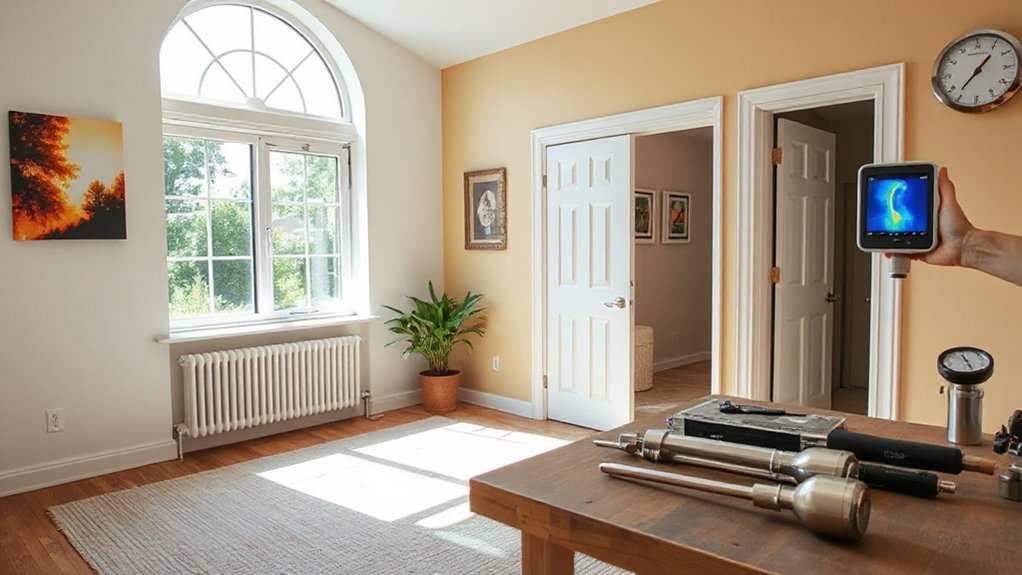
Begin with a thorough energy audit to identify air leaks, cold spots, and insulation gaps, then seal first—doors, windows, penetrations, and attic hatches—before cold snaps hit. Upgrade insulation in attic, walls, and ducts, and boost exterior efficiency with targeted landscaping and curb-appeal improvements. Install balanced ventilation and high-efficiency filters to protect IAQ, and deploy smart controls with zone heating to tailor comfort. Track kWh and comfort, adjust seasonally, and you’ll uncover further high-impact gains.
Identify Your Home’s Heating Weaknesses
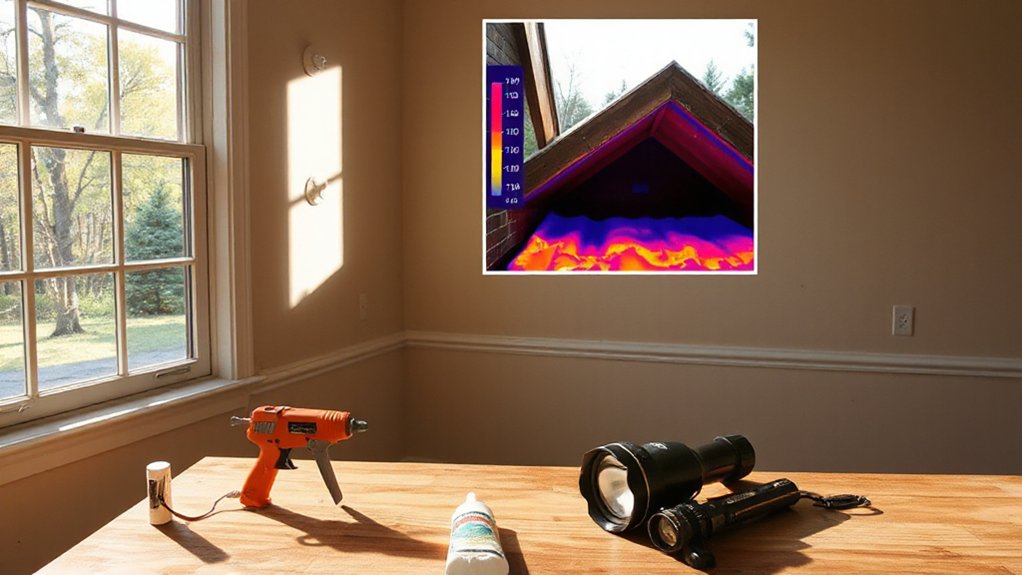
Identifying your home’s heating weaknesses starts with a simple, data-driven audit. You’ll map where heat leaks, uneven comfort, and high bills converge, then turn observations into concrete steps. Begin with an energy audit checklist: metered heat usage, thermostat patterns, and room-by-room temperature variance.
Use thermal imaging to visualize cold spots, penetrations, and insulation gaps, noting patterns that recur across seasons. Record daylight and wind-exposure effects on exterior walls, doors, and windows.
Compare your findings against baseline building performance metrics for your climate, then prioritize issues by cost, impact, and comfort disruption. This data-driven approach builds belonging as you share transparent results with neighbors or a contractor.
With clarity, you’ll know where to focus improvements first and measure progress over time.
Prioritize Air Sealing and Insulation (First Steps)
Start with an Air Leakage Assessment to quantify where you’re losing heat. Then prioritize fixes that deliver the biggest comfort gains per dollar.
Use the results to build an Insulation Upgrades Plan that targets gaps in attic, walls, and ducts, so you can seal once and save over time.
This approach gives you actionable data and a clear path to tighter, more efficient rooms.
Air Leakage Assessment
Use a simple smoke test or run a blower door if you have access to one to quantify leakage, then record the top eight to ten gaps. Prioritize sealing techniques that target high‑leakage areas first, such as door sweeps, window insulating weatherstripping, and sealant around penetrations.
Note seasonal patterns—tighten before cold snaps, ventilate during warm spells. Combine data with a quick cost‑benefit view: measure potential heating savings against installation effort.
This approach builds belonging by inviting you to own the process and track progress together with your crew.
Insulation Upgrades Plan
From here, you’ll cap off the air-leak map with targeted insulation and sealing steps that lock in the gains you’ve measured. Start with air sealing first, then tackle insulation in the most thermally critical areas.
Prioritize gaps around doors, windows, electrical penetrations, and attic hatches to reduce drafts and moisture transfer. Use high-performance containers like closed-cell spray foam or mineral wool where needed, and apply weather-stripping to moving parts.
Address attic and basement insulation ratios to minimize thermal bridging, reducing heat loss even in cool seasons. Install vapor barriers where necessary to manage moisture, selecting permeance appropriate for your climate.
Track R-values and air changes per hour, balancing comfort with cost, so your team feels included in the progress.
Improve Ventilation and Indoor Air Quality for Efficiency
Improving ventilation and indoor air quality directly boosts heating efficiency by reducing humidity, pollutants, and drafts that force your system to work harder. You’ll notice steadier comfort when you manage moisture and airflow in key rooms.
Start with a simple air assessment: measure indoor humidity and track seasonal swings to tailor ventilation paths. Use balanced ventilation or intermittent exhaust, avoiding over-venting that wastes heat.
Upgrade filtration: select high-efficiency air filters compatible with your system and schedule monthly checks. Keep filters dry and clean, replacing as needed to maintain airflow.
Pair filters with air filtration strategies in living spaces prone to dust and allergens. Regularly run fans during high-occupancy periods and after cooking to sustain clean air without compromising warmth.
Choose Smart Controls That Cut Energy Use
Start by selecting efficient thermostats that balance comfort with energy data, so you can fine-tune temps without guessing.
Implement zone heating and smart scheduling to target occupied spaces and reduce waste, using real-time feedback to adjust settings.
Track results with simple metrics and tweak your approach—small, data-backed changes add up to meaningful savings.
Select Efficient Thermostats
Smart thermostats simplify energy savings by translating your routines into precise heating and cooling schedules. You’ll gain consistency without micromanagement, because the device learns when you’re home, away, or asleep.
Choose models that support clear data displays and reliable connectivity, so you can verify what’s actually happening in real time. Look for energy monitoring features that show consumption trends by room or zone, helping you spot waste and optimize usage.
Prioritize compatibility with your existing HVAC system and a user-friendly app that invites collaboration—you and your household can share goals and celebrate progress together.
Consider firmware update longevity and robust customer support, so you stay current and confident. Smart thermostats empower communities of households seeking comfort, savings, and stronger energy stewardship.
Zone Heating Strategies
Zone heating trims your energy bill by focusing warmth where you’re most often present. To maximize comfort and efficiency, implement thermal zoning so you can heat only occupied areas. Pair this with clear zone control, assigning thermostats to living spaces, bedrooms, and near high-occupancy spots.
Use smart controls that learn occupancy patterns and adjust automatically, reducing wasted heat in empty rooms. Invest in well-sealed doors, reliable dampers, and insulated walls to maintain distinct temperature zones without bleed-through.
Calibrate setback schedules to align with routines, avoiding abrupt swings that spike energy use. Monitor performance with simple, readable data: daily kWh by zone and comfort complaints.
This approach builds belonging by ensuring predictable comfort where it matters, while cutting bills through precise, data-backed decisions.
Smart Scheduling Practices
Using smart controls that learn occupancy patterns and adapt to your routines lets you trim energy use without sacrificing comfort. When you set timing synchronization between devices, you reduce overlaps and heat waste, so rooms warm quickly when needed and cool smoothly when not.
Focus on routine adjustments that fit real living patterns, not rigid schedules. Collect data over a week, then tune thermostats, fans, and vents to respond to actual activity.
Choose controls that offer clear dashboards and simple override options, so you feel confident joining the energy-saving effort. Small changes compound over time, delivering lower bills and a cozier home you’re proud to share with neighbors.
- Align schedules with daily rhythms
- Prioritize occupied-zone heating
- Enable adaptive setback strategies
- Audit and iterate timings
- Use transparent energy insights
Targeted Heating System Improvements (Zoning and Upgrades)
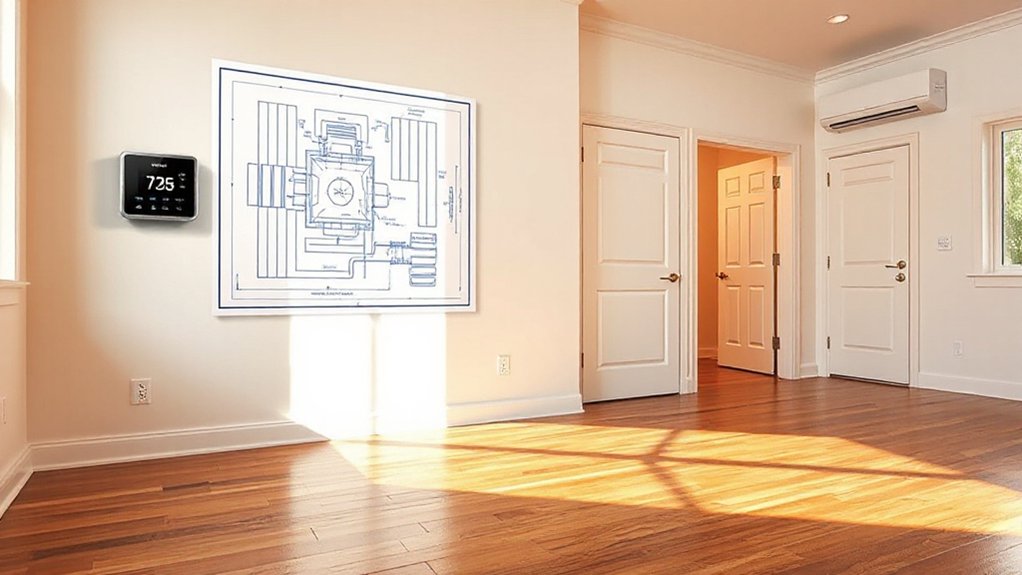
Targeted heating system improvements start with smart zoning and targeted upgrades that directly cut energy waste. You’ll gain comfort by separating living zones and assigning each space a sensible load.
Begin with a zone map: identify high-need areas, doors that trap heated air, and windows with drafts. Implement programmable or smart thermostats to tailor heat where you actually live, avoiding overconditioning idle rooms.
In parallel, upgrade key components to maximize efficiency without overhauling your system. Focus on radiator placement to optimize heat transfer and reduce cold spots, and make sure thermostat calibration reflects true room temperature for reliable response.
Use data from real-time consumption to fine-tune settings weekly. This approach builds belonging through predictable comfort and measurable savings, inviting you to invest confidently in practical, evidence-based improvements.
Plan, Budget, and Maintain for Long-Term Comfort
To keep your home consistently warm without surprises, start with a straightforward plan: list the rooms that matter most for daily comfort, set a realistic budget with a 5–10% contingency for unexpected repairs, and establish a monthly maintenance routine that covers filters, seals, and thermostat checks.
You’ll gain consistency by documenting goals and tracking energy data to guide future tweaks.
Focus on landscaping design and exterior aesthetics as practical enhancements that reduce heat loss and improve curb appeal, making long-term efficiency feel achievable.
Use these steps to stay aligned with your budget and comfort goals, and revisit seasonal needs to refine actions as conditions change.
- Define prioritized spaces
- Set measurable targets
- Track energy data
- Schedule routine checks
- Align with landscaping design and exterior aesthetics
Frequently Asked Questions
How Soon Will I See Lower Heating Bills After Improvements?
You’ll start seeing energy savings within a bill cycle or two, with bigger cuts after insulation and efficient heating upgrades. Track your costs; solid improvements accelerate cost recovery, and you’ll feel like you belong in a smarter, more efficient home.
Can Heating Upgrades Increase Home Resale Value?
Upgrade your home’s resale value: yes, upgrades help. You’ll attract buyers who value efficient comforts, housing costs, and reliability. Ventilation systems and insulation upgrades boost appeal, reduce bills, and prove practical, data-driven quality—and you’ll feel you belong.
Do These Steps Require a Professional Inspection?
Yes, consider an inspection checklist and professional consultation to confirm safety and code compliance. You’ll identify gaps, prioritize fixes, and schedule expert reviews, ensuring practical, data-driven improvements you can trust and share confidently with your community.
What Are Hidden Energy Losses Not Covered Above?
Hidden leaks and insulation gaps often hide energy losses; you should regularly test airtightness, seal cracks, and check attic/basement envelopes. You’ll notice lower bills when you fix these, feel more comfort, and belong by sharing improvements.
How Often Should I Revalidate My Heating Plan?
Did you know homes with annual heating plan reviews cut energy use by about 5–15%? You should revalidate your heating plan every year, aligning with heating system maintenance and insulation upgrades for consistent comfort and belonging.
Conclusion
You’ll feel the difference when you seal cracks and frost ceilings, yet the payoff isn’t loud—just steady warmth. Juxtapose a drafty hallway with a sunlit, snug living room; one wastes money, the other rewards you daily. Insulation, smart controls, and zoning don’t shout; they whisper savings through each degree dropped or held. Plan, track, and maintain, and the data-backed routine becomes your quiet, durable comfort—a fortress built from simple, repeatable, high-impact actions.