

You’ll find UK towns where rents stay predictable because supply, demand, and planning align with steady local economies. Look for inland towns offering more space per pound, coastal spots with affordable two-beds, and places with strong transport links and community support. Prices cluster in clear bands by unit size, with practical amenities that cut bills. Negotiation helps, using comparable rents and flexible leases. If you keep exploring, you’ll uncover which towns balance cost, convenience, and character.
What Makes a UK Town Affordable to Rent?

Affordability in UK towns hinges on a mix of headline costs and local economic conditions. Primarily, rent levels reflect housing supply, demand, and planning policies, so towns with abundant new-builds and well‑targeted social housing tend to offer lower rates.
You’ll see that affordability hinges on balancing these factors: pricing remains tethered to local wages, employment opportunities, and transport links, which shape commuting costs and overall living expenses.
Look for data on vacancy rates, new-build completions, and planning approvals to gauge potential stability.
Historical architecture and cultural festivals influence attractiveness without inflating rents when supply grows proportionally.
In practice, communities investing in mixed-use development, preservation of character, and accessible amenities foster belonging while keeping housing affordable, especially where residents collaborate with planners to maintain sustainable, diverse neighborhoods.
How We Define Affordability: Price Bands, Size, and Amenities
Price bands, unit sizes, and amenity sets form the core benchmarks we use to gauge affordability. You’ll see how price brackets align with typical monthly rents across towns.
Then, how unit size—studio, one, or two bedrooms—maps to monthly cost for households of varying compositions.
We weigh amenities not as luxuries but as cost-saving conveniences that sustain value over time: parking, heating efficiency, storage, and access to public transport.
Our approach is data-driven, transparent, and pragmatic, so you can compare towns with confidence.
We also consider place identity: Historical architecture signals repair and maintenance costs, while vibrant Local festivals hint at life-cycle expenses and social value.
Coastal Towns With Affordable Rents and Sea Vibes
Coastal towns can balance lower rents with compelling sea views, and our data shows where that sweet spot exists. In practical terms, you’ll find rents softened by modest local economies, yet buoyed by reliable transport links and preserved coastal character.
Beachfront districts cluster around affordable options, with two-bedroom flats often priced below national averages, and seasonal demand shaped by tourism cycles rather than speculative bubbles.
Seaside serenity isn’t just scenery; it reflects stable amenities—grocery access, healthcare outreach, and active community spaces—that support belonging. Look for towns prioritizing walkable cores, small-business vitality, and consistent year-round employment.
You’ll notice predictable price bands, transparent listings, and honest disclosures. If you crave camaraderie and coastlines, this mix offers genuine potential for Beachcomber retreats.
Inland Towns That Give You Space for Less

If you’re weighing inland options, you’ll find affordable rents with more space compared to coastal picks.
Data shows you’ll typically enjoy lower costs per square meter and fewer premium charges for quiet, suburban-town living.
This section summarizes options that balance budget, room to grow, and predictable monthly costs.
Affordable Inland Options
Inland towns offer more space for less money, making affordable rentals feasible without sacrificing commute times or amenities. You’ll find lower rents paired with decent transport links to regional hubs, so your weekly routine stays balanced.
Data shows steady rental yields and growing midmarket inventories in counties with strong schools and healthcare access, supporting a stable living environment.
Affordable inland options often feature older, well-maintained housing stock, offering character alongside practical layout options for families or roommates. Local markets emphasize value rather than flash, which translates to longer tenancies and a sense of community.
When you explore, look for opportunities near town centers to enjoy historical architecture and local cuisine, plus green spaces and connection to nearby countryside for genuine belonging.
Space Without City Premiums
Space in inland towns often comes at a lower price than coastal or major-city rents, and you’ll feel the difference in both housing size and overall value. You’re choosing space over proximity to hustle, with room to grow without breaking the bank.
Data show lower price-per-square-meter averages inland, translating into larger homes and everyday living buffers. You’ll also encounter steadier rent trajectories, less competition, and predictable renewal terms, which supports long‑term budgeting.
Urban sprawl is tempered by zoning and planning, helping you retain neighborhood character while expanding your footprint. Rental regulations here tend to favor transparency and fair access, reducing abrupt price jumps.
In short, you gain more space and reliable costs, fostering belonging through predictable, affordable living.
Quiet Town Living Costs
Quiet town living comes with tangible fiscal benefits: inland towns typically deliver lower rents and smaller total housing costs than coastal or urban hubs, even when you factor in commute time and utility use. You’ll notice the impact in monthly budgets, with steadier price trends and fewer rent spikes.
Data show lower purchase thresholds for larger homes, meaning more space for less. Maintenance often costs less when homes are older but solid, with less demand-driven wear.
You’ll also enjoy predictable bills and simpler rates, supporting savings for emergencies or local investments.
Historical architecture adds character without a premium, while local cuisine anchors community life, helping you feel rooted. This blend fosters belonging, calm, and sustainable, affordable living.
Towns With Great Transport Links on a Budget
If you’re aiming for rental affordability with solid transit, focus on budget-friendly hubs that keep your commute predictable.
The data show commuter-savvy towns near reliable rail and bus networks, balancing price with access.
Rails and buses offer clear cost-per-use value, making rail-accessible living areas a practical choice for long-term budgeting.
Budget-Friendly Transit Hubs
- Network efficiency: short commutes, reliable connections, predictable prices.
- Housing value: lower rents relative to metro centers, energy-efficient options, transparent tenancy terms.
- Community viability: walkable centers, local amenities, active neighborhood associations.
Commuter-Savvy Towns
Data shows shorter average commute windows, higher peak reliability, and lower per-kilometer costs than metro-adjacent alternatives. These towns often feature Historical architecture that endures, offering timeless appeal without pricey upkeep.
You’ll benefit from culturally active communities, where Cultural festivals punctuate the year and strengthen local belonging. Practical perks include park-and-ride facilities, staggered departure schedules, and predictable weekend options for leisure or remote work.
If you seek community cohesion, budget balance, and efficient movement, these towns deliver measurable, feel-good practicality.
Rail-Accessible Living Areas
1) Map the rail reach: assess line frequency, station reliability, and average commute time for your target area.
2) Compare cost vs. time: weigh rent against monthly travel expenses to identify true value.
3) Weigh lifestyle anchors: proximity to cultural assets, greener spaces, and walkable town centers.
These factors support a balanced, connected living experience.
Historic Market Towns That Won’t Break the Bank
Historic market towns can offer surprisingly affordable rentals without sacrificing access, amenities, or charm. You’ll notice steady rent ranges tied to local market economies, not spikes driven by universities or tourism booms. Core data show lower year-on-year increases than metropolitan areas, with range bands that help you plan housing budgets over five years.
Historical landmarks anchor visitor interest, yet daily life remains practical: groceries, transit, and council services cluster around town centers, keeping costs predictable. When you compare options, consider town size, proximity to regional hubs, and seasonal demand.
You’ll also see that robust rental yields exist alongside strong conservation work, sustaining town character while supporting maintenance spend. In short, affordable living meets enduring culture through mindful planning and inclusive communities.
University Towns With Pocket-Friendly Rentals

You’ll find Affordable Student Towns that balance tuition income with living costs, making rent more predictable for a semester or year. Data shows Rent-Savvy Uni Hubs often offer lower-average rents near campuses and strong student support services, without sacrificing access to amenities.
This discussion will compare rent trends, budget-friendly neighborhoods, and practical tips to maximize value across UK university towns.
Affordable Student Towns
1) Cost-to-value balance: lower rents pair with robust university support, making living affordable without compromising study resources.
2) Community integration: student-focused housing options and active student unions create routines and friendships.
3) Cultural access: proximity to historical landmarks and local cuisine enriches weekends and social life, deepening your sense of place.
These towns prioritize practical sustainability, ensuring you feel at home while pursuing your studies and local exploration.
Rent-Savvy Uni Hubs
Rent-savvy university hubs combine affordable rents with strong academic ecosystems, making it feasible to study hard while keeping living costs in check. In these towns, you’ll find stable rental markets, transparent pricing, and predictable utilities, helping you plan monthly budgets without guesswork.
Data shows lower average rents per square meter than national averages, plus high university engagement that sustains student-friendly services, libraries, and internship pipelines. They pair value with cultural depth, where historical architecture frames walkable campuses and mixed neighborhoods foster belonging.
Expect practical amenities: study spaces, affordable eateries, and reliable transport links. Local cuisine becomes a practical perk, offering inexpensive, flavorful options near dorms.
If you crave community and focus, these hubs align affordability with academic momentum, reinforcing your sense of place while you study.
Ex-Industrial Towns Reviving Without High Prices

Ex-industrial towns are reviving without the price spikes seen in other markets, as new investment and targeted regeneration create affordable rental options amid steady demand. You’ll notice steady occupancy, measured price trends, and strong returns from pragmatic policy moves that leverage industrial heritage and local talent.
Here’s how it unfolds:
1) Investment focuses on mixed-use venues that preserve character while expanding housing density.
2) Local planners pair incentives with slow, sustainable growth to keep rents stable.
3) Cultural programming—industrial heritage tours and cultural festivals—drives footfall and community pride without price surges.
The data show lower volatility than coastal hubs, with predictable monthly costs and longer tenure. Belonging grows when neighborhoods honor legacy while inviting new residents to contribute.
Towns With Strong Community and Renter Support
Data shows towns with robust community engagement report lower vacancy rates and steadier rents, thanks to proactive outreach and clear communication channels.
Rental support comes through targeted subsidies, flexible lease terms, and predictable fee structures that reduce financial stress for households at differing income levels. You benefit from collaborative problem‑solving that prioritizes long‑term affordability without sacrificing service quality.
If you value belonging, these towns demonstrate that you’re part of a responsive system, where renters, neighbors, and local government share accountability.
How Rents Vary by UK Region (And Why It Matters)
Rents in the UK aren’t uniform, and understanding regional differences helps you anticipate costs and plan accordingly. Regional disparities shape what you can afford and where you feel at home, making rental affordability a practical concern rather than a distant statistic.
By comparing regions, you learn how markets respond to jobs, transport, and local policy, guiding smarter choices. Here’s a concise view:
- Regions with higher demand push rents up, but offer stronger amenities and networks.
- More affordable areas often balance travel time with steady incomes and community support.
- Costs vary seasonally and with economic shifts, so tracking trends saves you money and stress.
Use this lens to align your budget with belonging, not just a price tag.
What to Look for in a Budget-Friendly Rental
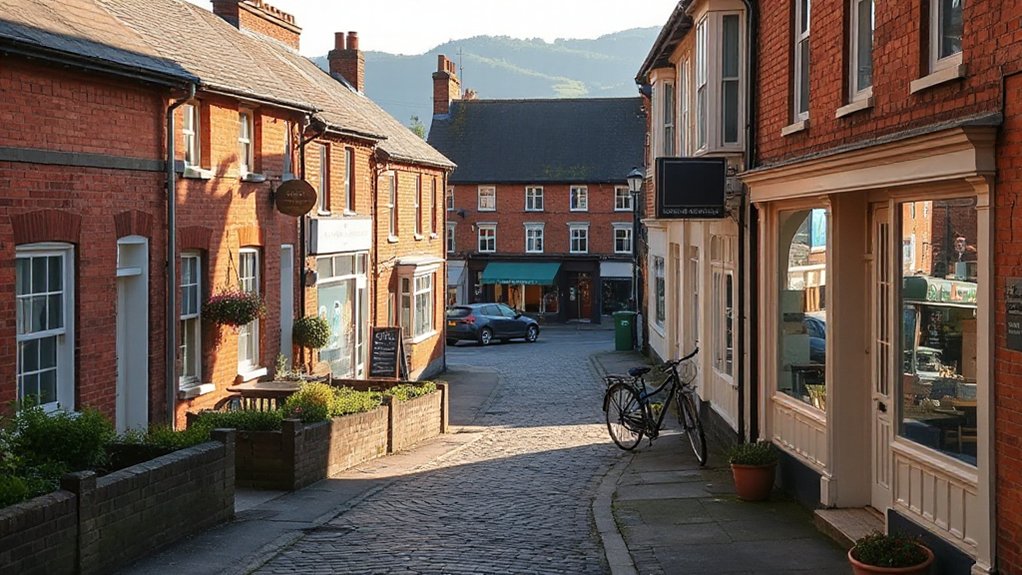
When you’re hunting for a budget-friendly rental, start with the numbers that shape affordability: monthly cost, upfront fees, and ongoing necessary expenses like utilities and council tax. You’ll compare total monthly outlays, not just headline rent, to avoid surprises during leases.
Inspect the lease for hidden costs, deposit protections, and renewal terms, then weigh maintenance responsiveness and landlord reliability.
Prioritize spaces with energy efficiency, good insulation, and council-supported waste handling to trim bills.
Look for features that support belonging: clear communication, transparent rules, and predictable routines.
In towns with Historical architecture, you’ll gain character without sacrificing practicality, while access to Local cuisine can reduce dining expenses and boost community ties.
Balance price with long-term value, not just initial affordability.
Neighborhoods for Best Price per Square Foot
You’ll compare price per square foot across neighborhoods to identify true rent value, not just headline totals.
We’ll highlight affordable localities and track how rent value trends shift over time to spot stable, cost-efficient options.
This sets the stage for a data-driven look at what the numbers say about where you get the most space for your money.
Price Per Square Foot
What neighborhoods offer the best price per square foot for rental homes, and how do those figures stack up against citywide averages? You’ll find that price per square foot often gaps by area, with some towns delivering rent affordability and steady demand while keeping property prices realistic.
When you compare neighborhoods, you’ll notice smaller towns frequently post lower rates per unit area, yet without sacrificing access to services. Use this data to guide decisions about where you fit best, balancing space with cost.
1) Track monthly rents per square foot across districts to identify consistent bargains.
2) Compare to citywide averages to gauge relative value and affordability.
3) Align findings with personal budgets and long-term property-price expectations.
Affordable Localities Spotlight
Across the country, several towns consistently deliver the best price per square foot for rentals, translating into meaningful savings without sacrificing access to amenities. In this Affordable Localities Spotlight, you’ll see neighborhoods where affordability meets livability.
Data tracks rent per square foot alongside proximity to essential services, transport links, and community assets. Expect pragmatic choices: compact, well-served streets, a mix of housing types, and predictable costs that support longer stays.
Local cuisine options cluster near affordable cores, letting you enjoy daily staples without travel fatigue. Historic landmarks anchor neighborhoods, offering cultural depth without price inflation.
If you value belonging, these areas balance budget clarity with social cohesion, ensuring you’re not just renting, but settling into a recognized, connected community.
Rent Value Trends
Rents per square foot in these affordable towns have shown measurable shifts as supply and demand respond to evolving housing options. You’ll see value settle where new builds meet steady occupancy, with some markets tightening around proven price anchors like proximity to transport and local amenities.
Across the board, luxury amenities don’t guarantee premium rents, but they attract longer tenancies and consistent occupancy, helping stabilize value per square foot. Property taxes influence total affordability, nudging some areas toward more competitive quotes even as unit quality improves.
You can track trends by watching:
1) price-per-square-foot movement by neighborhood,
2) correlation with new development and transit access,
3) changes in rental durations and vacancy rates.
How to Negotiate Lower Rents: Practical Tactics
Negotiating lower rents starts with solid preparation: know the market, your budget, and the property’s typical terms before you step into a discussion. You’ll use data to frame a fair ask, citing comparable rents, vacancy rates, and time-on-market.
Begin with a reasonable target and a walk-away point, then present a concise case for adjustment rather than a demand. Emphasize flexibility—offer compromises like shorter lease terms or maintenance commitments in exchange for lower rent.
Maintain a professional, collaborative tone to nurture landlord relationships; explore phased reductions or marginal rebates tied to renewal. Document all terms in writing, including any rent-free periods or capped increases.
Be prepared to pivot, using local market data to justify your position and keep negotiations constructive and transparent. Negotiation tactics matter; your approach shapes outcomes.
How We Ranked Towns: Shortlist Method

To build the shortlist, we combine objective criteria with transparent thresholds, then score towns against consistent benchmarks. You’ll see a structured method that prioritizes reproducibility over guesswork, ensuring you can trust the results.
We emphasize community engagement and local business vitality as core signals of livability, not just price.
- Data collection: we pull standardized metrics from public sources, then normalize them for fair comparison.
- Scoring: each criterion receives a clear weight, with thresholds that determine pass/fail or tier placement.
- Validation: we cross-check results with on-the-ground indicators and peer insights to confirm relevance.
This approach yields a transparent, actionable shortlist you can rely on when choosing where to live and belong.
Budget-Friendly Amenities That Add Real Value
Move from the shortlist method you just read to what actually makes affordable rentals work day-to-day: budget-friendly amenities that add real value. You’ll notice practical choices cluster around cost control, convenience, and social belonging.
Data shows effective options reduce ongoing expenses and boost satisfaction: energy-efficient lighting and appliances cut bills; communal laundry and drying spaces lower per-user costs; secure bike storage and handy EV charging add long-term value.
Community services matter too, like on-site maintenance responsiveness and simple tenancy support, which keep budgets predictable.
Look for towns offering shared spaces, transparent pricing, and flexible lease terms, since these elements translate into real, recurring savings.
In short, affordable amenities shape daily life, while community services reinforce confidence and well-being among residents.
Real-Life Rental Experiences in Affordable UK Towns
- Lower housing costs enable savings toward community activities and starter investments.
- Predictable bills and local services strengthen financial confidence and planfulness.
- Accessible amenities, from markets to libraries, foster participation in town life and social ties.
Frequently Asked Questions
How Do Councils Support Affordable Rental Options?
Councils support affordable rentals by funding Community initiatives and Rental subsidies, enabling mixed developments and rent caps. You gain clearer access, long-term affordability, and a sense of belonging as data-driven targets show reduced homelessness and steadier housing options.
Which Towns Have the Strongest Tenant Rights?
You’ll find strongest tenant rights in cities with robust tenancy laws and enforcement, offering protections during tenant eviction and clearer lease negotiations, so you feel secure, supported, and belonging as you navigate leases and defend your rights.
What Hidden Costs Accompany Cheap Rents?
Hidden costs with cheap rents include deposit uncertainties, agency fees, utility spikes, and renewal spikes. You’ll want to track rent control changes and landlord regulations, compare total costs, and demand transparent terms to feel secure and belong.
Are Student Leases Affecting Affordability Long-Term?
Student leases can dilute affordability long-term, since rising renewals and demand push prices higher. You should track student housing trends, and lead lease negotiations early, leveraging long-term residency data to secure fair terms and avoid hidden escalators.
How Reliable Are Rental Market Forecasts Now?
Market volatility makes forecasts less reliable right now, but you can spot trends by tracking rental demand, price momentum, and policy shifts; you’ll gain confidence when you diversify sources, test assumptions, and align projections with local market signals.
Conclusion
In search for value, you map costs, you compare sizes, you weigh amenities. You measure affordability with bands, you gauge transport, you test the rental market with real data. You balance coast and inland, space and proximity, budget and lifestyle. You prioritize transparency, you demand clarity, you expect consistency. You choose towns where rents align with income, where opportunities align with dreams, where practicality pairs with quality. You win by planning, comparing, and staying informed.