
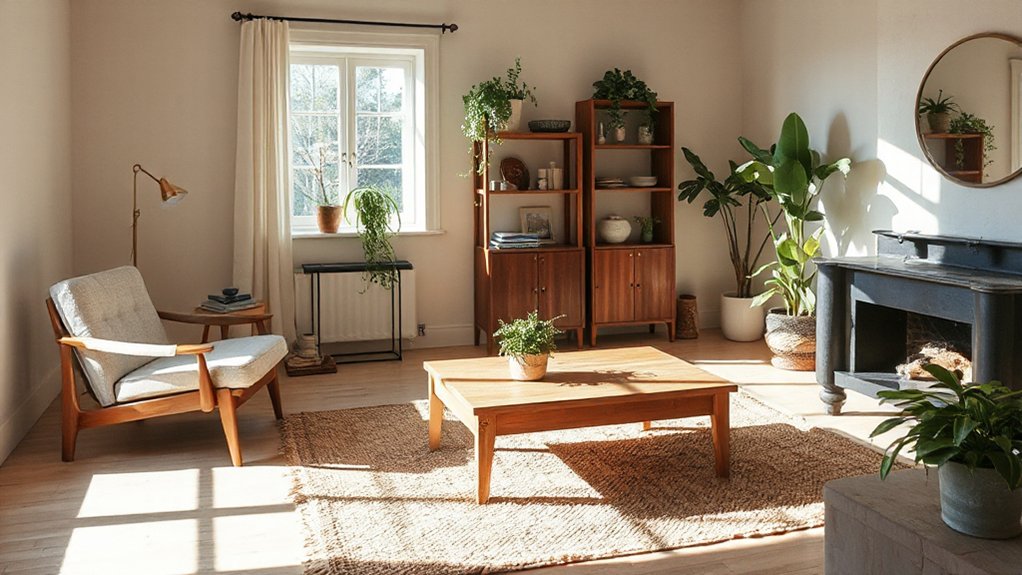
Define your budget-conscious modern vision and map a cohesive plan. Set a clear spending cap, prioritize durable basics, and layer personality with affordable finds. Choose a clean, coordinated color palette and repeat tones across rooms for harmony. Source smart by mixing high- and low-cost pieces, and build foundational storage that stays sleek. Add DIY accents and budget-friendly updates to refresh finishes, hardware, and textures. With mindful curation, you’ll create calm, connected spaces—plus more tactics await as you continue.
Define Your Budget-Conscious Modern Vision
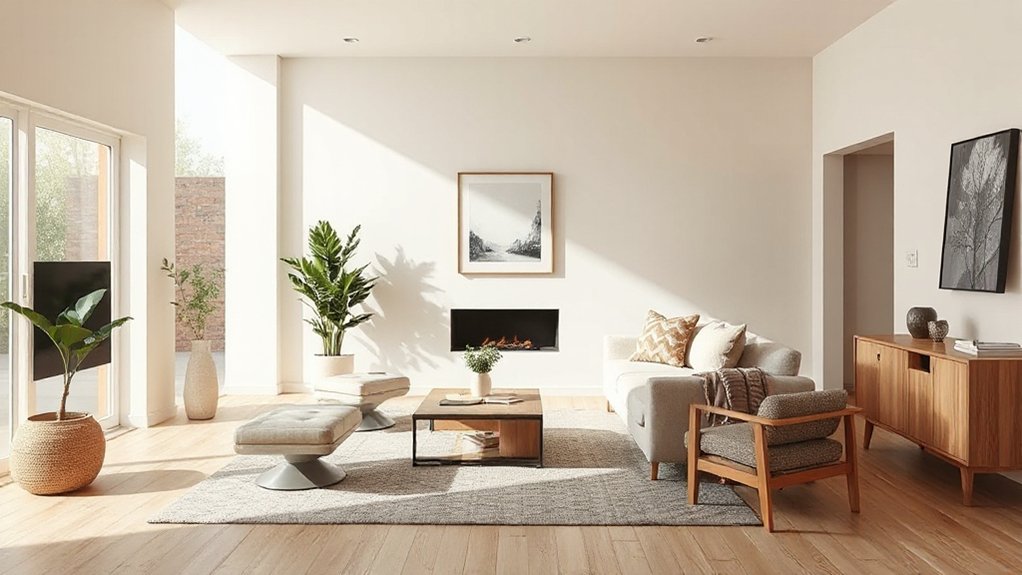
To define a budget-conscious modern vision, start by setting a clear spending cap and prioritize the rooms and items that will have the biggest impact. You’ll map how each choice supports comfort, flow, and cohesion, not just looks.
Choose a tone that fits your lifestyle: practical, timeless, and inviting. Embrace Vintage charm in key accents—think a retro lamp, carved mirror, or a refurbished piece that adds character without blew-all-the-budget risk.
Seek Artistic inspiration from your everyday surroundings, then translate it into affordable textures, colors, and finishes.
Plan for durable basics first—sofas, storage, lighting—then layer personality with affordable finds.
Keep a living document, adjust as you learn, and celebrate small, meaningful wins that strengthen your sense of belonging.
Set Criteria: What Quality Really Counts
Quality isn’t about price tags; it’s about durability, consistency, and fit for your space. When you set criteria, you’re choosing what’ll actually endure and how it will age with you.
Prioritize build quality over transient trends, and verify finish, seams, and hardware with a tactile check. Look for consistent color and texture across pieces to avoid a mismatched room.
Consider how items perform over time: ease of cleaning, resistance to wear, and how well they scale with your routines.
Emphasize luxury materials where they count, but balance cost by selecting key pieces to anchor the room.
Brand reputation matters, signaling expected standards and service.
Your criteria should be specific, measurable, and aligned with comfort, function, and a sense of belonging.
Pick a Clean, Coordinated Color Palette
Start with a limited palette to keep things cohesive and easy on the eyes.
Pair neutrals with a few well-chosen accent colors to create balance and depth.
Keep your choices consistent across rooms to prevent visual clutter and maximize budget efficiency.
Choose a Limited Palette
- Define a primary color and a couple of supporting hues for balance.
- Choose one accent that pops without overpowering.
- Use lighter shades to expand small spaces.
- Reserve bold color for focal areas and textiles.
- Maintain harmony by repeating tones in furniture and decor.
This approach cultivates belonging by delivering calm, intentional surroundings.
Coordinate With Neutrals and Accents
Pick a few dependable base shades—creams, greys, taupes—that don’t shout, then layer in color with thoughtfully chosen accessories and textiles. Limit bold accents to 1–2 focal items per space to avoid overwhelm.
Keep finishes consistent: matte fabrics with subtle sheen, natural wood, and a single metal tone. Test paint chips in different lighting before committing.
Arrange furnishings to emphasize negative space, letting neutrals breathe. Use accessories to express personality—art, pillows, plants—without clutter.
This disciplined approach creates a cohesive, welcoming environment your whole home can rely on.
Source Smart: Mix High- and Low-Cost Pieces
Mix high- and low-cost pieces strategically to get a polished look without breaking the bank. You’ll create cohesion by balancing scale, color, and texture, letting statement items do the talking while affordable finds fill in the rest.
Prioritize key locations—sofa, lighting, and textiles—to anchor the room with a cohesive vibe. Seek luxury accessories in moderation; a single luxe pillow or a metallic lamp can read high-end without overwhelming.
Consider designer collaborations on select purchases for impact, then mix in budget-friendly equivalents that echo the same silhouette or finish. The goal is harmony, not imitation.
Use a restrained palette, letting crafted details shine.
- Pair a standout low-cost piece with one luxury accessory for balance
- Choose one designer collaboration item to anchor the look
- Favor timeless shapes over trendy finishes
- Use texture to read as expensive
- Curate intentionally for belonging and cohesion
Build Foundational Storage That Stays Sleek
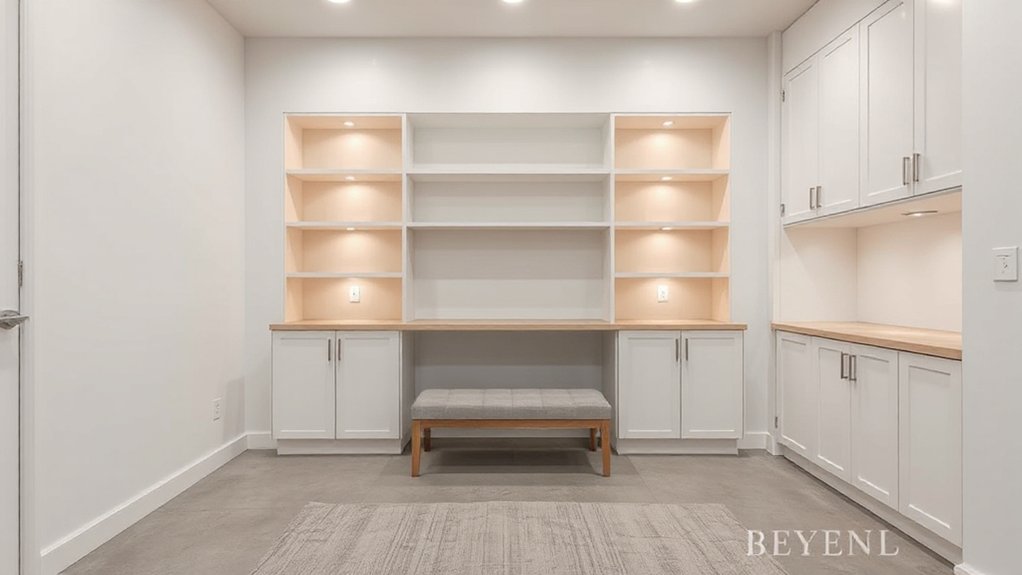
A solid storage plan sets the tone for a sleek, cohesive space, even when you’re mixing high- and low-cost pieces. You design foundational storage with purpose: choose scalable units that conceal clutter and maintain clean lines. Prioritize closed storage for everyday items, and reserve open shelves for curated displays.
Integrate vintage accessories as accents, not bulk, so they add character without feeling busy. Keep a consistent finish across dominant pieces to reinforce unity. Hide cords and electronics behind doors, and route cables neatly to preserve calm sightlines.
Plan where to store rarely used items and rotate essentials seasonally. Include statement artwork at eye level to anchor the room without crowding shelves. With intention, your storage stays sleek and welcoming.
DIY Accent Projects That Look Polished
You can elevate your space with budget-friendly accents that feel polished, starting with upgraded budget textiles, like crisp throws and coordinating cushions.
Try a bold painted statement wall to anchor the room.
Then finish with repurposed everyday items that add character without clutter.
These small, strategic choices tighten the look while staying affordable and practical.
Upgraded Budget Textiles
Ever wondered how to elevate room textiles without blowing your budget? You can upgrade budget fabrics by focusing on durability and deliberate detail. Choose sturdy materials for everyday pieces, and reserve delicate textures for accents.
Mix patterns thoughtfully: keep a shared color, vary scale, and balance bold with calm. You’ll create depth without clutter, and your space will feel intentional and welcoming.
- Prioritize Textile durability in core pieces, then layer lighter throws for contrast
- Pair large-scale patterns with small repeats to maintain harmony
- Use solid grounding colors to anchor vibrant prints
- Repair and reimagine thrifted textiles to extend life
- Coordinate textiles across rooms to foster a cohesive, belonging-focused vibe
Painted Statement Walls
Start with a single wall in a room that needs emphasis, or create a dramatic backdrop behind seating to anchor conversations. Use color contrast techniques to heighten depth: pair a saturated hue with neutrals, or reverse for a more intimate feel.
Consider matte finishes for a modern mood, or satin for subtle sheen that catches light. Plan your palette around existing furniture and art, then test swatches in natural and artificial light.
Statement wall ideas should enhance, not overwhelm, your space.
Repurposed Everyday Items
- Refinished vintage chair as a statement accent
- Upcycled crate shelving with a minimalist finish
- Mirror frame refreshed in a soft metallic
- Glass bottles repurposed as sculptural vases
- Driftwood or reclaimed wood tray as a coffee-table centerpiece
Layer Lighting and Texture for Depth on a Dime
Layering lighting and texture adds depth without breaking the bank. You don’t need pricey upgrades to achieve a warm, cohesive room.
Start with ambient layering: combine a soft overhead light with a couple of floor or table lamps to create zones and reduce harsh shadows. Add task lighting where you read or work, but keep it dimmable for flexibility.
Introduce tactile textures—woven throws, linen curtains, cork, rattan, or a sculpted rug—to add physical interest that reads as high-end without a high price. Balance pattern and solid blocks to avoid visual clutter.
Keep finishes matte and mismatched woods within the same family for cohesion. The result feels intentional, inviting, and unmistakably yours.
Reuse, Refine, and Refresh: A Practical Plan
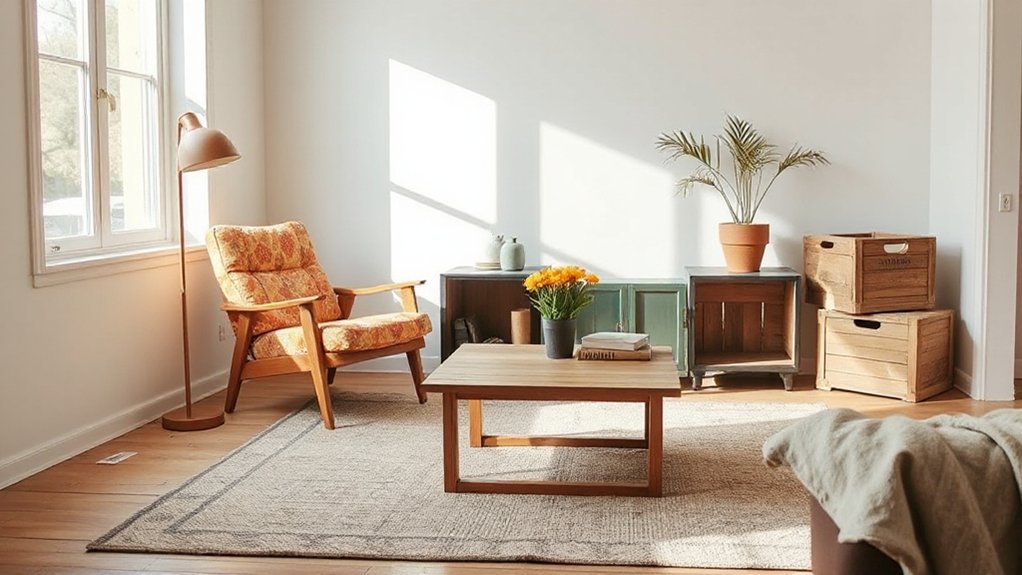
Reuse, refine, and refresh by taking stock of what you already own, then make targeted tweaks that maximize impact with minimal cost. You’ll unlock cohesion by reimagining pieces you already love, pairing them with small updates, and prioritizing durable, timeless choices.
Start with a clear plan: map functions, color accents, and textural contrasts, then apply upcycling techniques to extend life. Lean on sustainable sourcing for materials you add, choosing pieces that support long-term use rather than fast fashion.
Rotate textiles, swap hardware, and rehang art to shift mood without buying new. Your goal is calm, connected spaces where every item earns its keep.
- Audit assets first to reduce waste and reveal opportunities
- Update finishes and hardware for instant uplift
- Prioritize upcycling techniques over outright replacement
- Source responsibly, favor durable, timeless pieces
- Create a cohesive narrative through mindful placement and color balance
Frequently Asked Questions
How Can I Prioritize Investments for Lasting Impact on a Budget?
Prioritize lasting impact by timing your investments and choosing luxury upgrades only where they compound value. Plan investment timing around sales, durability, and usage; focus on essentials first, and reserve premium touches for spaces you inhabit most.
Which Materials Offer the Best Durability-At-Cost for Ikea-Level Projects?
You’ll choose durable, sustainable materials like bamboo, laminate, and powder-coated metal, prioritizing cost effective finishes and long-life wear. You’ll feel confident, belong, and stay practical while investing in materials that offer lasting value and low upkeep.
What Small-Space Storage Hacks Keep Rooms Feeling Open and Organized?
Keep closets and shelves simple, and use vertical storage to stay open. Choose light color schemes and cohesive furniture arrangement to visually expand spaces; use multi-functional pieces. You’ll feel belonging, organized, and in control as you optimize every corner.
How Often Should I Refresh Décor Without Breaking the Bank?
Refresh every season or so, you won’t break the bank. You’ll keep rooms feeling fresh, practical, and belonging. Add vintage accents, switch color schemes, and you’ll see big impact from small, budget-smart updates. Exaggeration: it’s transformative magic.
Can I Achieve a High-End Look With Budget-Friendly Lighting Choices?
Yes, you can. Use luxury illusions with warm mood lighting, layering dimmable LEDs, sconces, and a statement pendant. You’ll feel premium vibes without overspending, and your space will read cohesive, intimate, and inviting to belong.
Conclusion
You can transform a space without blowing your budget by sticking to a clear modern vision and smart shopping. Focus on quality essentials, a cohesive color palette, and efficient storage. Layer lighting and texture to add depth, then refresh with DIY accents that look polished. Fun fact: lighting and textiles account for up to 60% of perceived room warmth and sophistication, so invest there. With reuse, refine, and a practical plan, you’ll achieve a stylish, budget-friendly interior fast.