
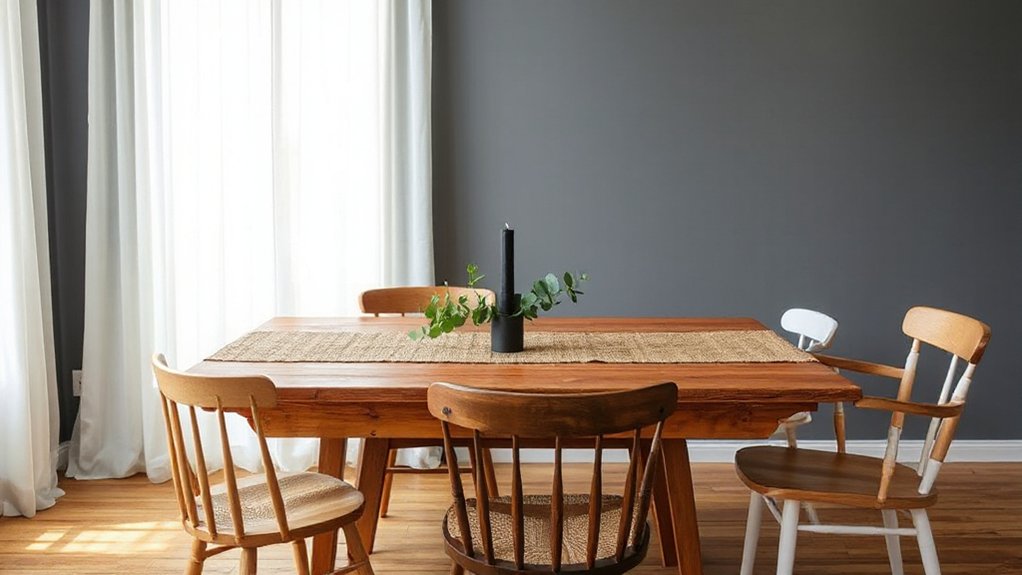
Define your core vibe in three questions and keep to a cohesive color palette. Start with a budget-friendly layout that keeps traffic clear, then choose high-impact, versatile basics like a durable table and stain-resistant chairs. Refresh finishes instead of replacing functions, add greenery, and rotate textiles for even wear. Shop smart for deals, prioritize simple, timeless updates, and maintain clutter-free surfaces. Small details seal the look, and steady maintenance protects your chic space—plus you’ll reveal more tips as you continue.
How Much Should You Spend on a Dining Room Makeover?
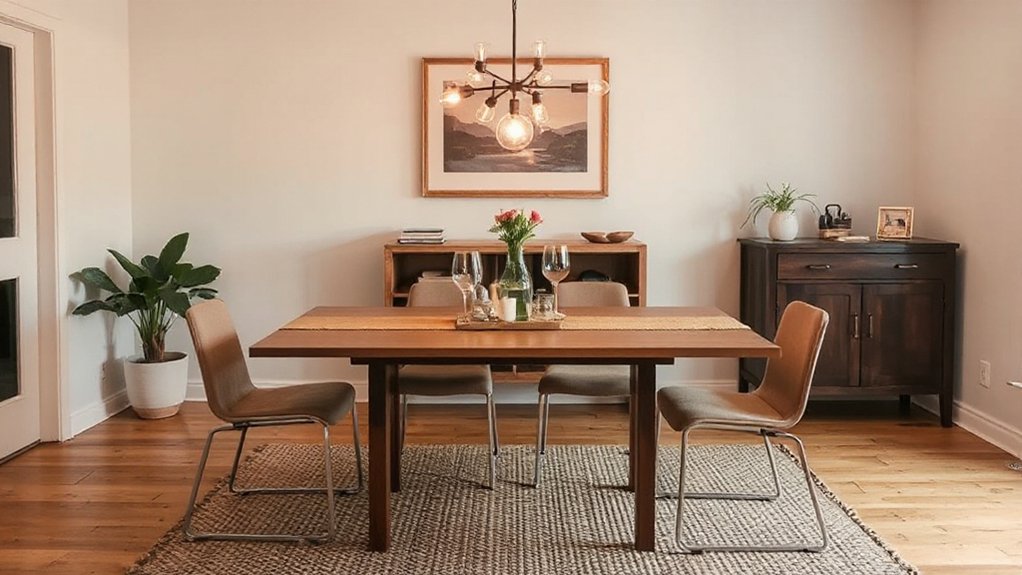
Determining your dining room makeover budget starts with a clear target and a reality check. You’ll build value by separating must-haves from nice-to-haves, then sizing each category to fit your means.
Begin with base costs for essentials—table, chairs, lighting, storage—and set a ceiling that preserves liquidity for contingencies. If you crave luxury renovations, allocate a distinct portion, but stay disciplined: prioritize durability and comfort over trends.
For ambiance, plan investments in upholstery, finishes, and hardware rather than fleeting accents. Reserve funds for expensive accessories only after core pieces meet daily-use standards.
Track expenses weekly, adjusting as needed to avoid debt or regret. Remember, a cohesive look comes from thoughtful details, not splurges.
You’ll feel a sense of belonging when every choice aligns with your life, space, and budget.
Pinpoint Your Core Style in 3 Simple Questions
Pinpoint your core style in three simple questions to guide every upgrade. First, what vibe do you want guests to feel—calm, vibrant, or intimate?
Second, which colors will you live with daily, and which shifts feel affordable?
Third, how will lighting arrangements support mood and function without overpowering furniture?
Answering these questions sharpens your choices and reduces impulse buys. Embrace a cohesive color scheme that flows from room to room, so your dining area feels like part of a larger story.
Think practical decisions: durable finishes, timeless silhouettes, and a few high-impact accents. When you know your baseline, you can mix patterns and textures confidently, creating space that welcomes friends and makes you feel at home.
Start With the Right Layout: Budget-First Floorplan
Focus on flow by outlining clear pathways between the kitchen, dining table, and seating areas.
Define a focal area—like a centerpiece table or display—and position it where you’ll naturally gather.
Measure the space precisely so furniture fits without crowding and you can optimize movement around the room.
Optimize Traffic Flow
To optimize traffic flow, start with a budget-first floorplan that prioritizes clear paths and functional zones. You want a layout that invites movement without bottlenecks, so imagine a smooth arc from entry to dining area, with seating placed to avoid crowding doorways.
Keep traffic adjacent to walls, leaving center space for easy dining and service. Lighting design and wall decoration should guide sightlines toward the table, not distractions.
Use flexible furniture with slim profiles to enlarge walkways when guests arrive. Choose dual-purpose pieces, like a sideboard that doubles as a buffet path anchor.
Aim for a calm rhythm that makes everyone feel welcome and connected.
- Prioritize clear paths and functional zones for effortless flow
- Use slim-profile, multi-use furniture to maximize space
- Align lighting and decor to guide attention toward the dining area
Define Focal Area
A strong focal area anchors the budget-first layout by drawing the eye to the dining table and organizing the room around it. Your aim is a clear, purposeful zone that feels welcoming and uncluttered.
Start by choosing a centerpiece that matches your table size and mood, then arrange seating to protect sightlines and conversation. Use artificial lighting to highlight the focal point: a dimmable pendant or a small chandelier creates mood and function without waste.
Keep wall art complementary, not competing; pick pieces that reinforce color and scale without crowding. Add a simple rug, a few well-placed accessories, and intentional negative space to frame the table.
With intention, your dining area becomes an inviting, cohesive gathering spot.
Measure Space Precisely
- Map dimensions and flow first
- Plan decorative lighting and wall art spots
- Test scale with furniture templates and mockups
Choose High-Impact, Versatile Basics
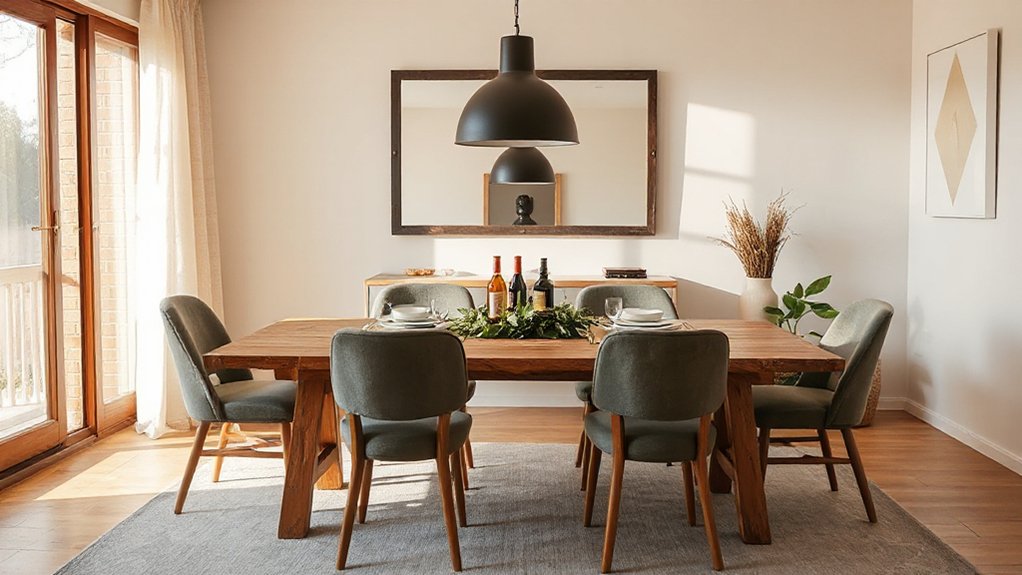
Choose high-impact basics that last and adapt: opt for durable materials, a versatile color palette, and multiuse furniture that can flex with your needs.
Prioritize pieces that perform double duty and stay cohesive across your dining space. This foundation keeps costs down while elevating style, so you can mix, match, and expand without redoing the room.
Durable Materials Matter
- Prioritize reinforced frames and high-quality finishes for longevity
- Choose stain-resistant fabrics and easy-clean surfaces to reduce upkeep
- Invest in adaptable pieces that flex with family life and entertaining
Versatile Palette Wins
A versatile palette centers on high-impact basics that mix and match with ease. You choose foundational neutrals and a few bold accents that repeat across elements like walls, textiles, and dinnerware. This consistency creates color harmony, so your space feels cohesive rather than hurriedly assembled.
Build around durable, versatile staples: a matte table, streamlined chairs, and simple lighting that glow without shouting. Use accents you’ll actually reuse, such as a single throw or accessory in a saturated hue, to sharpen mood enhancement without overwhelming the room.
Let your palette flex with seasons or gatherings by swapping textiles or art pieces, not large furniture. You’ll gain confidence, belonging, and a calm, intentional dining room that looks polished on a budget.
Multiuse Furniture Choices
When you pick multiuse furniture, you get more function without stacking up costs. Think pieces that adapt, like extendable tables, nesting chairs, and storage benches. This is where space optimization and furniture versatility shine, letting you host guests without crowding the room.
Choose items that serve dual purposes, so you can shift from daily dining to quick workstations in minutes. Prioritize clean lines, neutral finishes, and hidden compartments to keep the space calm and inviting.
Your goal is belonging, not clutter—smart choices create harmony and efficiency. With thoughtful placement, you’ll feel resourceful and connected to your home, every day.
- Extendable table with built-in storage
- Nesting chairs that tuck away neatly
- Storage bench doubles as seating and a centerpiece
Refresh Finishes Without Replacing Functions
To refresh finishes without replacing functions, start with what you already own and tweak what you can see daily. You’ll transform the room by focusing on surfaces you touch most: table tops, cabinetry, and wall panels.
Swap or polish hardware, add a fresh coat of paint or stain, or use matte sealant to alter texture without an overhaul. Consider updating finishes in layers: a lighter glaze over dark wood, or a soft wash on walls to shift mood.
Balance is key—choose color schemes that harmonize with existing furniture and lighting options that elevate the space without shouting. Small changes, like swapping rugs or reinstalling trim, create cohesion.
Your dining zone should feel intentional, welcoming, and distinctly yours.
Layer Texture With Affordable Textiles and Accessories
Layer texture instantly elevates your dining room without a steep price tag by mixing affordable textiles and lightweight accessories.
Start with a budget-friendly mix of woven chair cushions, a striped or textured table runner, and simple throws draped over a bench or chair.
Use this layered approach to define zones, add tactile interest, and keep the look cohesive with a limited color palette.
Layered Textile Textures
- textile layering basics for cohesion
- fabric mixing with color and weight
- budget-friendly texture swaps for refreshes
Budget-Friendly Accessory Ideas
After layering textile textures for cohesion, you can elevate your dining room without ringing up a big bill by mixing affordable fabrics and accessories.
Start with Accessor organization: group items by color, function, and material to avoid visual chaos and maintain calm. Choose decorative accents that echo your core palette—think a woven runner, ceramic votives, or a metal bowl—so you get impact without clutter.
Swap cushions seasonally to refresh the vibe without buying anew, and use inexpensive throws to introduce texture at the table or on chairs.
Lamps, plants, and mirrors can amplify light and depth, making the space feel layered rather than sparse.
Practical, affordable choices create belonging, showing guests you care about comfort and detail.
Elevate Ambiance With Budget Lighting Solutions
You can transform your dining room’s mood without breaking the bank by choosing budget-friendly lighting that blends function with style. You’ll create warmth and atmosphere using intentional choices like layering light, dimming options, and flattering color temperatures.
Keep ceiling fixtures simple and pair with affordable accents to highlight artwork or textures. Focus on practical placement and energy efficiency, using LED strip lighting to define a buffet or shelving.
Consider chandelier placement to anchor the table without overpowering the room. This thoughtful setup invites conversation and comfort, helping everyone feel a sense of belonging around your table.
- Choose dimmable options for flexible evenings
- Use LED strip lighting to delineate nooks or shelves
- Balance fixtures with strategic chandelier placement for cohesion
Repurpose and Refinish: Furniture That Feels New
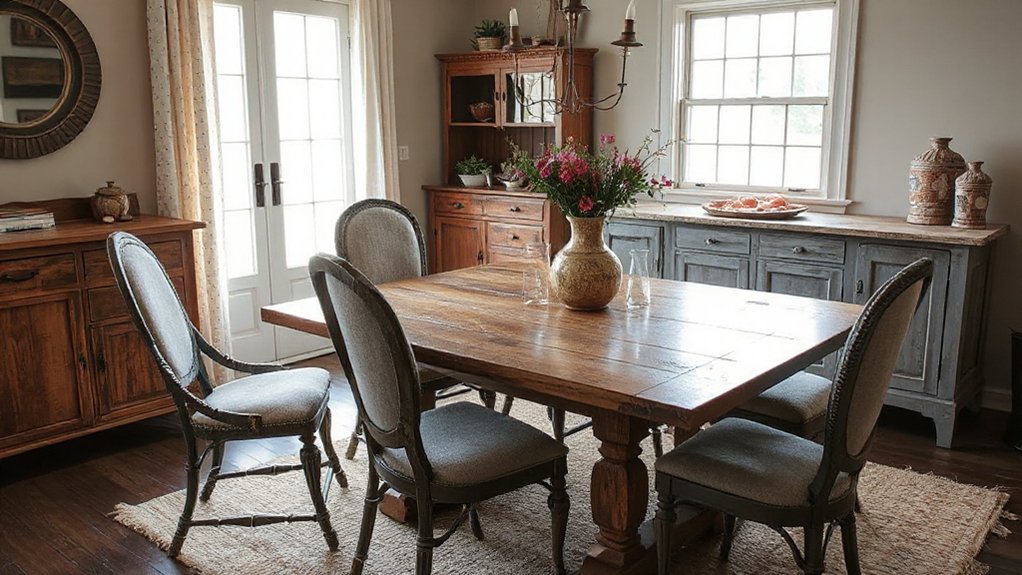
Refurbish what you already own to refresh your dining space without breaking the bank. Start with a simple veneer refresh or a fresh coat of paint in a durable finish that suits your style.
Then pair it with affordable hardware for a noticeable upgrade. This approach delivers a polished look on a budget while keeping your pieces feeling like-new.
Refurbish For Style
Transforming tired pieces into statement furniture is easier than you think: a few smart refinishes and repurposing tricks can breathe new life into your dining room without breaking the bank. You’ll mix textures, swap hardware, and invite color with confidence, turning old wood into warm, contemporary statements.
Focus on silhouette and proportion first, then add personality with decorative lighting and wall art to pull the room together.
- Refresh hardware and finishes with matte oil or stain
- Convert a sideboard into a display-friendly media piece or bar
- Swap seat cushions, add a thrifted rug, and layer lighting for ambiance
With these moves, you cultivate belonging: your space feels curated, affordable, and unmistakably yours.
Budget-Friendly Finishes
Repurposing and refinishing can give your dining room a fresh look without the cost of new furniture. You’ll gain versatility by choosing budget friendly finishes that suit your space, taste, and routines.
Start with a clear plan: assess wood, veneer, or metal surfaces, then decide on stain, paint, or sealant that complements existing decor. Light, matte finishes feel modern and forgiving, while darker tones add warmth and drama.
Save money by tackling one piece at a time, documenting before-and-after results for motivation. Use affordable decor as accents, not focal points; a refreshed table, chairs, or sideboard can anchor the room.
Choose water-based products for easy cleanup and minimal odor. With intention and patience, your dining area becomes cohesive, welcoming, and distinctly yours.
Make the Dining Table the Focal Point: DIY Upgrades
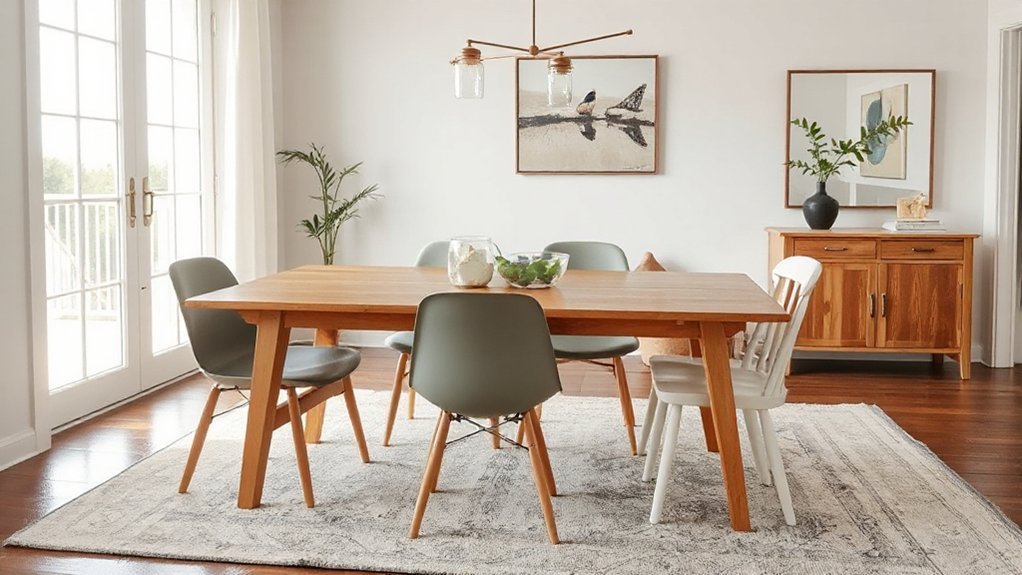
Your dining table is the centerpiece, so start with small, impactful upgrades that draw the eye and stay budget-friendly. You’ll create focus without overhauling everything. Begin with a simple tabletop refresh—new runner, a favorite textile, or a single striking centerpiece.
Add upholstered chairs for comfort and cohesion.
Install a pendant or chandelier as statement lighting.
Use a textured runner and cohesive centerpiece.
Introduce statement lighting overhead to highlight surface work and create warmth. Choose pendants or a compact chandelier that complements your color story and scale. Keep hardware and finishes consistent across pieces for a cohesive look that still feels personal.
Focus on texture, tone, and proportion to invite gathering and belonging.
Create Luxe-Looking Color Palettes on a Budget
A Luxe-looking color palette starts with a few anchor tones that feel rich yet affordable. You choose a dominant hue, then support it with two to three complementary colors that echo its undertones.
Keep the base light to maximize perception of space, and add depth with a darker accent color sparingly. Color coordination matters: test big swatches on the wall at different times of day and observe how natural and artificial light shift the mood.
Use paint techniques to elevate the budget: matte walls feel calm and modern, while a soft satin for trim highlights architectural details without shouting.
Balance warm and cool tones so the room reads cohesive, not matchy-matchy. Finish with affordable textiles to reinforce the palette without clutter.
Greenery and Natural Elements That Pay Off
Greenery and natural elements punch above their weight by adding warmth, texture, and a sense of calm without breaking the budget. You’ll transform the dining room with simple, accessible touches that feel intentional and welcoming.
Indoor plants and natural decor create instant focal points, improve air quality, and soften hard lines without overspending. Choose a few versatile pieces: a statement pot, a compact plant trio, and a woven centerpiece that ties colors together.
Maintain cohesion by selecting natural materials—wood, stone, jute—that echo the room’s palette. Regular care keeps them thriving and affordable long term, so you stay feel-good connected to the space you share with others.
- Use a single cohesive color story across pots, trays, and textiles
- Mix plant sizes and textures for depth without clutter
- Place greenery where you gather most, like above the dining table or entry
Smart Shopping: Where to Find Deals and Discounts
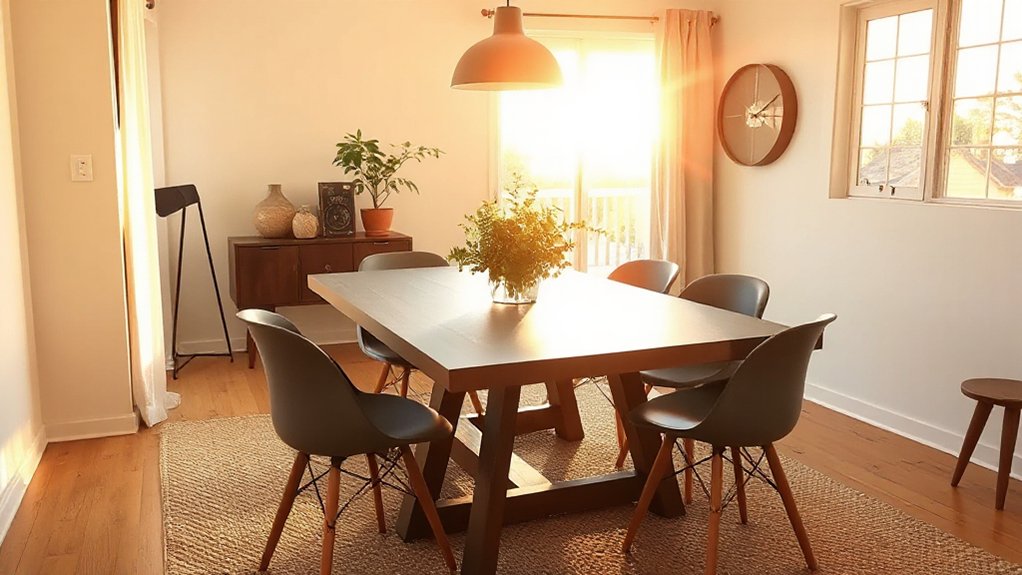
Want to stretch your budget without sacrificing style? Smart shopping helps you do more with less. Start with discount codes before you checkout—a quick search can gain significant savings on lighting, dining chairs, and tableware.
Sign up for newsletters from budget-friendly retailers to receive first-access coupons and seasonal promotions.
Compare prices across trusted stores rather than sticking to one source; a little browsing goes a long way toward finding the best value.
Watch for store sales, especially around holidays and end-of-season clearances, and time your purchases to maximize discounts.
Don’t overlook gently used or refurbished options for durable pieces with character.
Plan ahead, budget deliberately, and you’ll assemble a cohesive dining space that feels intentional and inclusive.
Personalize Your Space With Small Details
Small details can dramatically shape the feel of your dining room without blowing your budget. You’ll personalize the space by choosing small, meaningful touches that reflect you and your guests. Start with decorative accents that echo your color story and texture—think woven placemats, ceramic vases, or a framed print group.
Lane-scale changes, like swapping chair cushions or a statement runner, create instant warmth.
Lighting enhancements matter too: mix warm bulbs, dimmers, and a focused pendant to set mood without cost overruns.
Keep clutter minimal so these details shine. Your goal is cohesion that invites conversation and belonging, not perfection.
- Decorative accents that tell your story
- Lighting enhancements for mood and practicality
- Simple, intentional updates for a cohesive look
Maintenance Tips to Keep Your Room Chic on Budget
Maintenance is easier when you build simple habits that protect your look without costing you more. You’ll keep your dining room chic by sticking to tidy routines that fit real life, not ideals.
Start with a quick nightly wipe of surfaces and a weekly sweep or vacuum to prevent dust buildup. Establish cleaning routines that involve the whole household, so upkeep feels shared, not punitive.
Use placemats and coasters to shield tables from spills, making stain prevention a virtue of your routine. When a spill happens, blot—not wipe—to prevent set-in marks.
Rotate cushions and textiles to even wear, and air fabrics regularly to avoid mustiness. With consistent care, you’ll enjoy a welcoming, cohesive space that stays budget-smart and beautiful.
Frequently Asked Questions
How Can I Maximize Small-Dining-Room Seating on a Budget?
Maximize small-dining-room seating by choosing space saving furniture that folds, nests, or stacks, and opt for multi use decor to adapt for guests. You’ll feel connected and practical, saving space, while creating a welcoming, belonging-forward vibe.
What Budget-Friendly Materials Look High-End?
“On a budget, you’ll want luxury veneer and faux marble.” You’ll pick high-end-looking finishes, mix textures, and keep lines clean, so you feel connected and confident, while saving cash and still enjoying a timeless, welcoming dining space.
Which DIY Upgrades Deliver the Biggest Visual Impact?
You’ll boost impact with bold wall art and carefully placed decorative accents. Choose large pieces, cohesive colors, and textured finishes, then mix scale, spacing, and lighting to create belonging, depth, and a polished, high-end vibe on a budget.
How Can Light and Color Alter Perceived Room Size Affordably?
You’ll use lighting illusions to widen the space and color psychology to calm or energize mood, making rooms feel larger. Choose bright, cool tones with reflective surfaces, and keep clutter down so you feel grounded and connected.
Where Are the Best Sources for Affordable, Stylish Dining Pieces?
They’re everywhere you thrift: flea markets, secondhand shops, and online marketplaces. Start with vintage finds and thrift shopping, then refine with quality pieces you love. You’ll belong faster when you mix affordable, stylish dining pieces with care.
Conclusion
You can transform a dining room without blowing your budget. Start with a clear plan, pick versatile pieces, and refresh finishes rather than replace. Budget-first layouts guide every decision, while natural elements and smart shopping stretch your dollar. Personal touches matter—slip in small details that feel uniquely you. Keep maintenance simple so your chic stays intact. It’s a marathon, not a sprint—your space grows stylish, cohesive, and inviting, like a well-told story you live in daily.