
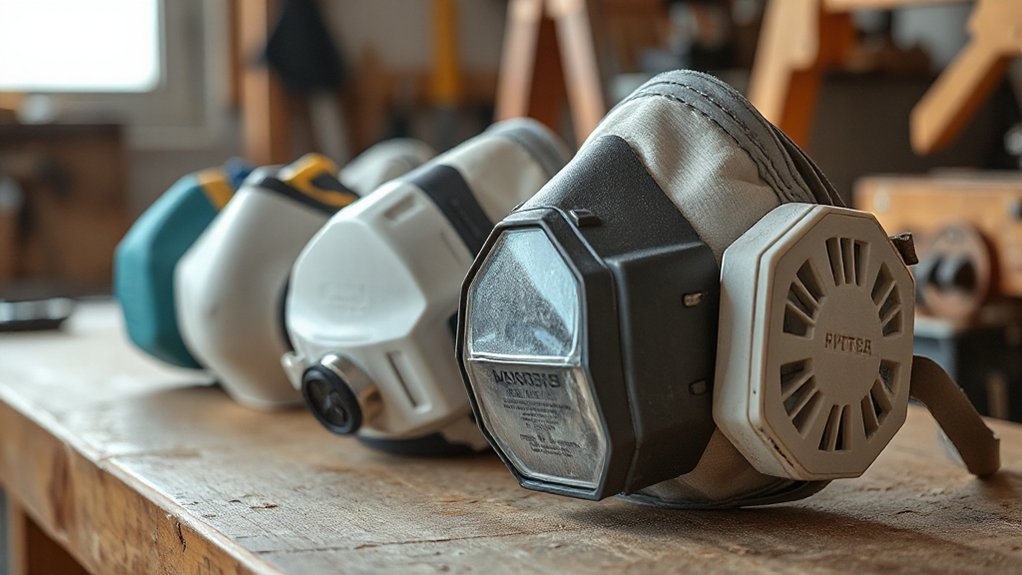
For home improvement, choose NIOSH-approved particulate respirators like N95 or P100 with a secure seal and comfortable fit. Look for multi-layer masks that balance filtration and breathability, and guarantee a proper seal via fit checks. Cloth masks aren’t reliable for fine dust, so opt for reusable elastomeric or disposable respirators when sanding or cutting. Replace filters promptly and store respirators properly. If you want a deeper guide, you’ll find practical fit tips and task-specific picks ahead.
Understanding Dust Mask Ratings: NIOSH, N95, and P100 Explained
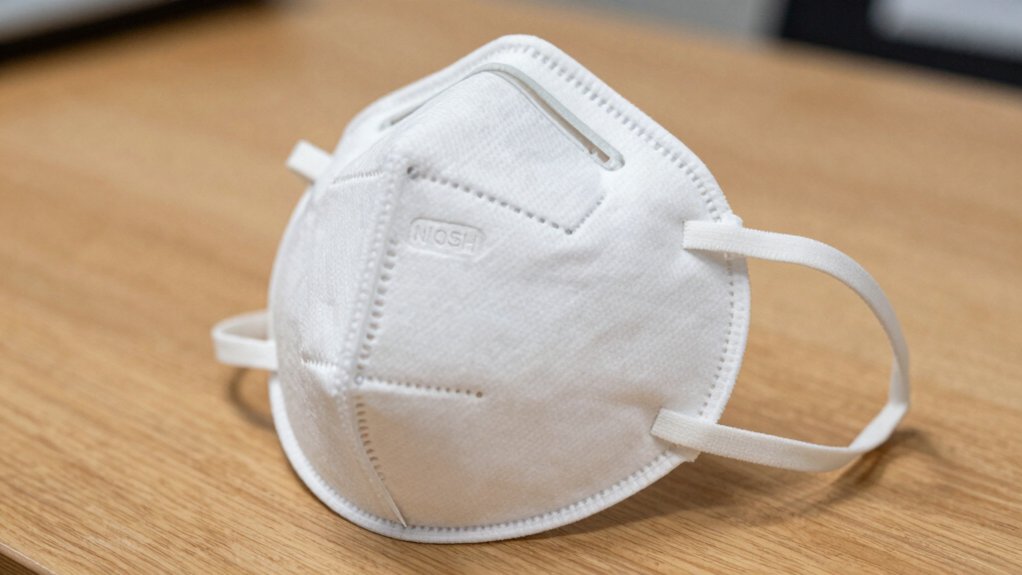
Understanding dust mask ratings helps you choose protection that matches the task. You’ll learn how NIOSH classifications, N95, and P100 differ in filtration efficiency and certification, guiding decisive protection choices.
NIOSH approval denotes tested performance; N95 filters at least 95% of non-oil aerosols, while P100 meets 99.97% efficiency and resists oil exposure.
For dusty tasks, you’ll prioritize higher efficiency when irritants or fine particles are present, especially with prolonged exposure.
Ventilation requirements influence overall protection strategy, since source control complements respirators.
Consider mask material, as some textiles and filters maintain performance longer under heat, moisture, or particulates.
Remember seal fit matters: a high-grade filter only protects when the mask seals correctly against your face.
Choose models with proven fit, reliable materials, and compliant filtration ratings.
What Makes a Dust Mask Right for Home Improvement
Choosing the right dust mask for home improvement hinges on matching filtration, fit, and durability to your task. You select a respirator that meets the expected particle size and concentration, then verify a secure seal for consistent airflow.
Fit testing matters: a poor seal invites bypass leakage, reducing protection. Durability means robust components—headbands, facepiece, and valve—capable of repeated use without performance loss.
You should prioritize respirator ratings aligned with your dust type and duration, and replace filters promptly when clogged or after exposure to solvents.
For ongoing projects, implement a routine: respirator maintenance after each use, inspection before each wear, and timely replacement of worn parts.
Store gear properly to prevent deformation, contamination, and moisture exposure—mask storage should be cool, dry, and out of reach of contaminants.
Cloth Face Coverings vs. Particulate Masks: When to Choose
Cloth masks can be useful for basic splash or casual dust, but they typically lack consistent filtration compared to particulate masks.
When you’re dealing with finer dust, fumes, or tasks that generate higher exposure, choose a certified particulate mask with an appropriate N95, P100, or equivalent rating.
Consider the complexity of the job, fit, and duration to decide which option minimizes risk while staying comfortable.
Cloth Masks Pros Cons
When deciding between cloth face coverings and particulate masks, consider the level of protection you need for the task at hand and how gap sealing, filtration, and fit affect overall performance.
Cloth masks offer comfort, reusability, and cost savings, but their filtration is limited and performance varies with fabric, weave, and layering. They can reduce splash exposure and capture larger particles, yet they generally fall short against fine aerosols.
Particulate masks supply higher filtration efficiency and consistent fit, yet require proper sizing and occasional replacement.
In practice, cloth masks serve casual or low-risk tasks, while higher-risk work benefits from certified respirators.
Be mindful of fashion trends and historical masks influences, but prioritize validated filtration data and real-world fit for safety.
When To Use Particulate Masks
Particulate masks are the better choice whenever you need reliable filtration and a snug fit for higher-risk tasks, such as sanding with fine dust, cutting operations, or exposure to smoke and fumes.
You should use these masks when nuisance particles exceed what cloth coverings can handle, or when air quality guidelines demand certified filtration (e.g., N95 or similar).
For short-duration repairs with light dust, cloth coverings may suffice, but for sanding, grinding, or epoxy fumes, opt for a particulate mask.
Pay attention to fit and seal; a poor seal undermines effectiveness.
Choose respirators with appropriate cartridge types for your exposure, and monitor mask maintenance: replace filters on schedule, inspect straps, and store cleanly.
Guarantee compatible mask material and a tight seal for superior protection.
Filtration vs. Breathability: Balancing Protection and Comfort
When you choose a mask, you weigh filtration efficiency against comfort, since higher filtration can feel harder to breathe and may require a tighter fit.
You’ll notice airflow and breathability vary with materials, layer design, and particle size, so balance protection with how easy it feels to inhale and exhale.
Fit and seal quality matter too, because gaps can undermine filtration just as much as a high-rated filter, so you should verify a snug, comfortable seal for real-world use.
Filtration Efficiency vs Comfort
Balancing filtration efficiency and comfort requires evaluating how well a mask both blocks harmful particles and stays breathable during wear. You want high filtration without sacrificing airflow comfort, so assess your risk level and the respirator’s certification (NIOSH N95, P100, or equivalent).
Higher protection levels often increase breathing resistance, potentially causing fatigue or improper use; that’s why true efficiency depends on fit, seal integrity, and particle size you encounter. Compare filter media, electrostatic vs mechanical capture, and how well the mask maintains performance across temperatures and humidity.
Evidence shows modest gains beyond certain protection levels yield diminishing comfort returns for typical DIY tasks. Prioritize a model that sustains airflow comfort while meeting your required protection levels, ensuring consistent usage throughout the project.
Airflow And Breathability Tradeoffs
Airflow and breathability constraints shape the practical protection you can wear during home improvement. Filtration and comfort compete: higher filtration often raises resistance, reducing airflow and increasing heat and fatigue. You’ll trade off particle capture, especially fine aerosols, against wearer comfort, which drives user adherence and real-world effectiveness.
Evidence shows that respirator classes with lower inhalation resistance enable longer use but may offer less particulate filtration; conversely, high-efficiency filters can impede breathing, causing improper wear or leakage. Ventilation challenges within workspaces further complicate choice, as stagnant air amplifies discomfort and reduces perceived safety.
Moisture management matters too: sweating and humidity elevate breathing resistance and degrade filter media over time. Choose masks with balanced filtration, validated breathing resistance, and materials that wick moisture without collapsing the face seal.
Mask Fit And Seal Quality
Mask fit and seal quality are the decisive factors that determine whether filtration actually protects you. You must prioritize a snug seal across the nose, cheeks, and chin, because gaps undermine efficiency regardless of filter material.
Choose masks with adjustable nose bridges and secure headbands to reduce leakage during movement. Evaluate fit by performing a user seal check and, if available, fit testing.
Remember that filtration isn’t worth it if air bypasses the filter. Breathability matters; a well-fitted mask lowers the total burden while sustaining protection.
Be mindful of mask aesthetics only as a secondary cue; comfort and seal accuracy drive long-term wear.
Ensure materials are compatible with your skin and conditions, and replace uncompromisingly when degradation appears.
Achieving a Great Fit: Seal, Comfort, and Adjustments
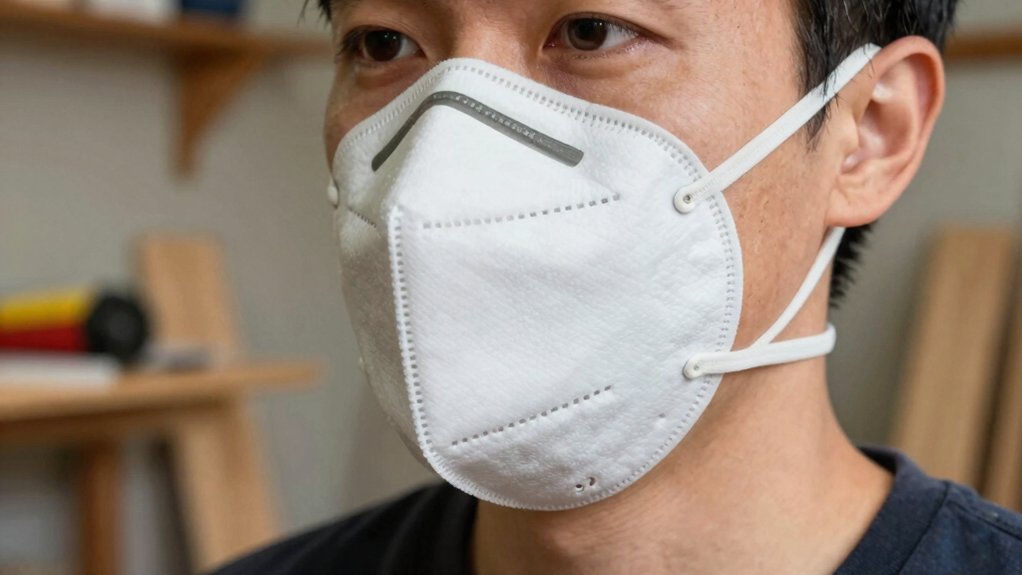
When a mask fits poorly, its protective value drops, so you should aim for a secure seal, comfortable wear, and easy adjustability from the start. To achieve this, assess seal integrity first—press the mask along the nose and cheeks and test with a quick inhale to detect leaks.
Comfort follows from appropriate mask material and balanced pressure distribution; choose a model that minimizes pressure points and overheating. Adjustments must be practical and repeated easily, with strap adjustments that stay secure without over-tightening.
Confirm the design allows quick re-seating after donning. Use a fit check each time you wear it, especially after movements. A precise fit reduces exposure risk, enabling sustained performance during demanding tasks.
Best Woodworking Dust Masks for Everyday Use
You’ll want a mask that stays comfortable through long sessions, with a snug fit that minimizes leaks while you work.
Filtration efficiency matters, so choose respirators that meet recognized standards and prove effective against wood dust and fine particles.
In everyday use, prioritize masks that balance ease of breathing, fit adjustments, and proven performance.
Comfortable Fit For Woodworking
Even during long woodworking sessions, a mask that fits well stays comfortable and stays in place, reducing jaw fatigue and chin chafing.
To achieve this, prioritize adjustable nose bridges and secure headbands that minimize slippage during dynamic motions.
A snug seal around the cheeks prevents edge leaks without over-tightening, which can cause pressure points over hours of use.
Look for mask styles that distribute pressure evenly and maintain ventilation without sacrificing fit.
Real-world comfort hinges on lightweight construction and skin-friendly materials.
When evaluating options, consider how the design accommodates facial movements and respirator filters used in conjunction with woodworking tasks.
For best results, verify that compatible filter materials deliver consistent airflow, enabling sustained performance throughout extended sessions.
Filtration Efficiency Essentials
Filtration efficiency is the core measure of a woodworking dust mask’s protective value, because it determines how much airborne particulate is blocked from your breathing zone. You assess this by examining filter material, particulate ratings, and real-world performance data.
Higher efficiency means fewer irritants reach your lungs, especially during sanding, grinding, or sawing. Look for masks that meet established mask standards, such as certified filtration classes and reputable laboratory tests. Consider the assigned P or N, or equivalent, ratings and the presence of multi-layer media designed to trap both coarse and fine particles.
Durability matters too: a robust seal and properly secured headbands maintain performance under demanding tasks. In short, select gear that demonstrates verifiable filtration efficiency aligned with exacting mask standards.
Masks for Remodeling Debris and General Construction
For remodeling debris and general construction, choose masks that balance protection with comfort and fit. You’re tackling dust from sanding, plaster, drywall, and wood, plus occasional paint fumes and chemical vapors during solvent use.
Select respirators with NIOSH ratings appropriate to particle size and contaminant complexity, ideally N95 or P100 for particulates, and PAPR or elastomeric options when solvents or VOCs are present.
Guarantee a proper seal on the face, not just a good look, and verify compatible cartridges or filters are attached. Fit testing isn’t optional—it’s essential for real protection.
Choose reusable respirators with replaceable filters to sustain protective performance over time. Prioritize comfortable headbands, lightweight materials, and clear breathing.
When in doubt, consult product specifications and ventilation measures to maximize safety and efficiency.
Choosing Masks for Wildfire Smoke and Daily Home Use
Wildfire smoke presents a different exposure profile than typical remodeling dust, so your mask choice should prioritize capturing fine particles and reducing odor from potentially lingering gases.
For daily home use, select respirators with NIOSH ratings of N95 or higher, and look for masks that seal well on your face to minimize leaks.
Choose models with filtration for ultrafine particles and activated carbon if odor is a concern, noting that carbon filters add limited protection and require replacement according to manufacturer guidance.
Confirm proper fit-testing and a comfortable seal during wear.
Use masks that are lightweight for extended use and compatible with eyeglasses.
Prioritize air pollution exposure reduction, and protect respiratory health during wildfire events and routine indoor chores.
Care and Reuse: Clean, Store, and Extend Mask Life

How you care for and reuse your mask can extend its life and maintain protection. You’ll follow evidence-based steps that optimize performance and safety. Inspect before each use for cracks, fraying straps, or degraded filtration media. If damage is present, retire the mask—do not attempt repairs.
Clean according to the manufacturer’s guidance, noting that many masks aren’t washable; when allowed, use mild soap and air dry completely to preserve integrity. Store in a breathable, dedicated container away from dust, moisture, and contaminants. Rotate masks to avoid overusing a single unit, reducing material fatigue.
Track mask maintenance, replacing components as recommended by the maker. Understand mask material properties to avoid exposure to harsh cleaners that degrade filtration. Consistency protects you.
Budget Mask Guide: Value, Where to Buy, and Trade-Offs
Budget masks can balance cost and protection when you know what to look for, since many affordable options meet standard filtration and fit criteria if chosen carefully. You assess fit, filtration, and certification—N95, KN95, or equivalent—before purchase, then compare price-per-use rather than sticker price.
Look for reputable retailers and avoid counterfeit listings; bulk buying can reduce per-mask costs without sacrificing quality. Trade-offs typically include longevity, comfort, and resistance to moisture. You’ll see value in reusable elastics and replaceable filters, cutting long-run expenses.
Consider environmental impact: choose masks with recyclable packaging and durable construction. Fashion trends matter only insofar as a secure seal and visible compliance. Prioritize documented performance, warranties, and clear return policies to empower cost-effective, protective decisions.
Your Quick-Start Mask Selection Guide
To pick a mask quickly and confidently, start with three essentials: fit, filtration, and certification. You’ll assess fit by checking nose bridge and strap tension, ensuring a seal without discomfort. Filtration matters: select respirators with NIOSH ratings or equivalent, or disposable masks meeting recognized standards for particulates. Certification validates performance claims and compatibility with your task.
Then compare mask materials and breathability factors to balance protection with wearability. Consider elastomeric elastics vs. adjustable headbands, plus the filter media’s weight and resistance. For dusty tasks, prioritize materials proven to reduce particle penetration while preserving airflow.
Confirm compatibility with eye protection and eye-damage risk. Decide quickly by aligning your project type, duration, and comfort threshold with tested, standards-aligned options.
Frequently Asked Questions
Are Masks Compatible With Glasses and Anti-Fog Coatings?
Yes, masks can be compatible with glasses and anti-fog coatings, but check for a snug seal and a foam nose bridge; choose models labeled glasses compatibility and anti fog coatings, and adjust to minimize fogging and guarantee protection.
How Often Should a Reusable Mask Be Replaced?
You should replace a reusable mask every 6–8 hours of heavy use or when you notice degradation, to maintain protection. This mask maintenance follows a strict replacement schedule, backed by evidence and safety standards—don’t compromise your protection.
Do Masks Protect Against Odors From Solvents?
Yes, some masks reduce solvent odors, but no respirator offers perfect protection; choose a respirator with organic vapor cartridges and guarantee proper respirator filtration and mask fit for best odor control and safety.
Can Kids Use Adult-Sized N95 or P100 Masks Safely?
Yes, kids should not wear adult-sized N95 or P100 masks unsupervised. For child safety, guarantee proper mask sizing, consult a pediatrician if needed, and use size-appropriate respirators with fitted seals and comfortable wear.
Do Disposable Masks Filter Mold Spores Effectively?
Disposable masks vary; many don’t efficacement filter mold spores. Look for respirators with appropriate filter efficiency ratings, and check mask material for tightly woven fibers and a good seal to improve protection. Prioritize fit, airflow, and certification.
Conclusion
You can pick smarter by matching protection to the task and your comfort. For wildfire smoke or fine dust, N95 or P100 respirators dramatically reduce exposure, while basic errands can use good disposable masks. An eye-opening stat: NIOSH-approved N95s filter about 95% of airborne particles, yet real-world fit matters—without a proper seal, their effectiveness drops sharply. Prioritize fit, seal checks, and correct reuse or disposal to protect your home, health, and wallet.