
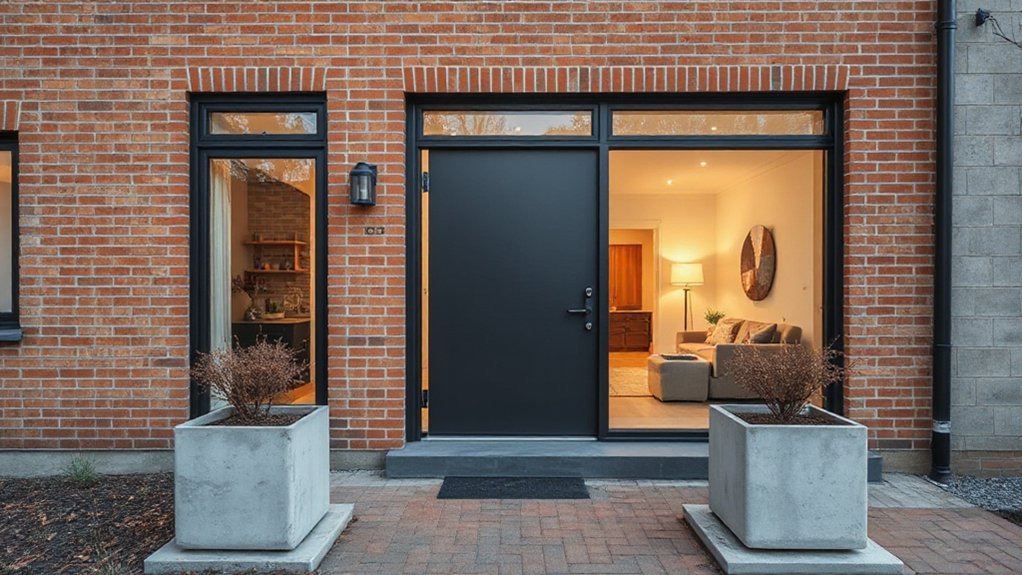
Modernizing a traditional home means preserving its warmth and character while adding timeless materials, thoughtful light, and smart, low-friction systems that improve daily living. Start by defining a clear modern-traditional vision and map your space for natural light and traffic flow. Choose materials that age gracefully, blend vintage textiles with contemporary blends, and add handcrafted accents sparingly. Upgrade lighting with layered, dimmable options and discreet smart controls. Finish with cohesive colors and energy-efficient choices—you’ll reveal new confidence as you progress. More tips await.
Define Your Modern-Traditional Vision for the Home

To define your modern-traditional vision, start by identifying the core elements you love about both styles and how they’ll endure over time. You’ll articulate a clear, personal standard—where vintage decor meets contemporary ease—so your space feels authentic, not borrowed.
Focus on how textures, lines, and finishes communicate warmth without heaviness. Map a practical framework: what heritage details remain, which modern conveniences deserve pride of place, and how lighting and space foster daily flow.
Prioritize timeless silhouettes, enduring materials, and restrained ornament. Your vision should center belonging—rooms that welcome conversation and quiet moments alike.
Reference classic color palettes as a backbone to unify disparate pieces, ensuring cohesion. With a defined vision, you’ll curate a home that resonates today and remains relevant tomorrow.
Assess Your Space and Plan Layouts for Flow and Light
Start by mapping how light moves through each room at different times of day. Then identify walls or openings that block or guide it.
Prioritize layouts that keep traffic clear while steering natural light toward living areas, dining, and workspaces.
Aim for a cohesive flow that boosts daylight and makes every footprint feel intentional.
Maximize Natural Light
Maximizing natural light starts with a clear assessment of how your space currently behaves — where sun hits at different times of day, which areas feel dim, and how doors and walls either invite or block glow.
- You’ll map sun paths, noting peak glare and shadows, so you can time furnishings and tweaks precisely.
- You’ll evaluate door swing and wall openings to optimize flow without sacrificing light, prioritizing transparent or minimally obtrusive partitions.
- You’ll test window treatments and outdoor views, choosing options that frame vistas while maximizing brightness and privacy.
Implement thoughtful tweaks: refinish ceilings to reflect light, swap dark finishes for lighter tones, and position mirrors to bounce daylight deeper.
Optimize Floor Flow
Ever wondered how the layout influences how you move, feel, and light behaves in your home? You’ll optimize floor flow by first mapping your spaces with a clear floor plan. Identify primary destinations—kitchen, living, work zones—and guarantee paths between them are direct, unobstructed, and proportionate to daily use.
Consider traffic flow: where people naturally gather, how doors swing, and where furniture interrupts movement. Create intuitive routes that minimize clutter and wasted steps, aligning openings with natural sightlines to invite light deeper into rooms.
Use transitional zones—hallways, small buffers, and open-to-foyer moments—that ease congestion and maintain privacy. Finally, test with furniture mockups, adjust sightlines, and refine heights to preserve openness while grounding the traditional character.
Choose Materials and Textures That Honor Tradition
When choosing materials and textures, prioritize pieces that nod to your home’s history while ensuring modern performance. You’ll blend authenticity with everyday practicality, choosing surfaces that age gracefully and resist wear.
Embrace textures that feel tactile and enduring, from vintage textiles to sturdy finishes, while integrating handcrafted accents for personality.
- Favor natural, durable materials that patina with use, avoiding trend-chasing cheap substitutes.
- Combine vintage textiles with modern blends to achieve warmth without heaviness.
- Introduce handcrafted accents in a few focused areas to anchor rooms with character.
These choices support belonging: you’ll see familiar patterns, tasteful scale, and purposeful details. The result is cohesive elegance that respects tradition while meeting today’s needs, delivering comfort, longevity, and quiet confidence in every room.
Upgrade Lighting and Smart Controls for Everyday Comfort
Looking to elevate daily comfort without overhauling style? You can upgrade lighting and smart controls to feel natural, not gimmicky.
Start with ambient lighting that blends warmth and depth: layered layers of ceiling, wall, and task lights create flexible moods for mornings, work, and evenings. Choose dimmers and color-temperature options that suit the room and the time of day, so you’re never stuck with harsh glare or flat brightness.
Integrate a straightforward voice control system for common actions—preference settings, lighting scenes, and schedules—so you can adjust without reaching for a switch. Prioritize central hubs that feel invisible yet reliable, and guarantee devices work offline for reliability.
Think about automation that learns your routines, then refine gradually for effortless daily comfort.
Refresh Finishes and Hardware to Keep Character

Revitalizing finishes and hardware is where a traditional home keeps its soul while aging gracefully. You’ll refresh with restraint, preserving character while tightening the space’s tempo and feel. Focus on finishes and hardware that nod to the past but read as timeless today.
- Choose vintage accents sparingly—one standout element, like a period-accurate door pull or faucet, anchors the room without shouting.
- Adopt classic color palettes—soft neutrals, muted greens or blues, and warm timber tones create cohesion across rooms.
- Maintain hardware consistency—match metal tones across fixtures, cabinetry, and lighting for a unified, crafted look.
This approach stays practical and inviting, helping you belong in a home that honors history while welcoming modern ease.
Increase Efficiency for Modern Living
Start by adopting smart energy habits, like turning off lights when a room isn’t in use and scheduling HVAC to run only when needed.
Pair that with efficient appliance choices—look for ENERGY STAR models and load-match dishwashers and laundry machines to reduce peak usage.
Taken together, these moves boost comfort and cut costs without sacrificing the character you value in a traditional home.
Smart Energy Habits
- Track usage daily and set clear targets, using real-time dashboards to stay accountable.
- Align heating, cooling, and lighting with occupancy, leveraging smart timers and intuitive schedules.
- Optimize generation and storage by coordinating solar output with consumption and reviewing bills for opportunities.
These steps cultivate belonging through shared responsibility and measurable progress. You’ll notice comfort without waste, and confidence in every choice.
With consistent attention, your traditional home becomes a modern, energy-wise sanctuary.
Efficient Appliance Choices
Consider loads, cycles, and fail-safes that minimize wasted energy and water. When possible, favor models built with sustainable materials, durable components, and repairable designs—they reward you with lower lifecycle impact.
Your decisions should simplify life, not complicate it; streamline sizing, storage, and maintenance to reduce clutter and anxiety. Pair purchases with smart scheduling and seasonal adjustments to maximize performance while reinforcing a sustainable mindset in your home.
Frequently Asked Questions
How Do I Budget for a Modern-Traditional Renovation?
You budget by starting with a clear plan of renovation costs and budget planning steps. List must-haves, nice-to-haves, and contingencies, then price each tier and add a 10–20% cushion for surprises.
Track progress weekly, adjust as scopes firm up, and negotiate fixed bids when possible. Prioritize rooms that deliver daily impact, and build in time for permits and inspections.
Stay disciplined, communicate openly, and you’ll feel confident guiding your project to completion.
What Permits Are Typically Required for These Upgrades?
Building codes and zoning regulations usually require permits for structural, electrical, plumbing, and mechanical work, plus any changes to setbacks or fire safety. You’ll apply for these at your city or county building department and often need inspections at key milestones.
You’ll save time by starting early, gathering drawings, and following approved plans. Stay proactive, ask questions, and document all approvals so you feel confident and belong as you modernize thoughtfully.
Can I Mix Vintage and New in Every Room?
Yes, you can mix vintage accents with modern contrasts in every room, as long as you maintain balance. Start with a unifying palette, then place distinctive pieces thoughtfully.
You’ll curate focal points, pair sleek surfaces with warm textures, and let vintage accents ground the space. Keep scale harmonious, respect natural light, and create flow between rooms.
This approach says you belong, combining character and contemporary form while feeling intentional, cohesive, and welcoming.
How Do I Preserve Historic Charm While Adding Energy Efficiency?
You can preserve historic charm while boosting efficiency by pairing classic details with targeted energy saving upgrades. About 75% of homeowners report felt improvements, so you’ll feel the difference fast.
Start with attic and wall insulation, efficient windows, and smart thermostats.
Focus on Historic preservation priorities—preserve moldings, glazing, and finishes—while upgrading HVAC, air sealing, and lighting.
You’ll belong to a mindful community, enjoying comfort, durability, and lower bills as you honor tradition with practical, contemporary care.
Which Sustainable Materials Best Suit Traditional Homes?
You’ll want sustainable materials that respect character while performing well, such as sustainable flooring that blends with historic tones and eco-friendly insulation that tightens envelopes without bulk.
Prioritize reclaimed wood, cork, and natural stone where appropriate, and choose low-VOC finishes to protect interiors.
Trust durable, breathable sheathing and lime-based plasters for comfort and longevity.
You’ll feel grounded in a home that’s energy-efficient, stylish, and welcoming to friends and family alike.
Conclusion
You’ve laid the tracks between past and present; now ride the train of change with intention. Let your rooms be quiet anchors, doors that listen, windows that breathe. Each upgrade—light, texture, efficiency—becomes a steady drumbeat guiding daily life. As you balance tradition with breath, you’ll see the home steady the weather of time: shelter, warmth, clarity. In the rhythm of small choices, you find continuity; in thoughtful upgrades, you find a future that respects its roots.