
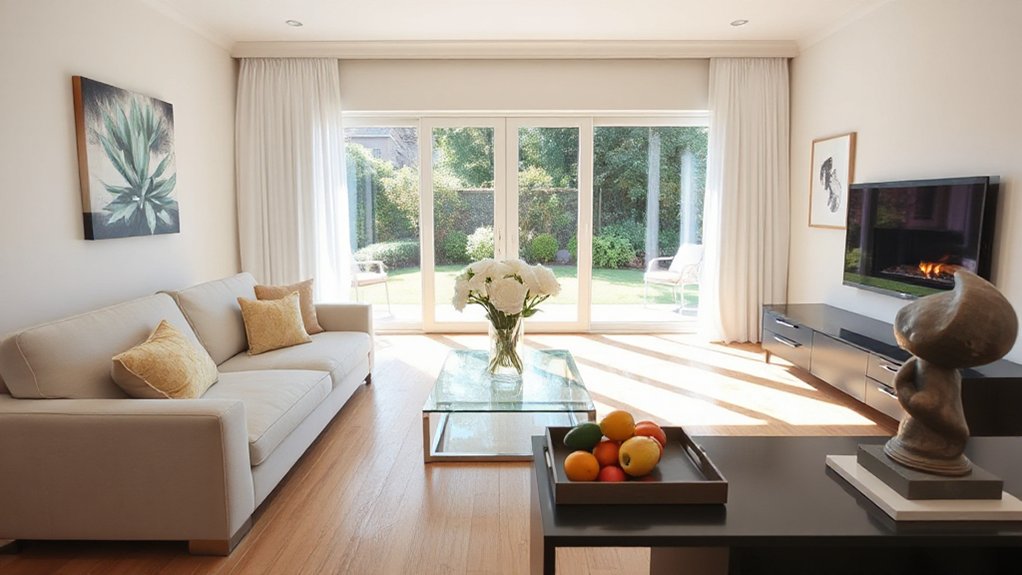
You’ll maximize impact by decluttering visible surfaces, tucking away personal items, and using smart storage to create calm, inviting spaces. Depersonalize without losing warmth: swap in neutral artwork and soft textures, store sentimentals out of sight, and keep surfaces accessible. Brighten with natural light, clean lines, warm bulbs, and reflective accents. Refresh kitchens/baths with tidy counters and subtle upgrades, and boost curb appeal with fresh mulch and tidy walkways. Follow a 14‑day prep plan to stay on track, and you’ll be ready for buyers.
Declutter for a Quick, Impactful Viewing
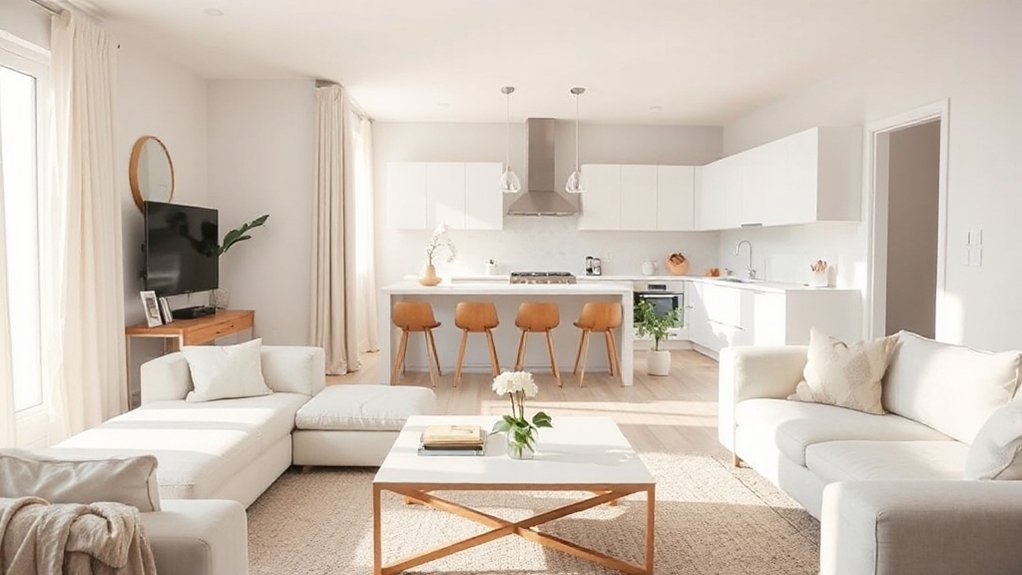
Decluttering isn’t about perfection; it’s about creating space for buyers to imagine themselves living here. You’ll streamline every room, prioritizing function over excess to spark flow and scale.
Begin with visible surfaces: clear countertops, desks, and dressers, then tuck away personal items that shout “you.” Use storage solutions that feel intentional rather than hidden hoards—baskets, boxes, and under-bed totes keep essentials accessible but discreet.
Focus on lighting and neutral tone to enhance breadth, not brightness alone. Consider furniture arrangement that promotes conversation and easy traffic patterns, positioning sofas to face focal points without crowding windows or doors.
Leave spaces feeling calm, organized, and lived-in yet unfamiliar enough to dream. Market-savvy buyers notice thoughtful detail—the result is quicker, higher-value interest.
Depersonalize Without Losing Warmth
As you move from clearing surfaces to smoothing the selling message, depersonalizing means dialing back personal artifacts while preserving warmth that helps buyers feel at home. You’ll swap bold, specific mementos for generalized, inviting cues.
Keep personal touches that signal comfort—soft textures, neutral palettes, and tasteful decor—yet remove clearly identifiable photos and unique collections. Store sentimental items out of sight or replace with curated, universally appealing accents.
The goal is to let rooms read as lived-in, not owned by one story. Highlight neutral artwork, balanced lighting, and accessible surfaces that invite imagined living. By filtering content without erasing character, you preserve authenticity.
Buyers should sense belonging, not intrusiveness, so present a hospitable backdrop that feels like a blank canvas ready for their own memories.
Maximize Natural Light and Brighten Spaces
Open up spaces by letting in more light and using bright, neutral tones that reflect it.
Position furniture to avoid shadowy corners and choose window treatments that boost openness without glare.
In every room, aim for a clean, welcoming glow that makes spaces feel larger and more inviting to buyers.
Let In More Light
Is your home feeling dim? You can invite buyers in with deliberate light, not glare. Start by inspecting windows for unobstructed views—pull back heavy drapes, trim overgrown blinds, and replace curtains that mute daylight. Choose window treatments that filter without blocking: light fabrics, soft blinds, or sheer panels that maintain privacy while maximizing brightness.
Consider lighting fixtures that complement natural glow: recessed LEDs, slim floor lamps, and sconces near seating zones to eliminate shadows in corners. Organize furnishings to reflect light—mirror accents, glass surfaces, and light-colored upholstery. Regular bulb checks ensure consistent warmth; aim around 2700–3000 Kelvin for inviting atmospheres.
Your intent: every room feels open, welcoming, and effortlessly bright, signaling belonging and value to potential buyers.
Brighten Every Room
To maximize natural light and brighten every room, start by cataloging each space’s light sources and potential obstructions. Then methodically open angles for daylight. You’ll notice how simpler color schemes and thoughtful lighting fixtures transform mood, making spaces feel welcoming and cohesive.
Focus on avoiding heavy drapes and choosing window treatments that wash rooms in sunlight without glare.
- Embrace sheer fabrics and minimal hardware to keep sightlines open.
- Pair strategic lighting fixtures with daylight, balancing warmth and brightness.
- Choose color schemes that reflect light, creating a spacious, belonging-filled vibe.
This approach keeps rooms vibrant, practical, and purchase-ready, appealing to buyers who crave clarity, comfort, and a sense of home.
Refresh the Kitchen and Bathrooms That Sell
Revitalizing the kitchen and bathrooms isn’t optional when you’re staging for a quick sale—it’s where buyers decide value. You’ll focus on clean lines, neutral tones, and surfaces that read pristine.
In the kitchen, replace worn hardware, tidy appliances, and guarantee counters are clear, with a few appealing accents. Highlight practical storage, and price-conscious upgrades like modern faucets or energy-efficient lighting.
In baths, eliminate clutter, seal grout, and present fresh towels folded neatly. Add subtle fragrance and bright, even lighting to create a spa-like feel.
Emphasize Kitchen upgrades and Bathroom accessories that signal durability and care without overselling. Maintain realistic expectations, avoid personal items, and invite buyers to imagine family routines, comfort, and belonging in this refreshed space.
Boost Curb Appeal in a Day
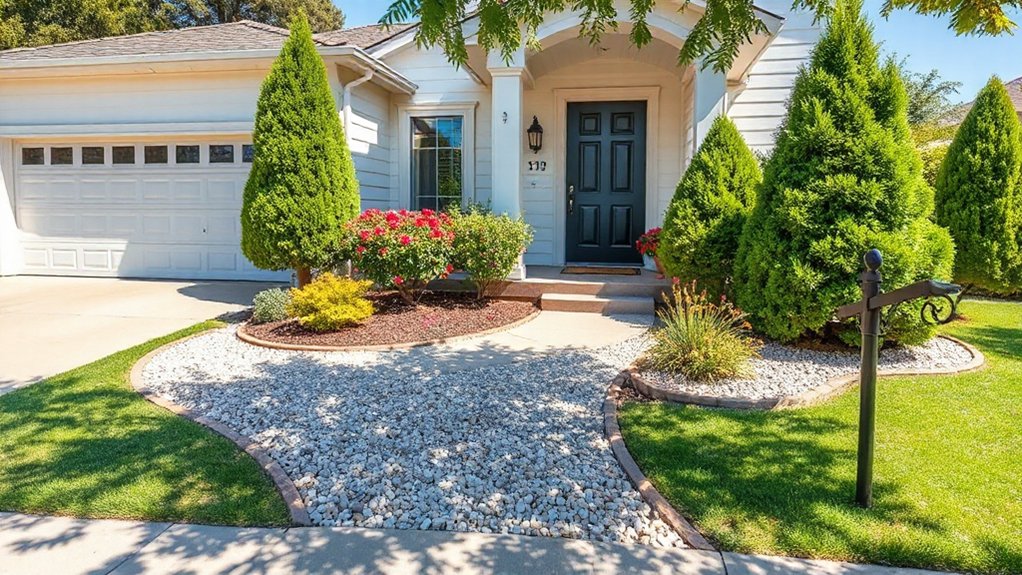
- Replace tired mulch and trim overgrowth to frame the home and guide the eye to architectural details.
- Power wash siding, driveway, and entryway; brighten the front door and hardware for a welcoming, fresh feel.
- Add a seasonal touch with tidy plantings, potted color, and a clean walkway lighting plan.
You’ll feel the difference as buyers picture themselves here, recognizing quality, comfort, and belonging from the curb to the front door.
Create a 14-Day Buyer-Viewing Prep Timeline
Great curb appeal sets the stage, but turning that into a smooth showing takes a precise plan. A 14-day buyer-viewing prep timeline keeps you organized and confident.
Day 1–2: declutter, deep-clean high-traffic zones, and repair obvious issues.
Day 3–4: neutralize color schemes, shampoo carpets, and enhance lighting with daylight bulbs.
Day 5–6: implement staging techniques that highlight flow, focal points, and storage.
Day 7–8: refresh bathrooms and kitchen accents; tuck away personal items.
Day 9–10: optimize scent with subtle, inviting aromas—avoid overpowering scents.
Day 11–12: perform final touch-ups and quick repairs.
Day 13: stage for showings, create welcoming entry, and test every door.
Day 14: rehearse a concise tour script and relax—belonging and clarity sell.
Frequently Asked Questions
How Should I Stage Rooms for Different Buyer Personas?
Yes—stage for each buyer persona by highlighting luxury upgrades and modern decor, tailoring cues to their lifestyle, and ensuring a sense of belonging; you accentuate flow, scale rooms appropriately, and keep spaces bright, inviting, and aspirational.
What Quick Fixes Deliver the Best ROI Before Viewings?
Boost curb appeal with quick garden maintenance and tidy entryways. You’ll see best ROI by lighting dark corners, decluttering spaces, and rejuvenating hardware; these moves create inviting, belonging-ready feel that speeds viewings and convinces buyers you’re home.
Should I Use Professional Home Staging Versus DIY?
Yes, go DIY if you’re budget-conscious and detail-focused, but professional staging can boost perceived value; weigh costs. Highlight garden landscaping and lighting enhancements to create belonging, curb appeal, and a confident, market-ready first impression for buyers.
How Do I Handle Pets During Showings?
Yes—keep pets secured and away during showings to protect safety and comfort. Prioritize pet safety, odor control, and quick cleanup; leash or crate as needed, notify agents, and guarantee inviting, pet-free spaces that buyers feel they belong in.
What Are Common Photo-Ready Enhancements Buyers Notice?
You’ll notice photo-ready touches include tidy garden landscaping and polished curb appeal, so you boost first impressions, trim clutter, optimize lighting, and stage rooms to feel welcoming, practical, and belonging—especially when highlighting your home’s garden and entry.
Conclusion
You’ve got this. By decluttering, depersonalizing, and brightening every room, you’ll let buyers picture their life here without getting hung up on your stuff. Keep kitchens and baths spotless, light a path to fresh curb appeal, and stage with neutral touches that feel welcoming, not staged. Follow your 14-day plan, stay consistent, and don’t overlook minor repairs. When the home shines, you’ll be selling momentum, not just square footage—like hitting a sweet spot where presentation meets possibility. It’s a win-win.