

Leasehold means you own the right to occupy a property for a fixed term, while the land stays with a freeholder. Share of freehold gives you partial ownership of the building and a say in maintenance and long-term decisions. Freeholders or management handle daily operations; leasehold relies on lease terms and landlord consent for major changes. Costs differ: ground rents, service charges, and potential escalation vs. shared governance and cost certainty. Want specifics on when one option saves you money, and why it matters?
Leasehold vs Share of Freehold: the Core Choice Upfront
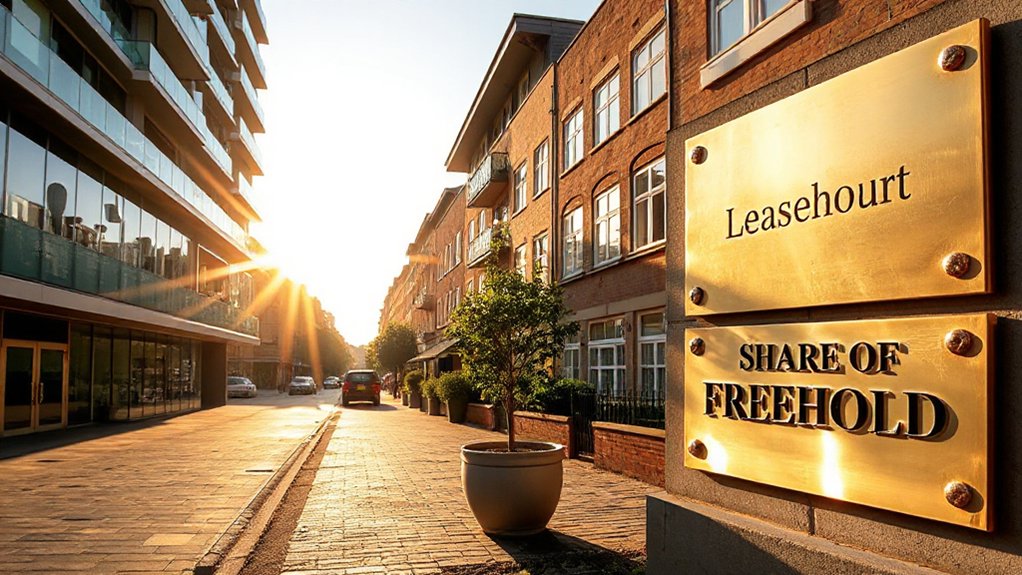
Choosing between leasehold and share of freehold is the core upfront decision for a property that’s already built or under construction. You confront how ownership structure shapes control, costs, and long-term belonging within a community.
Historical context matters: previous regimes influence current norms, remedies, and expectations, so you’ll assess precedent before commitments.
Legal complexities loom, including how ground rents, service charges, and reversionary interests affect your security and budgeting.
You want clarity on what you’ll actually own and for how long, and you seek a framework that supports cohesion with neighbors and managers.
This choice dictates governance, future transfers, and potential renegotiations.
Approach it with precise questions, documented terms, and professional guidance, ensuring your decision aligns with your sense of place and continuity.
What Leasehold and Share of Freehold Mean
Leasehold means you own the right to live in a property for a fixed term, while the land is owned by the freeholder. You’ll feel rooted in a structure built to stand longer than a single lease, but with boundaries defined by contracts and regulations. Understanding this arrangement involves historical context and legal implications that shaped how people inhabit homes today.
- In leasehold, ownership centers on the lease document, not the land.
- Share of freehold adds co-ownership of the building, blending rights and responsibilities.
- Legal implications cover service charges, ground rent, and governance by lease terms.
This clarity helps you belong with intention, knowing where your rights start, and how they’re protected within a shared framework.
How Ownership Rights Differ in Each Arrangement
Under leasehold, your ownership centers on the lease document rather than the land, so your rights and duties hinge on the terms you signed. In this arrangement, ownership rights are defined by contractual provisions, not absolute title to the property. You have the right to occupy, receive basic services, and enforce duties such as timely rent and compliance with covenants, but major decisions often require landlord input or consent processes.
By contrast, a share of freehold grants you and others partial ownership of the building’s common elements, with a more direct say in maintenance, management, and long-term strategy.
Historical ownership patterns show shifts toward collective stewardship, while Market trends indicate growing tenant emphasis on control and influence through shared ownership structures. Your sense of belonging improves when rights align with transparent governance.
Who Actually Owns the Property Versus the Building

In leasehold, you own a long-term right to occupy the dwelling, but the land and building remain the owner’s property, typically the landlord or freeholder. The distinction matters for how value is assessed and who bears responsibilities, which influences Property valuation and Legal nuances.
- You hold rights to the dwelling, not the land or structure.
- The freeholder retains title to the building and common parts.
- Lease terms adjust value, control, and obligations during your tenure.
Understanding who actually owns what helps you gauge risk, costs, and future transferability. In practical terms, you’re buying a stake in use and enjoyment, while the freeholder holds the broader ownership.
This affects valuation techniques, maintenance obligations, and potential claims, making clear ownership lines essential for confident, belonging-driven decision-making.
The Role of the Freeholder and Management Company
The freeholder holds the ultimate ownership of the building and land, while the management company administers day-to-day matters on their behalf, including service charges, maintenance schedules, and building compliance. You understand that this division clarifies responsibilities and protects value.
In practice, the freeholder’s role anchors long-term stability, while the management company translates policy into actions that keep residents safe, compliant, and connected.
You’ll notice that Historical ownership informs decision-making, signaling how past arrangements shape current governance and future options.
When valuing your home, Property valuation becomes grounded in who controls upkeep, insurance, and major renovations.
This clarity helps you engage confidently with both parties, fostering belonging through predictable routines, transparent communications, and consistently delivered maintenance that sustains community quality.
Service Charges and Ground Rents: Who Pays, How Set, and Caps
You’ll want to know who actually pays the charges and how those costs are allocated.
We’ll cover how service costs are set, who’s a say, and what caps exist on ground rents.
This sets the framework for comparing leasehold and shared ownership arrangements.
Who Covers Charges
How are service charges and ground rents determined, who ultimately pays them, and what caps protect you? You’ll see charges set by the landlord or managing agent, based on actual costs and fair apportionment.
As a leaseholder, you typically pay, but you’ll benefit from caps, audit rights, and clear breakdowns. In leasehold terms, costs are scrutinized during renewal or valuation scenarios, affecting property valuation and your ongoing obligations.
1) Transparent budgeting ensures you understand each item and its justification.
2) Regular reconciliations and annual statements protect you from overcharges.
3) Defined caps and dispute routes help you challenge unreasonable sums.
This clarity supports confident lease renewal decisions and a stronger sense of belonging within your building.
Setting Service Costs
What drives service charges and ground rents, and who ultimately pays them? You determine costs by what your building requires: maintenance, insurance, management, reserves, and compliance.
In a leasehold or share of freehold, you’ll see a service charge schedule listing items, with annual estimates and receipts against actual spend. You pay for shared spaces, external repairs, and routine upkeep, while ground rents are set by the lease and can be fixed or escalating.
Caps, when present, constrain increases, but practical limits depend on your agreement and governing documents. Clarity matters for belonging: know what’s included, how you’re billed, and how disputes are resolved.
Gardening tips and interior design focus remind you to maintain value, aesthetics, and community harmony.
Ground Rent Caps
- Track adjustments: review lease clauses and any annual uplift formulas to predict future costs.
- Consider the value: higher ground rent caps may accompany luxury amenities and neighborhood popularity, affecting overall running costs.
- Plan for renewal: know the cap trajectory, so you can negotiate fair terms or explore leasehold alternatives if priorities shift.
Ground rent caps bolster belonging by anchoring predictable bills, even as you value luxury amenities in a thriving neighborhood.
Commonhold vs Leasehold: When to Consider Each

Commonhold offers owners direct, individual ownership of a unit and a shared responsibility for common areas, making it attractive when you want long-term control and fewer ongoing costs tied to the landlord.
You weigh this against leasehold, where your title hinges on a long-term lease and landlord involvement.
Commonhold suits buyers who seek permanence and a sense of belonging within a community, especially when the arrangement emphasizes shared decision-making.
Historical context matters: commonhold emerged to address limitations of leasehold, yet adoption remains uneven due to perceived legal complexities.
You’ll also consider Legal complexities, including governance structures and maintenance obligations.
If you value autonomy, clearer responsibility, and streamlined management, commonhold can outperform leasehold; if you prefer existing frameworks with landlord oversight, leasehold may feel safer.
Choose based on your long-term commitment and comfort with collective governance.
How Lease Length Affects Value and Your Decision
When you weigh lease length, you’re weighing how long you’ll hold the property and how that duration affects value and financing. Longer leases generally enhance property valuation and ease of securing financing, while shorter terms can depress value and complicate resale. Your decision hinges on market expectations, financing terms, and personal plans.
- Lease renewal timing: anticipate renewal costs, lender attitudes, and potential value shifts.
- Property valuation impact: longer terms typically raise perceived worth and ongoing yield.
- Strategic fit: choose a term aligned with your holding period, budget, and belonging within the community.
If you foresee staying, prioritize length and renewal options to protect value. If plans are flexible, weigh liquidity and market demand to decide.
Voting Rights in Leasehold and How Landlord Authority Works
Voting rights in a leasehold are defined by the lease and by law, not by personal preference, so you’ll want to know exactly how your stake can influence decisions and what your landlord can and can’t approve. Your rights are tied to the governing documents and statutory protections, ensuring transparency in major decisions.
Landlord authority exists, but it operates within clear boundaries, often requiring consent for significant actions like structural changes, service charges, or extending terms.
You’ll usually vote through leasehold meetings or written resolutions, with turnout and thresholds shaping outcomes. Understanding who can chair votes, how proxies work, and what constitutes a valid consent helps you participate confidently.
Negotiating Leasehold Terms Effectively

When you negotiate leasehold terms, focus on ground rent clarity, caps, and review periods to avoid future surprises.
Guarantee lease extensions are fair by securing equitable calculations, appropriate premiums, and clear timelines.
This discussion starts with practical strategies to protect long-term value while preserving flexibility for both ground rent adjustments and extension processes.
Negotiating Ground Rent Terms
To negotiate effectively, focus on:
1) Ground rent formula: cap, indexation, and review frequency.
2) Term and protections: length of term, reversion of obligations, and escalation triggers.
3) Leverage and alternatives: comparable leases, potential lease extension, and exit options.
Use precise language, document each concession, and verify legal obligations in writing. Your goal is transparent, durable terms that reflect current market values and protect long-term belonging.
Stay vigilant for creeping charges and guarantee independent valuation advice accompanies any offer.
Extending Lease Safely and Fairly
Extending a lease safely and fairly starts with clear, well-documented terms that protect your long‑term interests. You should approach negotiations with grounded clarity, demanding transparent calculations, deadlines, and contingencies.
Focus on a realistic premium, rent reviews, and service charges, ensuring each element aligns with your rights and expectations. Document all changes in writing, and confirm who bears costs for surveyors, legal work, and valuation fees.
Seek professional guidance to avoid hidden penalties and to secure enforceable terms. For a path to ownership, consider how a Freehold transfer could impact future control and costs, framing any lease extension within a broader ownership strategy.
Stay collaborative, yet firm, as you safeguard belonging, value, and long‑term security. Lease extension supports empowerment and sustainable certainty.
Negotiating Share-of-Freehold Terms Effectively

Negotiating share-of-freehold terms requires clear goals and precise demands from the outset. You shape the process by anchoring on historical context and appreciating the legal implications, ensuring your aims align with precedent and policy.
To strengthen your position, consider:
1) Define ownership boundaries and decision-making rules, including voting weights and reserved matters.
2) Establish maintenance, insurance, and capital expenditure responsibilities with transparent budgeting.
3) Lock in transfer process, dispute resolution, and exit options to prevent ambiguity later.
Keep communications precise, documented, and respectful to cultivate belonging within the group.
Regularly review the draft share-of-freehold agreement with a solicitor who specializes in property law. This vigilance protects your interests and reinforces confidence among all parties involved.
Costs: Upfront, Ongoing, and Potential Surprises
Costs in a share-of-freehold arrangement should be understood from day one: upfront fees, ongoing obligations, and the potential for surprise charges. You’ll face initial costs for legal work, valuer fees, and perhaps a contribution to the freeholder’s reserves.
Ongoing duties include service charges, insurance, maintenance, and sinking funds that must cover major repairs.
Surprises arise with unplanned works, price fluctuations, or variations in governance decisions that require funding. In practice, you’ll want transparent budgeting, clear reserve forecasts, and defined escalation mechanisms.
Consider garden landscaping and interior decor as examples of shared responsibilities that affect both aesthetics and value.
Clear agreements help you feel secure, connected, and part of a collaborative, well-managed community rather than steering through ambiguity.
Practical Impact on Selling or Remortgaging
In a share-of-freehold setup, selling or remortgaging hinges on clarity about the arrangement’s responsibilities and governance. You’ll want a transparent framework that reduces risk and reassures lenders.
The following factors matter for both selling and remortgage decisions, with urban planning and historical context shaping expectations:
- Clarified governance and service charges, so buyers understand ongoing costs.
- Documented decision processes for major works, ensuring predictability and lender comfort.
- Evidence of compliance with planning constraints and local policy, reinforcing market appeal.
A solid record of history and planning alignment boosts confidence, helping you secure favorable terms.
In practice, your property’s narrative—how it fits the urban fabric and its historical context—can become a value lever, signaling stewardship, stability, and belonging to prospective owners and financiers.
What Breaks in Your Contract Can Cost You

These breaches can trigger costly consequences, from eviction risk to default notices, stretching your finances beyond expectations. You’ll want clarity on responsibilities to avoid surprises, especially around property taxes and maintenance obligations.
Alarms should go off if you face overlapping duties or ambiguous enforcement rights, since unclear language breeds disputes. If disputes arise, they can escalate into legal disputes that drain time and money and damage your standing with lenders or neighbors.
Stay precise in disclosures, document all communications, and seek prompt legal guidance to minimize exposure and preserve your ownership peace of mind.
Case Studies: Leasehold Pitfalls to Avoid
Consider real-world scenarios where leasehold missteps cost you dearly, and you’ll see why diligence matters. You’ll learn from concrete cases where small choices snowball into costs, delays, or restricted living.
In practice, you’ll notice how Interior design and Market trends influence value, even when you’re not drafting a design brief.
1) Missed landlord consent for alterations
2) Unclear service charge budgeting causing surprise bills
3) Unpermitted subletting triggering penalties
These pitfalls emphasize due diligence, prompt communication, and understanding your lease’s fine print. By studying real outcomes, you align with a sense of belonging and responsibility in your community.
Stay alert to renovation permissions, transparent accounting, and updated covenants. When you anticipate changes tied to Design sensibilities and evolving Market trends, you safeguard your investment and your home’s comfort.
Case Studies: Share-of-Freehold Advantages in Practice
Owners who move to a share-of-freehold setup often find that empowerment follows a clear, practical path: with collective ownership, you gain more control over management, longer-term cost certainty, and a direct say in major decisions.
In practice, cases show sharper maintenance standards when residents collaborate, aligning upkeep with lived experience and shared priorities. Historical context matters: communities built around mutual accountability tend to sustain property values and reduce disputes, especially where clear governance rules exist.
Cultural differences shape how committees operate, influencing turnout, conflict resolution, and consensus-building. You’ll notice smoother repairs, faster approvals for essential upgrades, and a sense of belonging born from communal responsibility.
While challenges arise, these case studies illustrate measurable, tangible advantages in daily living.
Which Option Tends to Be Cheaper Over Time?

Over the long term, your total costs depend on ongoing maintenance, leasehold fees, and any shared ownership expenses.
Consider how maintenance needs and fee trends evolve, as these can shift which option remains cheaper over time.
We’ll compare long-term cost factors and how maintenance and fees tend to move, so you can weigh upfront price against future bills.
Long-Term Cost Factors
Long-term costs hinge on how you’ll handle maintenance, ground rents, and the potential for major bills. As you weigh options, you’ll see that ownership structure shapes predictable charges and risk exposure, affecting both decision-making and confidence in your investment.
Property valuation and Market trends guide expectations about future worth and costs, helping you choose the structure that sustains value.
- Monitor ground rents and lease terms, since escalations influence long-run affordability.
- Anticipate major repair bills through reserve planning, preventing sudden financial strain.
- Compare service charges and governance costs between leasehold and share of freehold to gauge ongoing outlays.
Having clarity on these factors supports sharper decisions, fostering belonging through stable, transparent ownership.
Maintenance and Fees Trends
So, which option tends to be cheaper over time when it comes to maintenance and fees?
In maintenance and fees trends, you’ll find that historical trends and market analysis often point to shared ownership structures delivering lower, more predictable costs for collectively funded upkeep.
Leasehold arrangements can expose you to escalating ground rents and landlord-imposed service charges, sometimes without proportional control.
In contrast, a share of freehold tends to bind owners to shared governance and negotiated maintenance budgets, potentially reducing unexpected spikes.
However, costs still vary by building age, management quality, and renewal terms.
You’ll want transparent budgets, clear reserve funds, and documented decisions to guarantee consistent affordability and a sense of belonging within the community.
Regular reviews help you stay financially secure over time.
Step-by-Step Decision Framework for Buyers

If you’re weighing leasehold versus share of freehold, start with a clear, structured decision framework: define your priorities, assess legal basics, compare practical impacts on costs and control, and set a decision deadline.
- Define priorities: identify your must-haves, like luxury amenities or technology integration, and your tolerance for ongoing management.
- Assess legality and tenure: review lease terms, ground rent trajectory, and protections under shared ownership, ensuring compliance and future flexibility.
- Compare costs and control: estimate fees, service charges, and voting rights; consider how each structure affects renovation freedom and long-term value.
Apply this framework consistently, document findings, and revisit before committing to a decision that reinforces belonging and confidence in your future home.
Frequently Asked Questions
Can Leasehold Ever Convert to Freehold After Purchase?
Yes, you can. You pursue Freehold acquisition or a lease extension with the landlord, often via enfranchisement, to convert your leasehold into freehold after purchase, securing lasting ownership and avoiding ongoing ground rents.
How Do Renewal Terms Affect Long-Term Costs?
Renewing terms can substantially raise long-term costs, as lease extension and rising ground rent increase your payments over time. You’ll want clear caps, predictable rates, and timely renewals to protect affordability and secure your sense of belonging.
Is Share of Freehold Always More Valuable for Buyers?
Do you assume share of freehold is always more valuable? Not necessarily. You weigh Leasehold restrictions against Freehold advantages, considering you want belonging, control, and predictability—but value depends on specifics of the property and management.
What’s the Impact of Service Charges on Resale Value?
Service charges can affect resale value: higher maintenance fees or inefficient property management reduce appeal and price. You’ll want transparent maintenance budgets, responsive property management, and clear service plans to preserve value and attract buyers seeking belonging.
How Do Different Mortgage Lenders Treat Leasehold Vs Share of Freehold?
Most lenders cap lending on shorter lease lengths, yet 30% of buyers prefer longer terms, boosting resale appeal. You’ll want clarity on Ownership rights and how lease length affects eligibility, documentation, and conditions for your mortgage.
Conclusion
You’re weighing leasehold against a share of freehold, and the choice matters every single day. Be precise, audit the costs, and demand transparent service charges. A well-structured share-of-freehold can save you headaches and money long-term—avoiding creeping ground rents and restrictive terms. If you hurry, you’ll miss details that could save you thousands. Do your due diligence now, because clarity today prevents skyrocketing bills tomorrow—this decision is, frankly, the single most powerful lever you’ll ever pull.