
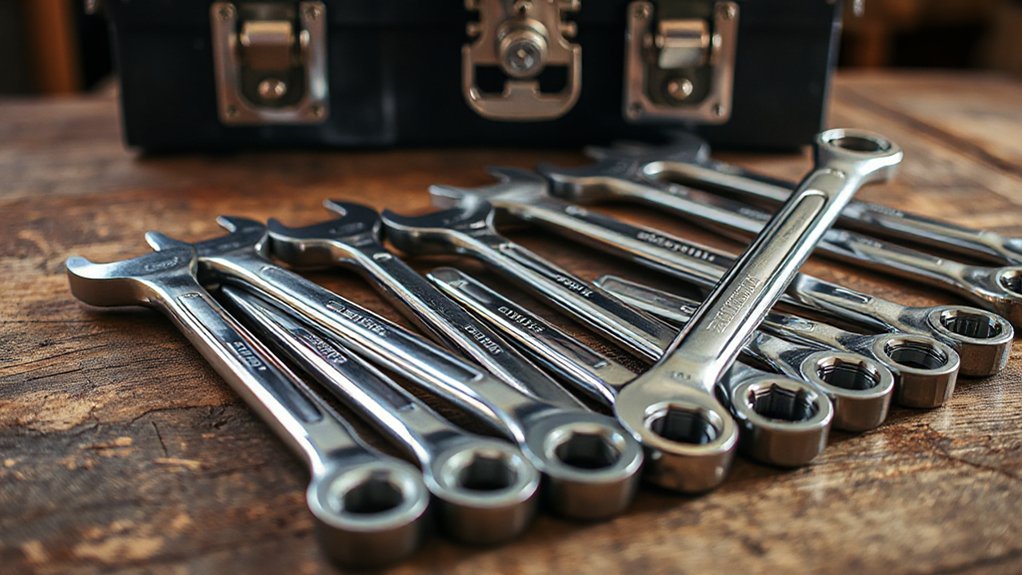
The most popular gearwrenches for home improvement combine speed, reach, and torque in tight spaces, helping you work faster with less fatigue. Look for adjustable ratcheting wrenches, compact sets with thin-profile heads, and combo wrenches that give you open and box ends in one tool. Prioritize ergonomic handles, durable finishes, and reliable ratchets to prevent slips. Start with a core metric and SAE kit, then expand as projects demand—you’ll discover more benefits as you go.
What Makes a Gearwrench Essential for Home Improvement Tasks
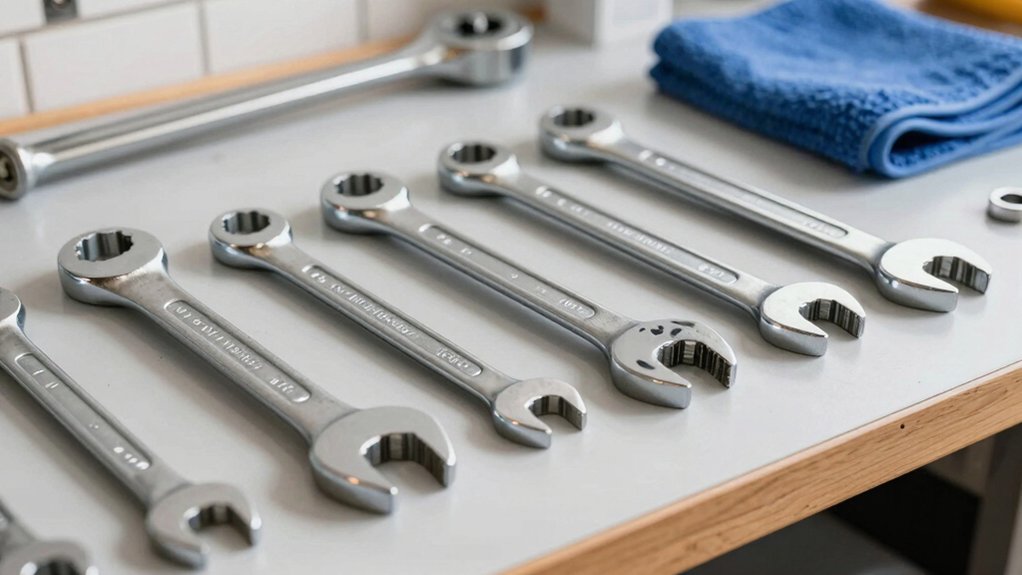
A Gearwrench is essential for home improvement because it combines speed, reach, and torque in tight spaces where traditional wrenches struggle. You gain leverage that slips past awkward angles, letting you finish projects faster with less effort.
The design elevates wrench ergonomics, reducing fatigue during long tasks and keeping your hands stable under pressure. Precision distributes torque more evenly, so fasteners seat correctly on the first try.
You’ll notice durability in every click of the ratchet, and the compact profile expands your access to cramped motors, dashboards, or plumbing joints. This isn’t luck; it’s gear-driven efficiency rooted in gearwrench history, a lineage built for tough jobs and repeatable results.
Power you can feel, reliability you can trust, every time you reach for the tool.
Open-End, Box-End, or Combination Wrenches: Which to Use When
When you’re choosing wrenches, the decision hinges on access, fastener type, and the amount of torque you need. Open-end wrenches excel where you need quick placements in tight spots, but box-end wrenches grip more securely, reducing rounding risks on stubborn bolts.
Combination wrenches give you the best of both worlds, saving space and time on the job. Consider wrench grip when selecting a set; a textured or knurled grip improves control under torque, especially in sweaty environments.
Wrench handle design matters too: a comfortable, slightly curved handle reduces fatigue and increases leverage for high-torque tasks. If you anticipate hex-head fasteners in confined spaces, prioritize box-ends.
For frequent repositioning, carry a few open-ends. Tailor your choice to the task, and you’ll fasten with authority.
Adjustable Ratcheting Wrenches: When They Save You Time
With adjustable ratcheting wrenches, you set up quickly and swap between sizes without dropping tools, so you start faster and stay organized.
They save you time by letting you turn fasteners with a single motion, even in tight spaces, thanks to their compact, reversible ratchet mechanism.
In practice, you’ll notice fewer trips to the toolbox and more progress on projects, especially when you’re juggling multiple fastener sizes.
Quick Setup Benefits
Efficient setup matters: adjustable ratcheting wrenches save you time by dialing in the right size quickly, then ratcheting forward without resetting. You gain speed from one-handed picks, repeatable tension, and instant engagement.
The ergonomic handles reduce wrist strain during frequent adjustments, letting you maintain control under pressure. Quick release mechanisms let you swap sizes without fumbling, so you stay in the zone and finish tasks faster.
With a precise fit, you lock into the exact torque you need, avoiding needless rework. These wrenches shine in tight spaces and awkward angles, where momentum and accuracy matter most.
Choose models offering smooth ratcheting action, durable construction, and consistent performance, and your setup time shrinks while your project momentum climbs.
Time-Saving Techniques
Adjustable ratcheting wrenches save you time by letting you size up quickly and ratchet forward without removing or readjusting the tool. In tight spaces, you command speed by dialing the correct jaw width and driving fastener turns with consistent torque. You’ll reduce setup errors, eliminate wasted motions, and finish jobs faster with fewer parts to swap.
The ergonomic grip keeps your control firm, so fatigue stays at bay even during long sessions. Look for smooth ratcheting action that stays precise under load, and a design that resists slipping when leverage increases.
Corrosion resistance matters: choose chrome or alloy finishes that endure wrenching in workshops or outdoors. Ideal wrenches maximize reach, minimize repositions, and deliver repeatable results you can trust when time is of the essence.
Compact Wrench Sets for Tight Spaces: What to Keep on Hand
When space is precious, a compact wrench set becomes your go-to kit, delivering full service without the bulk. You gain access to tight cavities and confined panels without sacrificing torque or leverage. Look for stubby handles, reversible ratchets, and a mix of metric and SAE sizes that cover common fasteners in compact spaces.
The value lies in compact storage and organized components that snap into a slim case, so you never waste time hunting. Choose sets with thin-profile heads and offset designs to reach awkward bolts, nuts, and fittings. Durability matters: corrosion-resistant finishes, hardened teeth, and proven reliability under load keep you moving.
For power users, prioritize versatility, light weight, and consistent performance in space efficiency-driven projects.
Time-Saving Features to Look for in Gearwrenches
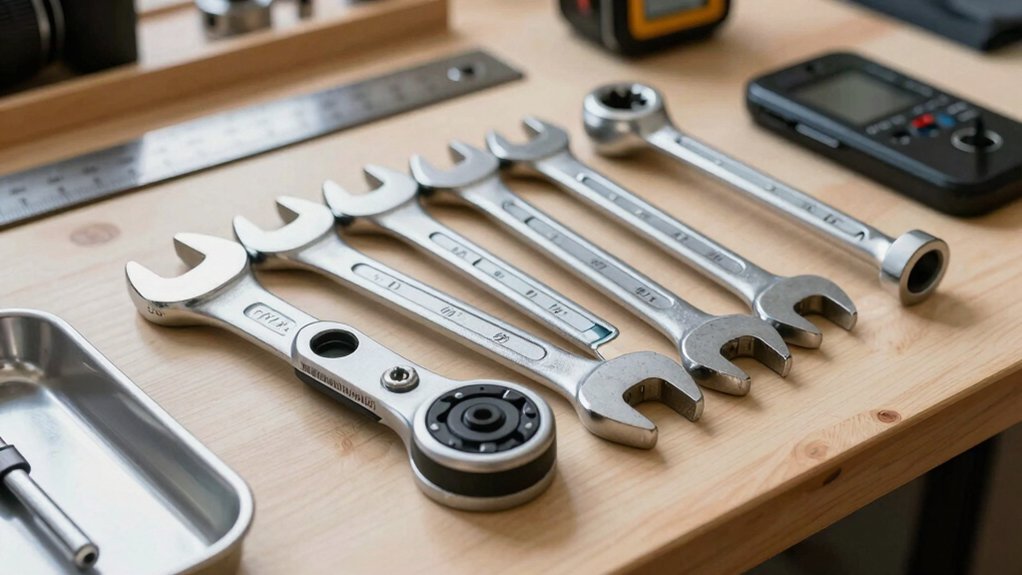
You want gearwrenches that speed things up, so look for an ergonomic quick-change design that lets you swap bits or sockets in seconds.
Precision torque control features guarantee you don’t over-tighten or strip fasteners, saving retries and damage.
Together, these time-saving traits boost your efficiency on every project.
Ergonomic Quick-Change Design
With an ergonomic quick-change design, you’ll swap between bits or sockets in seconds without losing your grip or flipping the tool around. You demand speed and control, so the quick change mechanism is built for instant task switching, not fumbling.
An ergonomic grip keeps your hand steady under load, reducing fatigue during long sessions. You’ll notice smoother handoffs, a secure latch, and minimal play between bit and drive, so accuracy stays high.
This design minimizes downtime and maximizes output, letting you power through projects with confidence. Choose gearwrenches that balance leverage and comfort, ensuring every change feels deliberate.
In short, this system accelerates work without sacrificing precision, delivering professional results with less effort.
Precision Torque Control Features
Precision torque control features save you time by delivering exact tightness every run, reducing rework and protecting fasteners. You want gearwrenches that lock in a precise setting and hold it through vibration and heat. Look for precision adjustment mechanisms that let you fine tune torque with repeatable steps, so each turn lands where you expect.
Torque consistency matters across screws, bolts, and threaded fasteners, preventing over-tightening or under-tightening mistakes. A clear tactile click, a durable scale, and a reliable overruns stop ensure repeatable results under load. Avoid vague gauges or sloppy feel.
Modern systems pair digital or dial readouts with robust mechanical stops, delivering fast, confident tightening. Choose models that demonstrate repeatable performance, minimal drift, and straightforward calibration for long-lasting power.
Best Wrench Sizes for Home Projects: How to Measure
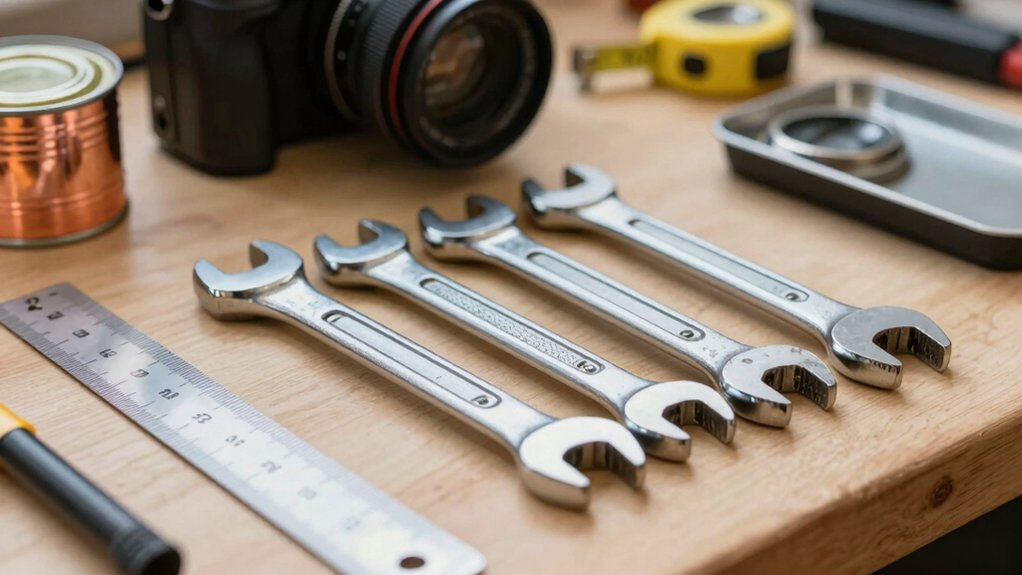
Choosing the right wrench sizes saves time and prevents damage, so measure first and tailor your toolkit accordingly. You’ll optimize every turn when you know your fasteners and their standards. Start with dominant metric and SAE ranges, then confirm with a caliper or ruler for precise measurement techniques.
Identify bolt head width, thread pitch, and room for leverage, so you don’t guess and overreach. Build a core set: 6, 8, 10, 12, 14, and 17 mm or 1/4, 3/8, 1/2, 9/16, 5/8, 3/4 inches, plus a universal adjustable for odd sizes. Label each size for rapid access under pressure.
Remember to verify with the manufacturer’s specs and avoid improvisation; accuracy delivers power, speed, and flawless assembly every time.
Quality vs. Price: Where to Invest and Where to Economize
You should invest in core tools first, since quality matters most where you’ll rely on them daily.
Budget for longevity by weighing durability, warranty, and material quality, not just the upfront price.
Compare specs carefully to balance performance with cost, and decide what you’ll upgrade later as your projects grow.
Invest in Core Tools
Investing in core tools means balancing reliability with cost, so you get durable gear that lasts without overspending. You want tools that perform now and endure years of heavy use, not junk that fails after a season.
Prioritize a mid-range set from trusted brands, where the build quality and warranty justify the price. Wrench ergonomics matter: comfortable handles reduce fatigue and boost control, letting you power through stubborn fasteners.
You’ll feel the difference in daily tasks, from mounting fixtures to breaking tough bolts. Consider the Gearwrench history as a benchmark for proven design principles, not trendier add-ons.
Choose core pieces you can trust, and expand later with mission-critical upgrades only when needed. Efficiency, durability, and leverage—that’s how you win.
Budget for Longevity
Quality over price isn’t about chasing the cheapest options; it’s about investing in pieces that last. When you budget for longevity, you prioritize durability, reliability, and a design that supports heavy use.
You should allocate more for tool storage that keeps gear organized and accessible, reducing wear from misplacement and impulse buys. Seek tools with robust housings, tempered steel, and proven performance in demanding jobs.
Warranty coverage matters: it protects your investment and signals confidence from the maker. Don’t chase flashy brands; evaluate build quality, service networks, and expected lifecycle.
Economize on accessories you won’t rely on daily, and on duplicative sets. Invest once, reuse longer, and upgrade selectively as your projects scale.
Your power comes from planning smart purchases that endure.
Compare Specs Carefully
When weighing gear, compare specs carefully to separate real performance from hype. You’ll want torque, return force, and hatched grip patterns to align with the work you actually do, not marketing fluff.
Price often reflects material heft, durability, and manufacturer service—that’s where you decide if you invest in premium efficiency or economize for a future upgrade.
Prioritize wrench ergonomics: comfortable handle shape, balanced weight, and fingertip control reduce fatigue on long jobs.
Compare finish quality, ratchet teeth count, and socket drive options as a package, not in isolation.
Remember gearwrench maintenance matters: clean, oil, and store properly to preserve precision and bite.
In the end, smarter specs translate to faster progress, louder satisfaction, and power that lasts.
Materials and Finishes: Durability for DIY Use
Choosing the right materials and finishes matters just as much as design, because durable tools save you time and money on lean projects. When you evaluate gearwrenches, focus on steel grade, hardness, and alloy composition, not just price. Material options that resist wear and corrosion keep your kit ready for back-to-back jobs.
Look for forged, solid-core construction with heat treatment that maintains shape under torque. Finish types matter too: darkened or chrome finishes reduce glare and corrosion, while passivated coatings improve rust resistance.
In DIY contexts, you want consistent performance under varying conditions, so prioritize tools built for impact and daily use. Your goal is reliability under pressure, maximizing uptime and minimizing replacements.
Choose wisely, and your toolkit will outperform the demand.
Maintenance Tips to Extend Gearwrench Life
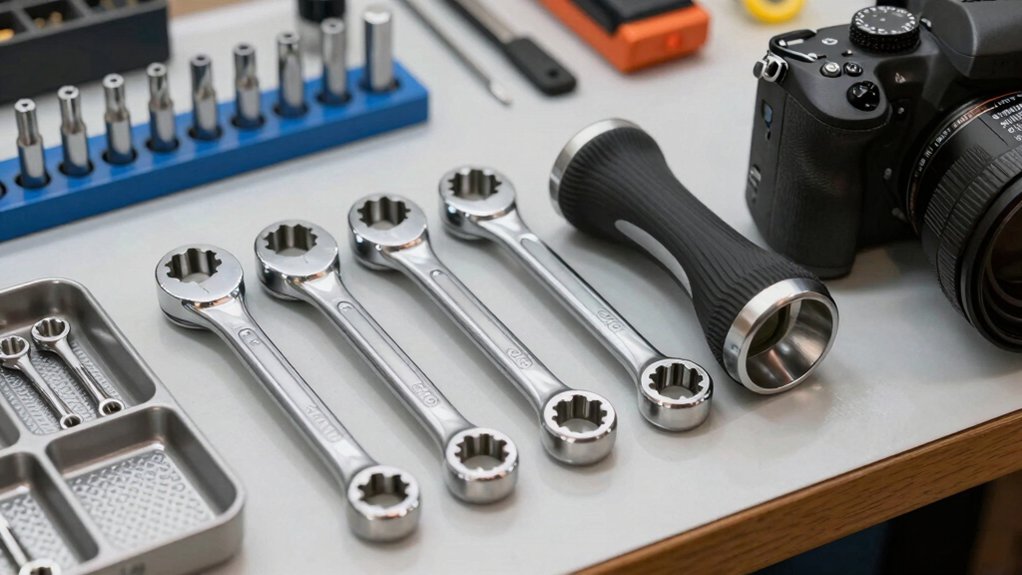
Start with a simple routine: clean and inspect your gearwrenches after every use, wiping off oil, grease, and grime so rust and wear don’t take hold. Then dry them thoroughly and apply a light coat of lubricant to pivot points and switches, if yours include them.
Establish maintenance routines that focus on tick-tick responsiveness and smooth movement; unresolved stiffness is a warning sign.
Store your wrenches in a dry, organized case, using foam inserts or magnetic strips to prevent banging and dulling edges.
Regular checks for cracks or bent jaws pay off in reliability.
Practice disciplined storage solutions: keep tools off the floor, away from moisture, and out of extreme heat.
Consistency here boosts performance, longevity, and your edge on every project.
Brand Round-Up: Popular Gearwrench Options for DIYers
Gearwrenches come in a range of sizes and styles, but DIYers tend to favor a few trusted lines for practicality and value. In this brand round-up, you’ll cut through hype and focus on reliable contenders that stand up to tough jobs.
Brand reputation matters when you’re choosing tools you’ll lean on daily; it signals consistency, service, and warranty support you can actually rely on. Look for sets that balance versatility with rugged build, so you can tackle brakes, exhaust, and suspension without swapping gear.
User reviews reinforce what spec sheets often omit—real-world bite, smooth ratchets, and durable finishes. Prioritize models praised for precision, lifetime guarantees, and compatible accessories.
When you pick with purpose, you gain speed, accuracy, and lasting confidence.
How to Assemble Your Starter Gearwrench Kit for Home Improvement
From the trusted gear you identified, assembling a starter kit means pairing the right basics with practical expandability. Begin with a high-quality metric and SAE combo, a confident ratchet handle, and a few quick-change bits.
Prioritize wrench ergonomics: you want comfortable grip, balanced weight, and smooth, precise action to power through projects without fatigue. Add adjustable wrenches, a compact torque wrench, and a magnetic bit holder to reduce search time.
Choose organization first: tool storage solutions that keep components accessible, protected, and portable. Keep a minimal pouch or roll for on-site versatility, then expand with specialty sockets and adapters as tasks demand.
Build confidence with a clearly labeled, modular kit that grows with your projects, delivering efficiency, control, and consistent results.
Frequently Asked Questions
How Do I Choose the Right Gearwrench Size for a Project?
To select the appropriate gearwrench size, match torque specifications to fasteners, then test grip comfort on the handle. Pick a wrench that fits your project reach, guarantees precise turns, and lets you apply controlled force confidently.
Are Gearwrenches Better Than Standard Wrenches for DIY?
Gearwrenches are better for DIYs because of ergonomic grip and material durability, letting you torque confidently, reduce fatigue, and finish faster. You’ll appreciate precision, comfort, and tougher construction that withstands relentless use on demanding projects.
Can Gearwrenches Strip Fasteners During Heavy Use?
Gearwrenches resist fastener stripping during heavy duty use, but improper technique can still risk damage. You’ll want solid grip, steady pressure, and the right size. With care, you maximize performance and minimize slippage under tough loads.
What Safety Steps Prevent Tool Damage During Use?
You prevent tool damage by using proper technique, enforcing tool storage discipline, and inspecting gearwrenches before use. Embrace ergonomic design for comfort, stay focused, and store tools securely after use to protect precision and longevity.
Do Gearwrenches Require Special Maintenance After Rust Exposure?
You’ll need to act fast: after rust exposure, you should conduct rust removal, dry thoroughly, then apply rust prevention and maintenance tips to shield gears; regularly lubricate and inspect for wear, power through with confidence, weapon-grade proactive care.
Conclusion
You’ve got the right gear, so you’re ready to tackle projects with confidence. Think of your kit like a reliable toolkit compass, always pointing you toward efficiency and fewer stripped bolts. Prioritize adjustable ratchets for speed, compact sets for tight spots, and durable finishes for longevity. With the right selection and a quick maintenance routine, you’ll breeze through home improvements and turn “what if” into “done.” Your woodworking, plumbing, and tinkering will thank you.