
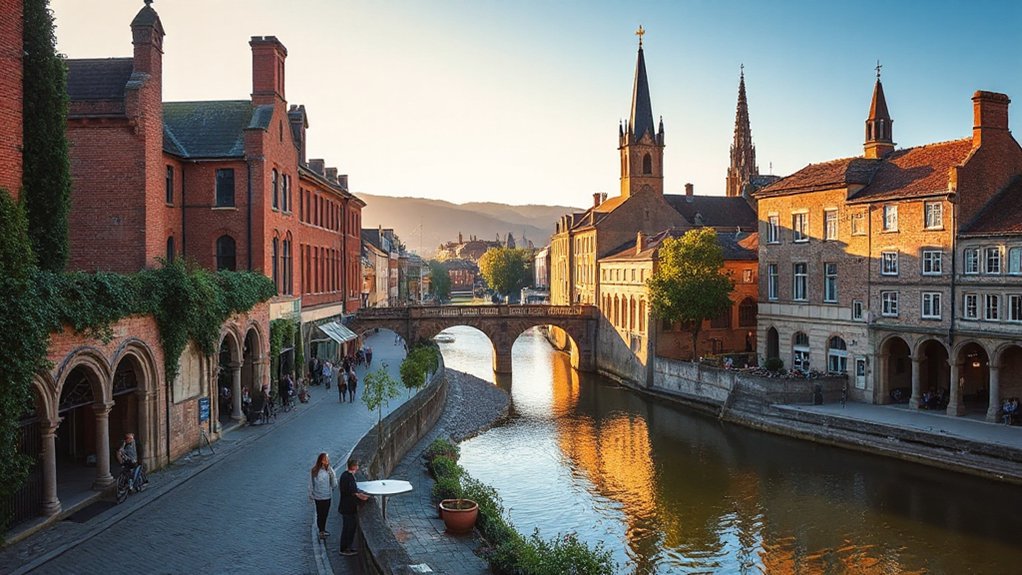
Exeter stays a strong university town because your campus integrates with the city, driving patents, startups, and funded projects that boost local growth. Alumni networks mentor and hire, while student life and cultural events create daily rhythms that shape shopping, dining, and transport. Coordinated facilities, scalable support, and data-driven governance sustain retention and wellbeing. Interdisciplinary research and industry partnerships expand IP and startups, reinforcing a resilient economy. If you keep exploring, you’ll uncover how these forces connect in detail.
What Makes Exeter a Standout University Town
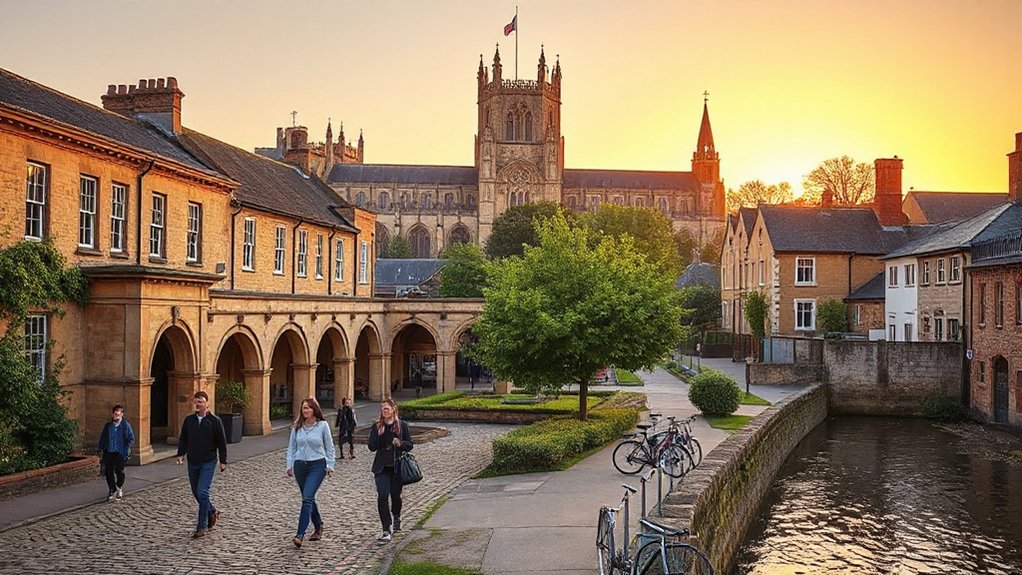
Exeter stands out as a university town because its integration of research excellence, student life, and economic significance creates a measurable, collaborative ecosystem. You see how cross‑campus partnerships translate into tangible outcomes: patents, startups, and funded projects that feed local growth.
Alumni networks extend mentorship, internship access, and selective hiring pipelines, reinforcing a durable social fabric that newcomers instantly sense. Cultural festivals punctuate the calendar, signaling inclusive belonging and accessible pathways to knowers across disciplines.
Data shows steady enrollment diversity aligning with city demographics, while co‑located facilities maximize resource utilization and reduce duplicate efforts. You’ll notice consistent student‑led governance shaping services, housing, and safety, confirming Exeter’s model as both rigorous and welcoming.
In short, the town’s structure sustains sustained, evidence‑based advantage.
How the University Shapes Everyday City Life in Exeter
You notice how the campus footprint touches daily life through student patronage of shops and eateries, shaping local footfall patterns and spending.
Data show steady increases in pedestrian density and nighttime activity around lecture blocks, markets, and transit hubs, indicating a campus-led cadence to city streets.
This interplay between students, shops, and streetscapes sets the baseline for Exeter’s urban rhythm and invites targeted questions about accessibility, safety, and commercial significance.
City Life Enriched By Campus
Campus life in Exeter is clearly shaped by the university’s scale, schedule, and student presence: students cluster around the center for study spaces, dining, and events, while staff coordinate programming that bridges campus and city services.
You’ll see measurable spillovers in peak-footfall zones, with foot traffic data showing synchronized activity between libraries, cafes, and cultural venues.
The campus calendar concentrates evening entertainment and weekend markets, reinforcing stable demand for local infrastructure.
This alignment boosts participation in local cuisine exposure and cultural festivals, elevating social cohesion and belonging.
City policymakers respond with targeted transit and safety measures, while campus analytics track satisfaction and accessibility.
The result is a data-informed ecosystem where daily life feels integrated, predictable, and welcoming to residents and visitors alike.
Students, Shops, And Streetscape
Students, shops, and streetscapes interact dynamically as the university’s presence concentrates demand for retail, transport, and safety across central Exeter. You observe how student housing shapes zoning, street occupancy, and footfall, while local dining anchors evening activity and social belonging.
Data show peak usage near campus corridors, with mixed-use developments increasing daytime commerce and reducing car trips. You can measure safety through lighting coverage, patrol visibility, and incident reporting, all trending upward with student cohorts.
The city’s retail mix adapts to semester rhythms, balancing cafés, convenience stores, and bookstores to support daily routines.
- Student housing impacts neighborhood vitality and storefront mix
- Local dining becomes social anchors across terms and events
- Streetscape investments correlate with ridership, safety, and satisfaction
Exeter’s Campus Facilities and How They Support Daily Learning
Exeter’s campus facilities form a tightly integrated learning ecosystem that directly supports daily study, collaboration, and research. You experience purposeful design across libraries, study zones, and collaborative labs that maximize uptime and minimize shifts.
Data show high utilization of flexible spaces, with room turnover metrics indicating efficient collaboration sessions and productive quiet study blocks. Campus sustainability informs building operations, energy monitoring, and daylight optimization, reducing distractions and supporting consistent focus.
You’ll notice wellness-informed features: calm zones, accessible fitness options, and nutrition-supported study breaks that correlate with sustained concentration. Technology-enabled classrooms, standardized AV systems, and rapid Wi‑Fi coverage enable seamless participation in seminars and remote collaborations.
Taken together, facilities reinforce belonging, ensuring you feel supported, connected, and prepared to excel daily.
Exeter’s Research Ecosystem: Key Collaborations That Matter
Exeter’s research ecosystem hinges on strategic collaborations that accelerate discovery and translate insights into impact. You’ll see how interdisciplinary teams fuse methods, data, and perspectives to tackle complex problems, from health to climate.
With transparent metrics, collaborations sharpen grant efficiency, elevate outcomes, and improve pathways from lab to application. Research funding flows through diverse partnerships, aligning institutional strengths with societal needs and investigator goals.
You feel part of a network that values shared rigor, open access, and timely dissemination, reinforcing a culture of accountability and trust. The ecosystem rewards cross-disciplinary dialogue, steady resource exchange, and joint publication—anchored in Exeter’s inclusive, place-based context.
- Interdisciplinary innovation that bridges disciplines and sectors
- Targeted research funding aligned with regional and global priorities
- Collaborative governance and shared infrastructure for sustained impact
The Startup Scene and University–Industry Links in Exeter
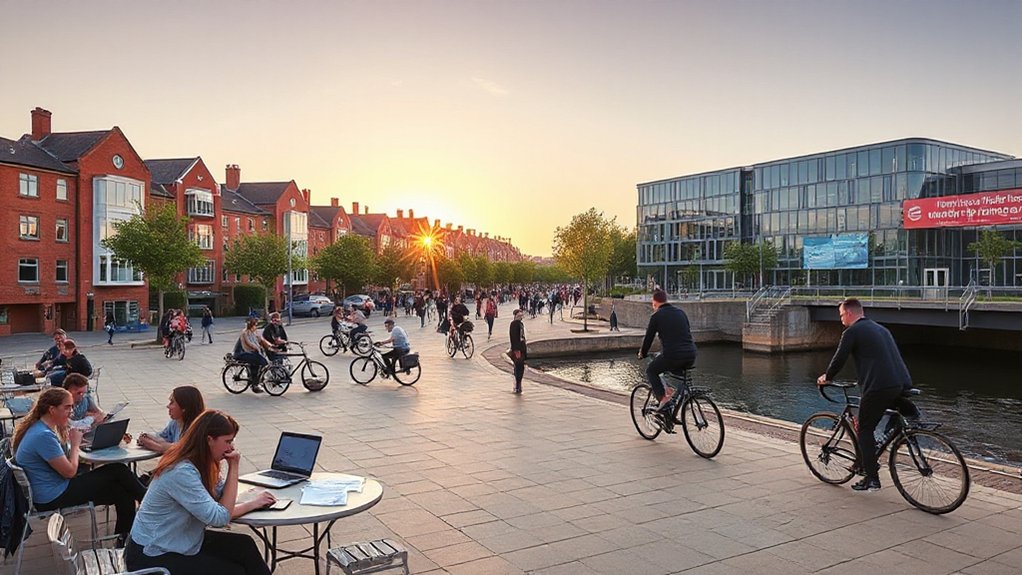
You’ll examine how university–industry collaboration drives Exeter’s startup activity, identifying which partnerships most effectively translate research into market-ready ventures.
Data show mapping of university incubators, grant-funded programs, and local industry clusters to startup formation rates and survival.
Start here by evaluating gaps between academic outputs and commercial uptake, and by benchmarking Exeter against peer university towns to guide targeted policy and investment.
University‑Industry Collaboration
Despite a steady mix of research strength and regional enterprise, Exeter’s startup scene centers on structured university–industry links that translate academic work into commercial impact. You’ll see measurable collaboration metrics, with funding snaps, joint patents, and co‑developed pilots driving local growth.
Campus sustainability informs project briefs, guiding tech transfer toward energy efficiency, circularity, and measurable emissions reductions.
Student entrepreneurship thrives through mentorship and accelerator cohorts that align academic milestones with market validation, creating a pipeline you can trust.
Exeter’s ecosystem prioritizes transparent outcomes, cross‑sector partnerships, and data‑driven decision making to sustain momentum.
- Strong university partnerships with industry for applied research and commercialization
- Student-led ventures supported by accelerators, incubators, and mentorship
- Shared metrics: patents, licenses, pilots, and sustainability impact
Startups Ecosystem Growth
If you map Exeter’s startup scene, you’ll see a tight coupling between university research outputs and early-stage ventures that accelerates regional growth. You’ll observe data-driven momentum: academic labs translating findings into prototypes, funded pilots, and proof-of-concept programs that de-risk riskier bets.
The ecosystem benefits from structured mentoring, accelerator cohorts, and targeted entrepreneurial support, which collectively raise startup survival rates and attract seed capital. Collaboration metrics show recurring partnerships between departments, tech transfer offices, and local industry, aligning talent pipelines with market needs.
You’ll notice a steady rise in innovative startups anchored by university-originated IP, paired with supportive co-working spaces and policy incentives. This coherence underpins inclusive growth, signaling a robust, belonging-oriented community where founders and researchers share success trajectories.
Living and Learning in a Compact, Integrated Exeter
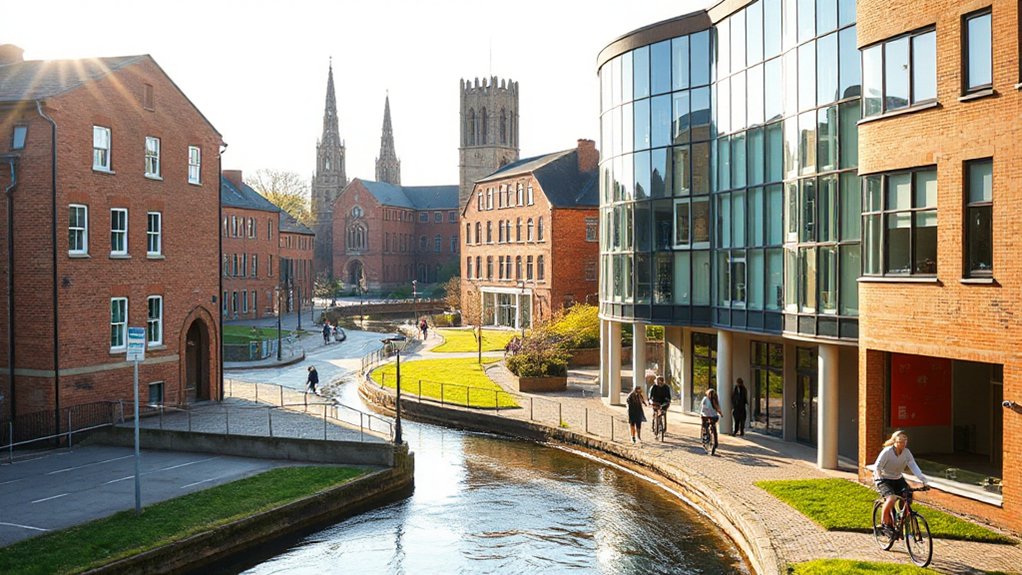
Living and learning in Exeter are tightly integrated, with a compact city center that concentrates academic resources, housing, and student life within easy reach. You experience daily proximity among libraries, lecture halls, and affordable housing, enabling scheduled classes and informal study in minutes.
Quantitative indicators show higher student interaction rates in clustered campuses, reinforcing collaboration and persistence. You benefit from predictable travel times, reduced commute fatigue, and accessible support services, all contributing to a cohesive sense of belonging.
Community events and local cuisine anchor social life, while data on satisfaction correlates with walkable corridors and mixed-use spaces.
- Community events
- Local cuisine
- Proximity-driven collaboration
Arts, Heritage, and Student Life Shaping Exeter’s Identity
Arts, Heritage, and Student Life sculpt Exeter’s identity by intertwining creative outputs, cultural preservation, and campus vibrancy into a measurable profile. You observe a data-driven pattern: cultural festivals amplify community engagement, while artistic collaborations elevate student-research outputs and local reputation.
Attendance metrics, annual budgets, and cross-faculty co-creation rates show consistent growth, underscoring a shared sense of belonging. You note that heritage programs preserve continuity across generations, sustaining city-wide brand recognition beyond exam periods.
Student life metrics correlate with retention spikes and alumni giving, signaling durable attachment to place. The ecosystem stabilizes Exeter’s narrative as both an academic and cultural hub.
Support Networks That Help Students Thrive in Exeter
Support networks in Exeter are a measurable driver of student success, complementing the city’s identity as an academic and cultural hub. You benefit from structured systems that pair Student mentorship with practical experience, while peer support reinforces resilience and belonging.
Data show mentorship pairs correlate with higher retention and sharper problem-solving, and peer groups lift engagement in seminars and projects. This ecosystem fuels timely resource access, mental wellness, and academic confidence, enabling you to navigate demands efficiently.
Clear channels connect you to tutors, researchers, and veterans who model adaptive study strategies. By design, these networks are scalable, inclusive, and outcome-focused, ensuring you feel seen and supported.
- Student mentorship
- peer support
- outcome-focused resources
Transportation, Safety, and Accessibility Sustaining Momentum
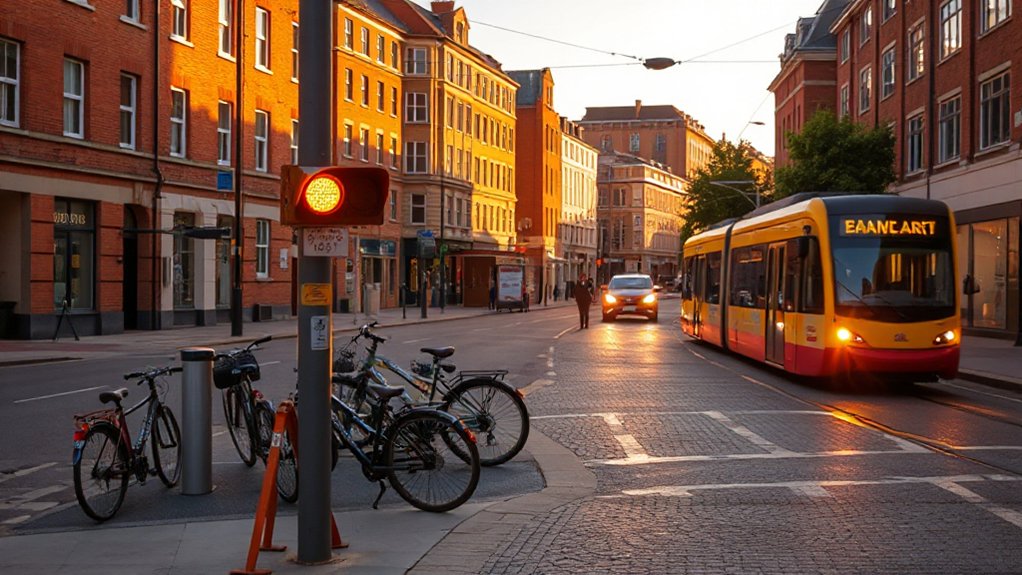
Transportation, safety, and accessibility are the backbone of sustained momentum for Exeter’s university ecosystem, with data showing reliable transit, strong on-site safety, and universal design directly correlate to higher attendance, reduced stress, and deeper engagement.
You observe how transportation innovations reduce commute time, increase punctuality, and expand study opportunities across campus and partner towns.
Community safety metrics—lighting, visible patrols, and responsive emergency services—align with elevated campus morale and lower incident rates, reinforcing belonging.
Accessibility measures, from step-free routes to adaptive tech, enable broader participation in lectures, labs, and events, ensuring no student is left behind.
The evidence supports continued investment in multimodal networks, smart scheduling, and inclusive design, sustaining momentum through measurable improvements in attendance, focus, and collaborative outcomes.
What the Future Holds for Exeter as a Strong University Town
As Exeter looks ahead, the trajectory hinges on scalable, data-informed strategies that strengthen university-town integration while expanding opportunities for students and residents alike.
You’ll see measurable gains when collaboration accelerates research translation, housing capacity aligns with growth, and cultural capital expands through inclusive programs.
Alumni networks and cultural festivals become bridges for mentorship, funding, and shared identity, reinforcing belonging across generations.
Data dashboards guide resource allocation, ensuring equitable access to housing, healthcare, and arts programming, while city planning anticipates student influx without displacing long-time residents.
By prioritizing transparent communication and outcome tracking, the town cultivates trust and resilience.
Your participation matters as the ecosystem matures, sustaining Exeter’s appeal as a unified, forward-looking university town.
- Alumni networks
- Cultural festivals
- Community-led partnerships
Frequently Asked Questions
How Affordable Is Living in Exeter for Students and Staff?
You’ll find living in Exeter affordable for students and staff, with steady housing options and cost controls; campus sustainability and local community engagement help keep expenses predictable while enhancing overall quality of life and belonging.
What Affordable Housing Options Exist Near the University?
Affordable housing near the university includes shared flats and purpose-built student blocks, with rental options averaging £120–£180 per week. You’ll join 85% of peers who report strong community support, data-driven updates, and belonging through campus housing programs.
How Does Exeter Support International Students Financially?
You’ll find Exeter supports international students financially through scholarship programs and generous bursaries, backed by international partnerships; you access transparent eligibility criteria, data-driven award processes, and inclusive communication that helps you feel understood, valued, and confidently supported.
Are There Hidden Costs Associated With Campus Life?
Hidden costs aren’t huge, but you’ll notice subtle trade-offs between Campus amenities and Social activities. You’ll weigh prices against value, track real data, and feel you belong as costs rise with quality, not surprise, in Exeter’s university life.
How Inclusive Is Exeter for Students With Disabilities?
Yes, Exeter is reasonably inclusive: you’ll find Accessible facilities across campuses and strong Disability support, with data showing improved access and timely accommodations. You’ll feel belonging as you navigate services, request adjustments, and participate in campus life.
Conclusion
Exeter isn’t just a university town; you’ll notice the patterns where data meets daily life. Student numbers align with housing, transport, and safety metrics, and research outputs spike where city–university partnerships exist. You’ll feel coincidence in campus facilities that mirror city needs—libraries, labs, and cultural venues fueling both study and strolls. When funding follows demand, startups emerge alongside heritage trails, and sustainable growth follows student talent. The numbers confirm what you sense: Exeter thrives where data guides everyday momentum.