

Choosing a reliable general contractor starts with a solid screening: verify licenses and insurance, then check references and past projects to confirm on-time, on-budget performance. Demand a clear scope with milestones, a documented change-order process, and a transparent budget with contingencies. Assess safety practices, subcontractor vetting, and a centralized project log for decisions. Establish strong communication roles, regular progress reviews, and upfront risk plans. If you keep these guardrails, you’ll reduce surprises and stay aligned with your goals. More tips await.
Decide Before You Hire: The Core Criteria for a Reliable GC
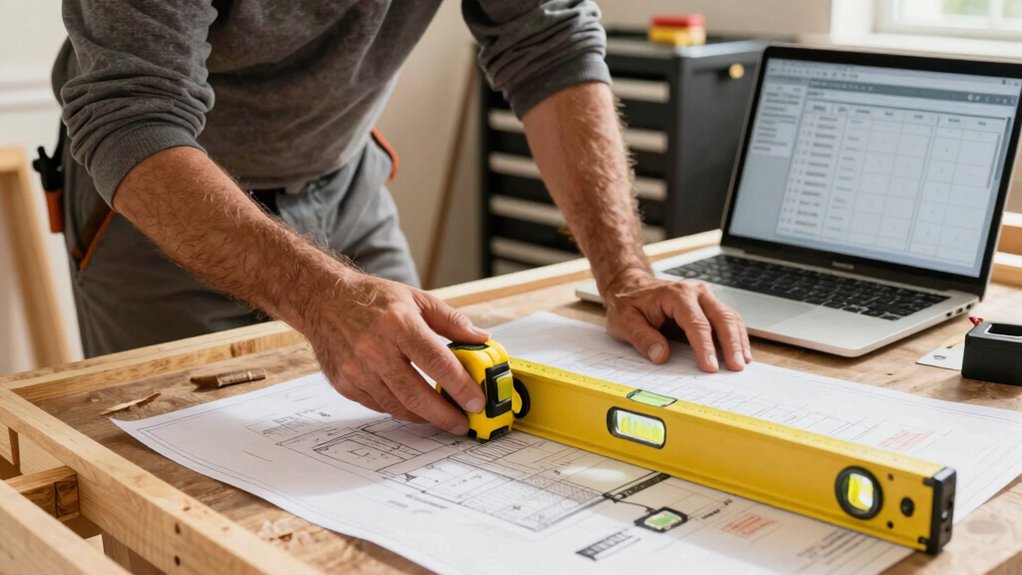
When you’re choosing a general contractor, start by defining the core criteria that matter most to your project. You’ll evaluate track record, communication cadence, and a proven process for risk mitigation.
Prioritize reliability over bravado, and demand verifiable references with specifics on schedule adherence and budget outcomes. Your decision hinges on a credible plan for budget planning and material selection, integrated into a transparent cost structure.
Require a detailed scope, phased milestones, and clear change-order protocols to prevent scope creep. Check subcontractor vetting, safety records, and lien protections.
Demand consistency between bid proposals and actual performance, plus access to project dashboards you can monitor in real time. With disciplined criteria, you empower yourself to secure predictable results and lasting value.
Verify General Contractor Licenses and Insurance You Can Trust
First, verify licenses thoroughly by checking with the issuing authority and confirming they’re current and valid for your project.
Next, confirm insurance coverage details, including general liability and workers’ compensation, and request certificates that name your project as an additional insured where applicable.
This upfront due diligence reduces risk and sets a measurable baseline for reliable performance.
Verify Licenses Thoroughly
To verify a general contractor’s licenses and insurance, start by checking with the state licensing board and the insurer directly to confirm current status, validity, and any disciplinary actions. You’ll verify license numbers, class, and expiration dates, then cross-check ownership and firm name consistency.
Demand proof of active liability and workers’ compensation coverage, and verify policy limits align with project scope. Document contact names, dates, and reference numbers for every confirmation.
Evaluate licensing history for unresolved violations, and note any consent orders or probation terms. When you review bids, insist the contractor supply a current, verifiable license and certificate of insurance before work begins—then map this against project scheduling and material selection plans to prevent delays and cost overruns.
A disciplined approach protects your investment and timeline.
Confirm Insurance Coverage
Is it possible to confirm your contractor’s insurance coverage quickly yet thoroughly before any work begins? Yes—you methodically verify, not guess.
Start with a current certificate of insurance and require it to name your project as an additional insured and loss-payee where appropriate. Check the insurer’s financial strength and policy limits to ensure you’re protected for the full scope and duration of work.
Demand primary liability coverage and workers’ compensation, with no gaps in dates. Conduct insurance verification by calling the insurer directly, not relying on copies alone.
Review endorsements, waivers of subrogation, and project-specific terms. Maintain a written record of coverage confirmation and renewal dates, and revisit whenever plans change.
These steps prevent exposure, empower decisions, and safeguard your investment.
Check Local Reputation: References and Past Projects
A solid reputation isn’t a rumor; it’s built on documented performance, so start by gathering references and reviewing past projects.
You’ll verify local reputation by contacting previous clients, inspecting completed work, and noting consistency in quality, timelines, and cleanup. Prioritize references that discuss real outcomes: on-budget delivery, problem solving, and responsiveness to change orders.
Visit sites if possible, assess workmanship, materials used, and adherence to safety standards. Cross-check with the contractor’s portfolio, asking for before-and-after photos, permits, and inspection records.
Compile a concise scorecard: communication clarity, reliability, and long-term durability.
Synthesize feedback into a clear picture of reliability. With this evidence, you’ll move confidently to confirm fit, align expectations, and minimize risk.
local reputation, references and past projects.
Understand the Project Timeline: Start-to-Finish Milestones
Understanding the project timeline from the start sets expectations and keeps everything on track; you’ll map milestones, assign owners, and build buffers for potential delays.
You’ll align the project scope with clear sequence milestones, so every phase—from design to completion—has measurable targets. As you define start dates, critical-path tasks, and dependencies, you gain predictable flow and tighter control.
Prioritize decisive decisions on material selection early, because late changes ripple through schedules. Document stage gates, deliverable criteria, and approval checkpoints, then monitor progress against them with disciplined cadence.
Build in contingency buffers for weather, supply gaps, or permitting hiccups, preserving momentum. With a power-driven timeline, you maintain authority over cost implications, resource allocation, and quality outcomes, ensuring the final result reflects deliberate, professional execution.
Clarify Budgeting: Estimates, Contingencies, and Payment Terms

Establishing a clear budget up front keeps the project grounded in reality: start with thorough estimates, include sensible contingencies, and lock in favorable payment terms. You’ll set a solid baseline by detailing material, labor, and permitting costs, then attach realistic buffers for unknowns.
Budget planning means allocating funds for critical risk items without crippling momentum. Clarify how changes affect the total, and define who bears those costs before work begins.
Specify payment scheduling that rewards progress and accountability, not excuses; tie invoices to measurable milestones, exact deliverables, and approved change orders. Demand transparent documentation: line-item estimates, contingency plans, and a predictable cascade of billings.
With disciplined budgets, you control scope creep, protect cash flow, and keep decision tempo decisive. You win when financial clarity keeps every phase efficient.
Compare Bids Without Losing Sleep: What to Look For
When you compare bids, focus on both the components and the conditions that guard you against surprise change orders. Look for clear line items, unit prices, and assumptions.
Plus, check for a stated process for handling changes. A bid that anticipates scope shifts and ties them to costs helps you evaluate reliability, not just price.
Compare Bid Components
How do you spot genuine value in bids? You compare bid components methodically, separating what’s essential from what’s superficial. Start with material quality: demand specifics, brand names, grades, and warranty terms. A lower price that hides subpar materials will erode value fast, so insist on itemized line items for every component.
Next, scrutinize labor, timelines, and contingencies; differentiate between realistic schedules and padded estimates. Design aesthetics matter, but tie them to costs—confirm drawing approvals, finish schedules, and hardware upgrades against a clear scope.
Check equipment and subcontractor plans, noting who’s responsible for install quality. Evaluate the riskiest line items, request alternative options, and compare impact on total cost.
Request a side-by-side, total-first overview to ensure you’re paying for durable, consistent execution, not guesswork.
Guardrail Against Change Orders
Guardrails against change orders start with clear expectations baked into the bid. You compare bids by checking scope definitions, exclusions, and pricing logic, so you don’t drift into ambiguity later. Demand a detailed baseline plan: materials, labor, sequencing, and milestone criteria, with explicit accepted deviations only when approved in writing.
Insist on documented change-order processes that require written authorization, cost estimates, and time impacts before work proceeds. Consider insurance pitfalls—verify coverage levels, liability limits, and subcontractor proof—so you’re not exposed to unexpected claims.
Acknowledge licensing pitfalls too: confirm the contractor’s licenses, permits, and compliance history, ensuring no red flags surface during execution. This disciplined framework lets you wield power, preventing scope creep while preserving schedule, budget, and project integrity.
Examine the Contract: What Should Be Included
A solid contract is your roadmap: it should spell out what’s expected, when things happen, and who’s responsible for each step. You’ll want precise scope, milestones, and accepted standards so disputes stay minimal. Include a detailed payment schedule tied to tangible progress, plus consequences for delays or incomplete work.
Specify material selection processes, approved brands, substitutions, and lead times to prevent slowdowns. Define timelines, inspection points, and acceptance criteria to keep momentum intact. Require a clear chain of command, with designated roles for the general contractor, subcontractors, and you as owner.
Address change orders, overruns, and warranty coverage upfront. Ensure risk allocation, insurance, licenses, and permits are documented. Clarify subcontractor coordination responsibilities to minimize overlaps and confusion.
Define Your GC Communication Plan: Contacts and Updates
Establish a clear, accountable communication plan so you’re always in the loop and decisions don’t stall. You map roles, channels, and cadence, so nothing slips through the cracks.
Define primary contacts for daily updates and executives for strategic decisions, with backup contacts in case someone is unavailable.
Set expectations: preferred methods (text, email, project app), response times, and escalation rules for urgent issues.
Schedule regular progress reviews and formal change notices, so every shift in scope is documented and approved.
Build a simple, centralized log for decisions, deadlines, and approvals—accessible to you and key stakeholders.
Emphasize communication planning and contact updates in every briefing to maintain momentum, accountability, and control over budget, schedule, and quality outcomes.
Insurance, Permits, and Code Compliance: Who Handles What

You’ll want clear ownership of insurance responsibilities, with the contractor carrying general liability and workers’ comp. You should verify each policy meets project needs.
Determine who’s handling permits and how permit milestones align with construction phases. This includes considering timing, fees, and any site-specific approvals.
Finally, establish who oversees code compliance, how inspections are scheduled, and how deviations or violations are addressed to protect your project and budget.
Insurance Responsibilities Clarified
How do you know who’s responsible for insurance, permits, and code compliance when you’re choosing a general contractor? You’re about to establish clear boundaries, so let’s be precise.
Demand documented proof of liability coverage, with the policy limits clearly stated and named insured. Verify that your contractor carries general liability and workers’ compensation, and confirm the insurer’s contact for claims.
Insist on certificates of insurance for every subcontractor, not just the prime contractor. Clarify who handles insurance claims and how they’re reported—timelines, notice requirements, and defense rights.
Avoid gaps by reviewing endorsements, exclusions, and cancellation terms. This disciplined approach protects your project from costly disputes and ensures you retain control over risk management, while the contractor maintains an unbroken, enforceable liability framework.
Permits Handling Roles
Permits, insurance, and code compliance can be a three-legged stool if roles aren’t clearly assigned; define who handles each task up front to prevent delays and disputes. You’ll want a clear owner-responsibility map: who secures permit approval, who manages insurance certificates, and who tracks zoning requirements.
Your contractor should coordinate with the permitting authority, submit plans, and respond to if/when corrections are requested. You, as the client, confirm coverage specifics and ensure policy language meets project risk.
Establish timelines, milestone holds, and documentation expectations to avoid back-and-forth. Avoid ambiguity by recording decisions in writing, including permit status, applicable zoning rules, and required approvals.
This disciplined approach preserves schedule integrity and demonstrates control, reducing friction with inspectors and stakeholders during execution.
Code Compliance Oversight Allocation
Code compliance oversight is a concrete extension of the permits and insurance framework you’ve set up. You’ll define who reviews, signs off, and tracks changes—so responsibility is clear and accountability is immediate.
In practice, code oversight marries your project plan with jurisdictional demands, ensuring inspections align with the schedule, not after the fact.
Establish a formal compliance allocation: designate the contractor or a trusted project manager for on-site verification, designate the designer for plan coordination, and assign you as the owner liaison for escalation.
Document every inspection, deficiency, and correction, and require timely corrective action before proceeding. This approach minimizes rework and protects your timeline and budget.
With deliberate code oversight, you retain leverage, clarity, and measurable control over outcomes.
Safety on the Job Site: Practices You Can See
On any job site, safety practices you can see are the backbone of a protected work environment. You observe how containment, orderly staging, and clear walkways prevent disruptions and injuries. You verify that safety gear is worn consistently—hard hats, gloves, eye protection, and sturdy boots—without exception.
You scan for hazard signs, posted at every entry, alerting you to energized equipment, hot surfaces, or restricted zones. You expect fall protection where needed, guarded edges, and properly secured ladders. You notice housekeeping that minimizes trip hazards and keeps tools off the ground.
You demand trained spotters during material lifts and consistent communication of shifts and risks. You value proactive inspections, immediate corrections, and documented near-miss reporting, ensuring a disciplined, safety-forward workflow that preserves progress and protects everyone.
Subcontractors: Vetting the Team Behind the Work
Subcontractors are the backbone of a solid project, so you vet them with a clear, methodical checklist: verify licenses and insurance, confirm workers’ comp coverage, and guarantee the team’s qualifications align with the work scope.
You should also assess track records, references, and portfolio relevance to your specific project. Prioritize subcontractor selection criteria that reflect durability, accountability, and on-time delivery, then document expected milestones, change protocols, and communication cadence.
Demand explicit safety certifications and adherence to code standards, and verify bonding where appropriate. Conduct interviews focused on problem-solving and reliability, not just price.
Your team vetting process must produce a concise pre-qualification profile, a risk matrix, and a clear escalation path, ensuring alignment with overall project goals and timelines.
Change Management: How Changes and Extras Are Handled

Change orders establish how you handle scope changes and price adjustments, so you’ll want clear processes for when extras arise. Start with a simple change order basics framework, specify who approves changes, and set expectations for timelines and costs.
Maintain documentation and tracking so every adjustment is documented, traceable, and finally resolved.
Change Order Basics
Change orders are the formal mechanism you’ll rely on to handle scope changes, price adjustments, and schedule shifts without derailing a project. You’ll establish a clear process: document the requested change, assess impact on cost estimation, revise the budget, and secure written approval before proceeding. This keeps accountability front and center and prevents scope creep from eroding outcomes.
Track each change against baseline timelines and cash flow, so you won’t be surprised by delays or overruns. When evaluating a change, review material selection implications, lead times, and reliability, ensuring selections align with performance goals and durability.
Communicate decisions promptly, log all related documents, and preserve a single source of truth for the project’s progression. Power comes from disciplined, transparent change control.
Extra Work Protocols
When extra work arises, you’ll activate a disciplined protocol to capture, price, and approve it before it affects the schedule or budget. You establish a formal change request, note the scope, and define impact on time, cost, and resources.
A dedicated owner reviews the proposal, cross-checking with plans and permits, then presents options with quantified tradeoffs. You require written consent before any price change is recorded, and you lock the baseline schedule to prevent drift.
Clear communication centers on material selection and aesthetic considerations, ensuring decisions align with design intent and contractor capability. Your process preserves accountability, minimizes disruption, and sustains momentum.
This control reinforces reliability, demonstrates leadership, and delivers predictably superior results for every project phase.
Documentation And Tracking
Documentation and tracking are the backbone of effective change management; you’ll implement a disciplined, auditable process to capture every request, assign a unique identifier, and log all details from scope to approval.
You’ll establish clear criteria for changes, prioritize by impact, and enforce sign-offs before work begins. Your system preserves accountability, reduces scope creep, and speeds decision cycles.
In practice, you’ll document every alteration, attach supporting photos or drawings, and record costs against a centralized project ledger for immediate reference. Warranty documentation accompanies each change package, ensuring warranties stay valid and traceable.
Project tracking remains rigorous: update timelines, budget impacts, and responsible owners in real time, enabling proactive risk mitigation and authoritative status reports for stakeholders.
This disciplined approach delivers predictability, control, and measurable project outcomes.
Quality Assurance: How They Meet Standards
Quality assurance is the backbone of reliable construction, and a good general contractor makes it visible at every step. You’ll check standards through a disciplined system: clear specs, proven processes, and traceable results that align with your project goals.
You’ll demand rigorous material testing, independent inspections, and documented quality control checkpoints at key milestones. You’ll validate that selected materials meet durability requirements and that installation methods preserve performance over time.
You’ll require consistent workmanship, precise scheduling, and accountability for deviations with immediate corrective actions. You’ll assess both material durability and aesthetic appeal early, ensuring design intent isn’t compromised by short-term expedients.
You’ll demand transparent reporting, defect resolution timelines, and post-construction warranties that reflect real confidence in the finished product.
Red Flags That Should Make You Walk Away
Red flags aren’t excuses to renegotiate—they’re deal-breakers you can’t ignore. When you’re vetting a contractor, listen for telltale signs that threaten control, timelines, and budget integrity.
If they dodge questions about costs or commit to vague “ranges,” walk away. Persistent schedule shifts without documented reasons signal mismanagement and a lack of accountability.
Watch for design conflicts that aren’t resolved with transparent, written decisions—this sabotages ownership and inflates change orders.
Be wary of low bids anchored by hidden allowances or underspecified scopes; they predict budget overruns, not savings.
Reputations matter; insist on a proven process, clear milestones, and written change protocols.
If anything feels rushed, inconsistent, or evasive, disengage now and secure a contractor who demonstrates discipline, precision, and unwavering alignment with your objectives.
Milestones and Sign-Offs: Building Trust Through Progress

After you’ve weeded out unreliable bidders, the next guardrail is establishing clear milestones and formal sign-offs. You set specific project milestones that align with your goals, budget, and schedule, then require written approval before moving forward. This isn’t a courtesy; it’s a control mechanism that preserves momentum and accountability.
Each sign-off confirms completed work meets agreed standards, prevents scope creep, and creates a verifiable trail for trust building. Define who signs, what evidence is required (photos, inspections, approvals), and how delays are handled.
Tie payments to documented progress, not promises. Maintain a live schedule, updated weekly, so you can act decisively if deviations occur. With disciplined milestones and sign-offs, you command reliability and keep the project on track toward flawless execution.
Next Steps: The Right Questions to Ask Before Signing
Before you sign, ask these essential questions to uncover risks, clarify expectations, and protect downward cost surprises:
Is the contractor fully licensed and insured, and will coverage stay active through completion?
You’ll want a clear project scope, a fixed or transparent cost structure, and a detailed timeline with milestones.
Inquire about change-order processes, warranty terms, and who holds permits.
Probe the team’s track record on design aesthetics and material sustainability, ensuring alignment with your standards.
Request references from comparable projects and inspect completed work.
Confirm subcontractor credentials, site management practices, and daily communication cadences.
Establish payment schedules tied to verified progress, not promises.
Finally, insist on a written contract that enumerates deliverables, acceptance criteria, and dispute resolution to preserve control throughout the build.
Frequently Asked Questions
How Many Projects Can You Realistically Manage at Once?
You can realistically manage two to three projects at once. You’ll rely on disciplined project management and clear communication strategies, delegating tasks, tracking milestones, and prioritizing issues to maintain quality, speed, and control across every site.
What Specific Licenses and Insurance Do You Hold?
You hold valid licenses and robust insurance; you obtain building permits as needed and stand behind warranty coverage, ensuring compliance, safety, and traceable protection for every project, so you confidently oversee meticulous, power-driven contractor decisions from start to finish.
How Do You Handle Unexpected Site Complications?
Like a seasoned captain, I handle unexpected site complications by prioritizing site safety and clear project communication, updating you promptly, documenting changes, and adjusting plans with disciplined, methodical steps that keep progress steady and stakeholders empowered.
What’s Your Process for Subcontractor Selection?
You vet subcontractors meticulously, then document credentials, insurance, and past performance to guarantee reliability; you conduct interviews, compare bids, and verify references. Your project coordination streamlines timelines, clarifies responsibilities, and preserves quality throughout every phase.
How Will Changes to the Scope Affect Timeline and Cost?
Imagine this: changes ripple through your plan, but you steer. You’ll see timeline shifts and budget impacts during budget planning and design adjustments, as scope grows or tightens; you adjust resources, schedule buffers, and costs with precision.
Conclusion
When you hire a general contractor, you’re buying more than labor—you’re buying reliability. Do the checks: licenses, insurance, references, and a clear contract. Track milestones, insist on written change orders, and demand transparent budgets with contingencies. If a red flag appears, walk away. One telling stat: homes with unresolved change orders average 7% higher final costs. Stay meticulous, document everything, and choose a partner who communicates as steadily as you plan your project.