
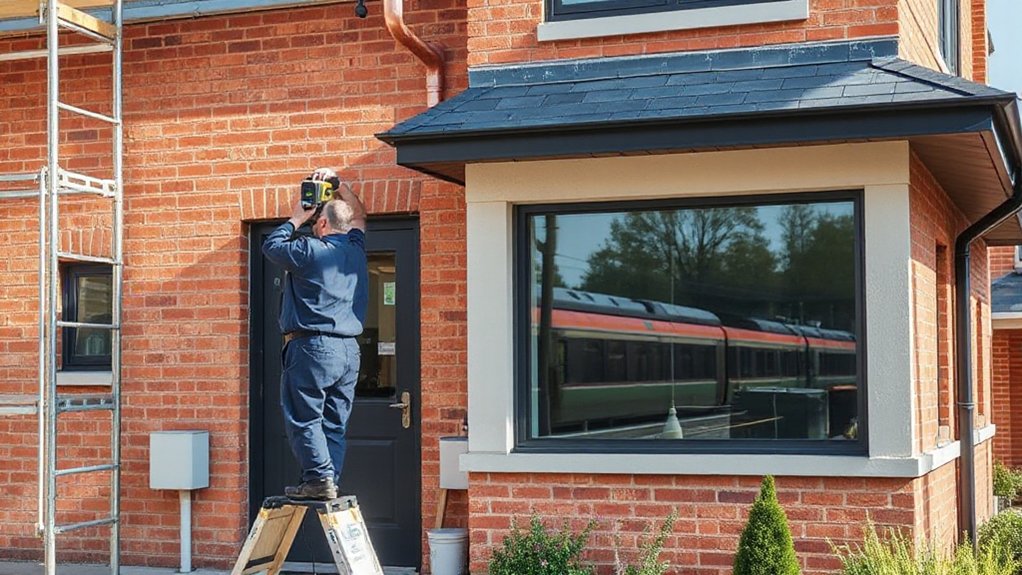
In a high-demand commuter town, you’ll maximize ROI by prioritizing curb appeal, energy efficiency, and functional layouts that attract both buyers and tenants. Secure permits early, build realistic schedules with buffers, and choose trusted contractors. Use data-driven budgets, challenge every quote, and reallocate savings to key upgrades. Stage strategically for your target market—lower maintenance for commuters, with fast, clean turnover. Start with a solid plan, then align your trades and timelines to keep momentum steady. You’ll want to keep pushing forward.
Prioritize ROI Upgrades for a Busy Town
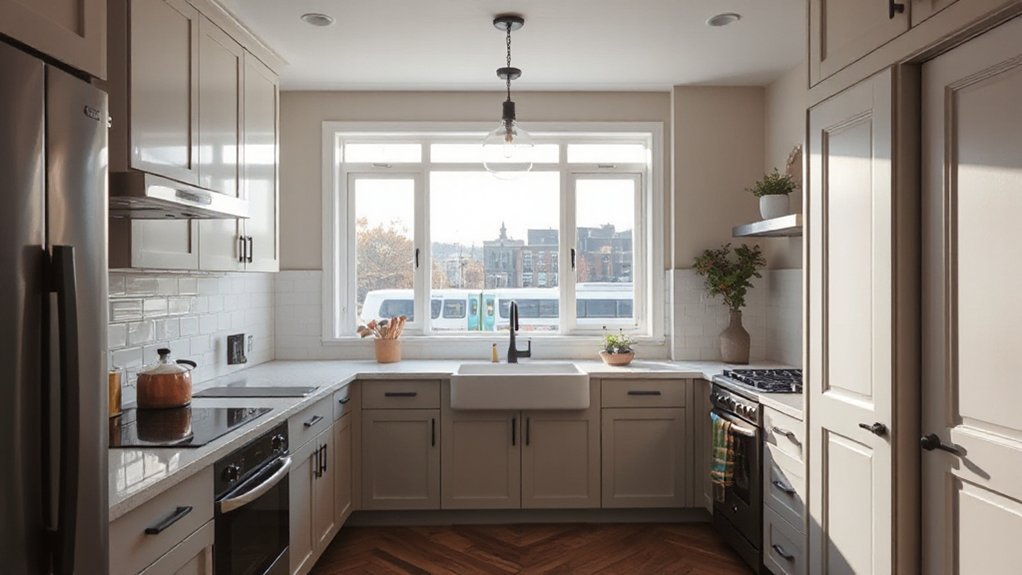
If you’re renovating in a busy, high-demand town, focus on upgrades that drive clear, measurable returns. You’ll prioritize changes with proven ROI, avoiding trendy detours that don’t boost value. Start with curb appeal and energy efficiency, since first impressions and operating costs influence buyer speed and price.
Landscaping improvements add noticeable value with relatively low investment and can shorten days on market when priced right. Next, optimize the interior layout for flow and function, because buyers reward practical spaces over stylistic excess.
Pair that with Interior decor upgrades that feel fresh but timeless, avoiding over-customization. Track costs against expected resale lift, setting benchmarks for completion and quality.
Use data-driven decisions, vet vendors, and target scope creep to protect profit margins.
Nail Permits and Timelines Before You Start
Before you dig in, nail down permits and timelines up front to prevent delays and cost creep. You’ll want to map permit requirements by project phase: rough-in, electrical, plumbing, and final inspections. Check your town’s building department portal for application forms, processing times, and required disclosures. Gather site plans, contractor licenses, and energy-efficiency specs to avoid backtracking.
Build a realistic timeline plan that accounts for permit review windows, potential corrections, and weather gaps. Communicate the expected schedule with your contractor and neighbors to reduce interruptions. Track milestones weekly and adjust based on change orders.
Prioritize permit-readiness tasks that release subsequent work, so you maintain momentum and stay on schedule. This disciplined approach minimizes surprises and supports steady progress. timeline planning, permit requirements.
Build a Budget Playbook: Cost-Saving Tactics That Work
Crafting a Budget Playbook starts with a clear, data-driven approach to spend less without sacrificing quality. You’ll map costs against historical context, so you don’t chase phantom savings. Start with a baseline price reference from recent projects in comparable neighborhoods, then adjust for your town’s specific factors.
Track every line item, and challenge every vendor quote with a two-bid minimum. Use neighborhood trends to anticipate supply delays, price spikes, and alternative materials that deliver similar performance at lower cost.
Prioritize durable finishes in high-traffic areas and batch purchases to cut freight. Build contingencies, but don’t overfixate on perfection—aim for value, not vanity.
Revisit your budget monthly, document lessons, and reallocate savings to essential upgrades that boost resale appeal.
Stage for Demand: Tenants vs. Buyers in a Commuter Corridor
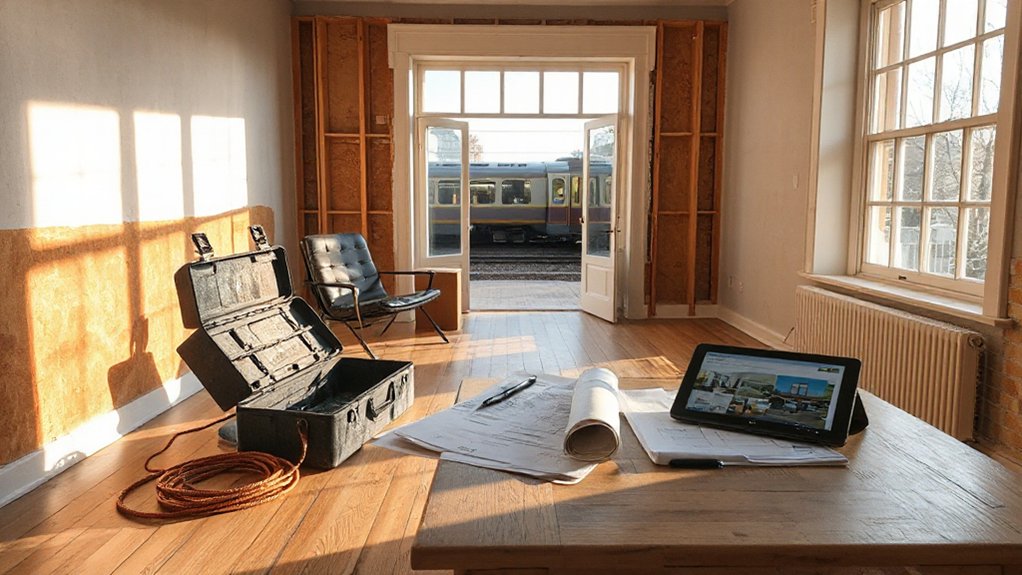
Demand in a commuter corridor hinges on timing and need: tenants seek short-term flexibility, while buyers lock in long-term stability as price and commute balance shift.
You’ll gauge demand by comparing rents, vacancy, and average commute times across nearby towns.
Tenant stability matters: steady rentals reduce turnover costs and vacancies during seasonal shifts.
Track commuter trends, such as peak arrival windows and evolving job locations, to forecast demand pockets.
If you’re seeing rising rents without vacancy pressure, buyers may gain traction as price-to-value incentives improve.
Conversely, robust vacancy relief and shorter commutes favor tenants seeking flexibility.
Structure marketing and unit design to accommodate both scenarios: offer furnished short-term leases for tenants and durable, low-maintenance finishes for buyers.
Align financing, pricing, and incentives with observed demand signals.
Prevent Delays: Reliable Trades and Built-In Schedule Buffers
Why risk delays when trusted trades and smart buffers keep a project on track? You lock in reliability by selecting proven, punctual trades and building in buffers for common hiccups. Base schedules on data: average lead times for materials, worst-case weather, and permit wait periods.
Choose a core team with a solid track record in high-demand markets, and confirm a single point of contact to streamline contractor communication.
Build in phase buffers—allow 10–15% extra time for critical milestones and delivery windows. Favor material selection with off-site fabrication or readily available substitutes to minimize shortages.
Maintain real-time updates, document changes, and enforce contingency plans. With disciplined scheduling and transparent communication, you minimize downtime and maximize on-time completion.
Frequently Asked Questions
How Do You Identify Micro-Neighborhood Demand in a Commuter Town?
You identify micro-neighborhood demand by analyzing neighborhood demographics and Local amenities, then cross-checking transit access, school quality, and price trends. You map data to target buyers, track rental yields, and adjust plans with practical, data-driven insights.
What Lease vs. Sale Timing Maximizes Annual Cash Flow?
“Time is money,” you’ll decide lease timing when annual cash flow peaks. You’ll weigh property taxes and zoning regulations, renting otherwise. You’ll model rents, vacancies, and maintenance, choosing lease vs. sale to maximize steady, data-driven returns.
Which Lenders Offer Fastest Pre-Approvals for Rehab Projects?
You’ll find the fastest pre-approvals for rehab projects through lenders offering flexible Mortgage options and renovation loans. Compare timelines, required documents, and automation capabilities; choose lenders known for quick credit decisions and transparent renovation fund disbursement.
How Can DIY Renovations Impact Resale Value in High-Demand Areas?
You’ll be intrigued: homes with well‑executed DIY improvements see resale value bumps of up to 5–10%. DIY impact depends on quality and scope, so prioritize bathrooms, kitchens, and durable finishes to maximize resale value efficiently.
What Passive Income Upgrades Attract Long-Term Tenants in This Market?
You should prioritize luxury upgrades and eco friendly improvements to attract long-term tenants, focusing on durable materials, energy efficiency, and low maintenance. You’ll enhance value, appeal to stability seekers, and back decisions with practical, data-driven expectations.
Conclusion
In this high-demand commuter town, you’ll maximize ROI by prioritizing curb appeal, energy efficiency, and practical layouts, then lock permits and timelines early. Build a tight budget with real-world buffers, relentlessly challenge quotes, and reallocate savings to impact—like upgrading a boiler or windows that slash bills. Stage your property for the market: meet tenants’ low-maintenance needs or buyers’ move-in readiness. With reliable trades and buffers, you’ll avoid delays and move faster than your competition—it’s practically a superpower.