
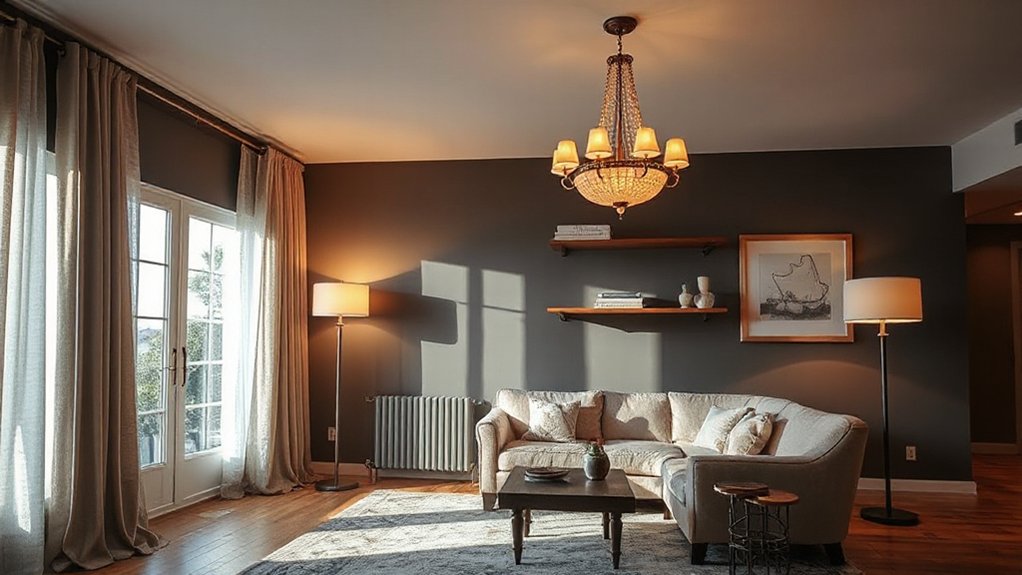
To brighten a dark room, start by identifying problem areas and setting clear brightness goals that fit how you use the space. Layer lighting with ambient, task, and subtle accent lights, using high-CR I LEDs and warm-to-neutral color temperatures. Maximize natural light with sheer window treatments, mirrors, and reflective surfaces, then add adjustable fixtures and dimmers for flexibility. Place ceiling and wall fixtures to eliminate shadows, and try weekend tweaks for an instant lift. You’ll uncover more practical steps ahead.
Identify the Dim Room Problem and Define Brightness Goals
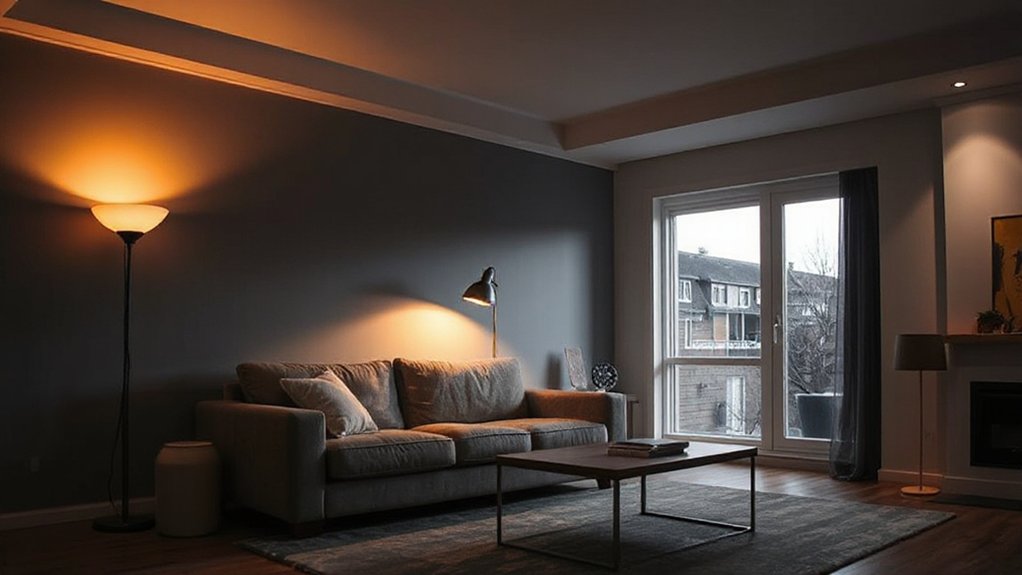
A dim room hides detail and mood, so start by pinpointing where light falls short. You assess the space by intent: what areas feel underlit, and which tasks demand focus? Define brightness goals that align with how you live there, not just how it looks in specs.
Note your room color influences perception; cool whites can feel airy, warm tones cozy, but both shift with shadows. Map lighting zones: ambient for overall glow, task for reading or hobbies, and accent to highlight texture or art.
Set targets per zone, then test with simple sketches or a quick visit to the wall. With clear goals, you’ll design lighting you share gladly, creating belonging through purposeful, cohesive brightness.
Measure Brightness: Lumens, Watts, and Color Temp
To measure brightness effectively, start with lumens for total light output, watts for energy use, and color temperature to set mood.
- Lumens comparison helps you gauge how bright a fixture feels in the room, guiding choices that match your space.
- Watts tell you energy use and operating cost, so you pick efficient options without sacrificing impact.
- Color temperature sets the atmosphere, from warm cozies to crisp concentration zones.
- Consider the layering effect of multiple fixtures to balance ambient, task, and accent needs.
- Test with dimmers and smart controls to tailor brightness and color temperature throughout the day.
This approach keeps your space welcoming while ensuring practical, design-forward illumination.
Layer Lighting: Ambient, Task, and Accent
Layering light means you don’t rely on a single source; instead, combine ambient, task, and accent layers to shape space and function. You’ll create a layered ambiance by balancing general glow with focused illumination for work zones and eye-catching details that guide mood.
Start with ambient light to set the room’s baseline—soft, even, and flicker-free. Add task lighting at desks, counters, and reading nooks where you need clarity.
Introduce accent lighting to sculpt depth, highlight art, textures, and architectural features. Use a lighting hierarchy: cover the room, then zones, then focal points.
Dimmers help you adjust intensity as needed, fostering comfort and belonging. Aim for flexibility, so your lighting evolves with moments, tasks, and gatherings.
This approach feels intentional and welcoming.
Ceiling Lighting for Low Ceilings
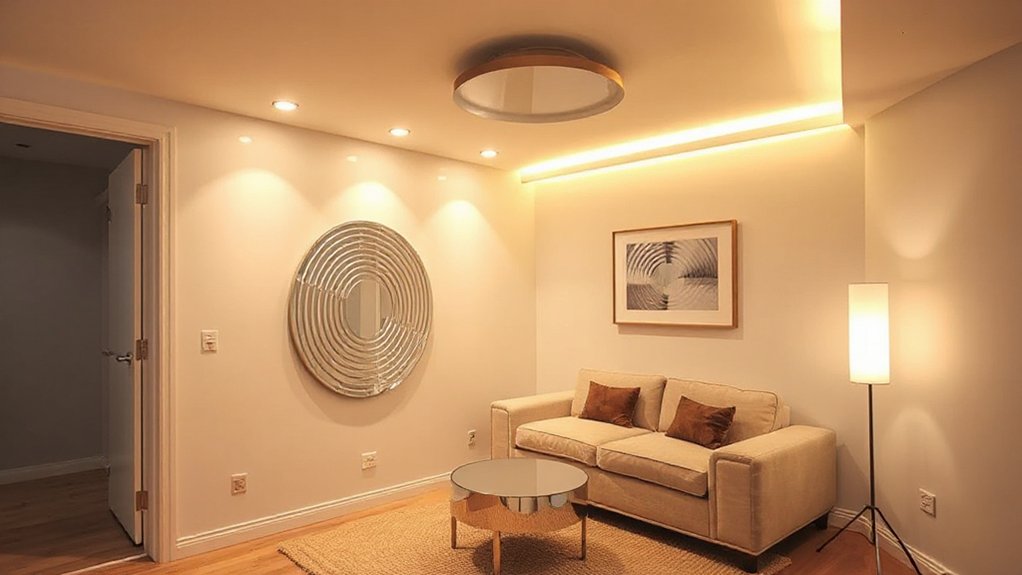
- Prioritize slim pendants or flush mounts that sit close to the ceiling.
- Use high-lumen, color-accurate LEDs for perceived brightness.
- Align fixtures with focal zones to avoid shadows and clutter.
- Check fixture compatibility with your ceiling type and dimmer system.
- Employ indirect layers or wall wash tricks to extend light reach.
This approach respects belonging, helping you feel confident and connected to a brighter, more balanced room.
Recessed and Surface Fixtures for Bright Walls
Recessed and surface fixtures can illuminate bright walls without adding clutter. You’ll map light to wall surfaces with precision, using recessed lighting for clean lines and subtle glow, while surface fixtures offer sculptural warmth along the same planes.
Choose warm white tones to enhance texture without overpowering the space, and align fixtures to highlight architectural features or art. For ceilings, keep spacing consistent to avoid hot spots; for walls, stagger layers to create depth without glare.
Dimmers are your friend, letting you tailor mood from bright daytime clarity to intimate evenings. Consider fixture finishes that echo metal accents elsewhere in your room to reinforce a cohesive, welcoming vibe.
With this approach, your bright walls feel intentional, calm, and inclusive.
Floor and Table Lamps for Warm Corners
Could a floor or table lamp transform a corner into a warm, inviting retreat? Yes. Choose lamps that echo your space’s mood, blending vintage fixtures with modern aesthetics for character and cohesion.
Place floor lamps beside seating to frame conversations, and use table lamps on side tables to soften edges. Aim for warm, dimmable light to invite lingering and comfort.
Balance height, proportion, and shade color to avoid glare while maintaining focus. Consider textures: ceramic, brass, or matte black add depth without clutter.
Grouping lamps creates a cozy vignette, while a single sculptural piece acts as a quiet focal point.
- Floor lamp with adjustable arm for flexibility
- Brass or ceramic base for warmth
- Linen shade to diffuse glow
- Dimmer compatible for mood
- Mixed finishes for visual interest
Under-Cabinet Lighting for Practical Glow
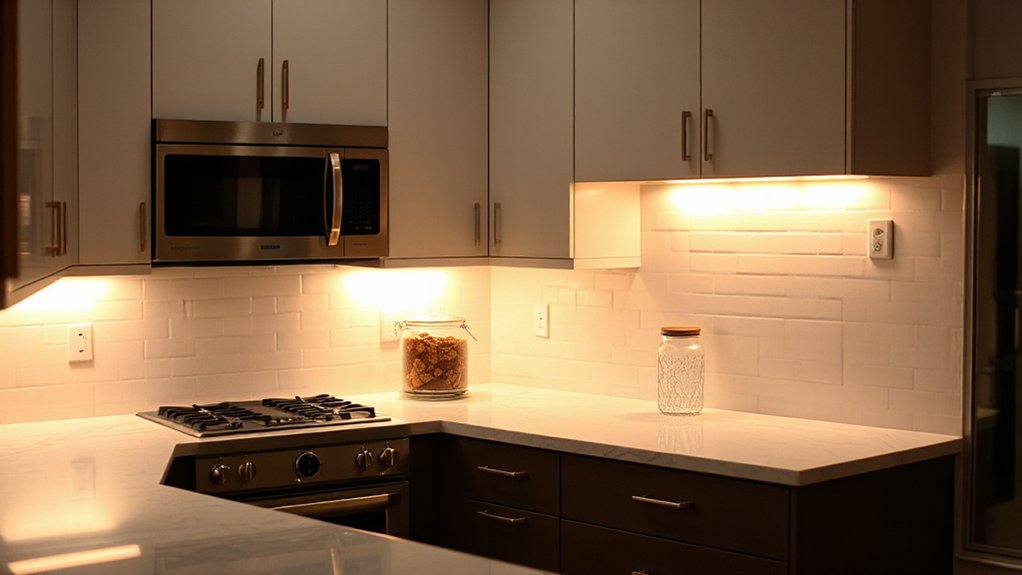
Under-cabinet lighting gives you targeted brightness where you cook and prep, so you can see details clearly without glare. Start with even, low-profile strips to avoid hotspots.
Aim for brightness that’s enough to illuminate work surfaces without washing out colors. The practical glow supports healthier tasks and can boost overall kitchen ambience by highlighting textures and finishes.
Under-Cabinet Brightness Tips
To get practical glow from your under-cabinet lighting, prioritize brightness that matches task needs and avoid glare by choosing diffused fixtures.
- Align brightness with specific tasks for safer, clearer prep
- Emphasize even, diffuse light to reduce hotspots
- Use dimmable LEDs to adjust mood and focus
- Favor cool-white tones for crisp kitchen task lighting
- Install low-profile fixtures to keep sightlines clean
With thoughtful layering, you’ll feel a shared sense of belonging in your kitchen, where every surface is legible and inviting. Under cabinet brightness tips guide you toward efficiency without sacrificing ambiance, while kitchen task lighting sharpens every cut, chop, and spill-proof moment.
Your space becomes practical, welcoming, and confidently lived-in.
Practical Glow Benefits
Practical glow from under-cabinet lighting delivers immediate task clarity and a calmer kitchen atmosphere. You’ll notice sharper counter workspaces, reduced shadows, and a sense of organized flow that invites you to cook, prep, and clean with confidence.
Choose LED strips or bar lights that pair with a dimmer for adaptable mood and energy savings. Focus on color temperature around 2700–3000K for warm, welcoming light that feels like belonging.
Position fixtures close to the working surface to minimize glare while maximizing utility. For lighting efficiency, select high-CRI LEDs and resist bare, overpowering brightness.
Integrate switches or smart controls with your existing layers of light so you can tailor the glow to tasks, timing, and company—without clutter.
How Color Temperature Shapes Room Perception
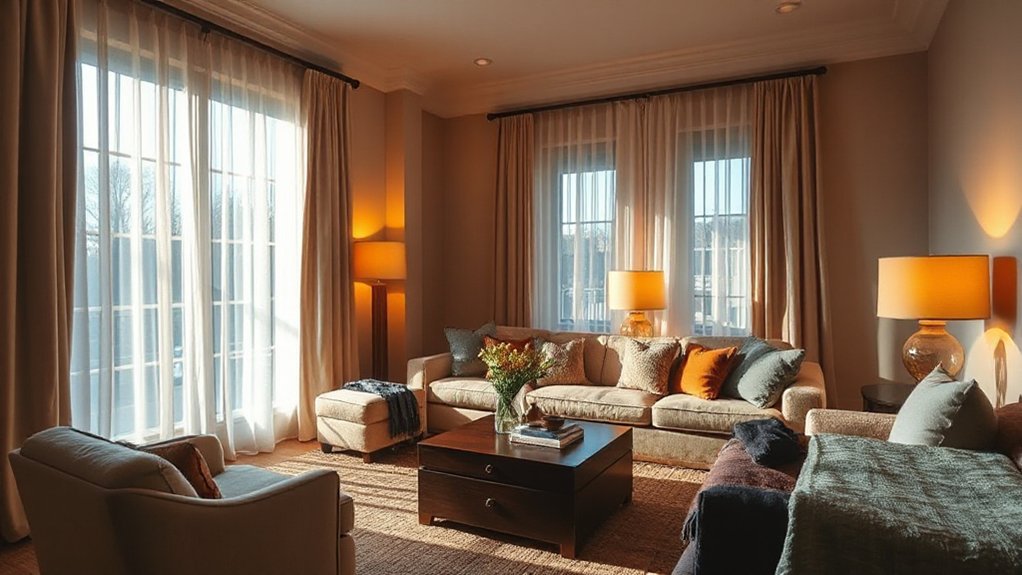
Color temperature shapes how a room feels and how its colors read, so choosing the right hue matters as much as brightness. You’ll notice warmer temps cozying a space, cooler temps sharpening details, and everything in between shaping mood.
Perception psychology explains why two rooms with identical paint feel different under the same light: temperature guides narrative, not just visibility. Use this to craft belonging—spaces that invite linger, conversation, and comfort.
- Align color temperature with function: warm for gathering, cool for focus
- Test bulbs at eye level to gauge real impact
- Group lighting by zone to sculpt depth and intimacy
- Consider daylight shifts for balanced perception
- Pair temperature with color accents for cohesive vibe
Strategic Wall Lighting to Brighten Walls
Wall panels and bare walls can feel flat if you don’t light them intentionally. To brighten a space, place low-contrast wall sconces high on the wall, aiming light downward and upward to reduce harsh shadows and create subtle depth.
Use multiple sconces in a staggered arrangement to evenly wash surfaces without glare, especially on large boards or bare plaster. Consider a warm, neutral color temperature so paint reflections enhance wall tone rather than compete with furniture.
Avoid overpowering fixtures that wash out details; instead, highlight texture, molding, or artwork with targeted tracers of light. Balance brightness with nearby furniture to prevent flat reflections, and test at different times of day.
Your goal: walls that feel intimate, expansive, and connected to the room.
Dimmer Switches for Mood Control
Dimmer switches let you tailor mood as easily as you adjust light level. You’ll feel included when you choose a setting that suits the moment, from cozy evenings to focused tasks. Dimming technology lets you fine‑tune brightness without changing fixtures, keeping your space cohesive. Mood lighting becomes a design feature, not a compromise.
- Create zones with compatible fixtures for tailored ambiance
- Pair warm tones with lower levels for intimate gatherings
- Use smooth dimming to reduce glare on screens
- Schedule presets for living, dining, and reading
- Combine dimmers with layered accents to enhance texture
Energy-Efficient Options That Stay Bright
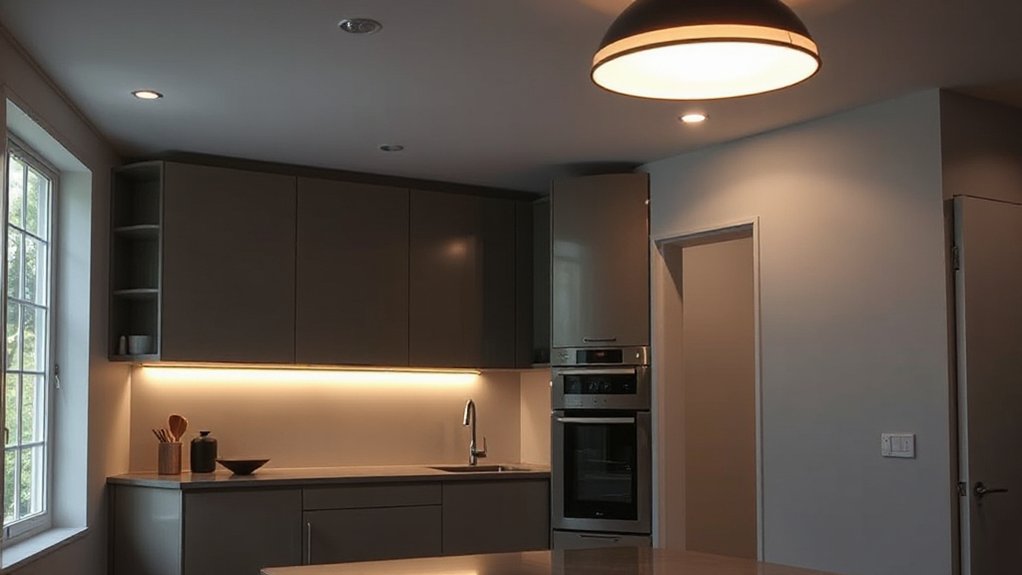
Energy-efficient lighting can stay bright without sacrificing clarity or mood. You’ll gain clarity with LEDs that render color well and reduce glare, so spaces feel open and inviting. Choose bulbs labeled high lumen per watt and with a long rated life to minimize replacements and interruptions.
Prioritize smart or dimmable options for when you want ambiance without wasting energy, and pair them with well-planned fixtures to maximize distribution.
Opt for daylight-mimicking temperatures (around 3000–4000K) to keep rooms lively and cohesive.
Practice energy conservation by using zoning and timers, so each area only lights when needed. This approach supports bulb longevity and helps you build a brighter, more intentional home.
Finish and Color Choices That Reflect More Light
Choose finish options that reflect light, like glossy whites or light neutrals, to bounce more illumination around the room.
Pair light-reflecting colors with high-contrast trims to amplify brightness without adding fixtures.
Focus on brightness-enhancing finishes that align with your design, so spaces feel open and energized.
Finish Options That Reflect
If you want a brighter room, opt for finishes and colors that reflect rather than absorb light. You’ll gain bounce and clarity when you choose finish options that kiss walls with a luminous edge. Reflective surfaces amplify daylight and create a sense of space you can feel. Implement practical choices that stay cohesive with your style.
- Light-reflected paint sheens (eg. satin, eggshell)
- Polished wood or laminate floors with a subtle gloss
- Glass or acrylic tabletop accents
- Metal trim and hardware in brushed or polished finishes
- Mirrored or high-gloss cabinet fronts for depth
These moves foster belonging by inviting warmth, collaboration, and shared moments around well-lit spaces. Finish options set the stage for brighter rooms with lasting comfort. Reflective surfaces complete the effect.
Light-Reflecting Color Choices
Opt for low-saturation bases to prevent glare while maintaining depth. Pair with brighter accents in textiles, artwork, and furniture to create focal points that guide the eye.
Reflective surfaces, like satin or eggshell finishes, amplify light without stark sheen. Keep contrast intentional—light walls with slightly darker trim creates definition and perceived space.
Brightness-Enhancing Finishes
When you pick finishes and colors that bounce light, you’ll amplify brightness without adding glare. You’ll favor lighter, reflective surfaces and smart contrasts that feel cohesive and inviting. Choose finishes that skim glare yet reflect glow from lamps and windows.
Pair with a color palette that amplifies daylight: cool whites, warm neutrals, and subtle metallics. You’ll notice rooms feel larger, more welcoming, and easier to navigate.
- Decorative lamp designs that cast airy, layered illumination
- Satin or eggshell sheens on walls for soft reflection
- White or pale cabinetry with bright hardware accents
- Mirrored or glass accents that bounce light subtly
- Color palette choices that balance warmth and clarity
This approach respects belonging, boosts mood, and delivers practical, stylish brightness.
Maximize Natural Light With Daylight Strategies
Maximizing natural light starts with smart layout choices that invite daylight deep into the room. You’ll optimize where you sit, store, and render space so windows become focal points, not afterthoughts. Choose open sightlines, avoid heavy partitions, and align seating to capture morning and afternoon sun.
For window treatments, keep layers light and operable—sheer panels paired with adjustable blinds offer control without blocking brightness. Embrace wide, unobstructed windows and mirror placements that reflect daylight further inward.
Use light diffusion to soften harsh rays: frosted glazing, translucent shades, or diffusing films tame glare while preserving color integrity. This approach creates a welcoming, inclusive atmosphere where your space feels bright, airy, and genuinely yours.
Daylight isn’t just illumination—it’s a belonging cue.
Smart Lighting Tricks for Small Rooms
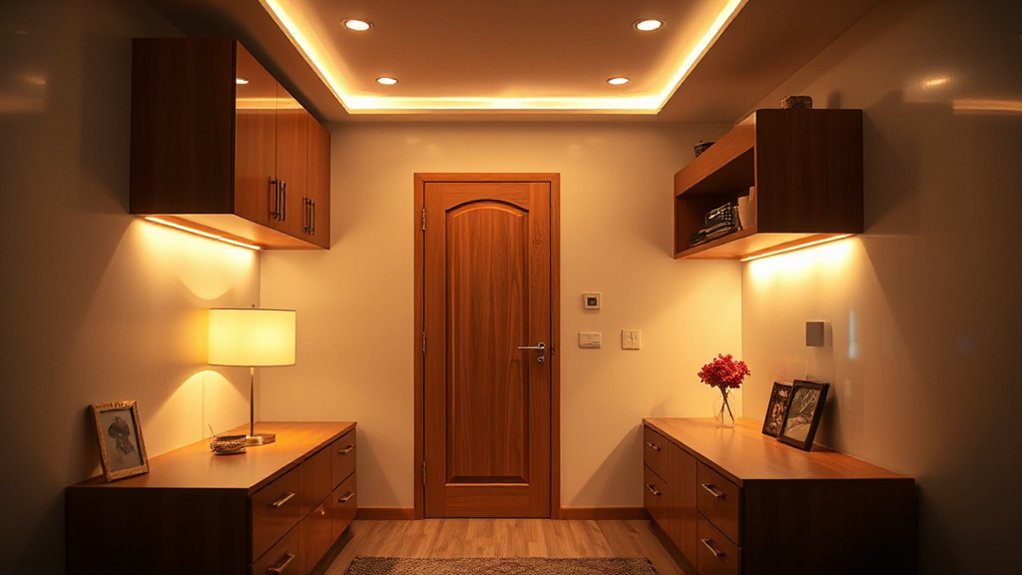
In tight spaces, choose compact, high-performing fixtures and layering to make every inch count; think vertical lighting, under-cabinet LEDs, and wall sconces that add depth without crowding floors. You’ll feel connected when your room responds to you with smart lighting tricks that simplify daily routines.
- Use smart home bulbs that schedule tasks and adjust color temperature
- Enable motion sensors for immediate, welcoming brightness
- Layer lighting: ambient, task, and accent for depth
- Employ lighting automation to sync with doors, clocks, and routines
- Keep controls accessible, intuitive, and shareable with housemates
This approach delivers a bright, cohesive space, reinforcing belonging through thoughtful, responsive design.
Common Mistakes That Make Spaces Feel Dim
Poor light layering can leave spaces flat—combine ambient, task, and accent so shadows don’t steal brightness.
If fixtures feel oversized or undersized for the room, the scale can read as dim, so match it to the space and ceiling height.
Limited natural light amplifies these issues, so optimize window treatments and introduce reflective surfaces to brighten without adding clutter.
Poor Light Layering
- Balance ambient, task, and accent layers for warmth
- Vary light temperatures to emphasize color contrast
- Place sources to sculpt shadows, not amplify them
- Use dimmers to modulate intensity across activities
- Avoid relying on a single ceiling fixture for all mood
Incorrect Fixture Scale
Scale matters: mis-sizing fixtures is a fast track to dimness and visual fatigue. When you pick a fixture that’s too small, your space reads hollow and flat, no matter the bulb. Aim for scale proportion that matches room height, furniture footprint, and ceiling plane.
A single oversized pendant can anchor a dining area; petite sconces paired with a large ceiling light fail to balance the room. Consider multiple fixtures in harmony, not competition. Measure apertures, clearance, and glow radius to guarantee even distribution.
Fixture size should feel intentional, not magical. Your goal is comfort and clarity: enough light to see texture, not glare. With thoughtful scale, you’ll achieve welcoming brightness and cohesive, belonging-worthy ambience.
Scant Natural Light
Ever notice how a space can feel dim even with decent artificial light? You’re not imagining it—scant natural light drains warmth and depth. Here’s how to change that vibe with purpose.
- Favor sunlight enhancement through strategic placement of mirrors and light-reflective surfaces.
- Choose window treatments that maximize brightness while preserving privacy.
- Reframe furniture to avoid blocking exposed windows and doorway lines.
- Opt for light, cool-toned hues that amplify daylight without glare.
- Layer lighting with task and ambient options to support changing conditions.
Weekend Tweaks for an Instant Brighten-Up
If you’re short on time but want an instant lift, a quick weekend tweak can make a room feel brighter in minutes. Start with a clean slate: declutter surfaces, swap heavy drapes for sheer panels, and open curtains fully.
Add high-contrast accents to reflect light—think white ceramics, glass, or metallic details. Introduce wall murals or a bold, light-filled panel to expand the perceived space without major renovation.
Position lamps at eye level on opposite walls to create layered brightness and reduce shadows. Install decorative sconces along a hallway or seating niche to distribute warm glow evenly.
Choose color-friendly bulbs, 2700–3000K, for a cohesive, inviting vibe. These small, deliberate changes foster belonging and make your space feel instantly brighter and more welcoming.
Budget Kits and Fixtures Worth the Investment
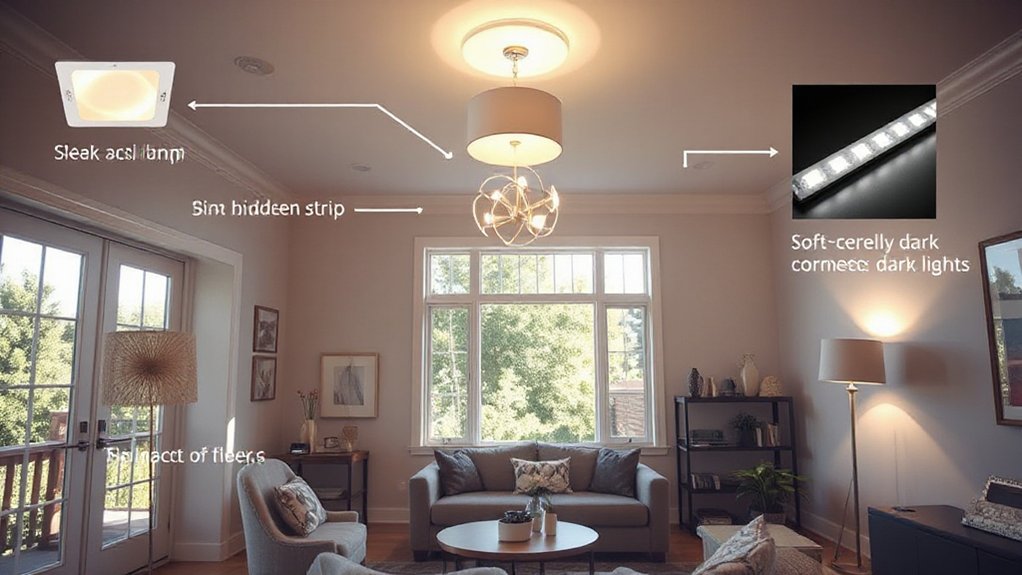
Smart, budget-friendly fixtures can deliver standout results without breaking the bank, so choose enduring LED options and components you can upgrade over time.
Consider balance: initial cost versus long-term energy savings and reliability, since a small premium today can mean fewer replacements later.
Focus on fixtures that fit your design goals and room functions, not just the lowest price.
Budget-Friendly Fixtures
- Choose understated frames that blend with walls
- Pair warm tones with natural textures
- Invest in a dimmer for instant ambiance control
- Opt for energy-efficient LEDs with long life
- Add a statement piece sparingly for impact
Long-Term Investment Lighting
After tackling budget-friendly options, you’re ready to invest in lighting that lasts and performs. Long-term investment lighting means choosing kits and fixtures that blend durability with timeless design.
Prioritize high-lCRI LEDs for accurate color and longevity, and pick color temperatures that harmonize with your space’s mood.
Plan fixture placement to maximize use, balancing ambient, task, and accent layers without clutter.
Color coordination across fixtures helps create a cohesive feel—match metals, finishes, and glass to your overall palette.
Look for solid warranties and reputable brands that offer upgrade paths as your space evolves.
Install with ceiling, wall, and shelf positions in mind, ensuring glare-free illumination.
Frequently Asked Questions
What Is the Most Influence on Perceived Room Brightness?
The ambient glow most influences perceived room brightness. You’ll notice it first in color temperature, diffusion, and contrast, which shape mood and clarity.
Prioritize even, soft illumination around 3000K–4000K for warmth and clarity, layered with task and accent light to avoid glare. This mood enhancement makes spaces feel bigger and welcoming, strengthening your sense of belonging.
Keep fixtures aimed to reduce hotspots, and opt dimming for subtle, adaptable brightness that supports daily routines and social moments.
How Do Color Rendering Index (CRI) Values Affect Lighting?
CRI values affect how color looks under light. Higher CRI (80+ or 90+) shows true colors, making spaces feel warmer and more inviting.
Lower CRI can distort hues, dulling objects and reducing contrast. Pair high CRI with balanced Color temperature to enhance mood, and use Light diffusion to avoid glare.
In practice, choose fixtures with high CRI for task areas, and tune color temperature to foster belonging and comfortable, cohesive rooms.
Can Reflective Surfaces Boost Brightness Without More Fixtures?
Yes—reflective surfaces can boost apparent brightness with careful choices. You can, without adding fixtures, use mirror placement and surface textures to bounce light around.
Position mirrors opposite windows or lamps to double illumination, and choose glossy or lightly textured surfaces that sweep light into corners. You’ll feel seen and included as spaces feel brighter, more cohesive, and inviting.
Keep reflections intentional, not chaotic, and you’ll achieve practical, design-focused glow.
Which Bulb Type Lasts Longest in Bright Rooms?
LED longevity is your best bet for longest-lasting bright-room lighting. In bright spaces, choose high-quality LEDs with good lumen maintenance and consider bulbs with solid-state durability.
You’ll notice greater bulb durability when you pick reputable brands and look for lower heat output, proper dimming compatibility, and adequate wattage for the room.
With these choices, you enjoy reliable brightness, less frequent replacements, and confident, design-forward living that makes you feel truly at home.
How Does Lighting Placement Alter Space Perception?
Lighting placement shifts space perception by creating ambient shadows and drawing attention to focal points, so you feel more connected in the room. Position fixtures high to widen ceilings, use wall washes for depth, and place task lights where you naturally pause.
Avoid uniform glare; mix ambient, task, and accent layers. These choices help you belong, guiding sightlines while keeping comfort.
Your space reads larger, cozier, and more intentional with thoughtful brightness.
Conclusion
Bright rooms aren’t born bright—they’re coaxed. You’ve got the tools: measure, layer, and tune color and brightness until walls feel awake, not washed out. Think in zones, not merely fixtures, and let dim ceilings vanish with clever shadows and luminous wall washes. Small tweaks—smart controls, right temps, ambient pops—turn a space from dim to deliberate. Your design goal isn’t more light, it’s better light: crisp, welcoming, and wonderfully yours.