

Cambridge stays a high-demand rental market because its economy centers on world-class universities, biotech clusters, and a strong transit network. You’ll see steady demand from students, researchers, and tech talent, with occupancy rising during term starts and project cycles. Proximity to London boosts commuter appeal, while walkable access to campuses, libraries, and heritage housing supports premium rents. Regulated standards and quality‑of‑life amenities reinforce stability. Keep exploring to uncover the precise mix behind these trends.
Why Cambridge Keeps Its Rental Market Hot
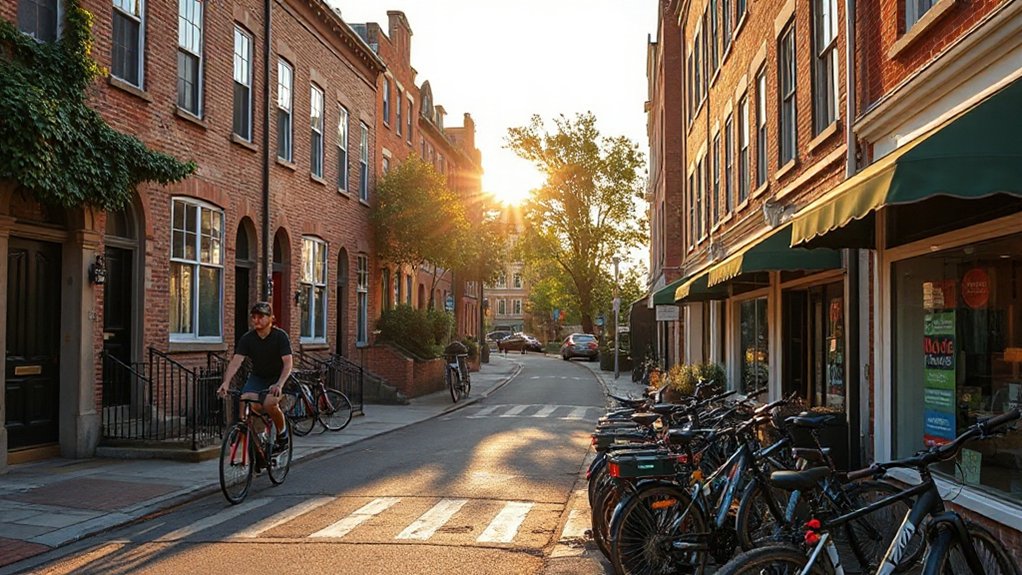
Cambridge’s rental market stays hot because demand consistently outpaces supply, driven by a steady flow of university students, research professionals, and tech workers who prize proximity to institutions, transit, and amenities.
You track the data trends that explain why vacancies tighten seasonally, and you see arrival rates outpacing new listings by margins that compound over quarters. This dynamic supports resilient rents and predictable income streams.
While you value the city’s built environment, historical architecture anchors neighborhoods, offering durable appeal and quality-of-life signals that attract long-term tenants.
Local festivals, with their cultural draw and staggered housing demand, add seasonal but meaningful occupancy stability.
How Students Drive Cambridge’s Rental Demand
Student demand hinges on campus enrollment cycles, student intake by program, and the preference for purpose-built housing near lecture halls.
You’ll see occupancy shifts aligned with term starts, housing-construction pace, and the mix of on-campus vs. off-campus options.
The latest data on campus housing trends signals how changes in student populations translate into tighter rents and faster turnover in Cambridge neighborhoods.
Student Demand Drivers
What drives Cambridge’s rental demand isn’t luck but a precise mix of student-centric factors: program density, housing supply constraints, and the timing of academic calendars. You’ll notice demand aligns with term starts, exam periods, and study blocks, creating predictable peaks.
Data show you benefit when institutions cluster programs, generating high per‑capita student populations and sustained turnover. Housing supply constraints amplify urgency, pushing rents higher as cohorts converge.
The timing of calendars shapes lead times for leases, emphasizing short-notice mobility and flexible options. You value community, so you look for places near Historical architecture and Local amenities that support study routines and social life.
This combination drives resilient demand, rewarding informed decisions and long-term occupancy stability for renters who plan ahead.
Campus Housing Trends
Data shows multi-semester students prioritize stability, while exchange and gap-year cohorts push flexible options, driving higher turnover in summer and winter shifts.
You’ll notice neighborhoods near university hubs commanding premium rents when incoming cohorts align with program cohorts, and lower rates where off-campus options reduce commute stress.
Historical architecture lends character, influencing purchaser preference and perceived value, while local cuisine strengthens neighborhood identity, shaping where students cluster for social life and study groups.
Informed by this pattern, you forecast demand shifts by academic calendar, enabling precise pricing, inventory planning, and community-building strategies for belonging.
Universities and Research Hubs in Cambridge Rent Dynamics
Universities and research hubs concentrate demand pockets, shaping rental pricing and vacancy trends you’ll see across campus-adjacent neighborhoods.
As you track university presence, note how student and faculty populations pivot with term dates, influencing peak leasing periods and churn.
With student mobility and research cycles driving both demand intensity and location preferences, you can anticipate differentiated rental dynamics by campus cluster and hub activity.
University Presence Impacts Demand
University presence in Cambridge profoundly shapes rental demand, as students, faculty, and research staff drive steady, high-occupancy movements across the market. You’ll notice occupancy stabilizers tied to term cycles, with peak turnover aligning to semesters and grant sunsets.
Data show higher swap rates near colleges, with transitory residents compressing lease durations and boosting short-hold demand. Neighborhoods close to lecture halls and libraries consistently outperform broader zones, underscoring walkable access as a premium.
Historical architecture and campus heritage add intangible value, supporting price resilience even when broader markets soften. Local cuisine scenes, pubs, and markets reinforce belonging, drawing long-tenure renters who want convenience without sacrificing texture.
In short, university presence cultivates durable demand, guiding prudent investment and steady rent evolution.
Research Hubs Drive Rentals
Research hubs reshape Cambridge’s rental tides by concentrating demand around specialized labs, innovation centers, and cross-disciplinary institutes. You notice how high-caliber research accelerates nearby leasing activity, with tenants prioritizing proximity to collaboration spaces, grant-supported housing, and spillover amenities.
Data show occupancy spikes near core campuses during grant cycles, then stabilize as projects mature, yet never evaporate, because talent stays local. You’ll observe that historical architecture blends with modern conversions, signaling a durable, walkable core that sustains demand beyond academic semesters.
Local amenities—cafés, libraries, transit access—become rentable signals of belonging, not just convenience. Investors track lab throughput, publication rates, and grant funding to forecast occupancy.
In this market, belonging means steady access to networks, labs, and the neighborhood’s integrated lifestyle.
Student Population Mobility
Student population movements shape rental dynamics as capacity shifts between campuses and surrounding hubs. You track how term-time inflows outrun local supply, while vacations release pressure, creating seasonal cycles in rental demand.
Data show tight vacancy there’s little buffer when universities surge enrollment or new labs finalize, driving rents higher in adjacent neighborhoods. You’ll notice mobility patterns: students gravitate toward clusters with tested transit access, affordable housing, and peer networks, sustaining steady occupancy in core zones.
As campuses expand partnerships with housing providers, supply aligns more quickly with spikes, softening peak-period rent volatility. You interpret milestones—semester starts, exam seasons, research grants—as demand signals guiding investment in Student housing.
In this market, informed tenants and landlords share a common aim: predictable, affordable, well-located options that support belonging within Cambridge’s academic ecosystem.
Biotech Startups and Tenant Turnover in Cambridge
Biotech startups in Cambridge are reshaping local occupancy dynamics, as rapid growth and fundraising cycles drive heightened tenant turnover in lab and office spaces. You’ll notice vacancies shrink quickly after rounds, while lease terms tighten around project milestones, creating a pattern of staggered demand and renewed capital deployment.
The market responds to biotech innovation with selective clustering, where occupancy data reflect both venture activity and talent mobility. When startup funding accelerates, you gain access to spaces calibrated for research tempo, but with higher renewal risk as teams pivot.
Your belonging comes from understanding niche cycles: you join a community that values precision, speed, and measurable outcomes. Data guides decisions, not guesses.
- Vacancy-to-demand cycles tied to funding rounds
- Lease term variability by project phase and lab needs
- Cluster-driven sprawl within biotech districts and adjacent growth areas
The Transport Edge: Cambridge–London and Beyond

You’ll see how commuter rail connectivity shapes occupancy and rent trends across Cambridge and its corridors.
Cross-region travel patterns reveal peak-demand windows and spillover effects into Cambridge’s housing market, guiding pricing and lease terms.
London proximity continues to constrain and calibrate demand, with the transport edge acting as a primary driver of market scalability.
Commuter Rail Connectivity
What makes commuter rail connectivity a strategic edge for Cambridge is its ability to bind the city to London and beyond with reliable, fast, and frequent service that supports both workforce mobility and investor confidence. You gain shorter residence-work gaps, predictable commutes, and heightened appeal for talent seeking balance and belonging.
Data show growing peak reliability and rider volumes, with expansion plans nudging capacity and schedule reliability upward. This translates into higher rental demand near stations, plus spillover to adjacent neighborhoods through improved accessibility.
Urban green spaces and local dining become anchors for neighborhoods benefiting from transit-driven footfall. To capitalize, focus on transit-oriented clusters that blend 15- to 20-minute commutes with lifestyle amenities.
- Investment in station-adjacent housing with mixed-use design
- Targeted marketing around commute reliability, housing supply, and amenities
- Strategic partnerships with urban amenities to reinforce lifestyle value
Cross-Region Travel Patterns
Data show travel preferences clustering around peak windows, with capacity utilization highest on peak-hour routes and notable resilience during holidays. Seasonal fluctuations modulate both outbound trips and cross-region spillovers, shaping rental demand for commuter-friendly layouts and flexible leases.
You’ll notice service reliability and journey times correlate with occupancy levels, influencing renter confidence in long-term commitments. Market intelligence points to diversified transit access bolstering attraction, while retaining a sense of belonging through predictable, efficient corridors.
London Proximity Impact
London proximity acts as the transport edge shaping Cambridge’s rental dynamics, with quick access to the capital driving higher demand for commuter-friendly layouts and flexible leases. You’ll see rents skew toward smartly configured spaces, where transit time matters as much as square footage.
The interplay of Historical architecture and modern convenience reinforces a market that appeals to professionals and students seeking belonging in a connected corridor.
- Demand signals peak near key rail nodes, translating into premium pricing for shorter minimum stays and flexible terms.
- Cultural festivals, coupled with easy London access, sustain occupancy during shoulder seasons, stabilizing yields.
- Investment activity focuses on transit-adjacent properties that preserve character while delivering updated amenities.
This edge underpins Cambridge’s resilience, balancing heritage with mobility.
Cambridge Housing Supply: New Builds, Conversions, Regeneration
Cambridge’s housing supply hinges on a mix of new builds, conversions, and regeneration initiatives that together shape the market’s pace and price dynamics. You’ll notice a steady cadence: modern density near transport nodes, careful preservation of Historical architecture, and adaptive reuse that respects city fabric.
New builds push up available units while keeping occupancy healthy in the wider market. Conversions facilitate underused spaces, often delivering affordable options without expanding footprints.
Regeneration efforts reframe declining districts into mixed-use neighborhoods, stabilizing rent pathways and long-term investment returns. Local amenities, from cycle routes to schools and cultural venues, anchor these developments, ensuring residents feel a sense of belonging rather than displacement.
The data shows positive occupancy trends when supply aligns with demand, reinforcing Cambridge’s appeal.
What Drives Cambridge Rents: Prices, Affordability, Investment
Rents in Cambridge respond to a trio of drivers: prices set by supply-demand dynamics, affordability constraints that guide what households actually pay, and investor activity that shapes liquidity and expectations.
You’ll see market fluctuations tighten or loosen ceilings as new builds, planning approvals, and rental cycles collide with tenant demand, creating visible price resilience even in slower periods.
With Rental affordability as a central filter, you feel the impact in monthly budgets and neighborhood choices, not just headline numbers.
Investment activity adds liquidity and signals future rent trajectories, influencing expected returns and stability.
- Market fluctuations drive timely price adjustments that echo broader demand-supply shifts
- Affordability constraints determine who can access units and where you’ll look
- Investment patterns shape liquidity, expectations, and long-run rent stability
Core vs Suburban: Cambridge’s Neighborhood Appeal
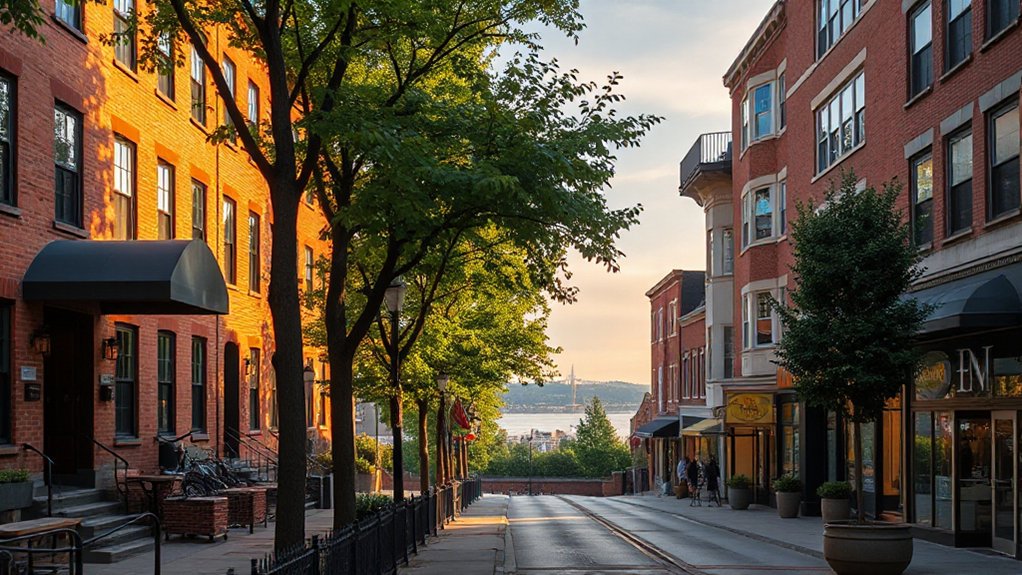
How do core neighborhoods compare to their suburban counterparts in Cambridge’s appeal to renters? You weigh density, transit access, and the cadence of daily life.
Core areas offer higher Neighborhood identity, with walkability, mixed-use streets, and quicker commutes to work or study hubs. The data shows higher rental turnover in core neighborhoods, driven by proximity to Local amenities like cafes, parks, and cultural venues, which sustain demand.
Yet suburbs lure with larger units, parking ease, and value appreciations tied to school quality and ongoing development. Suburban pockets promise space, car-friendly layouts, and quieter nights, appealing to renters prioritizing privacy and low-noise environments.
Your choice hinges on balance: crave vibrancy and efficiency, or prefer room to breathe while maintaining access to Cambridge’s opportunities.
International Tenants in Cambridge: A Cosmopolitan Base
International tenants shape Cambridge’s rental market as a cosmopolitan base, bringing diverse demand patterns and shorter transaction cycles driven by visa timelines, internships, and global program commitments. You see how this infusion accelerates leasing velocity and heightens turnover in peak seasons, yet stabilizes when academic calendars align with visa extensions.
Data show steady demand for well-connected, amenity-rich neighborhoods near historic cores, balancing price discipline with access to cultural life. Local heritage and campus life intertwine, attracting tenants who value place-making over transient stays.
Opportunities emerge where landlords offer flexible terms and sustained maintenance, reinforcing community belonging through consistent quality. Historical architecture and Local festivals become anchors, signaling authenticity and predictable rhythms for international residents.
- Demand concentration near central sights and transport hubs
- Flexible lease structures paired with responsive property management
- Cultural活動 alignment with housing availability and renewal cycles
Cambridge Landlord Rules and Regulations Shaping Availability
Cambridge landlords navigate a complex regulatory landscape that directly shapes housing supply and rental availability. You’ll see how property management decisions respond to local rules, licenses, and inspections that influence unit turnover and vacancy rates.
Data shows stricter lease regulations correlate with longer vacancy durations in incremental markets, while transparent disclosure reduces dispute risk and sustains occupancy. In this environment, every cap rate and net yield hinges on compliance costs, security deposit limits, and annual reporting requirements.
You benefit from predictable enforcement timelines and standardized disclosures, which foster tenant trust and steady demand. For savvy investors, aligning operations with zoning rules, rental licensing, and habitability standards protects capital, stabilizes cash flow, and reinforces Cambridge’s reputation as a high-demand market.
Quality of Life for Renters in Cambridge: Schools, Culture, Safety

Quality of life in Cambridge for renters hinges on reliable schools, a vibrant cultural scene, and strong safety metrics, all of which drive demand, retention, and willingness to pay a premium. You’ll notice how data-backed districts correlate with higher lease renewal rates, lower turnover costs, and steadier rent growth, signaling market resilience.
Historical architecture adds charm in walkable neighborhoods, while local cuisine sustains social cohesion and discretionary spending. You feel a sense of belonging when institutions perform and streets feel safe after hours, reinforcing long-term mobility and investment.
1) School quality metrics, enrollment stability, and after-school program access
2) Cultural density indicators, event frequency, and dining/arts diversity
3) Crime rates, emergency response times, and resident-perceived safety
Future Outlook: Sustaining Cambridge’s Rental Demand Edge
To sustain Cambridge’s rental demand edge, you’ll want to anchor growth in resilient demand drivers, disciplined supply management, and targeted capitalization on the city’s unique attributes.
Over the next five years, data signals steady tenant inflows from graduate programs, tech hiring, and biotech clusters, even as supply expands cautiously to avoid oversupply.
Rent growth should hinge on quality, location, and amenity upgrades aligned with walkable neighborhoods.
Market dynamics point to persistent demand in Cambridge’s core districts, where proximity to Historical architecture and vibrant local economy support higher occupancy and premium rents.
Local cuisine scenes add experiential value, attracting longer tenancies and fostering community.
With disciplined development and resident-focused services, the outlook remains robust for sustaining appetite and belonging in this market.
Frequently Asked Questions
How Does Cambridge’s Rental Market Perform in Recession Periods?
In recession periods, Cambridge’s rental market shows resilience you can trust: occupancy stays high, rents stabilize, and vacancy shortfalls persist. You’ll notice investment trends steady, signaling durable demand as economic resilience supports continued rental performance.
What Share of Rentals Are Private vs. Social Housing?
Beds of data rise like a chorus: you’ll find roughly two-thirds private rentals and one-third social housing. You gain tenant diversity and housing affordability insights, trusting market metrics while feeling you belong in Cambridge’s balanced rental ecosystem.
Do Rental Prices Reflect Seasonal University Cycles?
Yes, rental prices mirror Student accommodation demand and seasonal fluctuations, you’ll notice price bumps during term starts and quiet midsummer dips, reflecting market cycles, occupancy rates, and institutional leasing calendars driving steady, belonging-focused demand.
How Quickly Do Leases Convert to Ownership in Cambridge?
As you navigate Cambridge’s market, lease conversion happens slowly, about 3–7 years on average, shaping your Ownership timeline into a patient, data-driven journey. You align with trends, building belonging through strategic, informed decisions about future equity.
What’s the Impact of Brexit on Cambridge Demand?
Brexit reshapes demand: you’ll see a shift toward international investors and strong student housing in Cambridge, boosting resilience. You’ll notice steadier rents as international capital fuels activity, and student housing remains a core driver of your market intelligence.
Conclusion
You can’t ignore the data: Cambridge’s rental demand isn’t a vibe, it’s a velocity metric. You feel the squeeze from students, researchers, biotech spillovers, and cross-country commuters, all looping into a tight market with regulatory frictions that keep supply lean. So you adapt—price signals rise, turnover stays brisk, and amenities become your marketing brief. In short, you’re watching a market built on brainpower, transport links, and policy friction, proof that demand isn’t just persistent, it’s perpetually data-driven.