
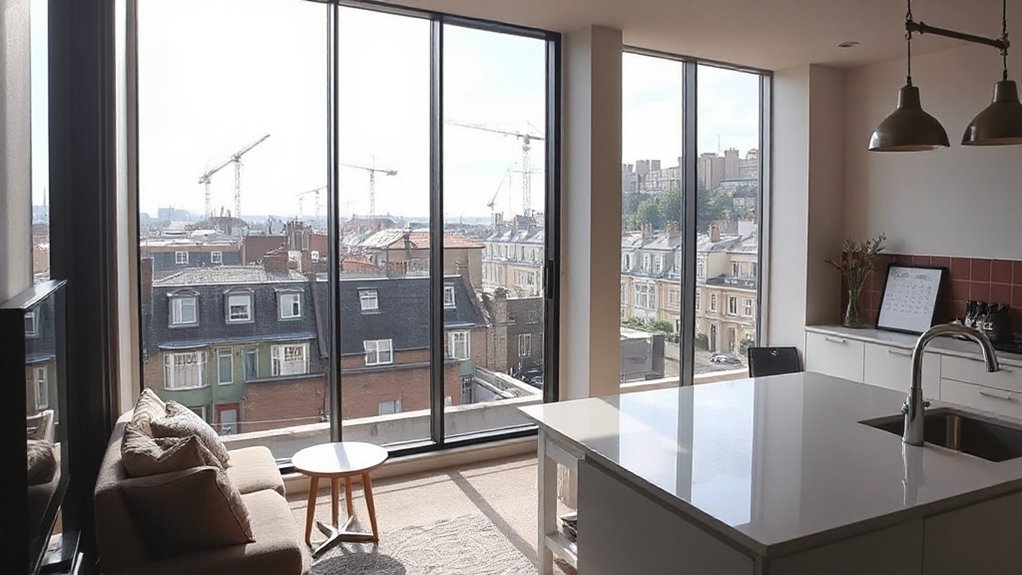
Manchester stays a top rental market because tight supply meets persistent demand from professionals, students, and transferees, all drawn to thriving neighborhoods, strong job growth, and major transit links. Rents stay resilient as tech and healthcare hubs expand, while investors enjoy steady yields and modest price growth. Shorter commutes, vibrant amenities, and university corridors keep vacancy low. If you want deeper data-backed insights and actionable takeaways, you’ll discover more below.
Why Manchester’s Rental Market Stands Out
Manchester’s rental market stands out because demand consistently outpaces supply, keeping vacancy rates tight and rents resilient even as the wider economy shifts. You feel the rhythm in everyday life: a city where steady job opportunities, anchored by diverse sectors, sustain sustained tenancy without boom-bust spikes.
Historical architecture frames neighborhoods with timeless appeal, signaling enduring value that renters recognize in monthly payments and long-term plans. Cultural festivals add seasonal momentum, aligning occupancy with vibrant events and international visitors who seek authentic experiences.
Data show rental-led growth outpacing London in certain metrics, while affordability remains balanced by targeted housing initiatives. You’re not just renting; you’re joining a trusted, evolving community that blends heritage with contemporary opportunity and belonging.
Who Drives Manchester Rental Demand
Security in Manchester’s rental demand isn’t a mystery. You’re part of a city where investment, demographics, and mobility converge to shape the market.
Data shows that professional renters—often relocating for work—drive steady demand, while students and graduates fuel seasonal twists.
You’ll notice luxury apartments attract a dedicated segment seeking amenity-rich living and reliability, translating to higher occupancy and resilient rents.
Short term rentals, though smaller in share, influence price signals in busy districts and provide flexible options for transient professionals.
Importantly, transplants from other UK regions and international tenants keep turnover high, underscoring the need for consistent service and building quality.
Informed choices, not trends, keep Manchester rental demand stable for you and your community.
How Manchester Jobs Shape the Rental Market
Jobs in Manchester are a key lever shaping the rental market: when employment grows in sectors like tech, healthcare, and professional services, demand for well-located, commuter-friendly homes rises quickly.
You’ll notice this trend in neighborhoods near expanding office clusters and transport hubs, where higher-skilled roles attract steady, higher-value tenants. Data shows spiking vacancies tighten where job growth concentrates, nudging rents and reinforcing the value of well-connected streets and paycheck-to-paycheck affordability.
You benefit from predictable turnover as employers recruit locally, reducing displacement risk for longtime residents.
Historical architecture and Cultural festivals anchor this dynamic, signaling a vibrant, livable cityscape that supports both career progression and community belonging.
Informed choices, infrastructure progress, and inclusive planning keep Manchester’s jobs-and-homes balance resilient.
Manchester’s Universities and Student Housing Demand
University enrollment levels consistently drive demand for rental housing near campuses, shaping price points and vacancy timing across Manchester. You’ll notice patterns in year-over-year student housing occupancy, with peaks aligned to term starts and turnover cycles, indicating persistent upside for purpose-built blocks.
This section kicks off with data-driven insights into how university scale, program mix, and international cohorts influence rental dynamics and development priorities.
University-Driven Demand
Universities in Manchester generate predictable, sizable demand for student housing, shaping rental markets citywide through annual intake cycles and high turnover. You’ll see occupancy spikes around term starts, with steady renewals as cohorts stay for courses and societies.
This demand lifts rental resilience, even when broader markets wobble, because universities anchor long‑term pipelines of renters and referrals. Historical architecture and campus culture reinforce appeal, linking academic life to distinct neighborhoods and consistent occupancy.
Cultural festivals amplify campus draw, drawing students into nearby offerings and sustaining demand beyond exams. To navigate this, consider value, proximity, and community ties as you plan investments.
- Proximity to campuses and transport
- Neighborhood amenities and cultural assets
- Long‑term tenant retention through belonging and programs
Student Housing Trends
Manchester’s student housing landscape is shaped by quantifiable demand cycles tied to term starts, enrolment growth, and shifting rental yields, with occupancy patterns tightening around September and January intakes. You’ll observe that premium spaces are increasingly linked to stable, longer leases, while turnover compresses around academic calendars.
Demand persists where universities expand capacity and international cohorts rise, yet price sensitivity remains filtered through quality. Luxury amenities drive retention, signaling communities that feel like home during late-semester stress tests.
Green spaces aren’t optional; they frame walkability, campus connections, and wellness, reinforcing a sense of belonging without sacrificing practicality. If you invest in cohesive clusters near campuses, you align with student expectations and market resilience, optimizing occupancy and yielding predictable returns over the academic year.
Affordable Entry Points Across Manchester Neighborhoods
You’ll see clear entry-level rent variance across Manchester’s neighborhoods, with notable gaps between core hotspots and outer districts.
By breaking down affordable entries by neighborhood, we can pinpoint where households get the most value and where small market shifts could widen the gap.
This entry-point analysis sets the stage for targeted affordability strategies and data-driven policy discussions.
Entry-Level Rent Variance
Across Manchester, entry-level rents vary markedly by neighborhood, reflecting differences in demand, amenities, and access to transit. You’ll notice tighter bands in central zones with rapid commutes, while fringe areas offer affordable starts without sacrificing community feel.
Data shows variance driven by parcel-level attributes, not just price tags, so small neighborhood shifts can impact monthly costs.
- luxury amenities visible value beyond price
- pet friendly policies shaping overall desirability
- transit access as a multiplier for affordability and belonging
You feel supported when you compare options, knowing the right doorway exists for your budget and lifestyle. This variance isn’t random—it’s a signal of how communities balance cost with belonging, amenities, and connection to work, recreation, and neighbors.
Use it to guide your search with confidence and clarity.
Affordable Neighborhood Breakdown
Where can you find affordable entry points across Manchester without sacrificing neighborhood character? Across the city, pockets of value align with strong, distinct communities. Core corridors near tram links and refurbished terraces offer competitive rents without erasing local identity.
In neighborhoods with historical architecture, you’ll notice thoughtfully phased price bands that reflect long-term investment and ongoing revitalization. Data shows a mix of newer build flats beside preserved row houses, preserving charm while enhancing affordability through scalable options.
Neighborhood diversity remains a key driver of rental stability, with varying amenity access that suits different budgets and lifestyles. Targeted developments and cooperative housing models provide predictable costs, fostering belonging.
Modern Apts vs. Historic Terraces: Property Styles in Manchester
Modern apartments in Manchester typically prioritize efficiency and contemporary finishes, but the city’s historic terraces offer character-forward appeal that many buyers and renters still crave. You’ll notice architectural diversity across districts, with modern blocks beside lovingly preserved facades, creating a layered urban fabric.
Yet preservation challenges persist: surveying authenticity, maintaining timber details, and aligning renovations with conservation guidelines.
- Architectural diversity drives value, blending glassy façades with brickwork heritage
- Preservation challenges shape upgrading timelines and pricing
- Community identity strengthens when terraces are retained and repurposed
You benefit from choosing spaces that balance function and history, knowing you’re supporting a city that values both innovation and place-making. The data show steady demand for well-located terraces and modern flats alike, reinforcing Manchester’s appeal as a durable rental market.
Transport and Connectivity That Stabilize Rents
Transport and connectivity are the backbone of Manchester’s rental stability: well-connected neighborhoods attract steady demand from professionals and students alike, keeping vacancy rates low and rents resilient.
You’ll notice that transit-rich areas cut commute times, boosting appeal for both luxury apartments and everyday living. Data shows frequent rail and tram links correlate with tighter occupancy and modest rent growth, while reliable bus networks widen catchment without oversaturating markets.
In historic districts, proximity to stations preserves desirability, supporting stable premiums even as new builds rise.
Investors benefit from diversified tenancy—short-term tenants driven by campus needs and long-term renters seeking convenience.
The Manchester Tech Boom and Its Rental Impacts
Tech growth is fueling higher demand as firms expand in Manchester, and you’ll notice a tighter rental market where yields are rising alongside rents.
Supply strains emerge as developers race to keep pace, while existing stock struggles to meet quick-paced hiring cycles.
Talent inflows from across the UK and abroad reinforce these trends, shaping rental patterns more than traditional market cycles.
Tech Growth Driving Demand
What’s driving the surge in Manchester’s rental market? Tech growth fuels demand as firms expand, talent clusters form, and international arrivals seek hubs with connectivity. You’ll see premium segments rise alongside core housing, with data-driven patterns guiding decisions.
Short-term cycles, including project launches and relocations, elevate occupancy and pricing, while long-term roles stabilize absorption. Luxury apartments become magnets for executives and teams prioritizing amenity-rich environments and efficient commutes.
- Luxury apartments attracting senior engineers and leaders
- Short term rentals supporting project-based movements and onboarding
- Flexible leases aligning with changing tech deployments and residency needs
This tech-led momentum anchors confidence in Manchester’s market, signaling resilient demand, measured by occupancy, rent growth, and digital infrastructure, all contributing to a sense of belonging in a thriving ecosystem.
Rental Supply Strains
Could Manchester’s tech boom be straining its rental supply? You’ll notice tighter inventories as new developments wedge into the market faster than refurbishments or repurposing.
Data show higher occupancy rates in central zones, with newer units commanding premium rents and shorter vacancy periods. As demand concentrates around innovation hubs, rental affordability becomes a sharper lens: more renters share a smaller pool of affordable options, pressuring budgets and decision timelines.
You’ll also see lease negotiations skew toward longer terms and more concessions from landlords, especially where institutional owners hold sway. Yet the city’s planning responses—added housing density and mixed-use schemes—offer relief if synchronized with protections for existing communities.
Informed tenants gain leverage through timely market awareness and precise, fact-based decision-making.
Talent In-Migration Trends
The Manchester tech boom is drawing skilled workers from across the country and abroad, reshaping who lives where and how quickly rents move. You’ll notice steady inflows of engineers and designers tightening demand for Luxury apartments, while project-based cohorts lift short term rentals during onboarding spikes.
Data show home prices and rents rising fastest near tech hubs, yet affordability pockets persist for newcomers choosing shared neighborhoods. You gain belonging by tracking where firms recruit, where transit links flourish, and how employer-led accommodations balance market gaps.
This trend isn’t uniform; it’s nuanced, with micro‑markets stabilizing around quality housing, community amenities, and predictable lease structures.
- Talent-led clustering around flagship campuses and transit corridors
- Short-term rental demand linked to onboarding cycles
- Premium housing as a signal of tech prosperity
Manchester Rental Yield and Price Trends
Manchester’s rental landscape shows a steady alignment between yield and price, with modest price growth supporting solid cash returns for investors. You’ll notice yields hold firm even as prices nudge upward, signaling balanced risk and reward.
In central districts, luxury apartments command premium rents, while fringe areas offer respectable cash flow with lower entry costs.
Short term rentals continue to boost income in high-demand pockets, though regulatory nuance keeps expectations pragmatic.
Over the past year, price appreciation has cooled compared with earlier surges, yet rental demand remains resilient, driven by graduates, professionals, and growing talent pools.
You’re positioned to leverage stable yields, predictable occupancy, and a sense of belonging in communities that blend investment security with urban belonging.
Public Services and Infrastructure as Value Multipliers
Public services and infrastructure act as value multipliers by enhancing livability, accessibility, and long-run resilience for investors and residents alike. You see how robust transit and nearby amenities shape steady demand, reducing vacancy risk and lifting rental yields over time.
Data show reliable public transport boosts occupancy rates, while diverse neighborhood amenities correlate with longer tenancies and stronger community ties. When infrastructure supports easy commutes and safe, walkable streets, you gain predictable cash flow and a sense of belonging in a connected city.
- Public transport improves tenant retention and access to job centers
- Neighborhood amenities drive longer leases and resident satisfaction
- Continuous upgrades sustain resilience and market competitiveness
City Centre and Salford Quays: Rental Hotspots
City Centre and Salford Quays stand out as rental hotspots due to their high connectivity, diverse amenities, and ongoing development, which collectively drive occupancy and rent growth.
You’re drawn to areas where transit, universities, and business hubs collide, creating consistent demand and shorter vacancy cycles. Data show strong year-on-year rent increases, supported by new builds and refurbished apartments that preserve functional layouts.
Historical architecture adds character without sacrificing modern efficiency, appealing to professionals seeking a sense of place. Green spaces remain pivotal, offering respite amid dense development and boosting perceived value.
You’ll notice stable occupancy even in slower seasons, reflecting long-term desirability. In these districts, belonging is tied to convenience, culture, and a responsive housing mix that adapts to evolving lifestyles.
Emerging Areas With Growth Upside in Manchester
You’ll want to watch up-and-coming neighborhoods where population and rents are rising, but supply remains tight enough to sustain growth.
Connectivity and transit access are feeding demand, with faster commutes translating into shorter vacancy cycles and stronger rent resilience.
Affordable living hubs are emerging as a counterbalance, offering clear upside as developers balance price, density, and quality of life.
Up-and-Coming Neighborhoods
What makes Manchester’s next wave of growth stand out? You’re tapping into neighborhoods that blend affordability with rising demand, supported by new developments, while preserving character. You’ll notice data showing rental yields improving as amenities scale, schools strengthen, and green space expands.
Historical architecture and cultural festivals shape identity, attracting residents who want belonging without sacrificing modern convenience.
- Historic cores meeting new eateries, co-working hubs, and boutique galleries
- Emerging districts benefiting from mixed-use projects and safer, walkable streets
- Access to cultural festivals and community-led programs that bolster year-round activity
In these areas, you’ll find onboarding indicators: price resilience, renter demand pockets, and ongoing investment. This isn’t fleeting; it’s a trajectory built on authentic local assets and proven growth upside.
Connectivity and Transit Access
Connectivity is the lever driving growth in Manchester’s emerging areas, where access to reliable transit and efficient links to the city core lock in rental appeal. You’ll feel the shift as new bus corridors, tram upgrades, and improved cycling highways shorten commutes and expand weekend options.
Data show faster connections to media, universities, and business districts correlate with higher occupancy in growth zones. In this context, Luxury apartments near transport nodes outperform non-mounted options, delivering predictable demand and premium rents.
Historic terraces, reimagined with modern transit-friendly layouts, attract long-term tenants who value provenance and convenience. You gain a sense of belonging when neighborhoods blur the line between home and workplace, supported by continuous service reliability, real-time updates, and strong governance that preserves quality while fueling ongoing investment.
Affordable Living Harbors Growth
Affordable living in Manchester’s emerging areas hinges on balancing cost with access. You’ll find pockets where new developments align with transit, schools, and job clusters, supporting affordable housing without sacrificing quality of life.
Data show rental affordability improves as supply expands in these neighborhoods, easing pressure on core zones while preserving community character. You benefit from predictable costs, clearer eligibility, and options that keep you connected to city amenities.
This growth isn’t random; it’s guided by market signals, infrastructure plans, and resident feedback, creating welcoming enclaves where you belong.
- Affordable housing trajectories align with neighborhood upgrades and service access
- Rental affordability improves as supply grows near transit hubs and schools
- Community-led developments prioritize stability, inclusivity, and long-term value
Regulations for Manchester Landlords and Tenant Protections
Manchester’s landlord-tenant regulations shape every rental decision, from deposits and energy efficiency standards to tenancy timelines and eviction safeguards. You’ll notice how Landlord regulations influence prompt maintenance, transparent charging, and compliant tenancy agreements, creating predictable paths for both sides.
Data shows enforcement tightens defaults and improves habitability scores, while protections for tenants rise alongside housing quality metrics. You benefit from clear dispute processes, deposit protections, and energy-efficiency targets that can lower utility costs over time.
Authorities emphasize accountability, so landlord conduct remains consistent and fair. Tenant protections ensure safe, non-discriminatory practices, with access to recourse when issues arise.
Together, these rules foster trust and stability, helping you feel a sense of belonging in a thriving rental community.
Seasonal Trends in Manchester Rentals
Seasonal rental patterns in Manchester shift with the calendar, driven by school terms, employment cycles, and tourist demand. You’ll notice clear waves in activity, with peaks around summer, university term starts, and major events. This rhythm isn’t random; it reflects predictable influxes of students, interns, and short-term visitors, shaping price expectations and vacancy timing.
By tracking these cycles, you can plan showings, pricing, and maintenance windows to align with demand. Seasonal fluctuations influence occupancy rates, turnover speed, and renewal likelihood, making timing a practical asset for your portfolio.
Understanding rental seasonality helps you communicate value to tenants seeking stability and to landlords seeking steady returns.
- Demand surges in late spring and late summer
- Off-peak periods show slower turnover and lower pricing
- year-round planning reduces vacancy risk and optimizes cash flow
Investment Strategies for Manchester Rental Properties
With the seasonal patterns you noted, Profitability in Manchester rentals hinges on timing, pricing discipline, and portfolio mix.
You’ll optimize by targeting high-demand corridors and balancing steady long-term leases with selective short term rentals to capture peak occupancy without overexposure.
Diversify portfolio weights to hedge seasonality: assign luxury apartments to premium campaigns with flexible lease terms and strong amenities, while maintaining modular, easy-to-manage stock for mid-market demand.
Use data-driven pricing models to adjust rents by neighborhood, season, and local events, maintaining competitive yields.
Engage in proactive maintenance schedules, boost energy efficiency, and cultivate reputations for reliability and safety to sustain occupancy.
Align marketing with community values, fostering belonging, and partnering with trusted operators to scale responsibly.
Financing Options and Market Entry Tips for Manchester
Access to capital is the backbone of entry, and Manchester’s market offers a mix of traditional debt, equity partnerships, and newer alt-financing routes that you can tailor to your risk profile.
You’ll find financing options that fit short, medium, and long horizons, enabling steady portfolio growth. Use data-driven market entry tips to structure your approach, align with local lenders, and leverage evidence from rental yields, occupancy, and demand trends.
- Financing options that optimize cash flow without over-leveraging
- Market entry tips centered on local partnerships, due diligence, and scaling plans
- Strategic use of equity and alt-financing to diversify risk and accelerate growth
Risks to Watch in Manchester Rentals and Mitigation
Manchester’s rental landscape is competitive and data-rich, so you’ll want to anticipate volatility—from regulatory shifts and market cycles to tenant demand shifts driven by wages, transport changes, and macroeconomic trends.
In this climate, you’ll reduce risk by tightening processes that govern landlord liabilities and by sharpening tenant screening. Rely on transparent, compliant practices to minimize disputes, late payments, and deregulatory penalties.
Monitor rent-control signals, licensing rules, and eviction timelines, adjusting pricing and terms accordingly. Leverage data on turnover, maintenance costs, and energy standards to forecast cash flow and reserve levels.
Build strong lease clauses that protect both owner and tenant, and document communications to avert misinterpretations. Proactive risk management reinforces belonging by signaling fairness, reliability, and accountability.
Case Studies: Successful Manchester Rental Properties
You’ll see how proven Manchester outcomes translate into scalable investment gains, with data-backed benchmarks guiding every decision.
Consider strategic property case studies that reveal acceleration in occupancy, rent stability, and yield trajectories under real-market conditions.
This discussion centers on actionable insights you can apply to replicate success across diverse Manchester rentals.
Proven Manchester Outcomes
In Manchester’s rental market, proven outcomes emerge from data-driven case studies that consistently show higher occupancy, stronger yields, and faster tenant turnover cycles when properties align with local demand signals.
You’ll see how properties embracing Historical architecture and nearby Cultural festivals attract longer tenancies and premium rents, without sacrificing vacancy timing. Data highlights demonstrate that listings reflecting authentic local character outperform generic equivalents in occupancy and revenue over time.
- Higher occupancy and sustained income from properties that mirror Manchester’s cultural rhythm
- Premium yields when homes celebrate Historical architecture and festival proximity
- Shorter vacancy windows through demand-aligned features and seasonal event awareness
These patterns empower you to invest with confidence, knowing your property resonates with the city’s sense of belonging and shared identity.
Strategic Property Case Studies
In one scenario, short-term refurbishments preserve period details while modernizing interiors, boosting occupancy during peak student intake and festival seasons.
Another case pairs units with flexible leases, meeting corporate demand without sacrificing community ties.
Data shows neighborhoods near cultural festivals sustain higher occupancy and premium rents, underscoring the value of timing and locality.
Owners who integrate transit-accessible locations, curated amenity packages, and resident-exclusive events report stronger retention and referrals.
The shared lesson: responsive offerings, anchored in Manchester’s distinct assets, cultivate belonging, trust, and steady, above-market performance.
The Bottom Line: Why Manchester Remains a Renters’ Market

Manchester’s rental dynamics remain firmly in renters’ favor, even as citywide demand nudges up. You’ll see why in the bottom line: Manchester sustains a balance of supply, pricing discipline, and tenant protections that keep you at the center of decisions.
With luxury apartments continuing to attract competitive but measured rents, you’re offered choices without surrendering leverage. Commercial leasing activity signals a wider ecosystem that supports steady, affordable living options for residents.
- Supply growth outpaces annual demand, softening hiccups for renters
- Policy and market oversight preserve fair terms and predictable increases
- Demand remains diversified across neighborhoods, reducing single-market stress
This data-driven environment reinforces belonging, guiding you toward informed, confident housing choices.
Frequently Asked Questions
How Do Lease Terms Affect Manchester Rental Demand?
Lease flexibility shapes Manchester rental demand by attracting tenants who value adaptable terms and shorter commitments, while strong tenant protections boost confidence, reducing turnover and vacancy. You benefit from steadier occupancy as landlords balance flexibility with protections.
Which Neighborhoods Balance Affordability and Growth Best?
Neighborhood diversity guides you to affordable, balanced growth; you’ll find investment opportunities and stable rents in mixed areas. You see signals in data, you feel belonging as communities thrive, and you invest where opportunity and affordability align.
What Are Typical Upfront Costs for Renters in Manchester?
You’ll typically face two upfront costs: a security deposit and one month’s rent, plus renters’ insurance to protect belongings. If you plan carefully, these predictable amounts help you budget confidently and feel secure in your Manchester home.
How Do Seasonal Trends Influence Vacancy Rates?
Seasonal fluctuations shape vacancy patterns you’ll notice: slower spring/summer demand lowers vacancies, while autumn-winter upticks tighten them. You’ll see data-driven signals guiding timing, pricing, and listings, helping you belong by aligning moves with predictable seasonal occupancy.
What Impact Do Short-Term Lets Have on Long-Term Rents?
Short-term lets push up tourist influx and reduce rental affordability; you’ll feel tighter long-term rents as demand shifts. You observe data showing price pressure, occupancy spikes, and seasonal steadiness guiding you toward smarter, community-focused housing decisions.
Conclusion
Manchester remains a magnet for renters, propelled by persistent demand, diverse demographics, and stable employment. With universities fueling student rents and a broad mix of neighborhoods offering affordable entry points, demand outpaces supply. Data shows steady job growth, resilient occupancy, and rising rents, while financing options lower barriers to entry. Stay vigilant: market shifts, policy changes, and supply gaps could alter dynamics. For prudent investors, Manchester’s momentum remains a meaningful, measurable means to monetize renting.