
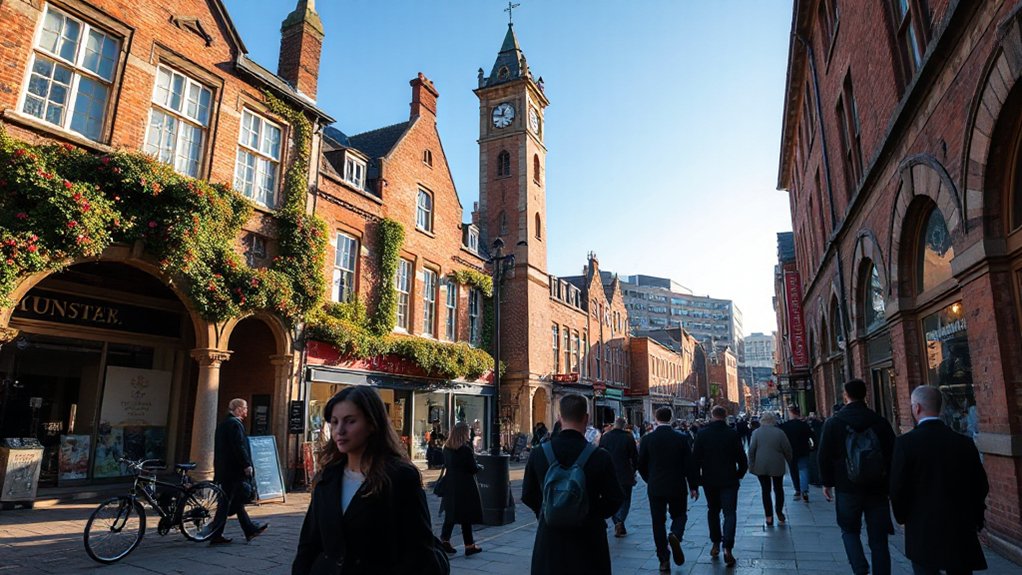
Durham stays in high demand because its data-driven, market-aligned academics rapidly translate research into job-ready skills and real-world opportunities. You’ll access world-class programs, cross-disciplinary innovation, and robust campus-community networks that boost internships, cohorts, and measurable outcomes. The startup ecosystem, strong alumni and faculty ties, and co-created curricula align with high-demand sectors, accelerating careers and ROI. Regional connectivity, rapid transit, and a thriving cultural environment further attract talent. If you want more, you’ll discover how these pieces fit together.
Is Durham the Right University City for You?
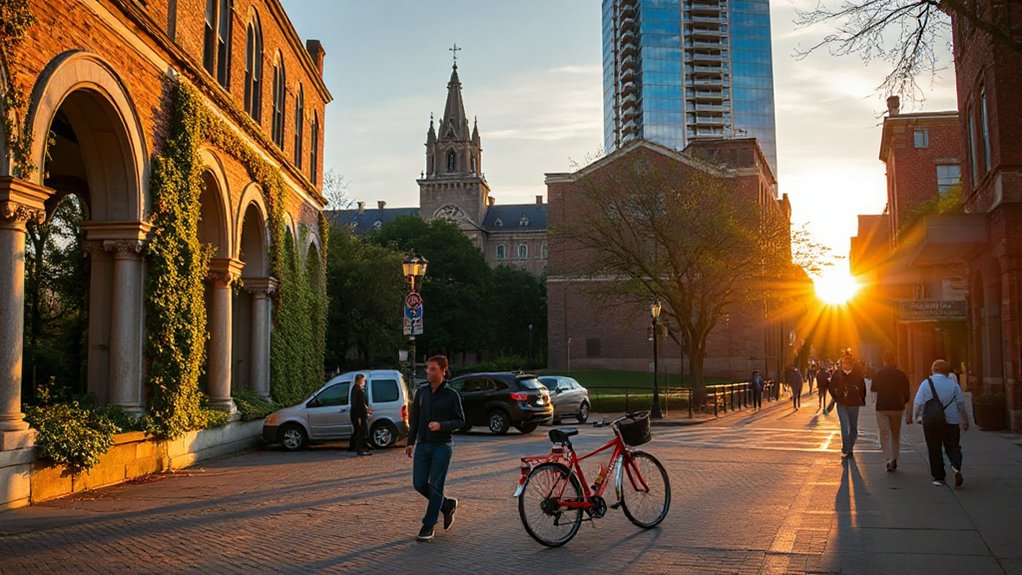
Durham blends a proven academic ecosystem with a dynamic urban environment, making it a strong candidate if you value proximity to research, startups, and professional networks. You’ll find a data-driven setting where programs align with in-demand fields, experimental labs, and cross-department collaboration that accelerates your career trajectory.
Belonging shows up in Student traditions that weave campus life into daily routine, giving you social anchors alongside rigorous study. Academic awards punctuate every semester, signaling clear benchmarks and motivating steady progress.
You’ll assess fit through measurable outcomes—grad rates, industry partnerships, internship placement—then map your next steps with confidence. If you crave a community that prizes purpose, impact, and sustained growth, Durham positions you to thrive.
Durham’s Academic Legacy and Student Demand
Durham’s academic heritage shapes today’s student demand, pairing a storied legacy with targeted enrollment trends. You’ll see academic excellence drive choices, as families weigh proven outcomes against evolving programs.
The city’s appeal hinges on clarity: strong data, accessible pathways, and community belonging. You observe steady growth in student enrollment fueled by thoughtful marketing and program alignment with labor market needs.
Institutions leverage quantitative insights to refine cohorts, balancing prestige with inclusivity. Together, this creates resonates with you—an environment where rigorous study meets supportive networks.
- Historical prestige informs enrollment strategies
- Data-driven targeting boosts student enrollment
- Transparent outcomes attract diverse cohorts
- Community and belonging amplify academic excellence
World‑Class Programs at Durham’s Top Schools
Programs emphasize hands-on skills, internships, and rapid credentialing to accelerate your entry into meaningful work.
International partnerships expand your global perspective, enabling study abroad and cross-border internships that enhance employability without sacrificing local relevance.
Research collaborations pull together faculty, industry, and student talent to tackle current challenges, delivering outcomes you can measure.
The campus ecosystem supports belonging through mentorships, cohort networks, and transparent outcomes dashboards.
In this market-aware framework, you gain confidence, clarity, and a clear route to your next milestone.
Cross‑Disciplinary Innovation in Durham

- Shared problem frames fuel rapid experimentation
- Joint labs and accelerators align research with market needs
- Industry partnerships fund aimed, measurable milestones
- Cross-campus teams amplify commercialization impact
Inside the Durham Student Experience
How does a student experience a high-demand university city when every resource is calibrated for impact? You navigate a campus where data guides every choice, from study spaces to mentorship programs.
You value efficiencies: targeted advising, high-speed access, and real-time class updates that prevent bottlenecks.
You measure belonging through peer networks, alumni success stories, and vibrant campus traditions that anchor your identity here.
You engage with cross-functional services that reduce friction, enabling you to focus on learning, research, and impact.
You see a market-aware ecosystem where partnerships with local industry translate into internships and purposeful projects.
You contribute to a culture of continuous improvement, knowing improvements scale for you and your cohort.
You belong because evidence-backed support meets your ambitious goals. Campus recognizes your potential.
Student Housing in Durham: Availability and Cost
Durham’s high-demand university environment extends to housing, where availability and cost shape every student’s trajectory. You’ll feel how market dynamics translate into daily choices—budget limits, location, and roommate dynamics all factor into your path to belonging.
- You’ll notice signs of housing scarcity in core neighborhoods, driving waitlists and competitive deposits.
- Student affordability hinges on housing options that balance rent with transit time and campus amenities.
- Market data shows rental rates rising modestly faster than inflation, requiring proactive planning.
- Strategic leases and on-campus partnerships offer stability when you navigate summer and semester shifts.
Durham Campus Safety: What You Need to Know
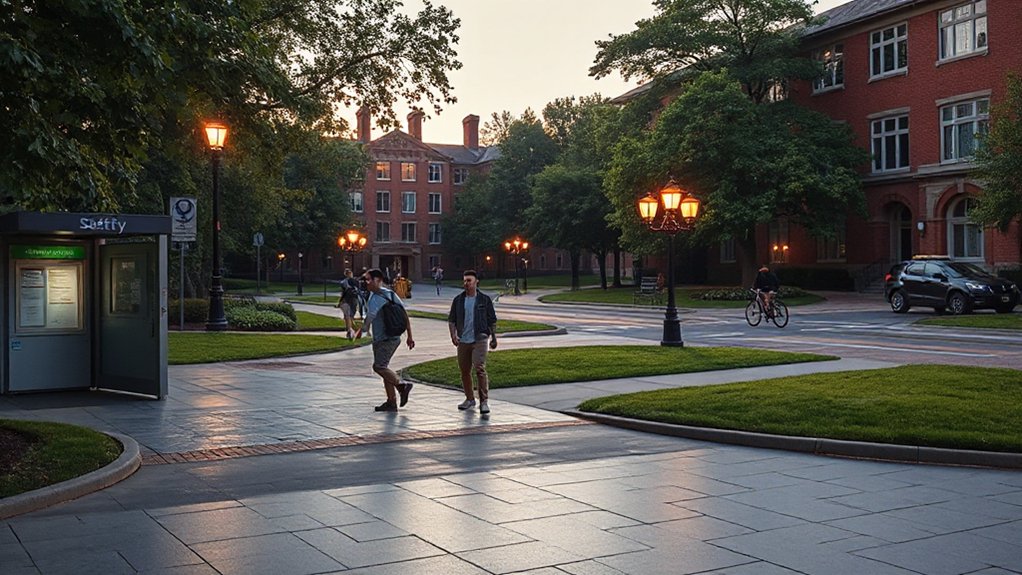
You’ll want a clear read on campus safety as a core value driver for Durham’s university ecosystem.
We’ll outline the current safety landscape, the implemented security measures, and the student-access resources that translate data into actionable protections.
This snapshot sets the stage for targeted decisions on risk, responsiveness, and return on campus life investments.
Campus Safety Overview
Campus safety on Durham’s campus is a strategic priority supported by data-driven initiatives, real-time reporting, and targeted prevention programs, all aimed at maintaining a secure environment for students, faculty, and staff. You’ll notice how metrics guide actions, ensuring student security is measurable, transparent, and responsive.
The campus safety ecosystem prioritizes prevention, quick communication, and collaboration across departments to sustain belonging and trust.
- Real-time incident dashboards help you understand risk while informing rapid responses.
- Data-informed patrols and lighting upgrades elevate safety without compromising campus significance.
- Anonymous reporting channels empower you to seek help confidently.
- Community outreach connects students, faculty, and staff to safety resources and training.
Security Measures Implemented
To safeguard every stakeholder on Durham’s campus, the safety program integrates layered access controls, enhanced surveillance, and rapid-response protocols that remain transparent and measurable.
You’ll see Campus security features designed for predictability: badge-based entry, real-time anomaly alerts, and cross-department data sharing that shortens decision cycles.
Our analytics track incident trends, enabling you to anticipate risk segments and adjust resource deployment accordingly.
Emergency protocols are practiced, documented, and auditable, ensuring you understand roles, timelines, and communication paths during any event.
This approach reinforces trust while optimizing costs, aligning with market realities where safety influences recruitment and retention.
Student Safety Resources
Durham’s campus safety framework extends beyond physical security to empower students with accessible, reliable resources designed for rapid support. You’ll find a data-driven system that prioritizes Campus security and Emergency preparedness, aligning with market expectations for dependable, inclusive services.
By design, resources are centralized, easy to navigate, and integrated with real-time alerts, so you stay informed and connected.
1) 24/7 safety hotline and mobile app notifications for immediate assistance
2) Campus escort and lighting initiatives to deter risk and enhance visibility
3) Emergency drills, safety trainings, and updated protocols for confident decision-making
4) Clear reporting channels, rapid response timelines, and transparency in outcomes
This approach reinforces belonging while protecting you with strategic, measurable safety resources.
Accessibility and Inclusion on Durham Campuses
You’ll see that Durham’s universities are prioritizing accessible infrastructure, inclusive policies, and targeted outreach to guarantee students, staff, and visitors of all abilities can engage fully. You’ll notice a data-driven emphasis on accessibility initiatives across campuses, with metrics tracking entry points, wayfinding, and classroom accommodations that reduce friction for users with diverse needs.
Market signals show sustained demand for inclusive campus programs, from adaptive learning tools to nursing and engineering labs designed for broad participation. Strategic investments align with enrollment growth, retention, and equity goals, ensuring predictable access to services like transportation, residence halls, and digital portals.
These initiatives strengthen belonging, signaling Durham as a place where everyone can contribute, learn, and thrive together.
Liveable Durham Neighborhoods: Culture, Parks, and Amenities
Liveable Durham neighborhoods balance culture, green space, and practical amenities to attract residents, visitors, and talent. You’ll notice how data shows strong demand for walkable cores, preserved charm, and diverse culinary scenes that reflect the city’s cultural diversity.
Strategic planning priorities emphasize accessible parks, mixed-use blocks, and safe, predictable mobility options, all contributing to neighborhood charm that resonates with newcomers and long-time residents alike.
In a market where institutions anchor value, these districts sustain steady appreciation as amenities scale with population growth. You’ll feel a sense of belonging through curated experiences, neighborhood calendars, and inclusive programs that celebrate diversity.
The result: higher quality of life, stronger retention, and a competitive edge for Durham’s global appeal.
- Diverse cultural events and inclusive programming
- Walkable cores with parks, trails, and kid-friendly spaces
- Mixed-use, hospitality, and local business clusters
- Data-driven improvements tied to resident feedback and outcomes
Affordable Living in a High‑Demand Market
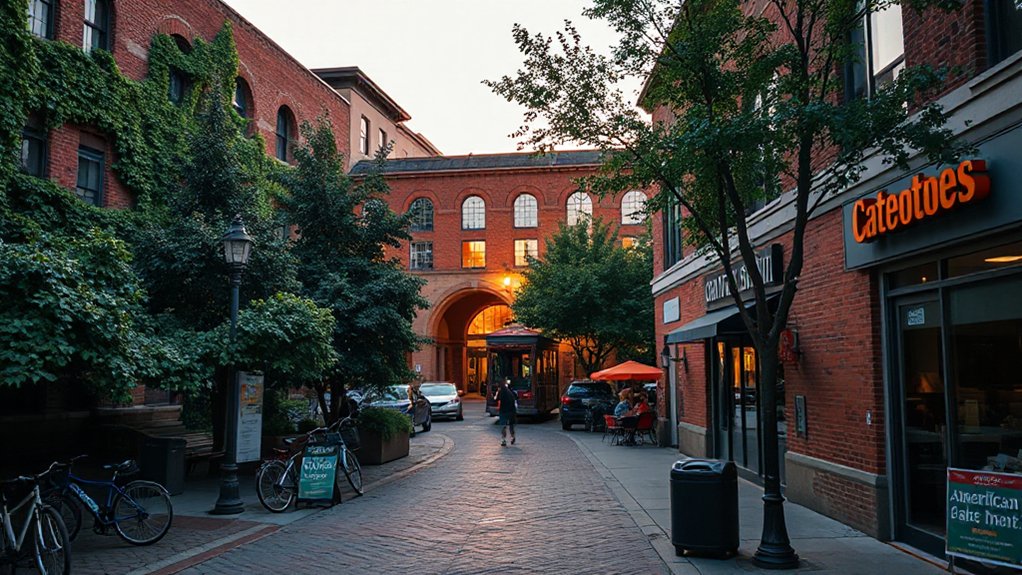
You’ll see how cost of living trends shape your budgeting in Durham’s high-demand market.
With housing availability signals and shifting market demand dynamics, you can spot where affordability tightens and where options expand.
This data-driven view guides strategic choices on where to invest, rent, or negotiate terms to balance cost with access to the university-city advantages.
Cost of Living Trends
Cost of living in Durham’s high-demand university environment tightens where it matters most: housing, groceries, and transit costs are rising faster than the national average, yet pockets of affordability persist for students and long-term residents who optimize location and timing.
You’ll see measured shifts in a data-driven landscape: cost inflation outpaces wage growth in several submarkets, while targeted districts maintain housing affordability through density and transit access.
Strategic choices—seasonal leasing, roommate models, and utility-conscious planning—can protect budgets without sacrificing quality of life.
Below, key trends summarize where value remains.
- Housing affordability gaps narrow when you align lease timing with peak demand and explore symbolically efficient neighborhoods.
- Groceries show mixed inflation, with staples stabilizing where co-ops and bulk options prevail.
- Transit costs stay predictable with monthly passes and campus shuttles shaping total expenses.
- Income-adjusted spending remains essential for sustained affordability.
Housing Availability Signals
You’ll notice housing signals that map to academic cycles, with visible dips in competition during breaks and renewed demand at semester starts. This pattern creates predictable windows for negotiation, renewals, and optimized pricing, helping you anchor decisions in data rather than guesswork.
You’ll also see developers prioritizing affordable, transit-accessible options in core neighborhoods, signaling sustained Demand signals across price bands. By tracking these indicators, you position yourself to belong within a thriving, value-conscious community, balancing long-term stability with mobility.
In this framework, informed choices translate to confident, connected living.
Market Demand Dynamics
How does demand move in Durham’s high-cost landscape, and what does that mean for affordable living? You’ll see how market fluctuations shape rents, housing supply, and entry points for communities. By tracking student enrollment alongside broader economic signals, you gain a clear view of where demand concentrates and how quickly it shifts. This is your map to predictability in a competitive market and to align strategies that foster belonging for residents and students alike.
- Monitor market fluctuations quarterly to forecast affordability gaps and policy responses.
- Compare year-over-year student enrollment trends with local housing absorption rates for timing precision.
- Align development and occupancy plans with demand signals to maximize stability and inclusivity.
- Prioritize retention-friendly strategies that balance price, access, and community connection.
Getting Around: Transit, Commutes, and Connectivity
Durham’s transit network anchors a tight, commuter-friendly ecosystem: buses, rail, and bike lanes connect students, professionals, and residents to the university, downtown, and surrounding tech hubs, with reliable frequency and growing last-mile options.
You’ll find public transportation woven into daily routines, supporting predictable commutes and reduced car dependence. Data shows consistent adherence to schedules, strong peak-hour ridership, and improving fare integration across modes, boosting overall mobility.
Commuting options span rapid links to campus, cross-town connections, and pedestrian-friendly corridors that shorten transfer times.
Market intelligence highlights ongoing investments in station improvements, real-time updates, and scalable service adjustments aligned with enrollment cycles.
Belonging emerges when you experience seamless access, inclusive planning, and a transit-forward culture that keeps Durham’s economy accessible to everyone.
Durham’s Startup Vibe: Founders, Resources, and Funding
You’ll see a startup scene shaped by a strong founders’ network, signaling faster collaboration and mentorship access.
Momentum in local investment grows as funds align with university-backed ventures and scalable sectors, enabling quicker rounds and proven traction.
The resource ecosystem—incubators, accelerators, and government programs—offers clear avenues for funding, talent, and go-to-market support.
Founders’ Network Strength
Founders in Durham benefit from a tightly knit network that accelerates startup velocity, pairing active peer collaboration with a robust flow of resources. You’ll feel the pulse of a disciplined entrepreneurial ecosystem where metrics align with momentum, enabling faster validation, hiring, and go-to-market timing.
The network’s strength isn’t just social; it’s infrastructural, with mentors, peers, and formal programs driving measurable outcomes.
1) Founders’ collaboration fuels rapid iteration cycles and knowledge transfer
2) Entrepreneurial ecosystem metrics show higher startup survival and fundraising efficiency
3) Access to shared labs, co-working, and mentorship compresses development timelines
4) Community-driven events convert insights into tangible market advantages
This cohesion supports belonging while keeping you market-aware, outcome-focused, and strategically positioned for scale.
Local Investment Momentum
The ecosystem rewards rapid experimentation, aligned with a pragmatic growth rhythm that minimizes risk while maximizing valuation upside. You feel part of a planning culture that prioritizes evidence, measurable outcomes, and strategic hiring.
Cultural festivals and a robust Food scene amplify community visibility, attracting talent and collaboration. This momentum isn’t flashy; it’s structured, inclusive, and sustainable, signaling durable momentum for founders who seek belonging and peer validation within a market-savvy, supportive city.
Resource Ecosystem Avenues
- Resource hubs catalyze early-stage ventures
- Innovation clusters align university assets with market需求
- Mentorship, capital, and talent in one coordinated network
- Measurable milestones drive repeatable outcomes
Building the Talent Pipeline: Universities and Employers

Building the talent pipeline starts with universities and employers co-creating outcomes: they align curricula, capstone projects, and internships to meet Durham’s high-demand sectors, from biotech to advanced manufacturing.
You’ll see data-guided pathway design that ties academic milestones to employer needs, reducing time-to-competence and elevating retention.
Strategic partnerships unfold through alumni networking, exposing students to real-world metrics and career trajectories, while faculty collaborations translate industry insights into measurable learning gains.
Universities map competency frameworks to market demand, then co-sponsor projects that mirror current lab or shop-floor challenges.
Employers gain access to a steady talent influx without a lengthy search, and students gain belonging through tangible, portfolio-worthy experiences.
The result is a connected ecosystem where skills, outcomes, and opportunities align, reinforcing Durham’s status as a talent-forward city.
Campus and Community Partnerships That Drive Growth
Campus-Community Synergy fuels faster growth by aligning university research with local industry needs, creating repeatable pilot programs and measurable ROI.
You’ll see Partnership-Driven Growth emerge as shared metrics, funding, and governance structures evolve to sustain collaboration.
Local Engagement Impact becomes a data-driven feedback loop, ensuring every campus initiative translates into tangible economic and community benefits.
Campus-Community Synergy
Campus and community partnerships fuel Durham’s growth by aligning university resources with local needs, translating research into real-world solutions, and accelerating economic development.
- You collaborate with municipal teams to turn lab findings into market-ready ventures that create jobs and sustain neighborhoods.
- You leverage data on urban parks and cultural festivals to tailor programs that attract students, residents, and visitors alike.
- You measure impact with clear metrics, linking grant outcomes to long-term resilience and private investment.
- You scale pilots across sectors, ensuring research translates into durable improvements that reinforce community pride and belonging.
Partnership-Driven Growth
Data show steady compounding effects: joint ventures, internships, and co-developed curricula lift employer demand, wage points, and startup activity in the region. You prioritize impact metrics, monitoring partner retention, lifecycle revenue, and time-to-market reductions.
Local Engagement Impact
Local engagement drives measurable growth when campus and community partnerships align with real market needs. You’ll see how Local traditions and community events foster trust, turnout, and long-term investment in Durham’s ecosystem.
Data shows partnerships lift semester enrollment, fundraising, and local business vibrancy, while preserving cultural authenticity. You benefit from a thriving sense of belonging when you connect with partners who value shared outcomes, transparency, and measurable impact.
- Align programs with labor-market signals and neighborhood needs to maximize participation.
- Track attendance, economic spillovers, and repeat collaboration to confirm value.
- Co-create events that celebrate Local traditions while advancing inclusive growth.
- Invest in shared infrastructure, ensuring accessibility, safety, and sustained engagement.
Durham’s Location: Raleigh, the Triangle, and Beyond
Durham sits at a strategic crossroads among Raleigh, the broader Triangle, and key east coast markets, giving universities here immediate access to a diverse talent pool, research funding, and corporate partnerships. You’ll find a location premium reflected in sustained fixity of demand from students, faculty, and industry collaborators.
Data shows rapid commute times, interoperable transport, and growing incubator activity, reinforcing Durham’s role as a hub within a regional knowledge economy.
Beyond campus gates, the city’s mix of historical architecture and modern infrastructure supports recruiting across generations, while the culinary scene enhances retention by elevating quality of life.
With easy access to flagship research corridors, Durham compounds collaboration opportunities, aligning strategic objectives with measurable outcomes for students, faculty, and partner organizations.
Frequently Asked Questions
How Does Durham Maintain Housing Affordability Amid Demand?
Durham maintains housing affordability by expanding multifamily supply and preserving existing units, while targeting affordable housing through income-restrictive programs. You’ll see data-driven incentives, community initiatives, and market-aware zoning that foster belonging for residents across incomes.
What Makes Durham a Magnet for Out-Of-State Students?
You’re drawn by a thriving campus culture and standout local attractions, which data shows boosts retention and outcomes; you’ll feel belonging as you choose Durham, where market signals align with community vibe and strategic growth.
How Do Internships Influence Durham’s Student Outcomes?
You glimpse the gilded doorways of opportunity; internships sharpen your skills. You’ll see internship benefits translate into tangible outcomes, boosting Student success, as data shows stronger employment, networks, and belonging in Durham’s thriving academic market.
Which Employers Actively Recruit From Durham’s Universities?
Bonuses come from employers actively recruiting from Durham’s universities, including top tech and research firms; you’ll benefit from strong alumni networks and employer partnerships, guiding you toward in-demand roles and belonging within a data-driven, market-aware ecosystem.
What Are Durham’s Non-Academic Strengths Attracting Applicants?
You see a thriving campus culture and robust community engagement, drawing applicants who value belonging; Durham’s non-academic strengths—collaborative scenes, supportive networks, and accessible amenities—signal stability, opportunity, and a data-driven path to personal and professional growth.
Conclusion
Durham remains a dynamic, data‑driven draw for students, startups, and sector leaders. With top-tier programs fueling demand, cross‑disciplinary collaboration accelerating innovation, and a robust talent pipeline backed by campuses and employers, growth is steady and strategic. Accessible amenities, partnerships, and a favorable location amplify momentum in the Triangle. If you aim for impact at scale, stay the course, strengthen synergies, and seize scalable, state‑of‑the‑art opportunities in Durham’s distinguished, dense, development‑driven ecosystem.