

Oxford stays a high-demand rental market because housing stock is tight and student enrollment is large, driving turnover and short-term leases. The city’s strong university-backed employment, research activity, and expanding campuses shape steady demand across neighborhoods, especially near transit, amenities, and study hubs. Historic charm and preserved heritage boost premium rents, while robust infrastructure and vibrant cultural scenes sustain occupancy. Market timing, zoning, and new mixed-use projects influence pricing and supply. If you keep reading, you’ll get more actionable insights.
What Drives Oxford’s Rental Demand

Oxford’s rental demand is driven by a tight housing supply, high student enrollment, and a growing demand from research and teaching staff. You monitor the balance between supply projects, university housing pull, and market absorption to forecast vacancies accurately.
Rental affordability remains a core pressure point; costs trend upward even as alternatives evolve, affecting how households budget and perceive value. Tenant rights emerge as a market signal, shaping negotiation dynamics and long‑term tenancy stability.
Data indicate that occupancy rates stay high, while turnover compresses, rewarding efficient property management and transparent leasing terms. You prioritize baseline metrics—rent growth, time on market, occupancy by sector—and translate them into practical guidance for investors and landlords seeking sustainable, inclusive options.
Belonging comes from fair, predictable housing tied to solid market intelligence.
Who Rents in Oxford: Students, Researchers, and Professionals
Students dominate Oxford’s rental market, but they aren’t the only sizable cohort; researchers and professionals together account for a substantial and growing share. You’ll notice demand split across strings of neighborhoods, from historic cores to modern business districts, reflecting a diversified age and career mix.
Data show students remain a foundational pillar, yet researchers and professionals increasingly influence vacancy trends, lease terms, and price brackets. This mix stabilizes occupancy during term gaps and expands the market’s resilience to seasonal swings.
Historical architecture plays a role in appeal, while rental affordability remains a critical delimiter between entry points and premium locations. When you evaluate options, you’ll value transparent pricing, clear tenancy conditions, and neighborhood identity that supports both study and career progression.
How Universities Shape Oxford Housing Needs
Universities steer Oxford’s housing demand through clear, data-driven patterns: large student populations drive rental turnover, while research-intensive campuses push up demand for high-quality, longer-term leases near university locales. You’ll see occupancy steadiness rise where postgraduate cohorts cluster, and where campus growth predicts multi-year commitments.
Local preferences reflect siting near libraries, labs, and student hubs, shaping supply choices and price tiers. Historical architecture lends character to sought-after blocks, boosting appeal for professionals who want proximity without sacrificing heritage.
Local cuisine influences neighborhood desirability, subtly guiding location bets for shared housing and family-friendly options.
- Student turnover vs. lease duration correlations
- Location premium near faculties and libraries
- Heritage blocks as value drivers
- Culinary-led neighborhood desirability and rents
Oxford’s Economic Engines and Their Rent Impact

Digital and service sectors, along with a globally renowned university ecosystem, shape Oxford’s economic base and, by extension, its rental dynamics. You’ll see that tech firms, research labs, and professional services cluster near knowledge hubs, driving steady demand for housing close to work and study sites.
Employment growth in these engines supports resilient rent levels, even when broader markets ebb. You benefit from a steady influx of students, faculty, and professionals attracted to high-quality housing, well-connected transit, and vibrant neighborhoods.
Historical architecture and cultural festivals anchor appeal, sustaining occupancy and premium yields.
As you assess risk, note that diversified earnings across tech, education, and healthcare support pricing power, while careful timing of new supply preserves affordability and market stability. Your rental strategy should align with these durable, location-driven dynamics.
How Oxford’s Historic Charm Affects Modern Rentals
Historic charm in Oxford isn’t just cosmetic—it shapes renter preferences and price dynamics in tangible ways. You’ll notice demand spikes for properties that reflect Historic architecture, driving premium rents in conserved façades and thoughtfully restored interiors. Cultural preservation signals long-term investment, attracting tenants seeking stability and a sense of place.
Market data show slower turnover for character-rich homes, with higher willingness to pay for authenticity and walkable access to older streets, colleges, and amenities.
- Preference for period details and durable materials
- Premiums tied to preservation quality and certification
- Longer lease cycles amid brand-name and heritage assets
- Community pride fueling neighborhood cohesion and retention
Choose properties that honor heritage, and you join a trusted, belonging-focused market niche.
Why Availability Stays Tight in Oxford
Why is availability so tight in Oxford? Demand consistently outpaces new supply, and your search is shaped by turnover that doesn’t keep pace with modern renter expectations.
Data show limited new-build deliveries near campus and historic preservation reducing redevelopment, while high demand from students, professionals, and international renters absorbs vacancies quickly.
Existing stock leans toward units with premium features, creating a gap for average-rent options. In practice, properties offering luxury amenities attract longer holds and quicker renewals, tightening the pool further for non-luxury seekers.
Rental affordability remains a headline constraint, as price competition compresses inventory at every budget level.
To navigate this market, anchor your strategy in timely applications, transparent criteria, and proactive communication with landlords or managers who value reliability and belonging.
Which Oxford Housing Types Rent Fastest

In Oxford, rental speed hinges on the type and quality of housing these tenants prize. You’ll find that properties combining efficiency, appeal, and durability rent fastest, signaling strong demand for well-maintained spaces with lasting value.
Historical architecture adds cachet, yet renters balance charm with modern practicality, driving quick turnarounds when updates preserve character.
Rental affordability remains the backbone of demand, as households seek predictable costs alongside quality.
Data shows the fastest rents occur where leverageable heritage meets current standards, reducing vacancy risk for landlords and ensuring stable occupancy for tenants.
- Historical architecture attracts quick interest when combined with modern viability
- Updated interiors sustain interest without eroding character
- Clear, predictable rents support longer tenancies
- Proximity to amenities enhances speed to lease, reinforcing affordability
Transport Access as a Core Rent Differentiator
Transport connectivity is a fundamental rent differentiator in Oxford, shaping how quickly units lease and the premiums tenants will pay. You’ll see rental velocity increase where frequent bus routes, rail connections, and walkable university neighborhoods link residents to workplaces and study centers.
Data indicate premium pricing rises with shorter commute times to central campuses and thriving commercial districts, even after considering property quality. Historic architecture and preserved streetscapes add value, but accessibility maintains demand across various demographics.
Cultural festivals boost foot traffic, raising short-term demand and stabilizing occupancy during shoulder seasons. Market insights suggest tenants exchange square footage for transit convenience, opting for neighborhoods with predictable schedules and reliable service.
In this context, transport connectivity anchors pricing and occupancy for Oxford’s rental market.
Neighborhoods Where Renters Prefer to Live
You’ll see renters favor neighborhoods with prime transit access and easy connections to main lines, shaping demand and pricing signals across Oxford.
Proximity to amenities—shops, cafes, and services—drives both occupancy rates and turnover, indicating which areas hold long-term value.
These factors together define where renters cluster and how rents trend, guiding market expectations for landlords and investors alike.
Prime Transit Access
- Proximity to major routes boosts occupancy and retention
- Transit-oriented pockets pair with premium amenities
- Frequent service lowers vacancy risk
- Affordability improves where commuters converge
This pattern shapes market expectations and investment certainty.
Proximity to Amenities
Data show clusters near local cuisine hubs and cultural festivals command premium rents and faster leasing. Walkability scores, park access, and intimate neighborhood centers correlate with longer tenancies and lower vacancy.
You’ll find that tenants disproportionately favor areas with diverse dining, bakeries, and seasonal events, signaling a community feel worth paying for. For investors, prioritizing mixed-use corridors near universities and theaters enhances occupancy stability and long-term value.
International Demand and Its Effect on Rents
Global tenant demand is rising and shaping rental dynamics in Oxford, as international interest concentrates on high-visibility markets.
Currency value shifts influence what overseas buyers and renters can afford, causing predictable swings in monthly rents and vacancy periods.
Short-term stays add pressure on supply, compressing durations of leases and nudging landlords toward market-clearing pricing strategies.
Global Tenant Demand
International demand for rental housing has intensified in recent years, reshaping pricing and vacancy patterns across the Oxford market. You’ll notice cross-border students, researchers, and professionals clustering where university-linked occupations intersect with local opportunity.
Data show higher occupancy in spring and autumn, with rents adjusting rapidly in competitive enclaves near campus and train lines. Global tenant demand elevates turnover risk for landlords, but also reinforces stable occupancy in well‑connected corridors.
You’re invited to view Oxford as a magnet for culture and career; this strengthens community cohesion through shared experiences.
- Cultural festivals drive short-term spikes in bookings and longer-term loyalty
- Local cuisine and dining clusters attract international residents
- Transit access remains a decisive factor for occupancy
- Global cohorts prefer affordable, flexible leases for integration
Currency Value Impacts
Currency value fluctuations dramatically shape international demand and, in turn, rents in Oxford. As an investor or student eyeing this market, you’ll notice when currencies weaken against the pound, international tenants gain purchasing power, lifting demand for well-located properties.
When exchange rates are favorable, more buyers compete, nudging rents higher in prime areas and university corridors. Conversely, currency strength can temper inflows, tempering growth but preserving vacancy resilience through steady demand from domestic and regional renters.
Data show multi-year patterns: gradual pound stabilization often coincides with modest rent expansion, while sharper fluctuations correlate with episodic spikes in inquiry volumes and longer lead times for lease closures.
Monitor currency fluctuations and exchange rates to time acquisitions, negotiations, and portfolio diversification effectively.
Short-Term Stays Pressure
Short-Term Stays have become a high-pressure lever for Oxford rents when international demand spikes. You’ll notice spikes in bid prices, faster lease turnovers, and tighter vacancy rates as short-term demand absorbs supply.
Data show peak weeks driving rent per night upward, with annual averages shifting when conferences, student programs, or global ties flare. This pressure redistributes housing access and shapes neighborhood desirability, reinforcing belonging through stable, long-term options staying competitive.
- Short term cycles dominate pricing signals
- Rental pressure concentrates in core zones
- Supply lag compounds seasonality effects
- Transparent data helps align expectations for locals and newcomers
You gain clarity by watching occupancy trends, price floors, and renewal rates, turning market insight into confident decision‑making.
Seasonal Rent Trends Across the Academic Year

Seasonal rent trends in Oxford follow a predictable cadence tied to the academic calendar: demand climbs before term starts and tapers during holidays, then rebounds for exam periods. You’ll notice clear seasonal fluctuations as students, staff, and visiting researchers align housing needs with term dates.
Data show peak occupancy in late summer and early autumn, with steady utilization through term weeks, followed by a pronounced dip during winter breaks and spring holidays. Rental seasonality reflects school calendars, housing turnover cycles, and planned university events, creating recurring patterns you can anticipate for pricing and inventory planning.
Market breadth across colleges, private providers, and university-managed flats smooths demand but still reinforces in-year cycles. Understanding these rhythms helps you target opportunities, optimize occupancy, and build belonging through reliable, predictable housing options.
Policies and Practices That Shape Oxford Rentals
Policy changes and rent-control discussions are reshaping Oxford’s rental landscape, with data showing how licensing, safety standards, and tenancy protections influence supply and pricing.
Practices around application transparency, deposit norms, and negotiation leverage between landlords and students or researchers drive short- and long-term market stability.
You’ll see how this interplay affects vacancy rates, turnover costs, and the affordability-pressure you monitor as the market evolves.
Policy Impacts on Rentals
Policy impacts on Oxford rentals shape everything from pricing and vacancy to investor confidence and tenant stability. You’ll see how policy levers translate into real outcomes: affordability, supply dynamics, and long-term market health, backed by data and local trends.
Our focus remains rental affordability and tenant rights, framed within investor confidence and housing stability. You’ll notice that regulatory clarity reduces risk, while targeted incentives boost compliant upgrades and quality. The market responds with steadier occupancy and clearer pricing signals, even as demand remains robust.
- Pricing transparency and caps influence affordability without chilling investment
- Tenant rights protections correlate with longer tenancies and reduced turnover
- Licensing, inspections, and compliance data guide investment decisions
- Public-private partnerships expand safe, quality rental stock while safeguarding renters
Practices Shaping Oxford Rents
As Oxford’s rental landscape evolves, practices—from rental listings and pricing disclosures to inspection routines and licensing—shape outcomes as much as policy. You’ll notice transparent listings, standardized disclosures, and clear timing around deposits, all influencing perceived fairness and trust.
Market data show pricing practices respond to demand signals, vacancy rates, and enforcement of licensing requirements, reducing abrupt rent spikes and encouraging longer tenancies.
Dependable inspections and documented maintenance bolster habitability, supporting tenant rights while stabilizing occupancy.
When reputable agents publish consistent disclosures, renters gain comparable information, lowering information asymmetry and fostering belonging in a tight market.
Robust protections around renewal options and dispute resolution nurture Rental affordability by guarding against sudden escalations, ensuring communities stay accessible for longer.
Your informed participation strengthens the system for everyone.
When Rents Move: Investment Cycles in Oxford
When rents rise or fall, investment cycles in Oxford respond quickly, reshaping where developers allocate capital and which neighborhoods attract buyers and tenants. You’ll notice capital flows favor areas with existing infrastructure, favorable zoning, and visible demand signals, creating a feedback loop that reinforces price momentum.
Historical preservation and cultural influences guide decisions, balancing gains with long-term identity. Land values adjust as expectations shift, and developers recalibrate portfolios toward scalable projects, mixed-use concepts, and sustainable density.
You benefit from transparency around risk, as market data aligns with supply constraints and demographic trends. The cycle contracts when approvals lag, and expands when incentives align with renter needs. Trust that market signals increasingly reflect community heritage and shared spaces.
- Demand signals concentrate near transit and amenities
- Developers prioritize mixed-use, walkable corridors
- Asset turnover accelerates during favorable policy windows
- Longevity and stewardship shape investment narratives
What Renters Value: Quality and Reliability in Oxford Rentals
Renters in Oxford prioritize dependable, well-maintained homes and predictable costs, and they reward landlords who deliver on those promises with longer tenancies and reduced turnover.
In our market snapshot, renter satisfaction climbs where properties demonstrate proactive property maintenance, timely repairs, and transparent rent structures. Data show that units with responsive maintenance response times correlate with higher renewal rates and lower vacancy durations, while predictable cost frameworks correlate with stronger tenant loyalty.
Landlords who document maintenance schedules, share service standards, and execute regular inspections tend to attract applicants faster and command steadier rents. For Oxford’s demand dynamics, reliability isn’t a nicety—it’s a strategic differentiator.
When you invest in quality upkeep and clear communication, you reinforce belonging and trust, stabilizing occupancy and elevating market reputation.
How Planning Shapes the Oxford Rental Market
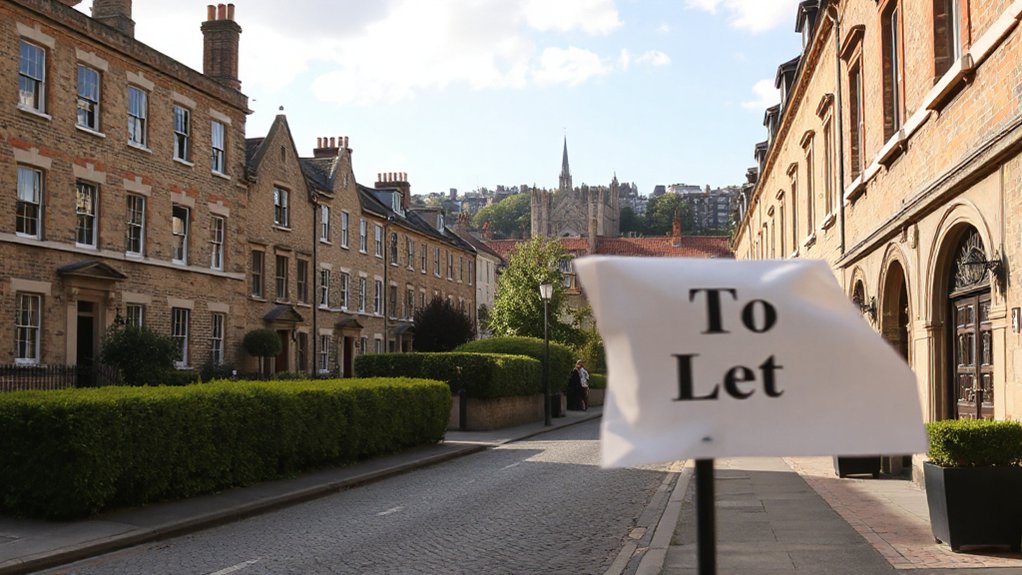
Planning decisions are shaping demand trends, as predictable policy signals steer where renters look first.
Zoning choices are compressing or expanding the rental supply, influencing rents and vacancy rates in real time.
Infrastructure investments, school performance, and overall livability determine the attractiveness of neighborhoods and the pace of rental market shifts.
Planning-Driven Demand Trends
How does planning shape demand in Oxford’s rental market? You’ll see demand driven by long-range housing strategies, transport access plans, and university expansion timelines.
When planners signal new student accommodations and mixed-use blocks, you respond with sharper timing, targeting blocks near campuses and transit routes.
Data shows that anticipated capacity boosts lift occupancy faster than reactive moves, reinforcing a sense of belonging for students and professionals alike.
You’ll notice rental affordability improving where planning prioritizes diversified price bands and stable management.
- Strategic siting of student accommodations near campuses
- Transit-oriented development reducing commute costs
- Phased approvals stabilizing rents for tenants
- Inclusive housing mandates enhancing community feel while maintaining affordability
Zoning Shapes Rental Supply
Zoning policies directly limit and steer the rental supply in Oxford by dictating where new housing can go, how tall it can be, and which uses are allowed. You’ll see how zoning regulations shape developers’ decisions, signaling which parcels pencil out for multifamily projects and which stay stagnant.
Across districts, permitted densities, set-back rules, and use classifications translate into tangible supply outcomes, influencing vacancy rates and rent trajectories. Land development cycles respond to these rules with disciplined pace, often delaying new units during neighborhood reviews or before cornerstone infrastructure aligns.
For renters, this means tighter competition for available homes and steadier price momentum, even as targeted re‑zoning efforts could liberate modest gains in affordable stock. Overall, planning signals anchor market expectations and housing accessibility.
Infrastructure, Schools, and Livability
Infrastructure and schools directly shape rental desirability and price dynamics in Oxford. You’ll see how well-connected neighborhoods, top schools, and livable streets correlate with higher rents and faster leasing.
Data shows influxes around campuses, cultural festivals, and neighborhood amenities lift occupancy rates and premium pricing. You feel part of a thriving community when infrastructure supports daily life, safe commutes, and walkable living.
Local cuisine scenes and festival calendars further anchor demand, creating predictable rental cycles.
- Proximity to schools and transit drives premium rents
- Green spaces and walkability boost occupancy stability
- Cultural festivals raise short‑term demand, long‑term desirability
- Local cuisine anchors neighborhood identity and repeat visits
This is why Oxford remains a high‑demand market.
Practical Advice for Finding Rentals in Oxford
If you’re hunting for rentals in Oxford, start by mapping the market: know typical price ranges, neighborhood strengths, and turnover rates to target listings that align with your budget and timing. In practice, rely on transparent data from university housing offices, local agencies, and recent lease comps to gauge value.
Prioritize neighborhoods with amenities, transport links, and consistent vacancy rates to minimize searching time. Use targeted alerts and pre-screened portfolios to curb delays.
Be mindful of rental scams—verify listings, request in-person tours, and confirm ownership before transferring funds. Clarify pet policies upfront to avoid disputes and assure accommodations match your lifestyle.
Document communication, compare terms, and negotiate leases with market benchmarks to secure a fair, stable arrangement. Belonging hinges on informed, timely decisions.
Frequently Asked Questions
How Do Rental Prices Vary by Oxford College Proximity?
You’ll see closer College proximity nudges rents higher, while Rental price variation widens near prestigious colleges. You’ll notice data-driven patterns: proximity boosts demand, shaping rents; distance lowers premiums, making some rooms feel like valuable belonging, even as prices diverge.
What Amenities Most Influence Lease Renewal Decisions?
You prioritize luxury amenities, pet policies, and responsive maintenance; you renew when spaces feel premium, predictable, and inclusive. You value data-driven trends, you compare options, you stay informed, you belong, you secure trusted, member-focused experiences.
Do Short-Term Leases Dominate Student Housing Demand?
Short-term leases do not dominate; you prefer flexibility. Student preferences show strong demand for lease flexibility, but market data indicates balanced attractions, with many appreciating longer terms. You gain belonging by aligning options to flexible, data-driven housing choices.
How Does Landlord Licensing Impact Rent Stability?
Like a well-tuned orchestra, you see rent stability improve when licensing regulations and tenant screening are rigorous. You, as a landlord, align practices with data, reducing volatility and boosting market-wide confidence for tenants seeking belonging.
Which Neighborhoods Offer the Best Value for Renters?
You’ll find the best value in neighborhoods with steady Historical housing trends and strong Local transportation access, balancing affordability and proximity to amenities, schools, and employment to foster belonging while you monitor market shifts and rental stability.
Conclusion
You’ll feel the market pulse: demand stays high because Oxford blends universities, tech and heritage into a steady rent engine. Students, researchers, and professionals cluster here, while planning turns the wheel of supply. Rents rise with quality, reliability, and future-proof upgrades. Even as cycles shift, Oxford’s premiums persist—driven by anchored institutions and strong economic engines. In this market, you’re investing in consistency, not just space; a steady heartbeat in a city that never stops redefining value. It’s a magnet.