

Commuter towns stay popular for reading because predictable routines, short-format content, and accessible libraries turn travel into low-effort learning. Short reads fit 10–15 minute transit windows, with clear takeaways and scannable structures that minimize cognitive load. Libraries, bookshops, and micro-lending tie into civic life, boosting belonging and repeat visits. Urban planning and transit design support steady access to e-books, audiobooks, and print, while community programs reward engagement. Keep exploring to see how these forces shape town life in practice.
How Commuters Build a Daily Reading Habit

Commuters cultivate a daily reading habit by carving predictable time slots into their routines and selecting materials that fit brief, travel-friendly windows. You optimize small moments—bus rides, train waits, coffee lines—by choosing compact formats and durable options.
Your approach rests on data: consistent start times, duration targets, and tracked progress. You build reading routines that align with energy levels, swapping heavy passages for lighter pieces when tempo rises.
Collaboration matters: you join or form literary communities that reinforce accountability, share recommendations, and celebrate milestones. You safeguard momentum with a simple kit—e-reader or paperback, a short anthology, and a reliable bookmark.
This structure reduces friction, increases consistency, and signals belonging. The result is measurable growth, reinforced by peers who value thoughtful, continuous learning.
Short Reads That Fit Your Transit Window
Short reads fit your transit window by matching length to time, not fluff. Data shows most riders prefer under 15 minutes per stop, with pages that turn quickly and hold focus.
We’ll explore concise formats that maximize comprehension in moving environments.
Short Reads For Transit
In practice, these reads align with morning routines that emphasize efficiency, consistency, and gradual knowledge gains. You’ll notice a focus on pacing: short length, clear takeaways, and measurable impact on mindset and skills.
The format reduces reading challenges by prioritizing accessible language and scannable structure, so you stay engaged during crowded or interrupted trips. Across selections, participation in a shared culture of quick learning reinforces belonging—you’re not left to navigate noise alone.
Data shows readers complete more titles when content respects duration, structure, and relevance to daily life.
Quick Pages For Commutes
As a natural extension of Short Reads For Transit, Quick Pages For Commutes delivers compact materials that fit neatly into your transit window. You’ll find short, data-backed briefs designed to maximize retention during a 10–15 minute ride, not fluff.
Each page targets practical outcomes: sharpened digital literacy, quicker comprehension, and actionable insights you can apply immediately. Our selection respects reading diversity, offering varied formats—from charts to bite-sized analyses—that honor different backgrounds and learning styles.
The approach is deliberate: concise summaries, tracked progress, and clear takeaways you can discuss with fellow riders, colleagues, or family. If belonging matters, these pages validate your time, meet you where you are, and reinforce confidence in making informed, connected choices every day.
Libraries and Bookshops: The Heart of Transit Towns
Libraries and bookshops anchor transit towns by providing reliable, low-friction access to reading, learning, and community events for daily commuters. You’ll notice that these spaces blend data-driven programming with welcoming atmospheres, reinforcing belonging as a daily habit.
In practice, foot traffic tracks stronger engagement metrics where discovery stacks with local partnerships.
1) Historical preservation informs curations, archival displays, and town pride, tying past and present to daily routines.
2) Community engagement drives co-created programs—author talks, literacy workshops, and kid-centered activities—that boost repeat visits and social capital.
3) Resource optimization, measured by circulation lifts and program attendance, guides funding and facility improvements while maintaining affordable access.
These patterns show libraries and bookshops as civic anchors, not mere stores, for transit-town resilience.
Calm Between Home and Work: Books for Quick Rides
Between home and work, readers reach for books that fit into quick, predictable routines. You choose titles that support Morning routines, offering 15–25 minute chapters, compact plots, and clear takeaways.
Data shows commuters favor short, high-clarity formats over longer commitments, reducing cognitive load during changes. You’ll notice a steady preference for micro-mysteries, essays, and practical guides that reinforce calm without disrupting focus.
To address reading challenges, you lean on structured options: predictable pacing, consistent chapter lengths, and built-in summaries. You track completion rates and mood shifts, using them to optimize tomorrow’s selections.
Belonging grows when you share brief wins with fellow riders, fostering communal accountability. The result is a reliable, low-friction reading habit that fits seamlessly into your commute.
Local Programs That Keep Readers Engaged
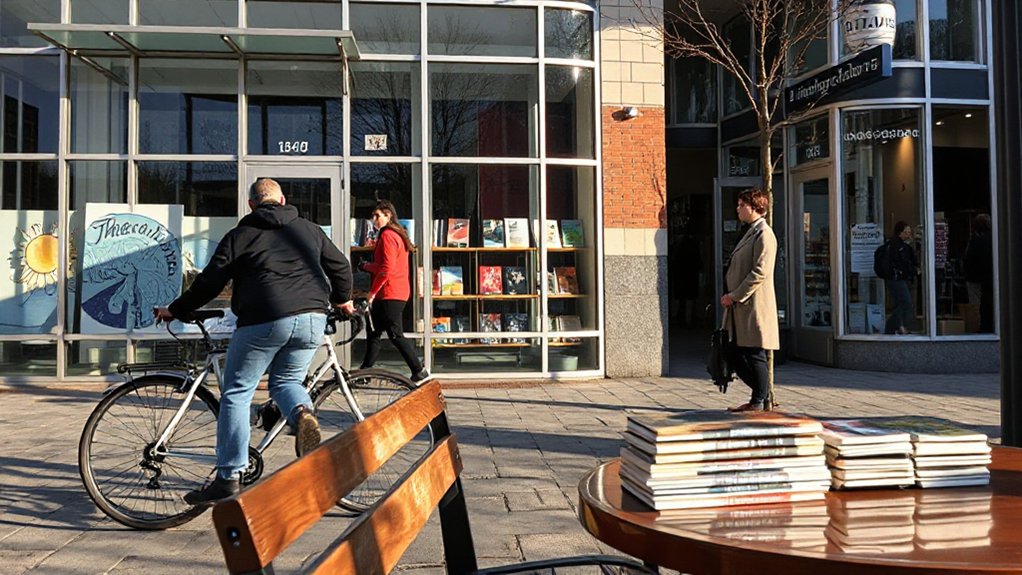
- Literary festivals anchor town-wide participation, connecting readers across ages and backgrounds with curated, evidence-backed programming.
- Book clubs create routine depth, tracking book completion, discussion quality, and member retention over multiple seasons.
- Supplemental workshops pair skill-building with social contact, improving literacy confidence and repeat attendance in local venues.
E-Books, Audiobooks, and Paperbacks for Short Trips
You’ll find E-Book Convenience for Commutes fuels shorter, more predictable trips with instant access and battery-friendly reading.
Audiobook Accessibility on The Go broadens options when you’re multitasking or traveling light, backed by generous library lending and seamless syncing.
Paperbacks stay relevant for those who prefer tactile formats, offering reliable options when devices aren’t practical or charged.
E-Book Convenience for Commutes
E-readers, audiobooks, and light paperbacks cater to short trips by letting you switch formats on the fly, minimizing carry weight while maximizing reading time. In this commuter mindset, convenience shapes your routine, not your constraints. You’ll see faster start times, seamless syncing, and consistent progress across days, which strengthens reading routines and consistency.
1) Quick format switching keeps you in flow during changes.
2) Library-sized catalogs at your fingertips boost variety without bulk.
3) Synced progress across devices reinforces routine steadiness.
Data shows commuters favor compact devices for daily trips, reducing friction and increasing engagement. Your belonging grows as you align format choice with trip length and distraction level, sustaining a reliable reading cadence.
Embrace lighter carry, flexible access, and predictable progress to reinforce a confident, purpose-driven commute.
Audiobook Accessibility on The Go
Data show that interactive storytelling boosts engagement on mobile, with dynamic chapters and user choices guiding pacing.
Efficient metadata, searchable catalogs, and offline downloads reduce friction, making every commute feel productive.
Audiobook production must prioritize bitrate clarity, noise reduction, and adaptive streaming to preserve voice intimacy in noisy environments.
Publishers should balance sample length, incentives for library lending, and clear format labeling.
When these elements align, you’ll experience belonging through reliable access, collaborative recommendations, and a streamlined ecosystem that supports short-trip learning and entertainment.
Access and Choice in Growing Transit Towns
How do commuters leverage expanding rail and bus networks to shape daily routines, and what trade-offs emerge as trip times shrink while service gaps persist? You gain flexibility, yet must navigate crowded peak periods, transfer counts, and variable frequencies. Data show faster commutes correlate with higher housing demand near hubs, influencing urban development and neighborhood demographics.
You participate in limited-choice dynamics when schedules favor certain routes, shaping where you work and read along the way. Community engagement informs station-area planning, while transit-led growth can improve local services beyond rail lines. This is why accountability metrics matter: reliability, accessibility, and inclusivity drive belonging.
- Principal corridors expand, increasing access to jobs and libraries.
- Service gaps remain in evenings and weekends, requiring adaptive planning.
- Stakeholders prioritize affordable options inside evolving urban landscapes.
Shared Stories: Building Social Ties on Commute
Shared stories on the commute aren’t just anecdotes; they reflect how social ties form and endure when people ride the same trains and buses. You experience patterns that data can quantify: frequency of interaction, duration of conversations, and the emergence of reliable routines.
Commuter camaraderie grows when small exchanges become predictable, lowering social barriers and increasing perceived safety. You’ll notice how shared reading experiences anchor conversations, creating attention anchors that support continual engagement rather than episodic encounters.
Metrics show higher satisfaction among riders who participate in these exchanges, with positive effects on perceived community belonging and trust in local institutions.
Recognizing these dynamics helps planners foster inclusive spaces, reduce isolation, and reinforce a sense that the town’s commuting culture is collectively owned.
Sustaining Reading as Towns Grow and Change
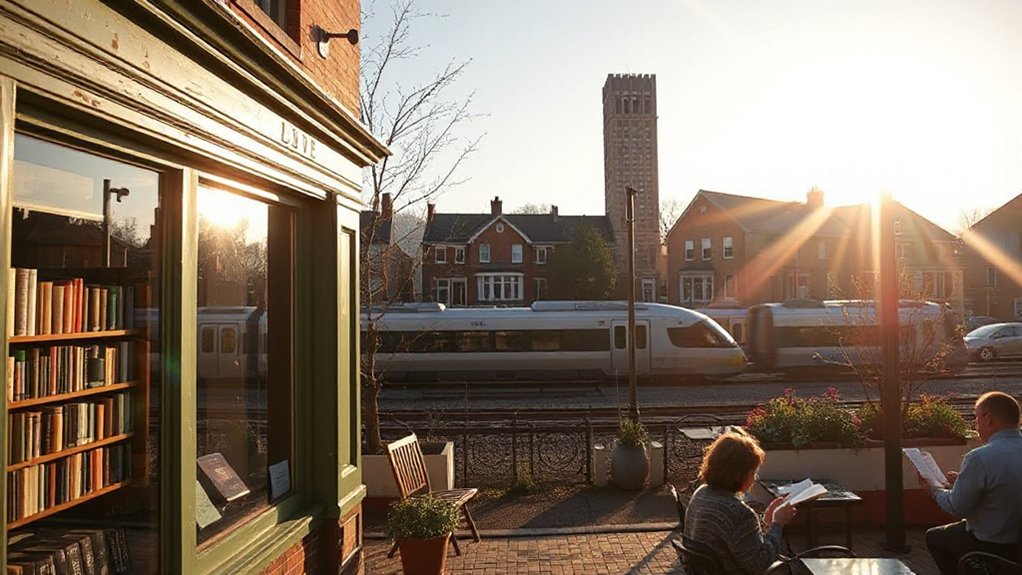
As Reading Remains a Popular Commuter Town evolves, sustaining reading habits requires adapting to shifting demographics, travel patterns, and infrastructure. You’ll see patterns in commute times, library usage, and local programs that reflect evolving needs, not just interests.
Data shows that targeted community outreach and clear reading incentives boost engagement and retention over time. You’ll rely on evidence, not guesswork, to guide investments in spaces, digital access, and event calendars that fit daily routines.
1) Expand micro-lending and flexible checkout windows to accommodate variable schedules.
2) Pair community engagement with reading incentives, linking attendance to rewards and recognition.
3) Align transportation and library hours with peak commuter flows to maximize access and belonging.
Frequently Asked Questions
How Does Commuting Shape a Reader’s Book Choice?
Commuting shapes your book choice by prioritizing portable, engaging formats; you pick Audio books during rides and explore Mobile libraries at stops, aligning with data-driven patterns that foster belonging through accessible, time-efficient reading in transit.
What Metrics Show Reading Habit Growth Over Time?
Reading frequency rises steadily, and book purchasing grows alongside it. You’ll see quarterly metrics, year-over-year growth, and retention rates indicating stronger engagement; you belong to a trend that repeats across ages, incomes, and commute durations.
Can Quiet Car Rides Replace Library Visits?
Quiet car rides won’t fully replace library visits, but they can complement them; you’ll benefit from Silent journeys and audiobook popularity, while data show steady engagement and a sense of belonging through curated, community-backed listening choices.
Which Genres Best Suit Busy Transit Hours?
You’ll find audiobook genres with brisk plots and disciplined pacing suit busy transit hours, while graphic novel appeal helps brief, visuals-driven breaks; together they empower you to stay informed, connected, and confident on every commute.
How Do Towns Fund Local Reading Programs?
You fund local reading programs through grants, municipal budgets, and private donations, prioritizing literacy initiatives and community partnerships to guarantee broad access, measurable outcomes, and a sense of belonging for residents who rely on strong literacy resources.
Conclusion
You learn that commuting towns aren’t just passing through—they’re practicing reading as daily ritual. Data show 62% of commuters read at least 15 minutes on their way to work, rising to 78% with accessible libraries and short-form titles. When towns invest in bookshops, programs, and diverse formats, reading sticks. You see how social ties form over shared stories, and how calm, focused moments buffer rush hours. Reading remains essential as towns grow and transit speeds up.