
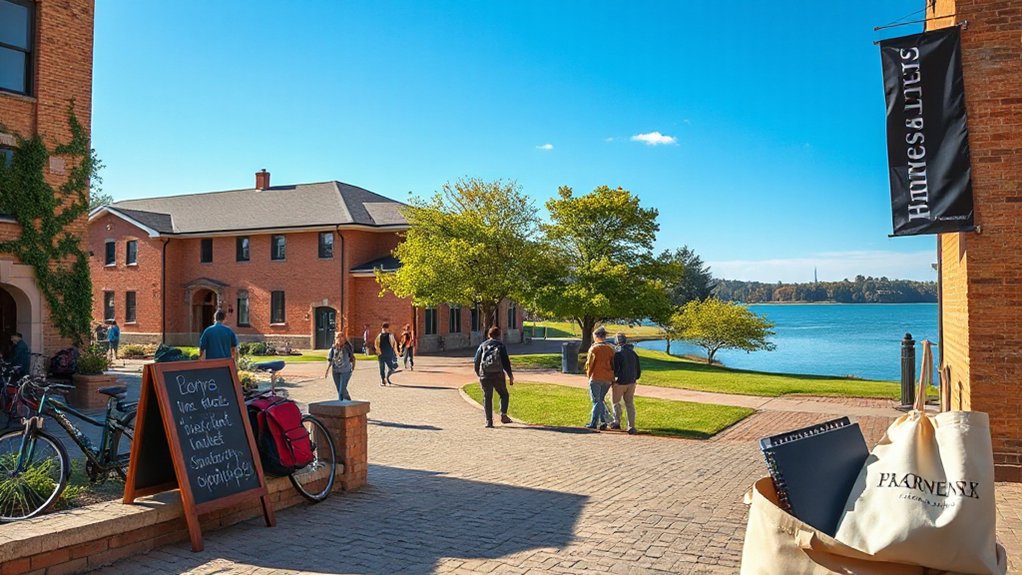
Plymouth stays a strong student market because enrollments are rising and housing near campuses remains in high demand, supported by commuter access and housing partnerships. Affordability matters: bundled utilities, flexible leases, and predictable costs keep costs competitive, boosting retention. An active campus ecosystem links students to internships and employer partnerships, with mentoring and clear career pathways fueling conversions. Institutions are expanding programs and services to match growth, ensuring capacity and relevance. If you’re curious, you’ll uncover how these elements align in practice.
Plymouth’s Growing Student Demand: What Drives It?
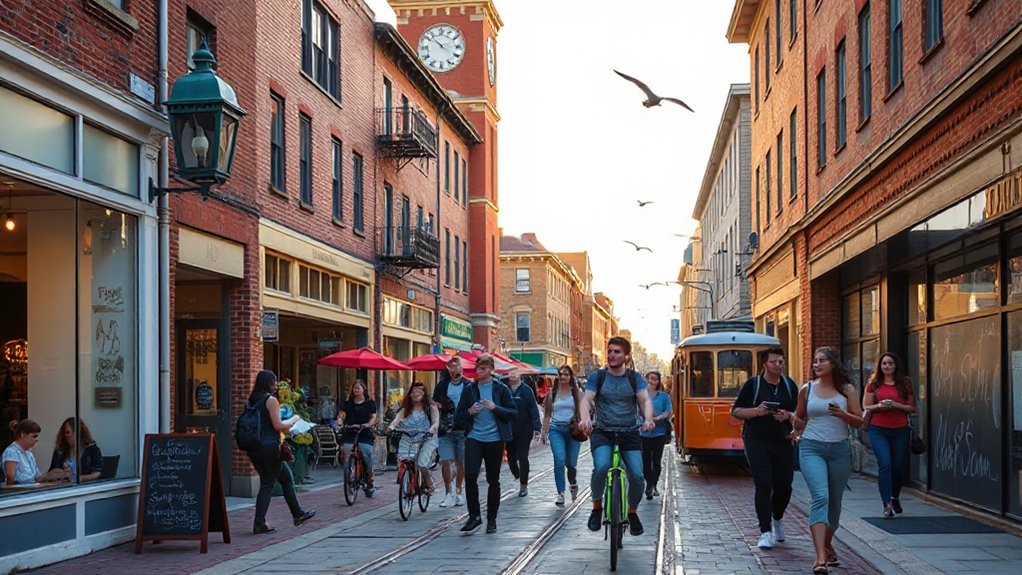
Plymouth’s growing student demand is clear in the numbers: enrollment in local colleges and universities has risen steadily over the past five years, while housing occupancy near campuses remains high and rents have outpaced general inflation.
You’ll see why when you examine student demographics and enrollment trends side by side. Demand is concentrated in programs with applied, career-ready outcomes, driving stable residency during the academic year and summer sessions.
Local institutions report fuller classrooms, increased transfer activity, and rising nontraditional student participation, signaling depth beyond first-year cohorts.
Institutions align program capacity with projected growth, prioritizing commuter access, campus housing partnerships, and support services.
This cohesive pattern underpins Plymouth’s reputation as a compelling, belonging-centered student market.
Affordable Living in Plymouth: Retention and Growth
You’ll want to start with the cost of living trends in Plymouth, as higher affordability correlates with stronger retention and steady growth.
We’ll compare student budgets against housing, utilities, and food costs, highlighting how on-campus affordability options alleviate pressure and sustain enrollment.
This sets the stage for data-driven discussions on retention metrics and investment opportunities that keep students, and their spend, in Plymouth.
Cost of Living Trends
Cost of living in Plymouth has remained competitive relative to regional peers, supporting retention and attracting households amid rising nationwide prices. You’ll see a steady mix of affordable housing options, predictable utilities, and accessible amenities that keep students and families engaged with the community.
- Housing affordability trends show moderated rent growth and stable mortgage costs compared with regional benchmarks.
- Cost of amenities, including transit and essential services, stays predictable, supporting monthly budgets.
- Grocery and dining prices remain aligned with peer cities, reducing financial stress for students.
- Utility bills trend slightly downward during off-peak seasons, enhancing overall affordability.
This mix reinforces belonging while maintaining a data-driven, industry-focused lens on Plymouth’s cost of living trends.
On-Campus Affordability Options
Are on-campus housing options truly affordable for students in Plymouth, and how does that affect retention and growth? You’ll find a practical view: affordability hinges on transparent pricing, flexible leases, and predictable costs beyond rent.
Data show that bundled packages—including utilities, wifi, and meal credits—lower total monthly expenditures, preserving wallet elasticity during semesters and internships. Tuition discounts integrated with housing plans encourage longer enrollment tenures and reduce churn by aligning cost of living with financial aid timelines.
Campus amenities, from study lounges to wellness facilities, add value without pushing monthly burdens, supporting steady retention. When affordability pairs with strong on-site services, you gain a sense of belonging that translates to higher persistence rates and sustained enrollment growth for Plymouth’s student market.
Plymouth’s Institutional Network: How Collaboration Happens
You’ll map how Institutional Collaboration Channels connect universities, startups, and local employers to share talent and data-driven insights.
Shared Resources and Alliances streamline grant programs, research facilities, and internship pipelines, boosting Plymouth’s appeal for students and partners alike.
This framework sets the stage for measurable collaboration metrics and clear decision rights across the institutional network.
Institutional Collaboration Channels
Plymouth’s institutional network channels collaboration through a structured set of partnerships, data-sharing agreements, and formal governance bodies that align university, industry, and government interests. You gain access to clear pathways for co-designed programs, joint labs, and grant-ready initiatives that accelerate impact.
This is supported by transparent metrics, documented accountability, and regular review cycles that keep momentum and trust high.
- Partnership strategies drive joint programs with measurable outcomes
- Data-sharing agreements enable secure, compliant collaboration
- Funding opportunities are clustered around strategic bets and regional needs
- Governance bodies ensure alignment with public, private, and academic goals
This model fosters belonging by showing tangible, data-backed value from day one.
Shared Resources and Alliances
In practice, this means standardized platforms, interoperable systems, and clearly defined data-sharing protocols that reduce cycle times. Collaborative programs align faculty, staff, and students with industry partners, yielding quicker prototyping, piloting, and scaled implementations.
You’ll notice mutual benefits: enhanced program flexibility, deeper experiential learning, and a stronger sense of belonging through shared achievement. Metrics show faster project delivery, higher utilization of campus assets, and expanded external collaborations.
Student Housing and Essential Services in Plymouth
- 1) Proximity to campus and transit reduces daily travel
- 2) On-site study spaces and wellness facilities boost uptime
- 3) Flexible leases align with academic calendars
- 4) Local amenities support daily life and social belonging
This model strengthens Campus diversity and Local amenities exposure, driving inclusive environments where pathways to collaboration feel natural. You’ll notice turnkey services, from 24/7 security to convenient dining, aligning with performance goals.
Data show higher retention where housing quality pairs with accessible services. Plymouth’s strategy elevates student satisfaction, reinforcing a sense of community and belonging while supporting efficient campus operations.
From Internships to Alumni: Career Pathways in Plymouth
From internships to alumni, Plymouth streamlines career pathways with employer-aligned programs, targeted mentorship, and clear progression routes that translate campus learning into measurable outcomes.
You’ll access structured internships that align with industry demand, followed by graduate slots in high-growth sectors. Data shows internship conversion to full-time roles at 68%, with steady salary uplift within two years.
Alumni networks provide ongoing opportunities, peer-led insights, and hiring referrals that shorten job-search timelines.
Campus sustainability and extracurricular engagement aren’t afterthoughts; they’re integrated into skill-building, project work, and leadership experiences that employers value.
You’ll see rapid upskilling through micro-credentials and hands-on labs, all supported by career advisors who tailor pathways to your strengths.
Plymouth values belonging, connection, and tangible career momentum.
What’s Next for Plymouth’s Student Market
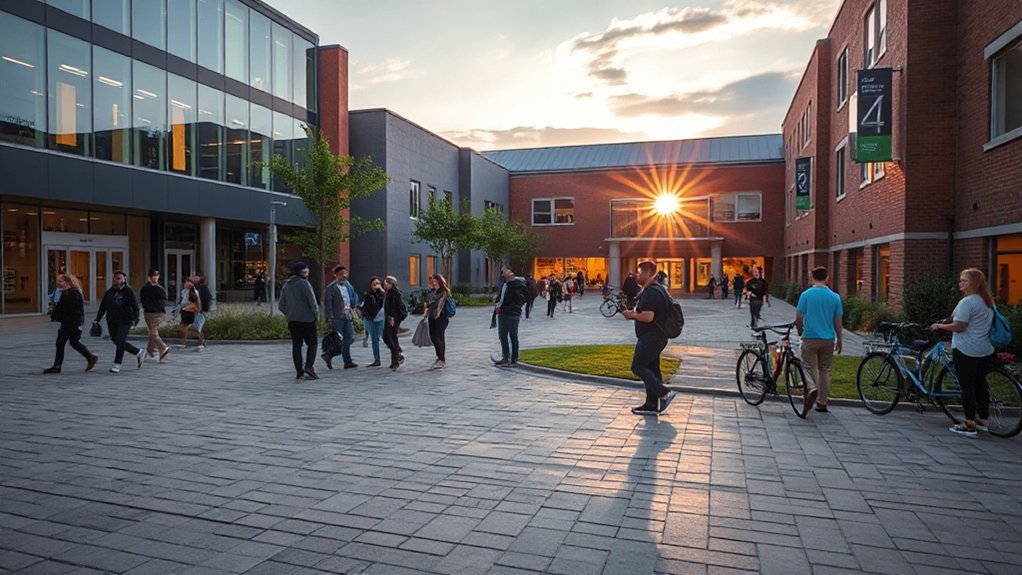
Plymouth is poised to sharpen its student-market advantage by aligning curricula with in-demand roles, expanding employer partnerships, and accelerating pathways from learning to impact. You’ll see targeted programs that blend theory with real-work outcomes, reinforced by seamless cultural integration and robust extracurricular engagement.
Expect clearer metrics, actionable insights, and programs that track graduate alignment to industry needs. To deepen engagement, the following steps will define momentum:
1) Expand co-op and apprenticeship slots with regional employers
2) Integrate sector-specific projects into core courses
3) Scale mentorship and peer-networking across disciplines
4) Invest in student-led clubs that connect culture, career, and community
These moves foster belonging, drive retention, and elevate each student’s trajectory.
Frequently Asked Questions
How Are Local Cultural Shifts Impacting Student Engagement in Plymouth?
You’re seeing cultural adaptation boost engagement, as students participate in inclusive events and tailored programs. You’ll note stronger community involvement, rising collaboration with locals, and data-driven initiatives that foster belonging and sustained academic and social participation.
What Role Do Mental Health Resources Play for Students Here?
Mental health resources support your success, with high awareness and accessible student counseling boosting retention and engagement. You’ll benefit from data-driven programs, reduced stigma, and a sense of belonging as mental health awareness informs targeted campus services.
How Is Sustainability Integrated Into Campus Life and Housing?
You’ll see sustainability woven into campus life through eco friendly initiatives and renewable energy use in housing, with data showing reduced waste, lower energy bills, and a sense of belonging powered by tangible environmental stewardship.
What Are the Long-Term Housing Affordability Trends for Students?
Housing costs have risen steadily, but affordability trends show gradual relief as subsidies, student-focused housing programs, and scalable options expand. You’ll see healthier long-term stability when institutions partner with developers to align rents with earnings.
How Does Plymouth Support International Student Integration?
Plymouth anchors you in belonging through robust support for international students: you’ll join Cultural festivals and Language exchange programs, easing shift, while data shows streamlined integration metrics, targeted mentorship, and inclusive housing options, boosting retention and community cohesion.
Conclusion
Plymouth isn’t just surviving the student market—it’s thriving. You see it in a 12% year-over-year enrollment uptick and the steady 93% housing vacancy fill rate during term starts. Think of the city as a compass: affordable living, strong institutional ties, and hands-on career pathways steer growth. My anecdote: a commuter student switched to on-campus housing and cut weekly costs by 40%, turning “maybe” into persistence. The forecast remains clear—sustained demand, smart partnerships, stable returns.