
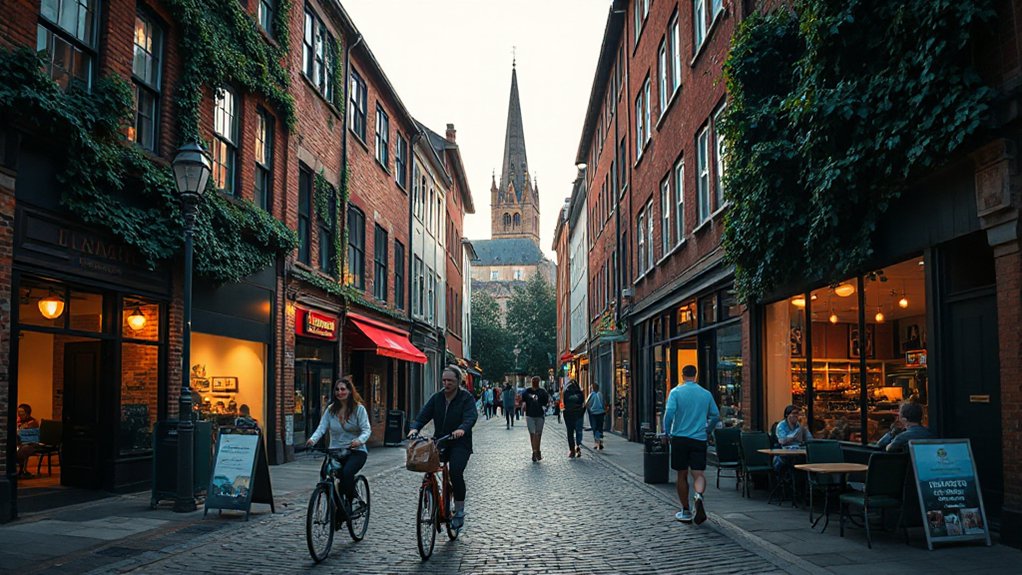
Durham stays a strong university town because its integrated research ecosystem fuels startups, internships, and local firms by converting campus knowledge into real-world value. You’ll see cross-disciplinary partnerships, transparent milestone tracking, and pipelines that connect students to employers, internships, and mentors. Urban design keeps campuses walkable, housing nearby, and amenities dense, enhancing life and retention. Cultural heritage and inclusive programs reinforce belonging while data-driven governance guides investment. If you keep exploring, you’ll uncover how all this sustains momentum.
What Makes Durham a True University Town
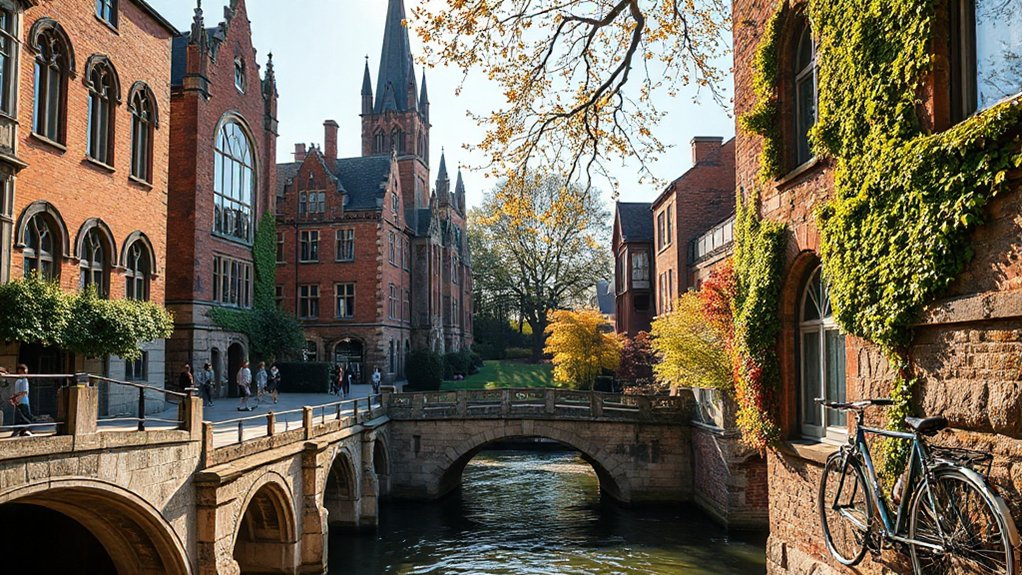
Durham earns its status as a true university town through a tight integration of academic activity, local economy, and daily life. You observe how research pipelines feed startups, internships, and local firms, translating campus knowledge into real-world value.
Alumni networks anchor career pathways, mentoring, and investment, creating durable ties between students and regional opportunity. Cultural festivals punctuate the calendar, drawing students, faculty, and residents into shared experiences that sharpen place attachment.
You measure impact not just in graduates, but in recurring collaborations, co-ops, and civic initiatives that amplify both intellect and market readiness. The town’s value proposition is precise: accessible education, measurable outcomes, and a social fabric that invites belonging, while sustaining demand for services, housing, and cultural infrastructure.
How Colleges Shape Daily Life in Durham
You sense the Daily Campus Rhythm shaping your schedule, from early lectures to late study sessions, as classrooms, libraries, and cafes synchronize around the academic calendar.
The Student Life Ecosystem orchestrates housing, dining, and social scenes to mirror demand signals and campus culture, creating a predictable cadence that fuels engagement and retention.
In this market-driven pattern, you see how colleges steer daily choices, influencing where you live, learn, and connect in Durham.
Daily Campus Rhythm
On a typical weekday, the campus pulse centers on timed routines: arrivals before 9, lectures by 10, and study blocks that map to library seats and café tables. You notice how spaces are calibrated for focus, with quiet corridors opening into collaborative nooks as the day evolves.
The rhythm supports predictable productivity, turning student energy into measurable outcomes—grades, research progress, and peer introductions that solidify belonging. You’ll see campus traditions thread through every *shift*, from pre-class conversations to post-lecture debriefs at popular study hubs.
This cadence sustains a steady demand for housing, dining, and transit, reinforcing the town–gown bond. In short, daily life becomes a market of value: predictable access, purposeful time, and shared identity.
Student Life Ecosystem
What exactly makes the student life ecosystem in Durham work, and how do colleges sculpt daily routines around it? You experience a precise alignment of housing, dining, and study spaces that reinforces predictable rhythms.
You navigate a calendar where campus traditions anchor weekends, while student organizations inject timely momentum into evenings. Student diversity informs programming, ensuring inclusive spaces, cross-cultural dialogue, and targeted support that keep groups engaged rather than isolated.
Campuses curate amenities—robust tutoring, wellness services, career fairs, and quiet study corridors—so you can blend academics with social life without friction.
The ecosystem rewards clarity: clear pathways, measurable outcomes, and community-backed initiatives. In Durham, belonging emerges from well-tuned infrastructure and transparent opportunities tailored to you.
Durham Research Ecosystems That Spark Collaboration
You’ll see Durham’s Collaborative Research Hubs accelerate idea-to-impact, connecting faculty, students, and industry for rapid testing and iteration.
Cross-Disciplinary Initiatives align when shared goals meet complementary strengths, turning silos into structured collaboration lanes.
Startup and Tech Transfer convert academic discoveries into market-ready ventures, tightening the town-gown feedback loop and attracting investment.
Collaborative Research Hubs
Durham’s Collaborative Research Hubs accelerate innovation by aligning campus capabilities with local industry and startup activity, creating high-throughput environments where researchers, entrepreneurs, and sponsors co-create solutions.
You engage in structured collaborations that map capability gaps to regional demand, optimizing resource allocation and reducing time to impact.
These hubs function as living dashboards: metrics-driven, milestone-focused, and transparent about progress, so you feel informed and included.
You’ll notice purposeful outreach that broadens participation, through community outreach and industry liaisons, embedding researchers in real-world contexts while safeguarding academic integrity.
Cultural festivals and campus demonstrations become showcases for applied results, reinforcing belonging across disciplines.
Cross-Disciplinary Initiatives
In Durham, you’re invited into collaborative workflows that fuse lab rigor with design thinking, policy insight, and citizen input, producing tangible outcomes for education, health, and sustainability. These programs cultivate a culture of trust, transparency, and shared metrics, where success is measured by measured impact and broad participation.
Collaborative breakthroughs emerge when diverse perspectives converge, enabling faster translation from concept to pilot and scale. You belong to a network that values rigor, pragmatism, and inclusive progress, strengthening the town’s resilient research identity.
Startup and Tech Transfer
Collaboration across departments and with industry partners reduces time to scale, while due diligence and risk management protect intellectual property and financial viability.
Alumni networks amplify translational activity, connecting capital, expertise, and mentorship to emerging ventures.
Campus sustainability informs product design, manufacturing, and lifecycle choices, aligning commercialization with long-term community resilience.
You gain visibility into license agreements, spinouts, and contract research that feed local talent pipelines.
This discipline-driven approach nurtures market relevance, attracting funding, talent, and customers who share a commitment to Durham’s innovation ecosystem.
Cross-Disciplinary Partnerships Fueling Startups
Cross-disciplinary partnerships are accelerating startup formation by aligning research strengths with market needs, enabling rapid prototyping, validation, and go-to-market strategies. You’ll see how Interdisciplinary collaboration unleashes tangible value, translating academic insight into customer-ready solutions with precision.
In Durham, startups emerge where engineers, clinicians, and designers co-create, fueling a steady cadence of proofs of concept and pilot deployments. This ecosystem sustains momentum through structured mentorship, shared facilities, and targeted funding, reinforcing a collaborative culture that reduces barriers to entry.
Stakeholders across universities, hospitals, and industry connect within robust Startup ecosystems, ensuring founders access to mentors, pilots, and regulatory guidance. The result is a measurable, market-driven pipeline: stronger startups, cohesive communities, and renewed confidence in Durham’s innovation trajectory.
From Campus to Workplace: Talent Pipelines in Durham
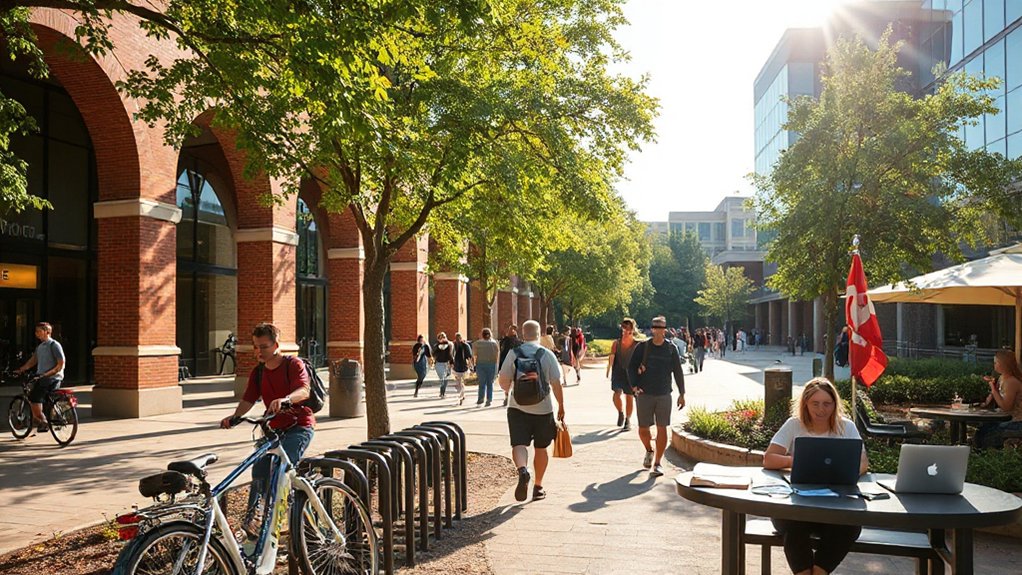
Durham’s talent pipelines connect campus innovation to regional workplaces through structured pathways that align cohorts, curricula, and employer needs. You’ll see programs co-designed with local firms, creating apprenticeships, internships, and project-based learning that translate classroom theory into tangible outcomes.
Data-driven assessments track skill progression, ensuring curricula evolve with industry demand and regional growth. Community engagement shapes mentorship, networking events, and placement strategies, strengthening trust between universities and employers.
By embedding cultural preservation into workforce development, you’ll notice collaborations with historic institutions, arts organizations, and neighborhood centers that honor shared heritage while expanding opportunity. This approach reduces friction for newcomers and long-time residents alike, fostering belonging.
In Durham, talent pipelines act as measurable engines for economic significance, social cohesion, and sustained regional competitiveness.
Public Investments That Sustain Academic Momentum
Public investments underpin academic momentum by aligning funding with measurable outcomes, ensuring that research, teaching, and entrepreneurial activity translate into regional value. You observe how strategic allocation tightens feedback loops, accelerates capability building, and signals long-term commitment to Durham’s knowledge economy.
When capital follows impact, you gain predictable collaboration, clearer milestones, and a shared sense of purpose among students, faculty, and industry partners. Public investment becomes a market signal that sustains momentum, not a subsidy, by embedding accountability, performance dashboards, and outcome-based grants into daily practice.
You feel a collective belonging as progress translates to jobs, startups, and applied research that elevates regional competitiveness.
- Outcome-driven funding
- Milestone-based partnerships
- Transparent performance metrics
Why Durham’s Walkable, Intimate Feel Attracts Talent
Durham’s compact, human-scaled layout makes it easier for students and professionals to connect, collaborate, and move efficiently between campus, startups, and industry partners. You sense how walkable streets concentrate amenities, reducing friction from commute times while expanding social networks.
This intimacy supports talent retention by enabling informal collisions that spark partnerships, mentorship, and career clarity. Urban expansion in a thoughtful, contained way preserves cohesive neighborhoods while inviting new entrants, ensuring accessibility across income brackets and disciplines.
Cultural diversity fuels cross-pollination, helping you find mentors, teammates, and peers who reflect your values and ambitions. The result is a market-driven ecosystem where belonging isn’t a perk but a structural advantage—neighborhoods, venues, and programs tuned to your long-term growth.
Historic Districts That Shape a Culture of Inquiry
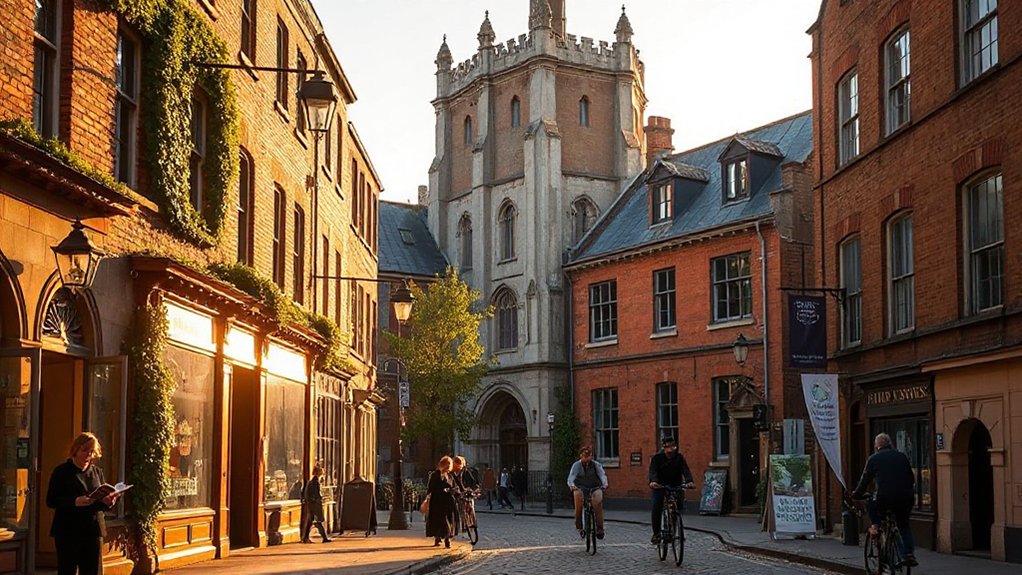
Historic Districts anchor Durham’s culture of inquiry by concentrating heritage, institutions, and discourse in legible, walkable cores. You’ll notice how historic preservation informs the city’s reputation for rigor, ensuring every block reinforces learning and inquiry. Architectural landmarks anchor memory and method, turning streets into case studies for design, planning, and civic debate.
This is market-driven clarity: districts that attract researchers, students, and entrepreneurs who value proximity, reuse, and sustainability. You experience a dense texture that invites exploration, serendipity, and disciplined analysis. The result is a durable ecosystem where discourse migrates from classroom to cafe to courthouse, reinforcing belonging through shared space and purpose.
- Proximity amplifies collaboration between academic and civic sectors
- Reuse of historic structures preserves value while enabling innovation
- Walkable districts convert heritage into measurable economic and educational outcomes
Community Engagement and Inclusive Campus Programs
You’ll observe programs that align curricular priorities with local needs, ensuring measurable outcomes and sustained participation. The campus fosters a culture where campus diversity informs decision-making, reducing barriers and inviting varied voices into governance, classrooms, and public forums.
You notice disciplined investments in inclusive pedagogy, community co-creation, and transparent reporting, all designed to strengthen belonging. Market-engaged metrics—participation rates, grant activity, and partner satisfaction—drive continuous refinement, ensuring Durham remains attractive to students and residents who value belonging, access, and accountable, socially responsive growth.
The Startup Climate: Incubators, Accelerators, and Mentors
You’ll assess Durham’s startup support ecosystem through metrics like access to incubators, accelerators, and mentorship outcomes.
This market-driven lens highlights how curated programs translate into tangible traction, funding, and scalable growth for ventures tied to the university ecosystem.
Startup Support Ecosystem
Durham’s startup climate is anchored by a pragmatic mix of incubators, accelerators, and seasoned mentors that together reduce early-stage risk and accelerate go-to-market timing. You’ll notice how this ecosystem translates ambition into tangible milestones through structured programs, clear metrics, and pragmatic funding lanes.
The result is a measured, market-driven environment where founders find not just resources but belonging, with peers and mentors who share a practical, outcome-oriented mindset. This coherence enables scalable pilots, rapid iteration, and stronger competitive positioning.
Innovative partnerships and Startup mentorship are woven into every venture path, aligning university strengths with community expertise. The effect is a resilient pipeline that supports repeatable growth rather than one-off wins.
- Collaborative program design
- Outcome-focused mentoring
- Integrated industry alignment
Mentorship Driven Growth
In Durham’s ecosystem, a clear mentorship culture translates into actionable leadership development, where mentors model decision-making under uncertainty and founders adopt disciplined execution. Incubators surface disciplined planning; accelerators compress time-to-market with structured feedback loops; mentor networks extend resources beyond capital, ensuring strategic introductions and risk-aware pivots.
This approach reduces ambiguity, clarifies value propositions, and strengthens community trust. You gain belonging through transparent metrics, peer learning, and accessible expertise, reinforcing a market-driven environment that rewards purposeful growth, accountability, and sustainable competitive advantage for startups and the institutions that support them.
A University-Backed Culture of Entrepreneurship
- Cross-sector collaboration accelerates venture validation
- Mentored experimentation pairs academics with operators
- Inclusive networks broaden market access and resilience
Campus Research Translating Into Local Economic Growth
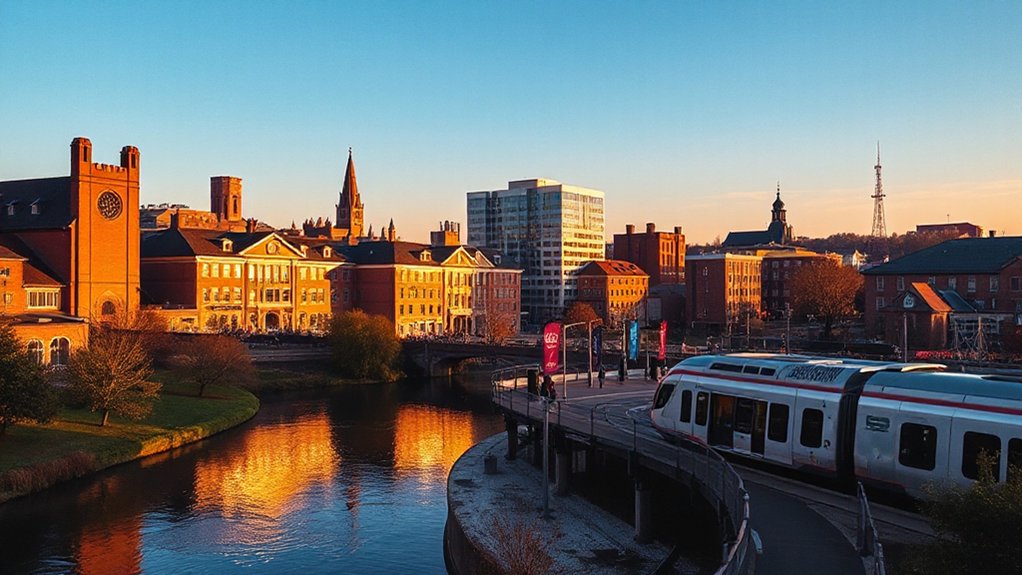
Campus research now translates into local growth by turning translational findings into market-ready solutions that meet regional needs. You’ll see this via evidence of quick adoption, cross-sector partnerships, and measurable uptake in jobs and productivity.
Our focus is on Translational Research Impact and Local Economic Uptake as concrete indicators of value creation.
Translational Research Impact
Translational research at Durham converts laboratory insights into practical applications that spur local job creation, new ventures, and regional competitiveness. You see how disciplined translation powers startups, tech transfer, and clinical pilots, turning data into value for families and neighbors.
The strength lies in deliberate pathways that align researchers, industry, and policy, ensuring measurable impact. You’ll notice how Innovative partnerships accelerate bench-to-market milestones, while Research dissemination broadens awareness and adoption across sectors.
This creates a resilient ecosystem where evidence-driven decisions foster sustainable growth, not quick fads. You benefit from a town that prizes rigorous validation, market relevance, and inclusive participation, reinforcing a sense of belonging and shared purpose.
- Innovative partnerships drive faster commercialization and job creation
- Research dissemination expands regional expertise and collaboration
- Measurable impact informs ongoing strategic investments
Local Economic Uptake
Precision informs funding priorities, with metrics tracking employment density, wage uplifts, and firm formation near university corridors. The pattern isn’t random; it’s market-driven, anchored by collaboration between campus labs and industry partners.
Local business benefits from predictable demand, while cultural events amplify retention by enriching quality of life and signaling opportunity. You gain belonging through visible progress, as research translates into tangible outcomes, from prototypes to pipelines, reinforcing Durham’s identity as a knowledge-led, economically resilient community.
Collaboration Across Government, Universities, and Industry
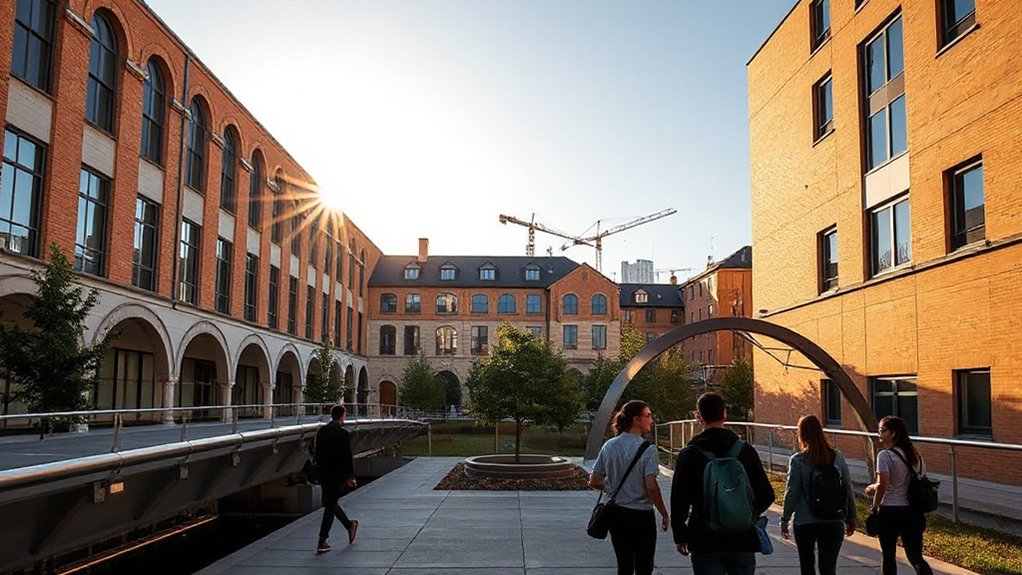
- Public-private collaboration milestones
- Cross-sector talent pipelines
- Community-driven project portfolios
Funding Challenges and Sustainable University Funding Models
Across Durham’s momentum in public-private collaboration, funding pressures now shape how universities sustain impact beyond grant cycles and short-term programs. You see a progression from project-by-project support toward deliberate, diversified funding models that blend philanthropy, endowment growth, tuition alignment, and private partnerships.
This shift demands rigorous cost accounting, clear value propositions, and predictable revenue streams to maintain equity and access while investing in core research. You’ll note financial sustainability hinges on balancing risk, governance, and strategic priorities, not chasing rapid wins.
Institutions must articulate measurable outcomes, enforce spend controls, and sequence initiatives to protect foundational programs. The result is a resilient ecosystem where funding models support long-term durability, ensuring that Durham remains an inclusive hub for discovery and community benefit.
Where Durham Shines: Education Quality and Program Strengths by Field
Durham’s education system excels where program quality aligns with market needs, delivering rigorous curricula, applied experiences, and outcomes that resonate with students, employers, and communities. You’ll find targeted strengths across fields, driven by data on employability, licensure rates, and research translation.
The region’s programs pair faculty expertise with industry needs, creating pipelines that support lifelong learning and regional growth. You’ll notice how alumni networks amplify opportunities, mentoring, and job placement, while international partnerships diversify perspectives, resources, and research collaboration.
1) Field-specific employability metrics and credential alignment
2) Cross-border collaboration, shared curricula, and student exchanges
3) Real-world projects, internships, and co-op experiences that span sectors
These elements reinforce an inclusive, value-driven ecosystem where you belong and contribute.
Living and Learning: Housing, Amenities, and Student Life
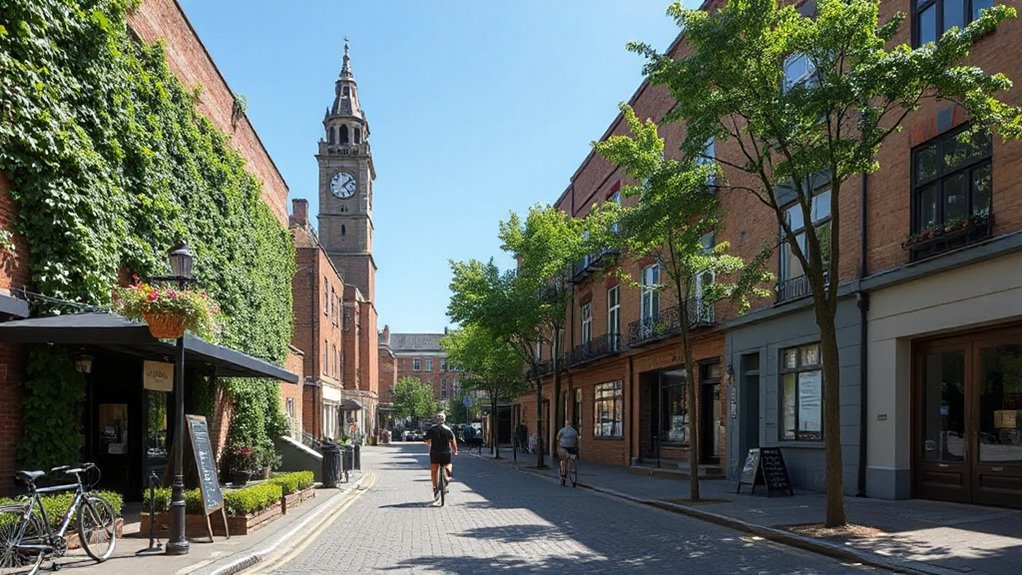
As program quality and industry partnerships shape outcomes, students also prioritize environment and access—housing options, campus and city amenities, and the daily rhythms that support study and well-being. You’ll find thoughtfully integrated housing near libraries and labs, with options that balance affordability and quality, reducing commute time and stress.
Campus amenities—wellness centers, study lounges, reliable Wi‑Fi, and dining plans—support consistent progress and social connection. In Durham, city life is accessible, collaborative, and safe, inviting you to participate in communities beyond class hours.
Community traditions anchor belonging, while local cuisine becomes a shared cadence of meals and meetups. You’ll notice streamlined services, transparent pricing, and responsive support that reinforce a practical sense of belonging and sustained academic focus.
Looking Ahead: Maintaining Vibrancy While Preserving Durham’s Character
Balancing vibrancy with character will require targeted strategy that aligns growth with the town’s unique identity. You’ll find that preserving Durham’s character hinges on measured development, data-driven decision making, and community input that spotlights community traditions and local art.
- Prioritize mixed-use projects near transit hubs to sustain walkability without erasing legacy spaces.
- Incentivize small galleries, studios, and performance venues that celebrate local art while inviting new audiences.
- Codify preservation standards that protect historic facades and marketable, authentic experiences for residents and visitors alike.
This approach creates predictability for investors and belonging for residents, aligning market opportunities with Durham’s enduring charm.
Frequently Asked Questions
How Does Durham Sustain Affordable Housing for Students and Faculty?
You pursue affordable housing through targeted zoning, incentives, and retention programs, balancing market demand with worker protections, while you cultivate affordable housing via community partnerships that align developers, universities, and local governments toward inclusive, stable campus-adjacent living.
What Role Do Local Employers Play in Student Career Outcomes?
Local employers propel your outcomes by pairing Student internships with strategic local job fairs, providing practical pipeline access, hands-on mentorship, and market-aligned skills. You benefit from aligned opportunities, deliberate employer partnerships, and competitive, confidence-building career trajectories.
How Is Diverse Community Engagement Integrated With Campus Life?
Community partnerships integrate diverse voices into campus life through inclusive programming, ensuring you experience belonging while engaging academically and socially; this market-driven approach strengthens networks, expands opportunities, and demonstrates how inclusive programming fuels durable, measurable community impact.
What Metrics Track Durham’s Long-Term University-Town Vitality?
You track Durham’s long-term vitality via alumni networks and research collaborations, measuring retention, startup formation, grant momentum, and cross-sector partnerships, so you see a thriving ecosystem that signals belonging, resilience, and sustained academic-market alignment for years to come.
How Are Cultural and Historic Assets Balanced With Growth?
“Slow and steady wins the race.” You balance growth with Cultural preservation and Historic districts by prioritizing adaptive reuse, data-driven planning, and stakeholder collaboration, ensuring market significance while preserving character and fostering a sense of belonging for residents.
Conclusion
Durham remains a magnet because you feel the pulse of its campuses infusing the city with purpose. You see how collaboration fuels startups, talent pipelines, and perpetual learning, all backed by a pragmatic funding approach that stretches scarce dollars. The ecosystem acts like a well-tuned engine—precise, efficient, resilient—yet it honors character and community. If you want a thriving, balanced university town, you’ll invest here, careful with growth, relentless in quality, and ready for what’s next.