

UK towns offer stable demand, transparent data, and balanced growth, making them ideal for a second home. Look for coastal towns with strong rental demand, resilient occupancy, and year‑round attractions, plus countryside towns offering long‑term value and affordable entry points. Market towns deliver charm at accessible prices, while robust infrastructure and transport links boost liquidity. Financing and tax planning, plus clear maintenance protocols, protect returns. If you want a nuanced shortlist and data-backed picks, you’ll find more specifics below.
Why UK Towns Make Smart Second Homes (Key Criteria for Investment)
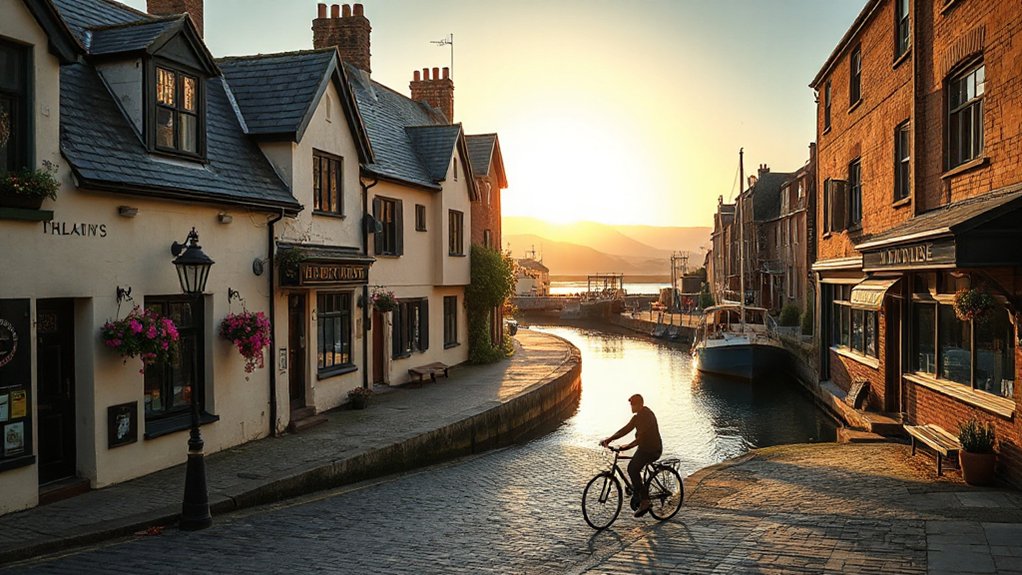
UK towns offer smart second-home potential because stable demand from locals and visitors sustains rental yields and resale value. You evaluate investments through defensible criteria: consistent occupancy, price growth, and risk controls.
Property taxes shape net returns, so you compare councils’ bands, exemptions, and long-term rate trends before buying. Local amenities matter because convenience drives higher rates of tenant renewal and resale appetite; proximity to transport links, schools, healthcare, parks, and retail strengthens long-term value.
You seek towns with diversified economies, steady employment, and predictable tourism footfall, avoiding markets reliant on a single sector. Data-driven due diligence reduces uncertainty, strengthening your sense of belonging to a prosperous, connected community.
Informed decisions align with lifestyle goals and financial targets, delivering dependable, scalable second-home opportunities.
Coastal Towns With Strong Rental Demand
Coastal towns deliver steady rental demand when they balance affordability with amenity-driven appeal, geography, and seasonal footfall. You’ll find that towns with resilient occupancy rates align rental yields to visitor shifts, supported by year-round draw and accessible transport links.
Beach resorts generate consistent bookings, especially where short-stay regulations favor high turnover and diversified markets. Historic harbors bolster appeal through maritime heritage, boat traffic, and dining clusters, sustaining strong occupancy outside peak months.
Data shows occupancy stability rises when town centers offer mid-tier pricing, reliable services, and authentic local experiences. You benefit from scalable demand in areas with timetabled events, family-friendly portfolios, and robust seasonal changes.
Prioritize neighborhoods near promenades, without overbuilding, to protect long-term value.
Countryside Towns for Long-Term Value
You’ll see steady demand in rural areas as buyers seek stability beyond seasonal markets.
The long-term value hinges on sustained appeal, infrastructure, and environmental resilience that support gradual price growth.
On balance, countryside towns offer predictable returns when demand compounds over time.
Long-Term Rural Demand
Are countryside towns truly the best long-term bets for value and resilience? You’ll see steady demand driven by affordable housing and family needs, not just weekend escapes.
In long-term rural demand, data shows consistent price resilience, rising occupancy, and stronger counter-cyclical performance during urban shocks. You’ll benefit from proximity to urban renewal corridors and infrastructure upgrades that sustain job growth outside cities.
Cultural festivals anchor social ties, support local businesses, and diversify appeal beyond commuters. The repeatable trend: people seek stable, connected countryside living with access to services and nature, creating durable market demand.
- Population retention adjacent to highways and rail upgrades
- Year-round cultural festivals fueling steady visitor spend
- Strategic land use aligning housing with local economies
Value Through Longevity
Lengthy track records matter: countryside towns with resilient price trajectories, steady occupancy, and durable demand outperform peers over cycles. You’ll notice that longevity translates into reliable cash flows and slower depreciation during downturns, making long-term ownership more predictable.
Historical preservation anchors appeal, drawing in buyers who value authenticity and stable neighborhoods. Community engagement amplifies value, as active local networks support kept-up amenities, robust schools, and safer streets, which sustain demand even in off-peak periods.
Markets with transparent data on rents, occupancy, and price stability empower you to gauge true long-run appreciation, not just short-term spikes. When you choose towns prioritizing durable net benefits, you invest in belonging as much as return, aligning second-home goals with enduring social cohesion.
Market Towns: Affordability Meets Charm
Market towns offer a practical balance of price and postcode appeal, with lower prices than major cities and solid investment potential. You’ll find affordable markets paired with rural charm, making everyday living feel like a sensible, value-driven choice.
This subsection starts by quantifying affordability, quality of life, and return prospects across representative towns.
Affordable Market Towns
- Strong investment fundamentals and steady rental demand
- Walkable centers with preserved historical architecture and food culture
- Community-led initiatives and predictable maintenance costs
Rural Charm, Lower Prices
Many market towns offer rural charm at noticeably lower prices, making them attractive for second-home buyers who want value without sacrificing character. You’ll find steady price bands driven by regional dynamics rather than speculative spikes, supported by transparent market data and long-term affordability trends.
Farmhouse retreats dominate practical appeal, offering space, light, and potential for meaningful restoration without exorbitant entry costs. You’ll also notice strong community infrastructure: walkable town cores, local services, and reliably slower paces that foster belonging.
Village festivals provide cultural anchors, reinforcing social connection while varying seasonally to sustain steady demand. Data shows resilient rental yields, modest maintenance expenses, and improved financing options for regional properties.
In short, these towns blend authentic charm with predictable affordability, inviting you to settle into a welcoming, value-conscious lifestyle.
Investment Potential
Affordability and charm aren’t mutually exclusive in market towns; they blend to create attractive investment potential. You’ll find steady demand driven by lifestyle appeal, not just rentability, with predictable value growth supported by local infrastructure and strong occupancy rates.
By prioritizing towns with walkable cores, you gain access to stable short- and long-term rental markets, while appreciating a sense of belonging amid community ties. Look for places where Local cuisine and cultural festivals sustain year-round footfall, boosting ancillary revenue from hospitality, services, and events.
This combination preserves capital and enhances cash flow as markets rebound from seasonal fluctuations.
- Track occupancy trends and seasonal demand tied to local cuisine and cultural festivals
- Compare price per square foot against regional averages to gauge affordability
- Assess planned developments and transport links that widen catchment areas
Financing and Tax Tips for UK Second Homes
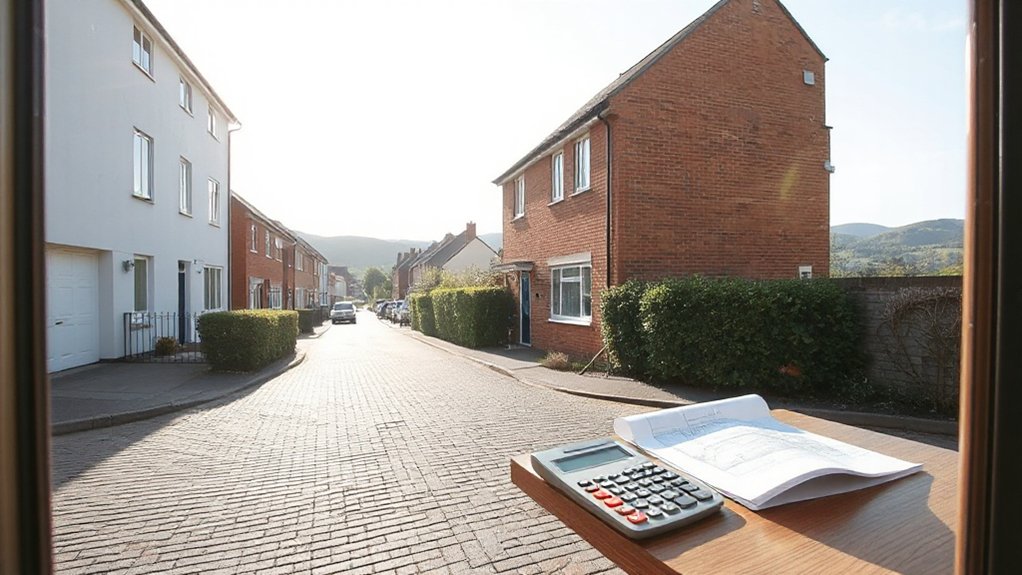
Whether you’re buying a second home for a long weekend getaway or a rental-backed investment, securing favorable financing and understanding UK tax obligations should start well before you make an offer.
You’ll compare mortgage products, noting fixed versus variable rates, fees, and loan-to-value thresholds to optimize cash flow.
Tax planning hinges on occupancy status: second-home surcharges, stamp duty land tax, and potential reliefs.
Plan for future capital gains considerations and inheritance implications to avoid surprises.
While modeling pro forma, factor in property insurance and maintenance costs as fixed inputs to your ROI.
Use professional advice to align financing with your holding period and exit strategy, ensuring compliance and predictable returns, all while feeling confident about your decision and sense of belonging.
Managing a Remote Property: Practical Checklists
When you manage a remote property, establish a defensible system for oversight from day one, combining clear checklists with timely data to prevent costly outages. You’ll track Property maintenance tasks, financial invoices, and safety compliance so nothing slips.
Use a centralized dashboard to monitor energy usage, pest control, and vendor performance, updating weekly to maintain transparency and trust.
Legal considerations require documented access rights, insurance coverage, and statutory reminders to renew licenses. Your protocol should enable quick decision-making, reduce surprises, and foster belonging among stakeholders by sharing concise, data-backed updates.
- Create a weekly remote-site health snapshot with key metrics and upcoming deadlines
- Link maintenance logs to vendor SLAs and payment receipts for auditability
- Schedule quarterly legal compliance reviews and risk assessments
How to Pick Your Best UK Town for a Second Home
Choosing the right UK town for a second home hinges on measurable factors: price trends, rental demand, transport links, and quality of life. You’ll compare recurring costs, projected yields, and occupancy cycles to forecast stability.
Assess price trajectories over 3–5 years and identify towns with resilient demand from local amenities and commuting ease. Prioritize places offering reliable property renovation potential, where you can add value without overspending.
Examine transport access, proximity to airports, rail hubs, and motorways to guarantee convenient getaways. Gauge rental demand by seasonal patterns, visitor footfall, and short-stay regulations.
Align choices with your lifestyle, aiming for communities you’d proudly belong to year‑round. This disciplined approach balances financial metrics with personal belonging for a confident investment.
Frequently Asked Questions
How Do Seasonal Trends Affect Second-Home Profitability Across Towns?
Seasonal trends boost profitability in peak periods, you’ll see higher rents and occupancy during seasonal tourism and weather variations help fill gaps in off-peak months; you’ll want diversified pricing and flexible leases to maximize year-round yields.
Which Towns Offer the Best Rental Yield per Square Foot?
In Plymouth, you’ll see strong rental yield per square foot, supported by steady demand. You’re boosted by professional property management and clear tax implications, helping you forecast cash flow. You belong here, data-driven, confidently optimizing returns.
What Local Amenities Most Boost Second-Home Occupancy Rates?
You boost occupancy when local community engagement is strong and amenities cluster around transport, schools, and leisure, boosting appeal; you’ll manage property management challenges head-on with data-driven signals, occupancy metrics, and targeted resident programs fostering belonging.
How Do Local Planning Rules Impact Second-Home Purchases?
You’ll find zoning restrictions and environmental regulations shape second-home purchases, limiting conversions and guiding land use. Data show tighter controls correlate with slower purchases; you’ll feel safer knowing rules protect communities and housing availability for locals, fostering belonging.
What Unforeseen Costs Arise After Completing a Second-Home Purchase?
Unforeseen costs after buying include ongoing property management fees and maintenance costs you’ll cover, even if vacancy dips. You’ll also encounter insurance hassles, utilities adjustments, and occasional specialist repairs, but data shows proactive budgeting minimizes surprises and protects belonging.
Conclusion
You’ve seen the patterns: coastal rents stay resilient, countryside properties hold value, and market towns balance price with growing demand. With data backing demand spikes, occupancy rates, and yield ranges, your choice should align with your risk tolerance and horizon. Use this guide as a decision compass, not a shopping list. Remember: diversify by location, model costs transparently, and verify tax implications. The smart investor threads certainty through numbers—choose your second home where opportunity and clarity meet.