
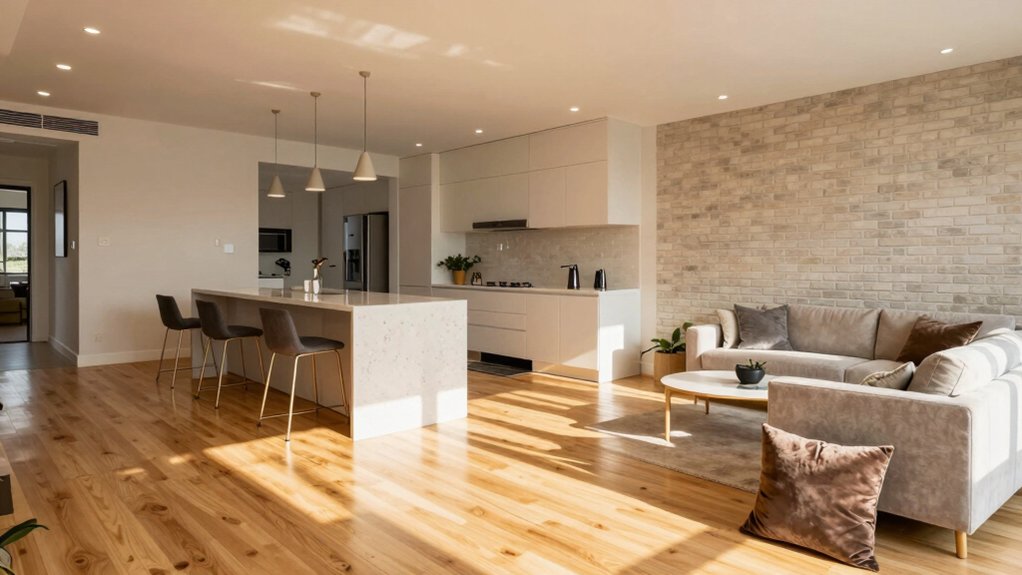
Light pours into a well-planned home like a certainty you can feel. You’ll want to cut energy waste and boost comfort with simple choices—better windows, improved insulation, quiet, energy-smart lighting, and smarter layouts that make daily tasks glide. You can keep maintenance low and vibes high with durable materials and sustainable picks. There’s more to optimize, from kitchen tweaks to bath calm and outdoor access, but a clear path starts with the basics that matter most to you. What will you prioritize first?
Energy-Efficient Windows and Insulation Upgrades
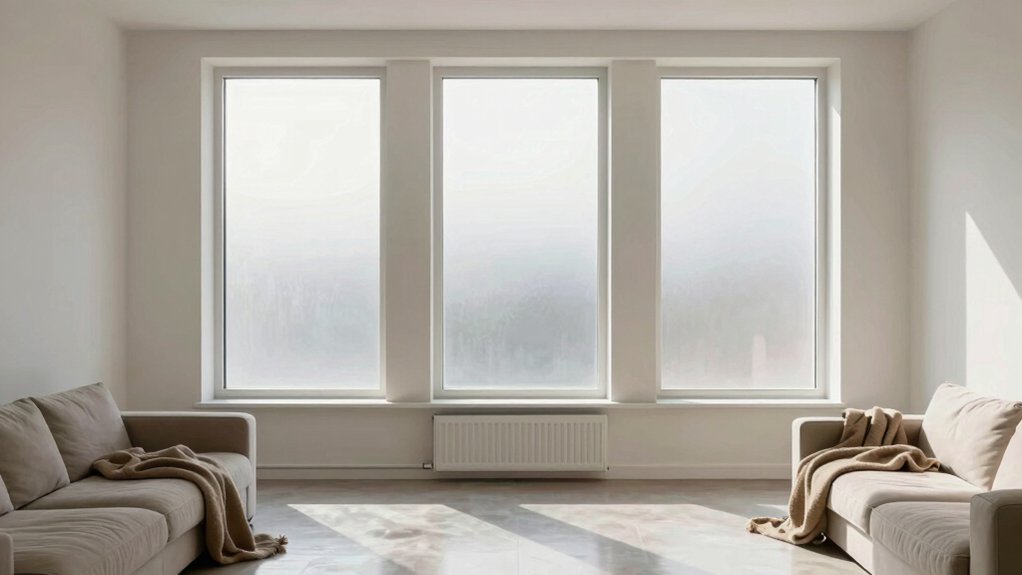
Upgrading to energy-efficient windows and better insulation cuts utility bills and boosts comfort year-round. You’ll notice steady temperature differences as drafts recede and sunlit rooms stay warmer in winter and cooler in summer.
Focus on the right window frames to prevent heat transfer and moisture buildup, from vinyl to fiberglass options that resist warping and maintain seals. Pair windows with solid insulation materials—foam or mineral wool batts, rigid foam boards, and properly sealed gaps—to maximize performance.
Consider U-values and solar heat gain coefficients to tailor choices to your climate. You’ll save without sacrificing style, since modern frames come in finishes that fit your home’s look.
Plan a phased upgrade, measuring each opening and budgeting for installation accuracy.
Quieting Your Home: Soundproofing and Thermal Barriers
Quieting your home starts with a clear plan: identify the biggest noise sources and the leaks that let them in, then attack both at the same time. You’ll create a practical framework, prioritizing changes that deliver noticeable comfort.
Start with soundproof doors to seal entry points where sound travels most easily, then address walls and ceilings with mass-adding or decoupling techniques. Pair these steps with thermal barriers that cut both noise and drafts, like insulating sleeves around pipes and upgrading attic and basement access hatches.
Add thermal curtains to windows, which reduce heat transfer and dampen daytime noise. Don’t chase every gadget; target effective flaws, test after each fix, and document improvements.
The result: calmer rooms, lower energy use, consistent temperatures, and fewer distractions.
Smart Lighting for Comfort and Energy Savings
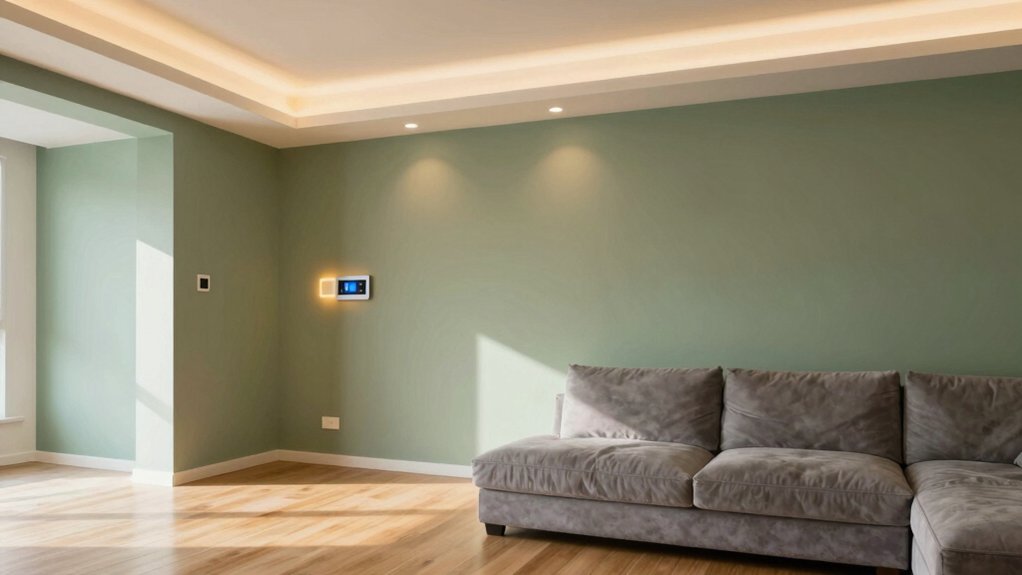
Smart lighting isn’t just about brightness; it’s about comfort and efficiency you can feel every day. You control when and how you illuminate rooms, using ambient illumination to create a constant, easy-to-navigate atmosphere.
With smart bulbs and scalable controls, you tailor brightness for tasks, movies, or winding down, without wasting energy. Mood lighting helps set the tone, shifting from energizing whites to warm hues as your evening unfolds.
Automated schedules sync with sunrises and bedtime, reducing unnecessary usage while maintaining visibility. Dimmable options and scene presets let you switch from work mode to relaxation in seconds.
You’ll save on power without sacrificing clarity or ambiance, and you’ll appreciate fewer hot spots, glare, or clutter from manual adjustments. The result: greater comfort, lower bills, and effortless daily living.
Thoughtful Layout Tweaks for Everyday Flow
A well-planned corridor layout guides traffic smoothly, connecting key spaces without feeling cramped. Consider doorways and thresholds as deliberate shifts, shrinking awkward gaps and minimizing detours.
Flow-Enhancing Corridor Layout
To improve everyday flow, start with a corridor layout that guides movement smoothly through the space. You’ll prioritize clear sightlines and minimal obstructions, creating a natural progression from room to room.
Measure turning radii and door swing paths to avoid pinch points, and align furniture so sight cues stay obvious. Use a consistent rhythm in floor plans to reduce hesitation and fatigue, enhancing daily tasks like commuting between kitchen, living area, and bedrooms.
Integrate decorative wall accents to add character without breaking line of sight, and place lighting fixture placement to illuminate transitions evenly. Keep doors trimmed to preserve openness, and choose a neutral palette with purposeful contrasts to enhance depth.
This practical approach balances function with calm, uninterrupted circulation.
Doorway and Threshold Strategizing
Doorways and thresholds shape how you move through a space, so small tweaks can make everyday flow feel effortless. You approach doorway design with purpose: consider swing direction, clearance, and alcove lighting to minimize collisions and lingering drafts.
Thresholds become transitional cues rather than barriers; a low-height strip can visually unify rooms while preserving floor continuity. When you plan, prioritize doorway aesthetics that align with furniture layout and traffic patterns, preventing bottlenecks at busy junctures.
Use unified trim or contrasting edge to cue movement without shouting. Accessibility matters too—ensure lever handles, smooth transitions, and enough width for carts or strollers.
Document routes, test with a mover, and adjust. Thoughtful threshold design elevates comfort by smoothing transitions and guiding daily rituals.
Cozy, Low-Maintenance Living Spaces
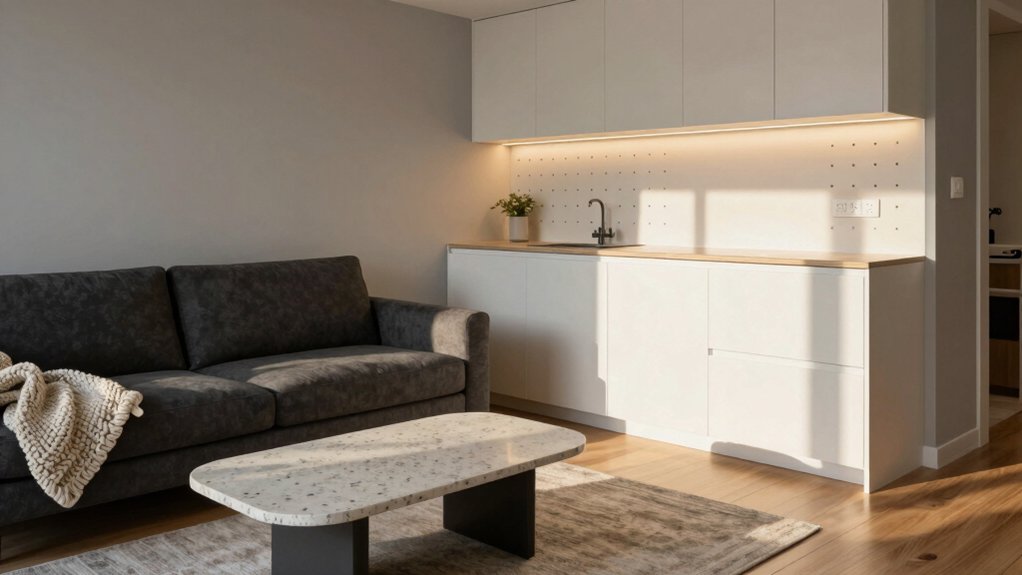
If you want a space that feels warm yet effortless, start with comfortable textures and simple layouts that invite lounging rather than fuss. You’re aiming for surfaces you can wipe or vacuum quickly, and furnishings that tolerate daily living.
Build a core of durable, stain-resistant fabrics in cozy textiles, with a few soft throws for seasonality. Choose a neutral palette and keep accents minimal to reduce upkeep.
Prioritize efficient lighting and a practical layout that eliminates tripping hazards and clutter. A fireplace ambiance can add character without complicating care, as long as you select a safety‑moced design and easy-to-clean surrounds.
Keep storage open but shallow, so everything has a place and dusting stays quick. This approach balances comfort with routine ease.
Spa-Like Bathrooms: Calm, Clean, Functional
A spa-like bathroom blends calm, clean lines with practical function, so you can enjoy a retreat without sacrificing daily usability. You aim for a space that feels serene yet ready for real-life routines.
Prioritize durable materials, easy-clean surfaces, and hidden storage to keep counters uncluttered.
A well-placed tub or walk-in shower supports bathtub relaxation and efficient daily rinses without fuss.
Shower design matters: frameless glass, linear drains, and ample lighting create a sense of openness while reducing grime in corners.
Install temperature-friendly fixtures and a quiet exhaust to maintain comfort any time of day.
Thoughtful layout minimizes steps between vanity, shower, and toilet, boosting usability.
Keep textures tactile and inviting to reinforce a calm, functional escape.
Functional Kitchen Updates That Save Time
Functional kitchen updates that save time are all about smart layout, durable gear, and streamlined routines. You’ll reclaim minutes with smart storage that keeps every utensil and ingredient within reach, eliminating needless fetches.
Prioritize appliance placement so you fetch the right tool without crossing the room; group related tasks and create zones for prep, cooking, and cleanup.
Use durable, easy-clean surfaces and dependable fixtures that withstand daily use, reducing maintenance distractions.
Implement pull-out shelves and labeled organizers to minimize rummaging, and dedicate a dedicated slot for your go-to gadgets to speed up start-up.
Keep a concise, visible checklist for daily routines and batch tasks.
With these choices, you’re building efficiency into every meal, not just the kitchen’s look.
Outdoor-Indoor Connections for Year-Round Use
Bringing the outdoors into your daily routine isn’t only about doors and decks—it’s about making comfort seamless, year-round. You create a smooth flow between living spaces by layering climate-appropriate zones that work together.
Start with a thoughtfully planned landscaping design that progresses from inside to outside, so you feel connected without exposure to harsh weather. Use retractable shading and insulated glazing to maximize comfort during cooler days and hot afternoons.
Choose outdoor furnishing that doubles for indoor use, so your spaces remain flexible as seasons shift. Add compact heating or cooling options discreetly, plus durable materials that withstand weather without sacrificing style.
The goal isn’t novelty; it’s practical, everyday usability that invites you to use every square foot.
Sustainable Materials and Low-Impact Renovations
Sustainable materials and low-impact renovations start with clear choices that respect both your budget and the environment. You’ll see benefits in comfort and long-term costs when you prioritize durable, recyclable, and locally sourced options.
Choose materials with lower embodied energy, like responsibly harvested timber, recycled steel, and natural fiber insulation. Opt for finishes that minimize volatile organic compounds, improving indoor air quality.
Plan for flexibility: modular components, reusable fixtures, and timeless aesthetics reduce waste as needs shift. Embrace energy efficiency: if you’re replacing siding or windows, select high-performance options and proper sealing.
Document your decisions, compare lifecycle costs, and avoid trendy, short-lived trends. Sustainable materials and low impact renovations align daily living with responsible stewardship without sacrificing style or practicality.