
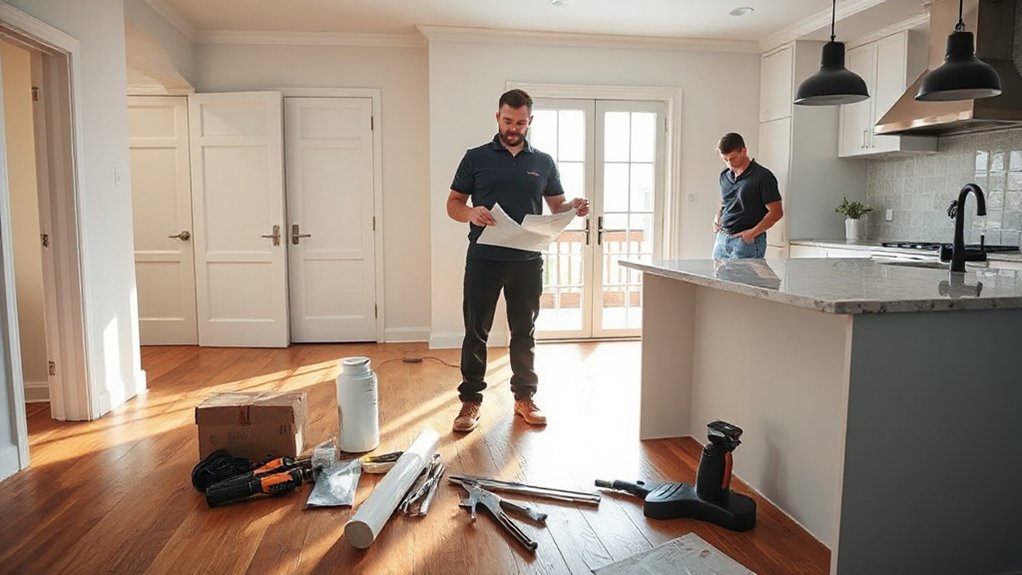
Did you know 70% of homeowners say project visuals influence their hiring decision more than price? You can frame a customer-first renovation story, build a transparent portfolio, and showcase measurable results to prove reliability. By pairing before-after data with craft breakdowns and time-lapse videos, you’ll create trust and move prospects toward action. There’s more to align—from client testimonials to conversion-focused pages—so you’ll want to see how the strategy unfolds step by step.
Frame Customer-First Renovation Narratives
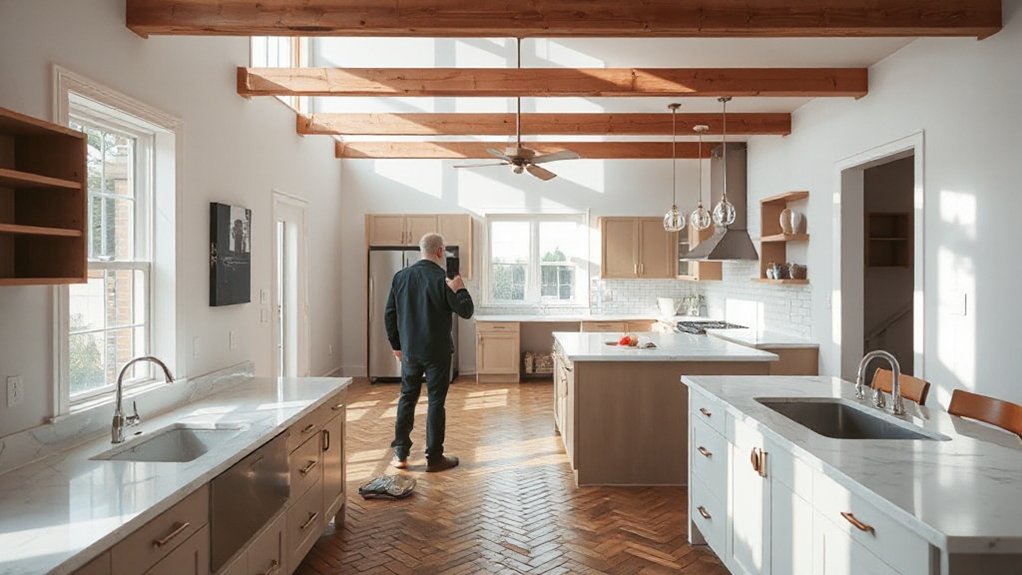
To frame renovations around the customer, start with their priorities—context, constraints, and outcomes—and write the narrative from their perspective.
You frame the project by identifying pain points, timelines, and budget boundaries, then translate these into concrete goals.
Use customer empathy to map needs to features, avoiding jargon that muddies value.
Ground your storytelling in data: show baseline metrics, expected gains, and risk mitigations, so stakeholders see credible impact.
Build narratives with clear decision points, so readers understand why choices matter.
Apply storytelling techniques to highlight journey milestones, tradeoffs, and measurable results, not just finishes.
Present evidence of reliability, quality checks, and post-renewal performance.
When you connect emotional resonance to verifiable outcomes, you strengthen trust and convert inquiries into commitments.
Build a Transparent, Reliability-Proving Portfolio
A transparent, reliability-proving portfolio starts with measurable benchmarks you can trust: track performance, defects, and on-time delivery to show how renovations endure. You present a clear, data-driven narrative that connects process controls to client outcomes, not promises.
Build credibility with consistent documentation: project logs, punch lists, and milestone verifications demonstrate resilience under real conditions. Include third-party validations, warranty histories, and maintenance records to prove longevity.
Tie results to decisioning: explain how selections, sequencing, and risk mitigations reduced disruption and cost. Address Material sourcing and licensing regulations openly, showing compliant sourcing, traceability, and permit adherence as quality signals.
Use visuals—dashboards, trend lines, and concise summaries—to communicate reliability at a glance, increasing trust and accelerating conversions.
Show Measurable Results With Before-After Data
Before-and-after data isn’t just pretty pictures; it proves value by showing you exactly where timelines shortened, defects dropped, and quality rose. You present measurable results to prospects, not vague promises.
Capture before metrics, then compare: cycle times, defect rates, installation accuracy, and handover readiness. Translate data into actionable wins with concise narratives tied to client goals.
Use before-after visuals to anchor marketing strategies in real impact, not hypotheticals. Pair quantitative trends with qualitative context from Customer feedback to validate outcomes and refine your approach.
Demonstrate consistency across projects to build trust, then highlight how improvements scale with team capability and supplier coordination. This data-driven proof reinforces credibility, elevates case studies, and motivates decision-makers to choose you for future renovations.
Demonstrate Process Transparency From Contract to Completion
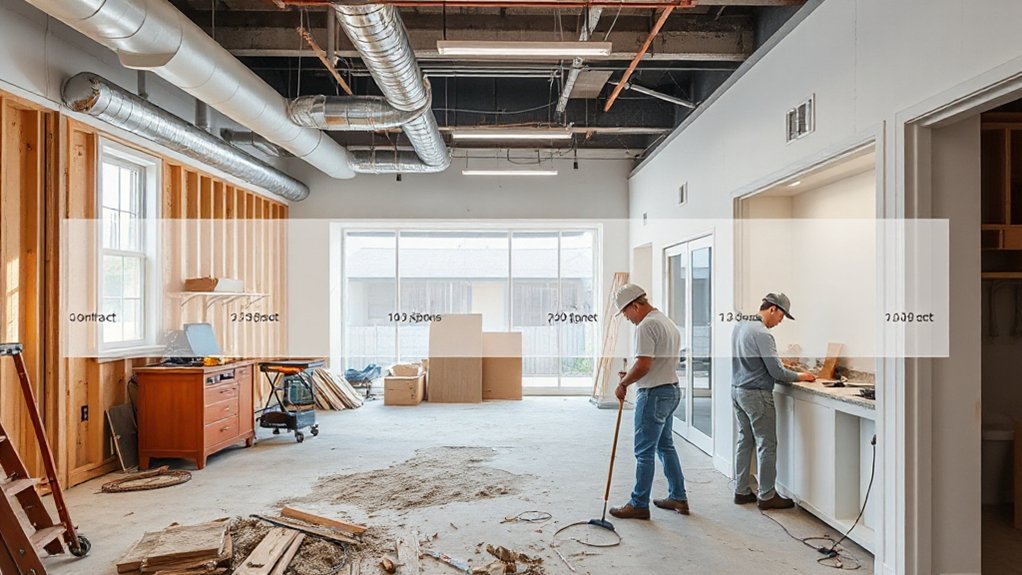
You’ll win trust by publishing transparent schedules and clear milestones, so clients know what to expect and when.
Daily progress updates keep everyone aligned, reducing surprises and accelerating decision-making.
Transparent Scheduling And Milestones
Transparent scheduling and clearly defined milestones keep projects on track and stakeholders informed from contract signing through completion.
When you set a transparent timeline, you reduce ambiguity, align expectations, and accelerate approvals by pre-empting bottlenecks. You’ll establish a baseline schedule that accommodates scheduling flexibility without compromising quality, so changes are managed calmly rather than chaotically.
Milestone communication becomes your chief lever: you publish clear, measurable targets, progress percentages, and upcoming deadlines, then recap outcomes with data-backed notes. This approach builds trust, because clients see your method and predictability in action.
You’ll link milestones to payments, inspections, and approvals, ensuring accountability on both sides. The result: smoother workflows, fewer surprises, and a compelling reason for prospects to choose you.
Daily Progress Updates Shared
How do daily progress updates keep a renovation on track? You leverage daily updates to synchronize teams, flag delays early, and adjust timelines in real time.
With progress sharing, stakeholders see tasks completed, materials on site, and current costs, reducing miscommunication and rework. This transparency builds accountability: each milestone becomes a data point you can benchmark against, boosting predictability for clients and financiers alike.
You’ll present concise, visual status—photos, charts, and a brief narrative—so decision-makers grasp impact within minutes, not days. Consistent cadence also reinforces trust, proving you manage risk proactively.
Implement a standardized format across projects, and require quick responses to blockers. The result: faster approvals, cleaner handoffs, and a reputation for dependable, data-driven execution.
Daily updates become a competitive differentiator in client acquisition through progress sharing.
Feature Video Tours and Time-Lapse Progress
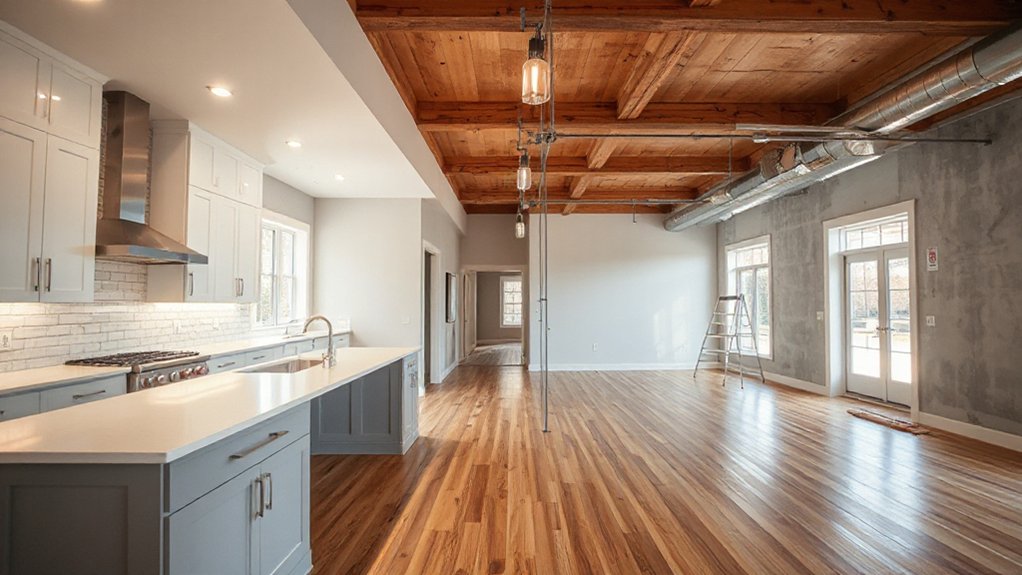
Feature video tours and time-lapse progress are powerful tools for showcasing renovation work, because they convert complex projects into clear, compelling narratives you can trust. You deliver measurable impact by capturing milestones, reducing buyer uncertainty, and accelerating decision cycles.
Use drone footage to reveal site context, aerial progress, and safety compliance, then pair with interior time-lapses that highlight sequencing and efficiency. Integrate 3D walkthroughs to let prospects explore layouts and finish decisions at their own pace, boosting engagement and confidence.
Schedule regular clips aligned to key milestones, and publish across channels with concise captions and metrics—watch view duration, share rates, and lead conversions rise. Combine these media with data-driven storytelling to demonstrate planning discipline, budget control, and accelerated timelines, elevating credibility and winning more projects.
Showcase Client Testimonials and Case Studies
Client testimonials and case studies provide the proof you need to move prospects from interest to commitment. You harness client feedback to validate your process, quantify impact, and reduce perceived risk for new customers.
Begin with short, punchy quotes in your project pages, then pair each with a concrete before/after metric—time saved, budget adherence, or quality refinements. Follow with a case study spine: the challenge, your solution, the measurable result, and a plan for ongoing quality.
Highlight diverse projects to show versatility, and include visuals that corroborate claims. Use data-driven narratives: percentages, costs saved, and schedule adherence.
Promote success stories across channels, linking testimonials to service pages, inquiries, and proposals. Consistency in tone and attribution builds credibility and accelerates decision-making.
Provide Detailed Craftsmanship Breakdowns
From the outset, you’ll break down craftsmanship into tangible, measurable elements—materials, methods, and milestones—so clients see not just what was done, but how it was done with precision.
You present Craftsmanship techniques that distinguish your work, pairing clear metrics with outcomes. Begin with Material selection, explaining why chosen products align with durability, aesthetics, and long-term maintenance.
Then outline methods, detailing each step, sequencing, and quality checks that guarantee consistency across trades.
Tie milestones to client value—log milestones, approvals, and inspection results, not just completed tasks. Use data points: finish grades, tolerances, and warranty terms to demonstrate predictability.
This approach builds trust, reduces perceived risk, and supports pricing credibility, showing you deliver measurable excellence while controlling timeline impacts and post-renovation performance.
Leverage Digital Tools for Accessibility and Trust
Digital tools aren’t just add-ons; they’re the backbone of trust and accessibility. You’ll win more projects when clients can explore options without onsite visits, review specs, and compare finishes instantly.
Use virtual reality to let clients immerse themselves in proposed layouts, revealing spatial flow and scale before you lift a single board. Augmented reality lets them place materials in their actual spaces, boosting confidence and reducing last‑minute changes.
Data shows interactive walkthroughs shorten cycles and increase close rates; track engagement metrics to refine your approach.
Guarantee your digital assets are accessible—caption videos, alt text images, and provide transcripts. By prioritizing clear online decision trees, you reduce friction, accelerate approvals, and demonstrate professionalism clients remember.
Create a Conversion-Focused Renovation Showcases Page
Start by curating a focused Project Gallery that highlights your strongest renovations and clearly maps client goals to outcomes.
Pair Case Study Highlights with measurable results to demonstrate impact, efficiency, and value to prospective clients.
Use Conversion-Focused CTAs throughout to guide visitors toward consultations, estimates, or project inquiries, backed by concise data and bold visuals.
Project Gallery Curation
A curated project gallery isn’t just a portfolio TV show—it’s a conversion engine. You design galleries to guide visitors from curiosity to booking, so structure matters.
Lead with your strongest remodels in a logical sequence that mirrors buyer journeys: entry-level updates, mid-range transformations, and high-end makeovers. Use consistent naming and tagging to surface relevant work quickly, and guarantee each project has scannable metrics—timeline, budgets, and outcomes.
Prioritize visuals that corroborate your claims with context: before/after, room-by-room details, and lifestyle clarity. Color schemes and material choices should be unpacked in captions to reduce decision fatigue, not overwhelm.
Optimize image sizes and alt text for search visibility, and include a visible CTA after the gallery. Test layouts, measure swipes, and refine based on conversion data.
Case Study Highlights
Case study highlights should function as conversion anchors, not mere receipts of work. You frame each project as a strategic proof point, translating metrics into trust and momentum for prospective clients.
Highlight before/after data, timelines, budgets, and operational challenges you conquered, then connect those outcomes to client goals—cost efficiency, space optimization, or mood uplift. Use concise narratives that spotlight measurable results, customer satisfaction, and repeat-biz indicators.
Integrate innovative marketing elements—embedded visuals, slide decks, and short quotes—that quickly demonstrate impact without fluff. Emphasize the process you own, from discovery to delivery, and how your team mitigates risk.
Enable easy scannability with digestible metrics and story hooks. This approach boosts customer engagement by converting curiosity into action and positioning you as a trusted renovation partner.
Conversion-Focused CTAs
Ever wondered how to turn renovation showcases into a proven path to action? Your page should guide visitors with clear, conversion-focused CTAs located beside compelling project images and concise benefits.
Use action verbs like “Get a Quote,” “Book a Free Consultation,” or “See Detailed Pricing,” and place them above the fold to reduce friction. Test multiple variations and track which prompts drive inquiries, using a data-driven approach to refine placement, color, and copy.
Tie CTAs to pricing strategies, offering transparent tiers or packages that mirror showcased work, so prospects see value instantly. Don’t ignore legal considerations—include disclosures where needed, guarantee consent for before/after media, and keep forms simple.
A focused, streamlined renovation showcases page converts better and accelerates next-step actions.
Frequently Asked Questions
How Do You Handle Permit Delays in Showcased Projects?
Permit delays can derail timelines, so you manage expectations by documenting milestones and updating stakeholders regularly. You align permit process with regulatory compliance, share data-backed impact projections, and present proactive mitigations to keep projects appealing and credible.
What’s Your Typical Project Timeline Buffer for Renovations?
Your typical project timeline buffer for renovations is about 10–20% of the total duration, helping smooth renovation scheduling and accommodate unexpected delays; this data-driven cushion keeps clients confident and projects on track with strategic planning.
How Do You Ensure Subcontractor Reliability and Safety?
You’re asking how to guarantee subcontractor reliability and safety. It’s simple: implement strict subcontractor vetting and rigorous Safety protocols, backed by data, audits, and ongoing performance metrics that keep projects on schedule, on budget, and incident-free.
Can You Tailor Renovations to Budget-Specific Showcases?
Yes, you can tailor renovations to budget-specific showcases, leveraging budget flexibility and customization options to align scope with funds. You’ll present data-driven options, compare ROI, and strategically persuade clients to choose scalable, value-driven solutions.
What Post-Completion Warranties and Maintenance Support Do You Offer?
We offer post warranty and maintenance support, including proactive check-ins and rapid response SLAs. You’ll see reduced long-term costs through preventative care, data-driven service schedules, and documented coverage to protect your investment and maximize project longevity.
Conclusion
You’ll win by pairing ambition with evidence. Frame dreams in your client’s voice, then anchor them to hard data: timelines met, defect rates slashed, stellar testimonials. Juxtapose the ideal renovation with the reality of your disciplined process—plans vs. progress, promises vs. proofs. Show the craft side by side with digital clarity—photos, videos, VR—so trust isn’t asked for, it’s demonstrated. When accessibility meets transparency, curiosity becomes conversions and referrals follow.