
To master a 2026 seasonal home maintenance plan, you’ll follow a precise, year‑round checklist that protects performance, comfort, and efficiency. Start with Spring exterior safety checks, moisture control, and smoke alarm upkeep; move into Summer outdoorHVAC and gutter maintenance; then Fall seal and insulate for comfort and savings; finish Winter with insulation, plumbing protection, and thermostat calibration. Use monthly tasks to sustain momentum and track progress, adjusting as needed. Continue, and you’ll release deeper strategies that boost reliability and peace of mind.
Build Your 2026 Seasonal Home Maintenance Plan
To build your 2026 seasonal home maintenance plan, start by mapping out critical tasks for spring, summer, fall, and winter, then assign realistic timeframes and owners. You’ll create a shared framework that reinforces belonging and accountability, so every teammate understands where to focus effort.
Prioritize home automation upgrades that improve usability and comfort, while aligning maintenance windows with activity patterns for efficiency. Emphasize energy conservation through scheduled inspections of insulation, HVAC efficiency, and lighting controls.
Document dependencies, risk factors, and success metrics, then review quarterly to stay aligned. This approach empowers you to act proactively, reducing downtime and surprises.
With clear ownership and measurable targets, you’ll cultivate confidence, consistency, and a resilient, well-maintained home ecosystem.
Spring Maintenance: Quick Tasks to Save Energy and Improve Safety
Spring is the best time to tighten your home’s defenses: inspect exterior cues, seal air leaks early, and test smoke alarms regularly.
Start outside to spot weathered siding, gaps, or loose trim that let cold air in and pests in, then seal them promptly.
Finish by verifying alarm placement and batteries, so you’re alerted the moment danger arises.
Inspect Exterior Cues
Inspect exterior cues by walking the house perimeter to spot signs of wear, damage, or moisture intrusion before they escalate. You’ll train your eye to read the home exterior like a report card, noting cracked siding, peeling paint, warped trim, and loose fasteners.
Check flashing around doors, windows, and the roofline for gaps or rust, which herald water ingress. Observe gutters and downspouts for clogs, misalignment, or pooling at foundations, then plan prompt cleaning or realignment.
Inspect foundation vents and grading to ensure proper drainage away from the structure. Look for mold, mildew halos, or staining on soffits or siding, signaling moisture issues.
This proactive scan reinforces safety, energy efficiency, and curb appeal, fostering belonging through a well-maintained, resilient home exterior.
Seal Air Leaks Early
Ever wonder how a simple seal can slash energy bills and boost safety? You’ll gain immediate control by sealing air leaks early, improving energy efficiency across your home. Focused steps let you belong to a safer, more comfortable space.
- Inspect obvious gaps around doors, windows, and outlets; mark hotspots for immediate sealing.
- Apply weatherstripping or caulk precisely, prioritizing high-traffic areas first.
- Seal attic and basement penetrations to stop heat exchange at its source.
- Recheck drafts after sealing, ensuring consistent comfort without overbuilding.
Test Smoke Alarms Regularly
Test smoke alarms monthly and after any battery changes to guarantee you’re alerted when it matters most.
In spring, verify each device’s function with a short test using the test button, and don’t skip hard-wired or interconnected units.
Inspect for dust, debris, or corrosion, and gently clean with a soft brush or compressed air if needed.
Replace batteries promptly, prioritizing devices near sleeping areas, kitchens, and hallways, because reliable fire safety depends on consistent power.
If a unit sounds false or fails the test, replace it or upgrade to a newer model with a 10-year sealed battery.
Document checks as part of your home maintenance calendar to reinforce a culture of safety, belonging, and preparedness through attentive battery replacement and routine testing.
Summer Outdoors: Upkeep to Prevent Costly Repairs
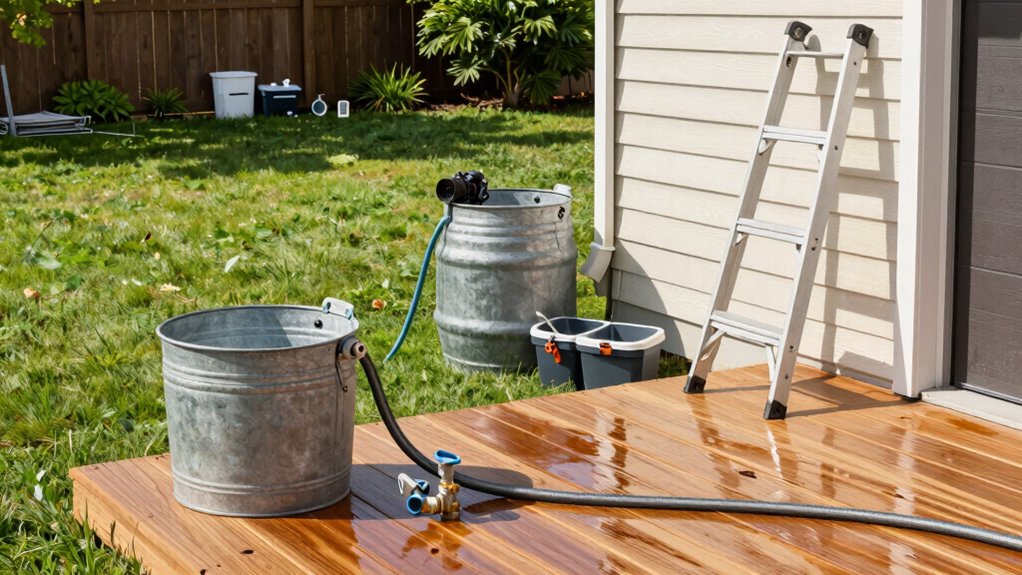
To prevent costly outages, start by inspecting your outdoor AC or heat pump unit for loose connections, debris, and visible damage.
While you’re up there, clean the gutters to ensure roof drainage won’t flood the system or foundation. Remove any clogs that could back up into soffits.
Addressing these areas now keeps summer performance efficient and reduces the risk of costly repairs later.
Inspect Outdoor Units
Inspecting your outdoor unit is a crucial summer task that prevents costly breakdowns and guarantees peak efficiency. You’ll protect comfort, trust, and system longevity through proactive checks.
- Visually inspect the condenser coil for debris and clean as needed to sustain airflow and efficiency.
- Clear the surrounding area to ensure proper ventilation and safe service access.
- Listen for unusual noises during operation and address loose components or mounting.
- Verify electrical connections and capacitor health, scheduling HVAC maintenance if readings stray.
A deliberate outdoor unit inspection reduces repair risk and reinforces confidence in your home’s climate control.
Clean Gutters Ahead
Clean gutters are a summer maintenance essential that protects your home from water damage and costly repairs. You’ll prevent overflow by inspecting and clearing the downspouts, ensuring unobstructed drainage.
Before you start, gather gloves, a sturdy ladder, a scoop, and a hose. Focus on gutter cleaning with methodical, one-section-at-a-time work, removing leaves, pine needles, and other debris.
Maintain proper pitch and check for leaks, loose hangers, and corrosion as you proceed. After debris removal, flush each run to verify flow and watch for any clogs.
If you discover stubborn buildup, use a trowel carefully or a plumber’s snake—never force joints. Schedule routine maintenance, especially after storms, to sustain protection and peace of mind for your home and family.
Fall Preparations: Weather Shifts, Comfort, and Efficiency
As autumn arrives, shifts in temperature and daylight call for a focused approach to home comfort and energy efficiency. You’ll optimize comfort and cut costs by prioritizing practical steps that matter.
1) Inspect seals and doors, tightening gaps to prevent drafts and boost energy efficiency.
2) Schedule insulation upgrades where needed, focusing on attic and crawl spaces for maximum return.
3) Optimize your thermostat practices, set on programmable modes to match daily routines.
4) Refresh air quality with balanced ventilation, maintaining comfort without sacrificing efficiency.
With precise execution, you’ll feel the difference in warmth, consistency, and savings, while belonging to a proactive community of homeowners who prepare thoughtfully and act confidently.
Winter Readiness: Protecting Heat, Power, and Plumbing
Winter readiness means safeguarding heat, power, and plumbing when temperatures drop. You’ll verify that your heating system operates efficiently by scheduling professional service if needed, and you’ll perform practical checks that keep comfort consistent through cold spells.
Prioritize insulation checks around doors, windows, vents, and attic hatches to minimize heat loss and steady energy use. Confirm your home’s electrical panel is accessible, circuits labeled, and surge protection intact to prevent outages during peak demand.
Maintain water reliability by insulating exposed pipes and letting a small, steady faucet trickle on the coldest nights. Finally, focus on thermostat calibration, confirming accurate readings and responsive adjustments.
With disciplined attention, you protect your family space, conserve energy, and foster belonging in a safe, well-run home.
Year-Round: Monthly Tasks for Consistency
Do you want a home that stays dependable no matter the season? Year-round monthly tasks keep systems predictable and safe, reducing surprises. You’ll build discipline, gain confidence, and invite trust from everyone under your roof.
1) Inspect HVAC filters and seals each month, noting replacements to maintain indoor air quality and energy efficiency.
2) Check plumbing for drips, leaks, and water pressure, preventing costly damage and supporting DIY repairs when feasible.
3) Test batteries and safety devices, ensuring alarms, extinguishers, and CO2 detectors function reliably.
4) Tidy and seal entry points, dry damp areas, and review insulation for comfort, air quality, and long-term savings.
These routines reinforce belonging, empower you, and protect your home’s performance with consistent, precise care.
Customize and Track Your Schedule: Measuring Progress and Adjusting
To keep your yearly plan reliable, you must tailor it to real outcomes and track progress over time. You’ll translate tasks into clear milestones, then measure completion, quality, and timing against those benchmarks.
Start by logging successes and delays, identifying patterns that reveal gaps in your schedule. Use objective metrics: completion rate, days ahead or behind, and recurring bottlenecks.
When data shows drift, adjust schedules proactively rather than reactively. Prioritize high‑impact tasks, reallocate buffers, and re‑sequence seasonal chores to maximize efficiency.
Communicate updates with your household so commitments feel shared and achievable. Regular reviews—monthly or after major seasons—solidify accountability.
This disciplined rhythm protects consistency, ensures realism, and strengthens your sense of belonging within a well‑managed home. tracking progress, adjusting schedules.
Frequently Asked Questions
How Can I Personalize the Maintenance Plan for My Climate?
You can personalize it by adding Customized climate tips and local weather considerations to your plan, tailoring tasks to your region, microclimate, and seasonality, so you feel confident, supported, and connected to home maintenance that fits your climate precisely.
What Budget Tips Help Avoid Seasonal Cost Spikes?
A stitch in time saves nine, so plan ahead: use DIY repairs where safe and cost-effective, seal drafts, schedule seasonal tune-ups, and track expenses. You’ll gain belonging while following Cost saving tips and budget-smart routines.
Which Tasks Require Professional Help and When?
You should call pros for structural, electrical, or gas work, plus any issues above your training. For emergencies, keep DIY repairs strictly to safe, minor tasks and update emergency contacts, so help arrives fast and you stay safe.
How Do I Track Progress Across Multiple Properties?
“Keep your ducks in a row” as you track progress across multiple properties. You’ll centralize property inspections, schedule maintenance, and monitor dashboards, ensuring consistency, accountability, and belonging within your portfolio.
What Are Early Warning Signs of Major System Failures?
Watch for early warning signs like unusual noises, vibrations, or dips in performance; your system alert should spike, and you’ll notice overheating or leaks. Recognize these warning signs quickly, act decisively, and you’ll protect your trusted systems.