
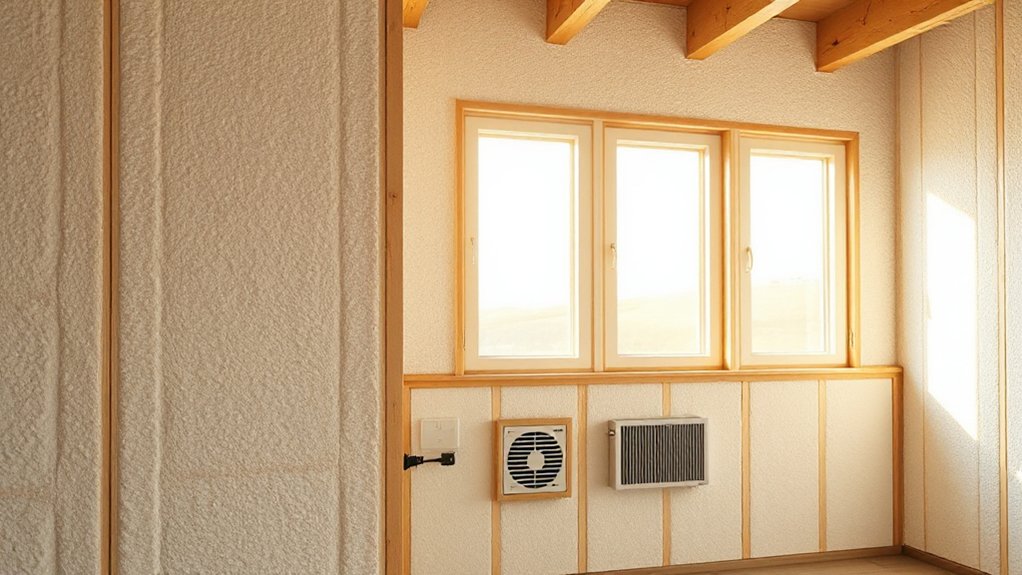
Innovative insulation blends continuous, durable materials with airtight detailing to maximize comfort, resilience, and lifecycle value. Think dense-pack, spray foams, cellulose, and mineral wool tailored to your climate, plus ultra-high R-value options like aerogel or vacuum panels where space is tight. Prioritize continuous insulation, moisture control, and precise air barriers to minimize thermal bridging and condensation. Consider hybrid systems that pair insulation with controlled ventilation for energy and IAQ. If you want more, you’ll uncover practical design, install, and cost strategies.
What Do You Need From Insulation? a Simple Decision Framework
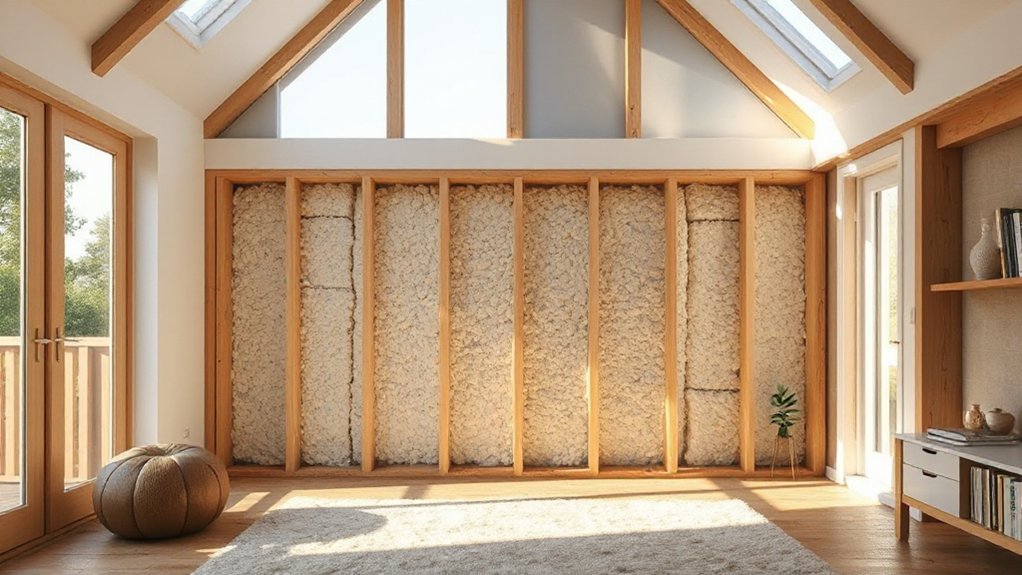
Choosing insulation isn’t about chasing the highest R-value alone; it’s about meeting your actual needs for comfort, cost, and climate resilience. You evaluate performance across thermal drift, moisture control, and long-term reliability. Your framework guides material choice, installation method, and boundary conditions, tying insulation durability to daily use and seasonal swings.
Consider how the system integrates visually and structurally with your space—this is where aesthetic integration matters, not just aesthetics. You’ll balance initial price, ongoing energy savings, and maintenance.
Factor durability against humidity, air sealing, and potential pests. Finally, align your choice with local climate data and building codes.
With this approach, you select a solution that delivers consistent comfort, predictable bills, and lasting value for your home.
How Insulation Improves Home Comfort by Climate
You’ll see how thermal barriers improve comfort by reducing heat flow, keeping indoor temperatures steadier across seasons.
By limiting air and heat exchange, insulation supports seasonal temperature regulation and minimizes drafts.
This sets the stage for deeper discussion on how climate-active performance translates to occupant comfort.
Thermal Barriers For Comfort
Thermal barriers do more than reduce heat flow; they shape comfort by maintaining stable indoor temperatures and minimizing drafts. You experience consistent warmth in living spaces without sudden swings, even when outside conditions shift. This stability hinges on continuous sealing and properly installed assemblies that resist air leakage and moisture migration.
By isolating conditioned zones, you reduce heat loss in winter and heat gain in summer, which supports a more uniform climate throughout the home. Effective barriers also preserve HVAC efficiency, lowering energy use while improving occupant comfort.
Prioritize Indoor air quality within occupied spaces by preventing uncontrolled ventilation paths that bring pollutants. Regular insulation maintenance ensures barriers perform as designed, sustaining thermal performance and comfort over time without compromising safety or occupant wellbeing.
Seasonal Temperature Regulation
- You notice fewer cold drafts near windows and doors, creating a welcoming, secure feel.
- Your home stays comfortable as outdoor temperatures fluctuate.
- You experience steady warmth in winter and coolness in summer without constant adjustments.
- Thermal bridging is minimized, boosting energy efficiency and resilience.
- Insulation durability guarantees lasting comfort and cost savings.
Dense-Pack vs Spray Foams: Pros, Cons, and Best Climate Fits
Dense-pack and spray foams each offer distinct performance profiles for dense assemblies. You weigh installation density, air sealing quality, and potential moisture interactions to match climate needs.
Dense-pack reduces material shrinkage risk in tight cavities and favors high R-values per inch, but application requires skilled compaction control to avoid gaps.
Spray foams deliver rapid coverage and excellent continuous insulation, yet variability in curing can affect long-term performance if installers cut corners.
Climate fits hinge on exterior wind loads, humidity, and seasonal temperature swings; you’ll choose based on accessibility, ventilation plans, and desired permeance.
Prioritize insulation durability and material sustainability in procurement, examining supplier certifications and recycled content.
In the end, you select a system that integrates with your home envelope, supports comfort, and aligns with your community’s expectations.
Cellulose and Mineral Wool: Sustainable Performance Options
You’ll evaluate cellulose for sustainable performance, focusing on its thermal behavior, moisture handling, and lifecycle impacts.
Mineral wool offers reliable thermal benefits and fire resistance with dense packing and looser-fill options for different assemblies.
Together, these materials shape durable, energy-efficient envelopes and inform installation choices that balance cost, safety, and performance.
Sustainable Cellulose Performance
Is cellulose the most versatile eco-friendly choice for improving wall and attic performance, or do mineral wool options better address moisture and fire concerns? You weigh options with a data-driven mindset, prioritizing steady insulation durability and installation accessibility.
When you select sustainable cellulose, you gain permeable moisture handling, reduced shrinkage risk, and long-term stability under shifting temperatures. You’ll appreciate easy blown-in installation techniques, compatible with existing cavities, and predictable settling behavior. Performance tracks with density adjustments that support air barriers without compromising bulk.
Yet, you stay attentive to moisture management, ensuring ventilation works in tandem with the insulation. With disciplined commissioning, you secure reliable R-values and a measurable, lower lifecycle impact. Your choice signals smart stewardship and inclusive, shared comfort.
- Clear performance metrics empower confident decisions
- Seamless integration with existing framing
- Consistent thermal resistance over time
- Reduced waste, lower embodied energy
- Accessible DIY guidance aligns with belonging
Mineral Wool Thermal Benefits
Mineral wool delivers notable thermal benefits that complement cellulose, especially where you need stable R-values under moisture and fire exposure. You’ll find mineral wool performs consistently in damp conditions, maintaining insulation continuity and minimizing thermal bridges.
Its open yet dense fiber structure reduces convection pockets, improving resistance to heat flow without excessive thickness. Layering with cellulose can optimize moisture management, while mineral wool contributes resilience against wind-driven drafts and radiant heat.
For fire safety, mineral wool remains noncombustible and shapes reliable barriers, supporting code-aligned performance. Sound absorption complements its thermal role, reducing transmission of impact and airborne noise through assemblies.
Together, these materials deliver durable, energy-efficient envelopes that foster a sense of belonging through dependable, long-term comfort and performance. Mineral wool, sound absorption.
Ultra-High R-Value Solutions: Aerogel and Vacuum Panels When They Matter
Ultra-high R-value solutions matter when conventional insulation falls short, particularly in extreme climates or compact building envelopes. You leverage aerogel and vacuum panels to bridge performance gaps where traditional materials struggle, choosing options that minimize thickness without sacrificing thermal protection.
You’ll confront Insulation myths head-on, recognizing that performance isn’t solely about density, but about effective heat transfer and installation quality. This approach connects to historical methods while pushing modern limits, ensuring you feel grounded in proven science and confident in future upgrades.
- You gain a sense of belonging by mastering cutting-edge, peer-approved choices
- You’ll separate hype from data with precise R-value metrics
- You’ll respect material limits, warranties, and lifecycle impacts
- You’ll optimize space without compromising safety or comfort
- You’ll join a disciplined community focused on durable, efficient homes
Building an Airtight Envelope: Air Barriers That Really Work

You’ll locate air barriers at a continuous envelope, prioritizing joints, seams, and penetrations to prevent paths for air leakage. Adopt a continuous seal strategy that coordinates with structural details and HVAC openings, so every shift remains airtight.
Then outline airtightness testing steps, from pre-test verification to pressure tests and iterative corrections, to verify performance and guide improvements.
Air Barrier Locations
Where should you place air barriers to maximize a building’s airtightness and energy performance? You align barriers at the envelope’s critical joints, junctions, and penetrations, then verify through testing and inspection. Correct placement reduces therm layers, minimizes drafts, and supports consistent indoor comfort.
Prioritize continuous trajectories over gaps, and use proven sealing techniques at seams, corners, and edges to maintain integrity. Address zones around foundation voids, roof-to-wall interfaces, and fenestration rough-ins with attention to thermal bridging. Target durable materials, proper adhesion, and predictable performance over time.
Regular field checks validate installation quality, ensuring long-term energy savings and occupant satisfaction.
- Precise layout strengthens whole-house performance and a sense of belonging.
- Seamless transitions foster comfort, trust, and consistent climate control.
- Reliable sealing techniques empower calmer, healthier spaces.
- Thorough inspections reduce surprises and callbacks.
- Confidence in outcomes fuels future airtight choices.
Continuous Seal Strategy
So, how do you achieve a truly continuous air barrier? You design and install a single, uninterrupted envelope that stops air leaks at joints, penetrations, and connections. Start with a continuous membrane or carefully detailed assemblies that tie together walls, ceilings, and foundations.
Seal gaps with compatible, durable materials and verify discontinuities are eliminated at electrical boxes, vents, and plumbing penetrations. Maintain continuity through corners, edges, and intersections by furring channels or integrated framing that supports airtight layers.
Account for thermal bridging by overlapping seams and using foam or mastic where structural members create gaps. Prioritize insulation durability by selecting materials and coatings that resist compression and degradation over time, ensuring long-term performance without compromising airtight integrity.
Regular detailing reviews prevent degraded performance and protect energy efficiency.
Airtightness Testing Steps
Airtightness testing confirms the effectiveness of your air barrier by systematically measuring how much air leaks through the building envelope. You’ll follow a precise protocol to quantify leakage, identify weak points, and verify commissioning of the system.
Tasks emphasize insulation durability and robust Installation techniques, ensuring durable performance under real-world conditions. You’ll use standardized methods, document results, and prioritize reproducibility to support long-term envelope integrity.
Focused testing informs corrective actions, reduces energy waste, and strengthens occupant comfort. The process also demonstrates your commitment to quality, safety, and neighborly stewardship through disciplined execution and transparent reporting.
- You feel confident when pinpointing gaps and plotting targeted repairs
- You experience assurance from measurable, repeatable results
- You gain pride in aligning practice with best standards
- You trust data to drive durable insulation decisions
- You belong to a community of careful builders
Continuous Insulation and Eliminating Thermal Bridges
Continuous insulation eliminates thermal bridges by wrapping the wall assembly in a continuous layer of insulation that spans studs, joints, and penetrations. You gain uninterrupted thermal resistance, reducing heat loss paths and improving overall envelope performance.
Choose insulation materials with low thermal conductivity and compatibility with finish substrates to guarantee long-term performance. Evaluate how sheathing, air barriers, and vapor retarders integrate with the continuous layer, preserving moisture control without interrupting continuity.
Installation techniques emphasize full coverage over framing members, with careful detailing at corners, penetrations, and discontinuities. Prefer assemblies that minimize gaps, seams, and compression under fasteners.
Verify thickness and coverage per design R-values, and document interface details for trades. This approach fosters a cohesive, efficient, and inclusive building culture that values precision and reliability.
Cold-Climate vs Warm-Climate Insulation Considerations
Are insulation choices in cold climates fundamentally different from those in warm climates? Yes, because climate shapes performance targets, materials, and detailing.
You optimize for heat retention, minimizing bridging, and reducing condensation risk, while ensuring installation quality and long-term durability. In both contexts, you prioritize insulation durability and aesthetic integration, so it remains cohesive with your building envelope and interior design.
- You select for high R-values per inch without compromising installability
- You emphasize air sealing and airtight drywall detailing
- You choose materials that resist moisture while staying durable
- You consider exterior finishes that mirror architectural intent
- You plan for seasonal thermal swings without sacrificing comfort
Moisture Management in Insulated Walls: Vapor, Condensation, and Humidity
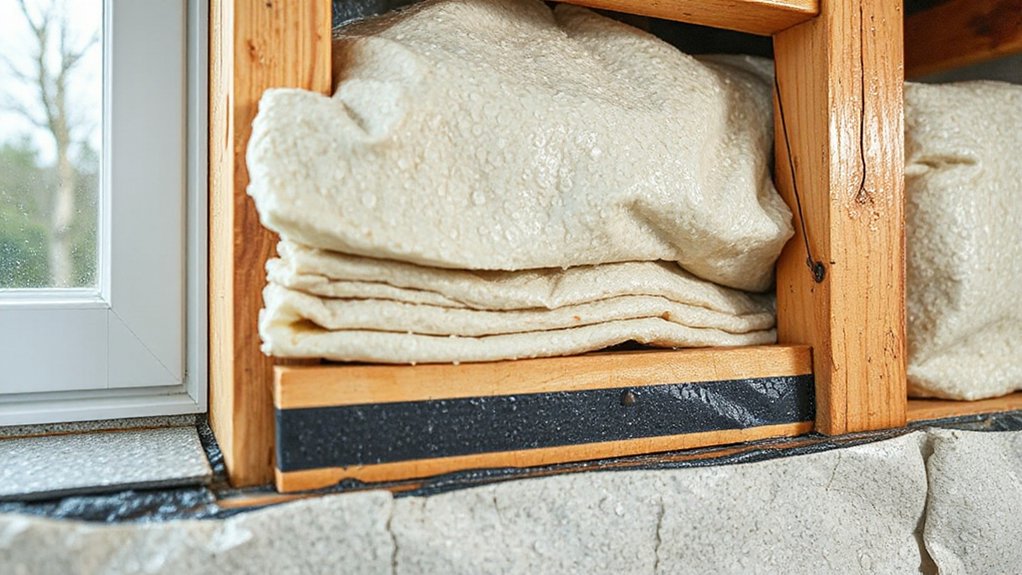
Moisture moves through insulated walls as heat and humidity converge, so understanding vapor transport, condensation risks, and interior humidity control is essential for durable envelopes. You’ll evaluate how moisture barriers influence barrier integrity and how vapor diffusion drives moisture loading across assemblies.
In practice, you assess dew-point behavior, temperature gradients, and seasonal drying potential to prevent cold-weather condensation and summertime mold risk. Design choices matter: proper sequencing of vapor retarders, continuous sheathing, and airtight detailing limit air-transported moisture while allowing controlled drying.
You’ll prioritize materials with predictable permeance, avoid hidden condensation traps, and implement robust ventilation strategies to keep interior RH in safe ranges. When moisture management is proactive, you sustain performance, comfort, and long-term envelope durability.
Installation Realities: DIY vs Pro, Codes, and Warranties
For installation realities, you must weigh DIY feasibility against professional standards, because mistakes can erase efficiency gains and void warranties. You’re navigating codes, permits, and manufacturer requirements to keep your project compliant and your investment protected.
Understanding insulation myths helps you separate hype from proven practices, while recognizing historical insulation can contextualize today’s performance expectations. Choose the right path for air sealing, mineral wool, or foam, and don’t underestimate enclosure integrity or safety barriers.
Warranties hinge on correct installation, material compatibility, and documentation, so documentation matters as much as the install. Align with pros when wiring, fire barriers, or complex assemblies to sustain long-term comfort and code compliance.
- You deserve confidence, not guesswork, in every detail.
- Real-world constraints meet expert standards, delivering trust.
- Community and guidance uplift your project and peace of mind.
- Evidence-based choices beat outdated beliefs about insulation myths.
- Historical insulation insight informs practical, future-proof decisions.
Life-Cycle Value: Cost, Payback, and Long-Term Savings
Even so, understanding life-cycle value is essential: you’ll compare upfront costs to long-term savings from reduced energy use, improved comfort, and resale value. You assess insulation durability across materials, noting how aging performance affects payback timelines.
Consider installation quality, which influences heat transfer and maintenance cycles, then translate these factors into annual energy savings. Compare initial premium against lifetime costs, accounting for utility rate trends and potential incentives.
Material toxicity matters for indoor air quality, influencing health-related costs and occupant well-being, which factor into perceived value and resale appeal. A solid model weighs payback period, net present value, and depreciation-free years of service.
Informed choices align with your goals, delivering predictable comfort, resilience, and a stronger sense of belonging in your home.
Climate-Responsive Hybrid Systems: Matching Solutions to Your Climate

Climate-responsive hybrid systems combine insulation strategies with mechanical and natural ventilation to suit your climate and occupancy patterns. You’ll align materials, airflow, and thermal mass to optimize comfort, energy use, and resilience, while preserving insulation durability across seasons.
- Feel confident in a design that adapts to your daily rhythms and seasonal shifts
- Trust precise control of air exchange for consistent indoor air quality
- Experience steady comfort through balanced thermal mass and insulation
- Rely on durable solutions that withstand climate variability and aging
- Belong to a system that prioritizes efficiency, weather responsiveness, and long-term performance
Thermal mass and insulation durability anchor performance, enabling responsive, efficient climate control without sacrificing usability.
Frequently Asked Questions
How to Choose Insulation for Retrofit Projects on a Budget?
You should start with a practical plan: assess leaks, prioritize attic and ducts, and target an affordable R-value for your climate.
Compare price-per-R, choose eco-friendly materials, and avoid myths that bigger is always better.
Look for insulation myths debunked by builders, and favor budget-friendly, durable options like mineral wool or cellulose when feasible.
Make certain of proper gaps, ventilation, and installation; this builds a sense of belonging through shared, informed decisions.
Which Insulation Types Are Best for Multi-Story Homes?
For multi-story homes, spray foams and dense-pack cellulose top the list for R Value optimization and moisture resistance. You’ll gain strong, continuous air barriers plus fast, uniform installation across upper floors.
Choose high‑density options to avoid settling, and couple with vapor retarders per climate. Make certain proper insulation budgeting for tall walls and joist cavities.
You’ll feel steadier comfort, lower drafts, and confident, energy‑efficient performance throughout every level.
Do Homeowners Need an Airtightness Test After Insulation?
Yes, you should pursue airtightness testing after insulation to verify energy performance.
By conducting airtightness testing, you confirm the membranes and joints seal properly, prevent leakage, and meet codes.
This step helps you quantify improvements, identify penetrations, and optimize your system’s effectiveness.
Proper testing gives you concrete data, guides adjustments, and supports long-term efficiency.
You’ll gain confidence that your home delivers consistent energy performance and comfort for years to come.
How Does Insulation Affect Indoor Air Quality?
Insulation can improve comfort but may affect indoor air quality if vents are restricted. You’ll reduce indoor pollutants by ensuring proper ventilation strategies, including controlled exhausts and distributed supply air, to maintain fresh air without compromising energy efficiency.
Use a balanced approach with heat recovery where feasible. Regularly inspect seals and filtration to prevent contaminants from recirculating.
You’ll create healthier spaces by combining airtightness with effective ventilation and routine pollutant monitoring.
Can Insulation Improve Resale Value and Property Insurance?
Yes, insulation can improve resale value and may support insurance claims. You’ll attract buyers with reduced energy costs, and lenders often view efficient homes as lower risk, boosting resale value and marketability.
It can also strengthen insurance criteria by showing durable, compliant upgrades. Insurance claims may be smoother after documented improvements.
This creates a sense of belonging for buyers who value protection, efficiency, and long-term investment. Resale boost hinges on quality installation and credible documentation.
Conclusion
Think of your home as a sealed chest, each insulation choice a stamp guiding warmth or coolness to stay put. You’ll feel the difference in bite-free mornings and consistent comfort, even on bitter days. Choose dense-pack, mineral wool, or aerogel where they fit, but respect moisture and code rules. With smart layering, you’ll slice energy bills, extend equipment life, and keep climate inside steady—a resilient shell that pays you back with every season.