
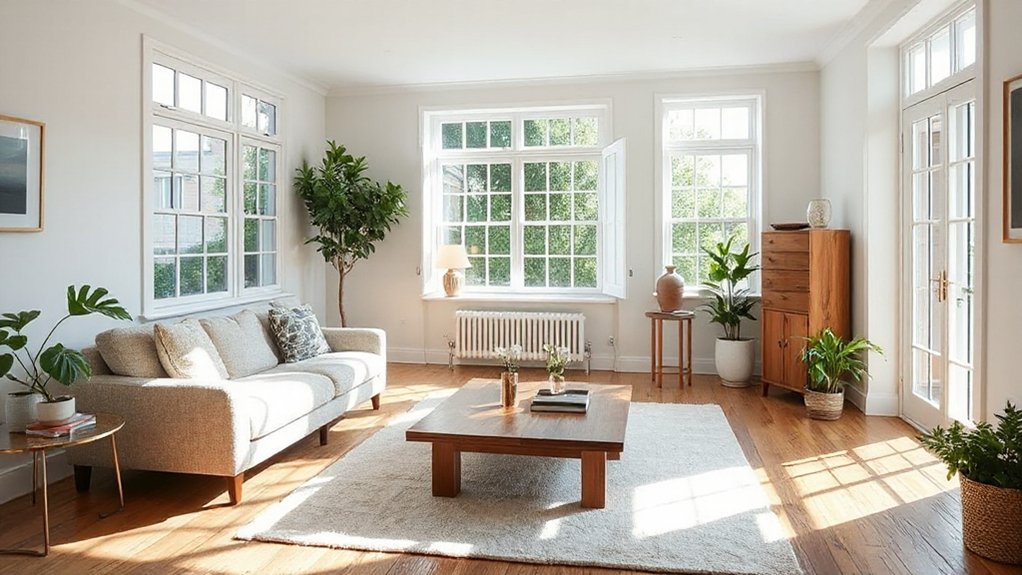
UK landlords attract tenants by prioritising smart interiors, durable materials, and space-smart layouts that maximise rentability. You’ll benefit from quiet, reliable lighting and climate control, plus secure connectivity that supports occupancy stability. Choose low-maintenance finishes—engineered quartz, vinyl plank, porcelain tiles—and opt for recyclable, low-VOC options to cut ongoing costs and appeal to eco-conscious renters. Pro‑grade storage in kitchens and bathrooms reduces friction, while fast cosmetic upgrades and energy-efficient lighting boost perceived value. Keep budgets tied to measurable returns, and you’ll stay ahead. More tips ahead.
Why UK Landlords Prioritize Smart Interiors
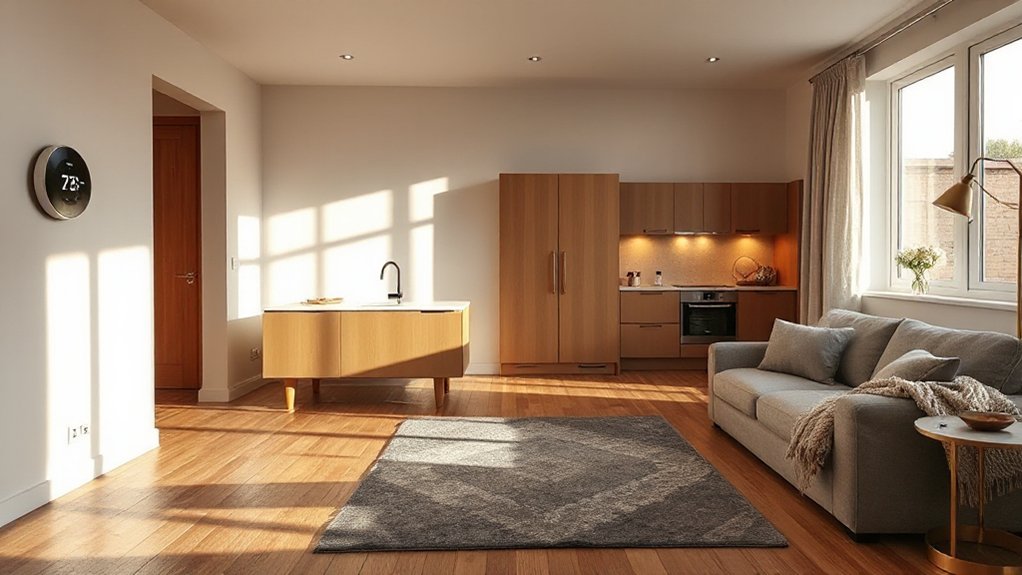
Smart interiors have become a priority for UK landlords because they directly influence tenant demand and retention. You’ll see data showing higher occupancy, faster tenancy turnover, and premium rents when interiors feel modern and reliable. This isn’t guesswork; it’s anchored in consumer behavior and market benchmarks.
You tailor spaces to meet expectations shaped by Historical influences and evolving Cultural diversity, blending timeless durability with adaptable aesthetics. You choose durable materials, smart controls, and consistent design language that signals value and stability.
By benchmarking features that tenants expect—quiet lighting, climate control, secure connectivity—you reinforce belonging and trust. The result: predictable cash flow, stronger consent to renew, and a competitive edge in a crowded market.
Your strategy isn’t vanity; it’s evidence-based stewardship of your asset’s appeal.
Space-Smart Layouts for Maximum Rentability
Density and flow matter more than square footage alone. You’ll optimize rental appeal by applying space-smart layouts that boost usability and perceived value. In practice, this means balancing private zones with open, adaptable spaces, so tenants feel connected and cared for.
- Creative layouts that segment living areas without clutter
- Flexible furniture plans that convert nooks for work, rest, and meals
- Multi-functional storage to reduce visual clutter and maximize floor space
- Clear traffic patterns that ease movement and highlight natural light
A data-driven approach shows higher rentability when rooms serve multiple purposes and layouts enable easy personalization. This is about space maximization that respects comfort and belonging, not just measurements.
You’ll attract longer tenancies by presenting practical, well-planned homes where tenants can see themselves thriving. Creative layouts become a selling point, not a risk.
Energy-Efficient Lighting and Power Upgrades
Are energy costs eating into your bottom line, or could smart lighting and power upgrades reveal significant tenant appeal? You can cut bills and boost desirability with targeted upgrades. Replace old fixtures with LEDs, sensors, and dimming controls to reduce consumption and create consistent, ambient lighting that enhances mood and safety.
Pair power upgrades—smart outlets, efficient transformers, and surge protection—with clear labeling to simplify tenant use and reliability. Data shows energy-efficient systems lower maintenance calls and improve tenancy duration.
Let vintage charm influence your choices: select fixtures that nod to vintage style without sacrificing efficiency, weaving it into modern LED warmth. Subtle Art deco accents can signal quality, sustainability, and community, reinforcing a sense of belonging among tenants seeking smart, stylish homes.
Durable, Low-Maintenance Materials That Last
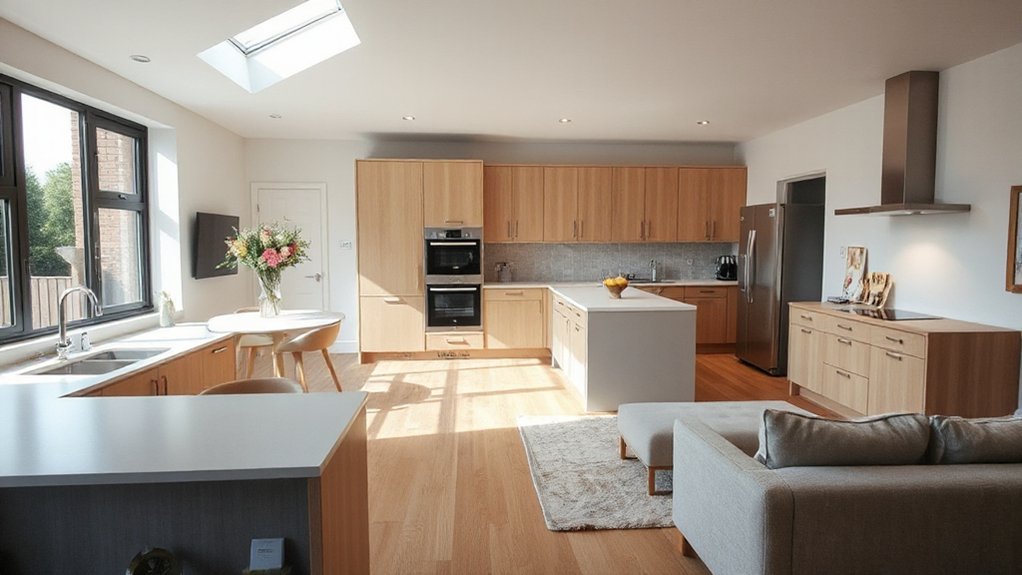
Durable, low-maintenance materials save time and money for landlords who want reliable performance with minimal effort. You’ll see fewer call-outs, faster turnovers, and steadier occupancy when you choose proven options that resist wear while still feeling premium.
The goal is materials that age well, cleanly, and consistently meet expectations. Data shows long-lasting durability reduces maintenance costs by a meaningful margin, so you can invest in quality without sacrificing value.
Pair these choices with design-conscious details to satisfy tenants seeking a sense of belonging through confidence and stability. Luxury finishes, aesthetic accents, and practical performance can coexist in affordable, scalable configurations that support a welcoming home.
- Engineered quartz countertops
- Solid-core doors and vinyl plank flooring
- Porcelain tiles in wet areas
- Low-maintenance metal finishes
Storage Solutions That Impress Tenants
Clever built-ins and flexible wardrobe solutions are proven ways to maximize space without sacrificing style, helping tenants feel organized from day one.
Data shows that integrated storage reduces clutter and boosts perceived apartment value, driving longer tenancies.
Implementing modular, adaptable units lets you tailor layouts to different room sizes, improving appeal across a broad tenant pool.
Clever Built-Ins Storage
Smart storage has become a deciding factor for tenants, and built-ins that maximize space without crowding the room deliver measurable value in both usability and rentability. You’ll notice how clever built-ins blend function and aesthetics, improving daily life while boosting lease appeal.
Focused designs reduce clutter, support organization, and extend perceived square footage.
- Built-in shelving optimizes wall real estate, keeps essentials accessible, and reduces freestanding furniture.
- Hidden compartments provide secure storage for valuables and seasonal items without visual clutter.
- Integrated seating with concealed storage enhances comfort while maintaining tidy surfaces.
- Modular components allow quick reconfiguration as needs evolve, supporting long-term tenancy.
Flexible Wardrobe Solutions
Modular wardrobes offer scalable configurations that occupants can tailor without disruption, improving long-term satisfaction and reducing move-out turnover. Prioritize modular components that optimize floor space, maximize hanging depth, and incorporate adjustable shelves for seasonal wardrobes.
Sliding doors enhance flow and light, reducing visual clutter and creating an open feel in smaller rooms. Data shows occupants favor environments with flexible storage that supports routine organization and quick reconfiguration for guests or home offices.
Implement these options with clear installation guides, durable hardware, and easy access to maintenance for lasting tenant belonging.
Neutral Palettes With Warm Textures
- Neutral palettes form a versatile base, pairing easily with soft fabrics and wood tones for warmth.
- Warm textures—laminate, wool blends, and brushed upholstery—enhance coziness while remaining low maintenance.
- Layered textiles create depth, reducing the need for heavy furniture while preserving light, open layouts.
- Consistent material choices across living and sleeping zones foster a cohesive sense of belonging and easy future styling.
Statement Lighting to Create Character
Statement lighting can set the tone and raise perceived value, so you should prioritize fixtures that add personality without clutter.
Use characterful lighting to highlight key features and create focal points that renters remember.
Start by pairing bold, well-made fixtures with measured wattage and foot-candle targets to balance mood and practicality.
Statement Lighting Effects
Statement lighting can transform a rental’s character by highlighting architectural features, guiding the eye to key areas, and setting a mood that appeals to tenants. You’ll leverage precise fixtures and dimming to craft ambient illumination that feels intentional, not gimmicky. Data shows well-lit spaces improve perceived value and rental interest, especially in common areas and entryways.
Use layered lighting to create depth, focus, and warmth without overpowering the room.
- Align fixtures with room lines to emphasize architecture and create welcoming entry views.
- Combine task and ambient lighting to sustain function and mood for daytime and evening use.
- Calibrate color temperature to a warm, inviting spectrum that boosts comfort.
- Maintain consistent lighting budgets and document changes for marketing consistency.
Characterful Lighting Fixtures
Vintage chandeliers can anchor dining areas with timeless appeal, while artistic fixtures highlight architectural details in living rooms and hallways. Prioritize fixtures with dimming options and compatible bulbs to preserve energy efficiency and mood versatility.
Data shows tenants value thoughtful lighting plans that reduce clutter and improve task lighting at key zones. Invest in quality bases, cables, and finishes that resist wear in high-traffic rooms.
Done strategically, artistic fixtures boost perceived quality and occupancy appeal without overpricing.
Textured Fabrics and Soft Furnishings for Comfort
Textured fabrics and soft furnishings aren’t just decorative; they boost perceived comfort and can influence tenant satisfaction. You’ll create inviting spaces by layering tactile elements that readers relate to as home.
Data shows residents value warmth and acoustics, both enhanced by textiles.
- Prioritize durable weaves and tactile textures (corduroy, boucle, brushed velvet) to improve perceived quality.
- Layer soft furnishings for acoustics and coziness—throws, cushions, and rugs with varying pile.
- Use neutral bases with warm accents to widen appeal without overwhelming the senses.
- Maintain cleanliness and fabric integrity with easy-care options that tenants can manage themselves.
Biophilic Touches: Plants and Nature-Inspired Details
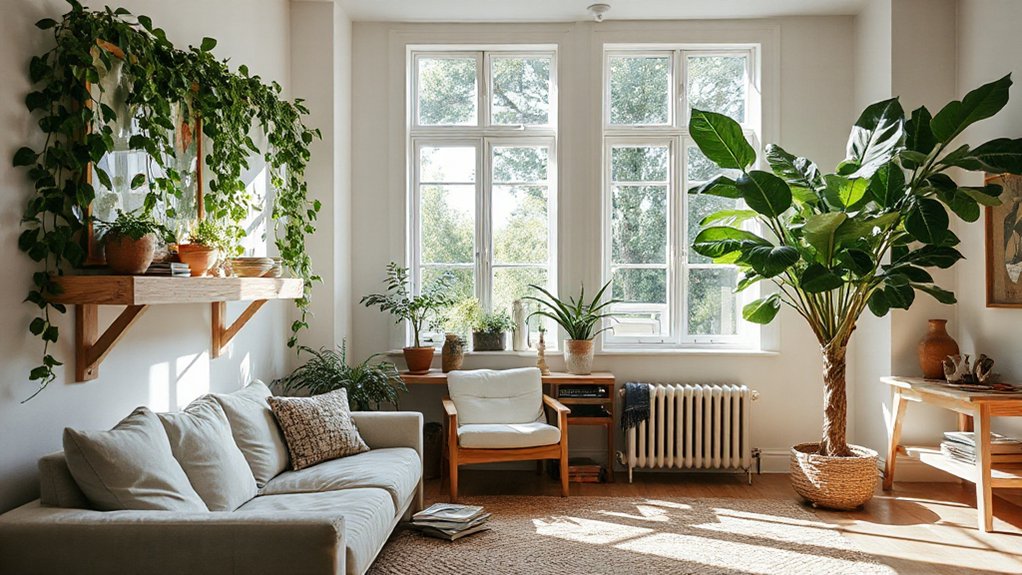
Biophilic touches can elevate the sense of space tenants expect, building on the comfort and acoustics you already established with textiles. You’ll see measurable benefits when you integrate plants and nature-inspired details into common areas and private rooms.
Indoor gardens, even modest, improve air quality and reduce perceived noise, supporting wellbeing data you can cite when marketing foundations and vacancies. Choose low-maintenance species, consider vertical planters, and schedule plant refreshes to maintain liveliness.
Nature-inspired decor should reinforce spatial rhythm—green focal points beside seating, natural textures in upholstery, and daylight-compatible hues. Communicate these choices as evidence of thoughtful design, not ornament.
When tenants feel connected to nature, turnover drops and retention rises, reinforcing a practical, belonging-driven leasing strategy.
Tech-Enhanced Living: Smart Thermostats and Connectivity
Smart thermostats reduce energy waste by learning occupancy patterns and optimizing heating schedules, which can cut utility costs for tenants and boost building efficiency.
Connected living enables remote monitoring and rapid maintenance alerts, improving tenant satisfaction and landlord oversight.
Data-driven insights from these systems help you quantify performance and tailor offerings to demand for tech-enabled homes.
Smart Thermostat Efficiency
Smart thermostats offer measurable energy savings and improved comfort for rental properties. You’ll see efficiency gains when you optimize setpoints, scheduling, and occupancy sensing, delivering consistent temperatures without overspending.
- Calibrated scheduling reduces idle-hours and cuts energy use while preserving comfort.
- Zoning and sensor data target hot and cold spots, preventing overheat or overcool.
- Real-time feedback highlights consumption patterns, guiding intelligent adjustments.
- Predictive alerts flag inefficiencies before they impact bills or tenant satisfaction.
In practice, you’ll quantify energy savings with monthly dashboards, compare performance across units, and justify rental pricing with lower utility costs.
This approach supports a cohesive tenant experience, reinforcing belonging through reliable climate comfort and responsible, data-driven management.
Smart thermostats translate insight into tangible value for both you and your tenants.
Connected Living Advantages
Connected living leverages continuous connectivity and centralized control to improve tenant experience and operating efficiency. You’ll notice faster issue resolution, since connected systems send real-time alerts and automate fault reporting.
Smart thermostats and integrated hubs simplify energy management, reducing waste and lowering bills for tenants and owners alike. Data from connected living setups informs maintenance scheduling, helping you anticipate needs before problems arise.
With smart home integration, you offer personalized comfort routines, enhancing satisfaction and retention. Central dashboards provide visibility into occupancy patterns, enabling responsive service without intrusive monitoring.
This approach supports scalable operations, improves energy compliance, and strengthens your property’s competitive edge. Embrace connectivity as a practical, proven asset that aligns tenant wellbeing with efficient property management.
Flexible Rooms: Home Office and Hobby Nooks
Flexible rooms are becoming a key differentiator for effective leasing, with many landlords converting spare spaces into home offices or hobby nooks to meet evolving renter needs. You’ll see measurable value as demand for adaptable layouts rises, supported by occupancy data and tenant surveys.
These spaces increase perceived utility without expanding square footage, boosting retention and rent-readiness through practical design choices.
- Create a dedicated, wired home office with task lighting and high-speed internet ports.
- Design a flexible hobby nook with modular storage and quiet, multi-use seating.
- Prioritize power outlets, USB-C hubs, and adaptable furniture for future tech.
- Provide symmetry between work zones and living areas to foster balance and belonging.
Sound Management for Quiet Tenant Experiences
Prioritizing a quiet tenant experience starts with sound-management strategies that target common noise sources and transmission paths.
Data shows that well-sealed doors, acoustic insulation in walls, and vibration-damping under appliances reduce disturbance for adjacent units.
Implement these practical measures now and monitor feedback to continuously refine your approach.
Quiet-Tenant Experience
To guarantee tenants experience minimal disruption, prioritize proven sound-management practices that reduce both noise transfer and audible incidents. You’ll create a quieter baseline by investing in structural improvements and thoughtful layouts, driving measurable reductions in complaint rates and faster tenancy renewals.
Data shows that targeted noise insulation lowers nighttime disturbances and enhances perceived safety, fostering belonging and long-term satisfaction.
- Implement silent spaces through layered barriers and strategic room zoning to minimize cross-talk.
- Upgrade noise insulation in walls, floors, and ceilings with industry-tested materials and verified, lab-backed results.
- Seal gaps around doors and penetrations to curb drafts and sound leaks without sacrificing accessibility.
- Use resilient, low-noise mechanicals and vibration-damping mounts to reduce equipment-driven disturbances.
Sound-Management Strategies
Begin with targeted soundproofing techniques in common areas and bedrooms, prioritizing the most disturbance-prone boundaries. Complement with acoustic treatment options inside units to dampen echoes and low-frequency creep.
Use standardized metrics to compare before-and-after noise levels and resident satisfaction scores, enabling continuous adjustment.
Communicate progress transparently to foster belonging and trust, showing tenants you’re accountable.
Pair physical measures with clear occupant guidance about quiet hours and rapid issue reporting, ensuring consistency and a shared commitment to a peaceful living environment.
Sustainable and Recyclable Materials in Practice
Sustainable and recyclable materials are no longer optional for UK landlords; they’re a concrete, measurable part of rental value and tenant satisfaction. You’ll see impact when you quantify lifecycle costs, carbon footprints, and maintenance pauses, then translate those findings into higher demand and steadier occupancy.
1) Prioritize Recyclable materials across finishes, from flooring to cabinets, to simplify disposal and appeal to eco-conscious renters.
2) Choose Sustainable flooring options with durability data and low VOC emissions to protect indoor air quality and reduce replacement cycles.
3) Vet suppliers for circular economy programs, resale channels, and material take-back to minimize waste.
4) Benchmark performance yearly, tracking tenant satisfaction, energy use, and incident costs to prove value and guide upgrades.
Pro-Grade Storage in Kitchens and Bathrooms
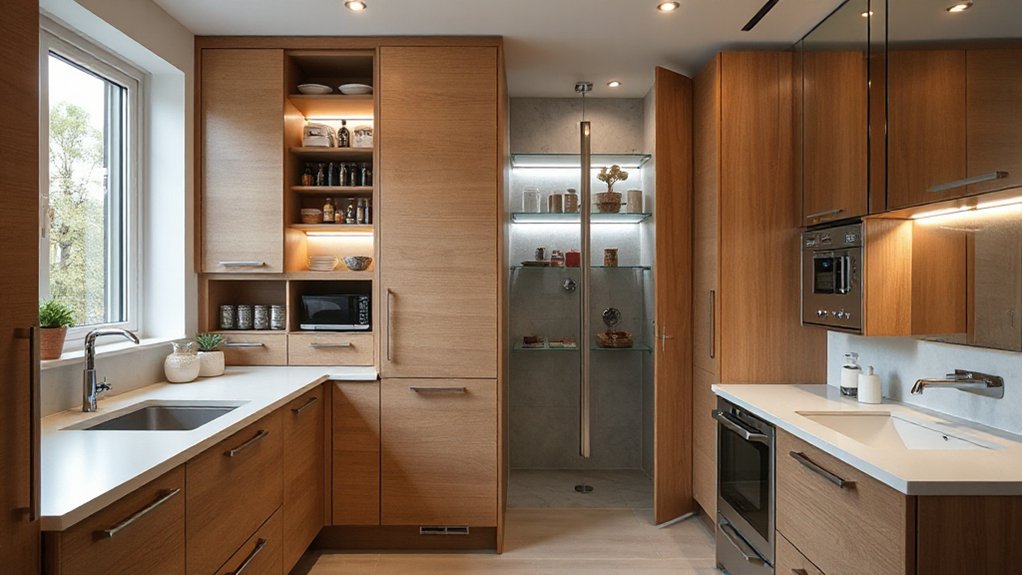
In kitchens, optimize workflow by aligning pantry depth with appliance footprints and adding labeled, accessible pull-out racks for spices and utensils.
In bathrooms, prioritize tall cabinets, medicine-wood niches, and vanity drawers with divider sets to reduce clutter. These choices support reliable maintenance, lower tenant friction, and fewer move-out disputes.
Emphasize luxury fixtures and high end finishes in hardware, rails, and edging to signal durability and care. The result is a practical, data-backed upgrade that strengthens sense of belonging and value.
Fast Cosmetic Upgrades That Sell
Ever wondered how quick cosmetic tweaks can shift a lease decision?
These fast upgrades rely on data-backed choices that boost perceived value without heavy investment. You’ll see impact from refined interior decor and thoughtful furniture styling that signals quality and care.
- Refresh the entry with a neutral palette and cohesive finishes.
- Swap dated lighting for energy-efficient fixtures, mimicking higher-end finishes.
- Mount simple art and mirrors to amplify space and brightness.
- Add soft furnishings in groupings that define rooms and feel welcoming.
Result: faster tenant interest, longer showings, and higher perceived value. This approach leverages color psychology, scale, and texture to create an inviting vibe, while staying practical and rental-friendly.
You stay ahead by aligning upgrades with current trends and tenant expectations.
Realistic Budgeting: How Much to Invest and Why
When budgeting smartly for property improvements, start with a clear cap on overall spend tied to expected rent uplift and vacancy risk. Realistic budgeting guides your decisions with precision, not guesswork.
You’ll map budget planning to measurable outcomes: projected rent premiums, reduced vacancy, and maintained building integrity. Prioritize upgrades that drive value—porcelain surfaces, energy efficiency, durable fixtures—while avoiding overcapitalization.
Use data to justify each expense, comparing cost versus estimated return, then iterate quarterly to reflect market shifts.
Diversify investments by separating essential, value-add, and aesthetic tweaks, aligning each with tenant demands and location.
This disciplined approach clarifies investment strategies, prevents waste, and builds confidence among lenders and tenants. Your method reinforces belonging, trust, and consistent occupancy through transparent, evidence-based budgeting.
Frequently Asked Questions
How Quickly Do Interior Trends Impact Rental Value?
Within weeks to months, interior trends can lift rental value as tenants notice design consistency and cohesive color schemes. You’ll see quicker demand when upgrades align with current aesthetics, boosting perceived quality and allowing higher rents.
While impact varies by market, data shows stronger rents where design is cohesive, well-lit, and modern. You should track tenant turnover and update seasons to sustain appeal, using durable finishes and a consistent design language that reinforces belonging.
What Lease Clauses Cover Updated Interiors?
You’ll want lease clause nuances that cover updated interiors, including standards for interior renovation and who bears costs. Generally, you’ll see clauses detailing timing, scope, and quality, plus responsibilities for ongoing maintenance.
Guarantee the agreement references interior renovation standards and any cap on rent increases tied to improvements. It’s practical to specify notice, permit approvals, and inspection rights.
This helps you feel a sense of belonging while using transparent, data-driven expectations for updates.
Which Trends Appeal to Both Students and Professionals?
Bold, balanced trends bridge buyers and renters: you’ll find furnishing styles that blend practicality with polish, while color schemes calm and energize.
For students and professionals, choose flexible, durable pieces and modular layouts that maximize space, storage, and light.
You’ll appeal through tidy, tech-ready vibes, reliable amenities, and data-backed comfort—creating belonging by demonstrating value, efficiency, and ease in every detail.
This approach persuades, supports, and sustains tenancy.
Are There Local Regulations on Smart Devices?
There are local laws and smart regulations you must follow when fitting and controlling devices in rental properties. You’ll want to verify municipal standards, data privacy rules, and energy labeling for any smart tech you install.
Keep your tenants informed about what data is collected and how it’s used. By staying current with local laws, you’ll enhance trust, safety, and comfort while building a compliant, market-ready space that tenants feel they belong in.
How to Measure ROI on Cosmetic Upgrades?
To measure ROI on cosmetic upgrades, start with a Design budget and track incremental rent, occupancy, and turnover savings.
Compute ROI calculation as (annual net income gain from upgrades minus upgrade costs) divided by total upgrade costs, expressed as a percentage.
Include soft benefits like tenant satisfaction and reduced vacancy.
Ground your analysis in data, adjust for local demand, and verify with period-over-period comparisons to guarantee you feel confident and connected.
Conclusion
In the end, you’re following a script that’s been proven: smart interiors attract tenants, sustain demand, and protect value. Think of it as a modern fairytale—less glamour, more guaranteed returns—where space, light, and durable materials do the heavy lifting. Your budget, mapped to proven upgrades, becomes a compass rather than a guess. With efficient layouts, pro-grade storage, and eco-minded choices, you’ll outpace the market and quietly prove that good design is good business.