
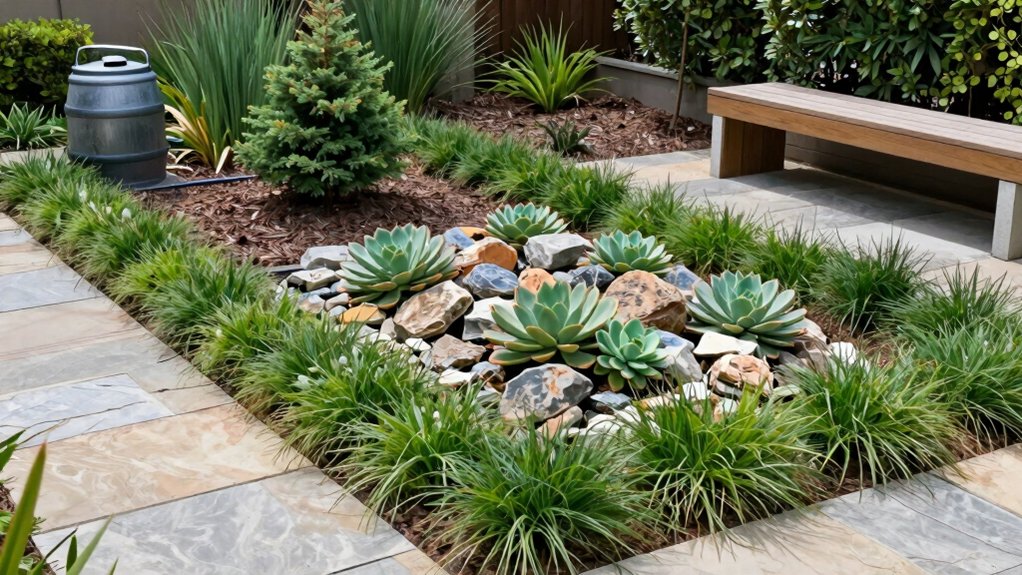
You want a yard that’s inviting with minimal effort. Start with durable hardscapes and year‑round focal points, then layer lighting to extend usability after dark. Choose drought‑tolerant, native plants grouped by water needs, with 2–3 inch mulch and strategic groundcovers to cut weeding. Install soil‑smart irrigation and smart controllers, plus compost to boost health. Plan seasonal tweaks and budget for mulch, art, and tweaks. If you keep going, you’ll uncover how to maximize curb appeal with less work.
Define Low-Maintenance Goals for Busy Homeowners
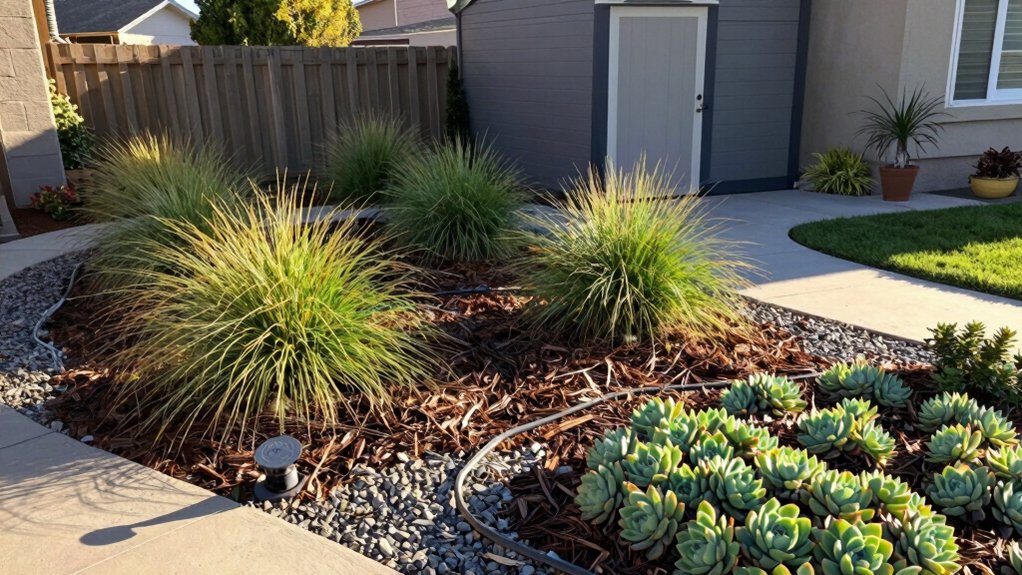
To define low-maintenance goals, start by identifying what you’ll actually do and how often you’ll do it. You’ll map simple routines that fit real life, not theoretical ideals.
Define clear outcomes: less yard work, steadier curb appeal, and a welcoming sense of belonging.
Choose plantings and features that reward consistency—perennial garden art accents, native shrubs, and a wildlife habitat that thrives with minimal input.
Favor drought-tolerant species, mulch, and smart pruning to reduce chores.
Schedule routine checks, not marathon sessions; quick, 15-minute windows keep momentum without burnout.
Communicate expectations with household members, so everyone feels included.
Your approach should reflect practicality and connection, turning maintenance into a shared practice.
This mindset seeds confidence, ease, and a yard you’re proud to call home.
Lay the Groundwork: Soil Health and Efficient Irrigation
You’ll start by checking soil health, testing for pH, and amending with compost to boost structure and nutrients.
Then adopt efficient irrigation like drip lines and smart controllers to minimize waste while keeping plants hydrated.
Together, these steps establish a strong foundation that supports healthier lawns and gardens with less ongoing work.
Soil Health Basics
Soil health is the quiet foundation of a thriving landscape: healthy soil holds water, feeds roots, and reduces irrigation needs, so you’ll spend less time fighting drought and more time enjoying your yard.
Deep, well-structured soil supports sturdy roots and consistent growth. Start with soil composition basics: test your soil to know its texture, pH, and nutrient levels, then adjust with targeted amendments.
You’ll boost plant resilience by feeding the soil, not just the plants. Microbial activity matters: diverse microbes break down organic matter, release nutrients, and improve structure.
Add compost or mulch to feed these communities and improve water retention. Maintain a simple routine—monitor moisture, avoid compaction, and mulch to conserve moisture.
With these steps, you gain confidence, belonging, and a healthier, low-maintenance landscape.
Efficient Irrigation Strategies
Efficient irrigation starts with soil-smart planning. You’ll maximize every drop by matching watering to your plants’ real needs, not a calendar. Start with a soil test and adjust your schedule to soil type and mulch depth, reducing evaporation and runoff.
Use drip irrigation or soaker hoses for precision, delivering water at the root zone where it matters most. Install a simple timer and weather-based controller to skip irrigation after rain, and group plants with similar water needs to prevent overwatering.
Mulch generously to conserve moisture and suppress weeds, while improving soil structure. Consider garden art and outdoor lighting as cues for practical irrigation zones, guiding routine checks without turning watering into guesswork.
The result: healthier lawns, happier plants, calmer evenings.
Pick Drought-Tolerant Plants That Thrive With Little Care
Drought-tolerant plants save water and effort, so choose varieties that thrive with minimal irrigation and maintenance. You’ll want long-lasting color and structure with little fuss, so focus on drought resistant flora that complement your site’s sun and soil.
Favor native and well-adapted species that recover quickly after dry spells, reducing replacement needs. Group plants by similar water needs to simplify care and prevent overwatering penalties.
Consider a simple xeriscape design that blends textures, foliage, and seasonal interest without crowded beds. Mulch sparingly to conserve moisture, and select containers with excellent drainage.
Establish roots with deep, infrequent watering during initial weeks, then rely on periodic deep soakings. This approach fosters resilience, belonging, and a low-maintenance garden you’ll be proud to share.
Mulch, Groundcovers, and Spacing for Low Maintenance
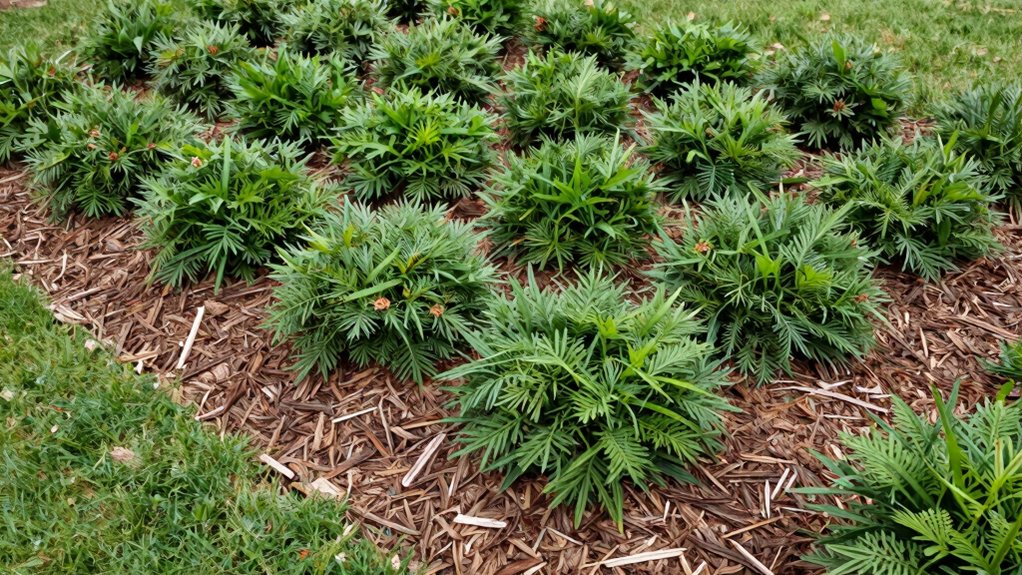
Mulching and smart groundcovers tame weed growth, conserve moisture, and keep beds tidy with minimal effort. You’ll maximize impact with thoughtful spacing and durable choices, ensuring a cohesive, welcoming landscape.
1) mulch installation: apply a 2–3 inch layer around plantings, keeping mulch away from stems to prevent rot and ease maintenance.
2) groundcover selection: pick low-growing, drought-tolerant varieties that fill gaps and suppress weeds, promoting a unified look.
3) spacing strategy: plant with realistic gaps for growth, avoiding crowding while reducing future trimming.
4) maintenance mindset: choreograph seasonal care—replenish mulch, spot-weeding, and monitor for pests—to sustain a tidy, inviting yard.
Easy, Year-Round Hardscapes That Invite You Outside
You’ll want paving that lasts year-round, so choose durable materials and smart slopes that handle rain, snow, and heat with minimal upkeep.
Create seamless progressions from indoors to outdoors with consistent heights, materials, and edge details that invite you outside without stair steps or trip hazards.
Favor low-maintenance hardscape elements like gravel, pavers, or concrete that resist weeds and wear while staying stylish and practical.
Durable Year-Round Paving
Wondering how to keep outdoor spaces usable year round? Durable year-round paving lets you. You’ll gain a solid, inviting surface that withstands weather and foot traffic, creating a dependable foundation for every season.
Focus on materials and maintenance that enhance paving durability and year round paving viability.
- Choose permeable, low-maintenance pavers to reduce runoff and freeze-thaw damage.
- Install proper drainage and a slight slope to guard against puddling.
- Use edge restraints and stable bases to prevent shifting.
- Seal surfaces periodically to minimize stains and wear.
Keep paths clear, plan for seasonal cleaning, and schedule minor repairs before issues escalate. With purposeful choices, your hardscape stays welcoming, safe, and usable all year.
Seamless Outdoor Transitions
Seamless outdoor passages create inviting, year-round spaces by connecting indoor rooms to every outdoor zone with level, cohesive surfaces. You design progressions that feel like one landscape, not separate rooms. Choose continuous materials, subtle grading, and hidden thresholds to minimize trips and define zones without barriers.
Prioritize practical paths, seating alcoves, and protected corners for year-long comfort. Integrate garden art as focal accents that guide movement and foster belonging—each piece complements the breeze, scent, and light.
Create wildlife habitats along edges and perimeters with native plantings, shallow water features, and sheltered nooks that invite quiet observation. Keep maintenance simple: durable finishes, modular pavers, and strategic irrigation that support consistency.
Your outdoor flow becomes intuitive, welcoming, and timeless for every season.
Low-Maintenance Hardscape Elements
Low-maintenance hardscape elements keep outdoor spaces usable year-round with minimal upkeep. You’ll design practical surfaces and focal points that invite you outside, even on busy days. Use durable materials and simple layouts that stay tidy with little effort, so you feel connected to your yard without extra chores.
Prioritize features that require minimal seasonal care and add visual cohesion through controlled color and texture. Embrace garden art and outdoor lighting to create a welcoming, belonging-ready atmosphere.
- Choose permeable pavers for clean drainage and easy weeding.
- Install a compact, low-maintenance patio with defined edges.
- Add durable garden art as year-round focal points.
- Layer outdoor lighting to extend usability and mood after dark.
Simple Watering and Mowing Routines to Save Time
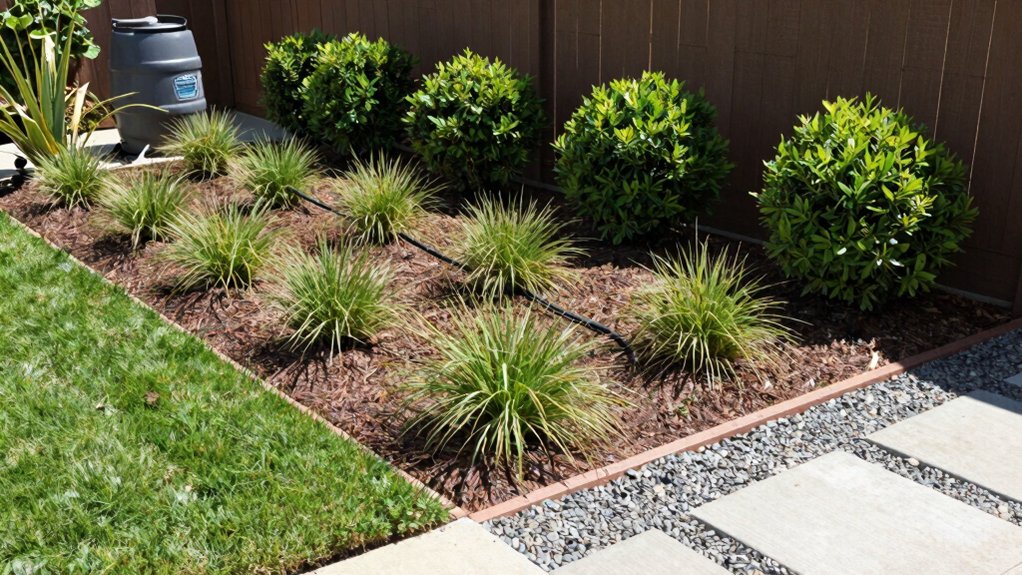
To save time on watering and mowing, set up a simple, repeatable routine you can follow every week. You’ll cut waste and feel part of a shared approach that respects your schedule.
Start with a smart watering plan using drip irrigation and rain sensors to limit runoff and evaporation. Check weather forecasts, then run irrigation only when soil needs moisture, not on a calendar.
Mowing stays efficient when you set a consistent height and use sharp blades, trimming a defined area your yard can handle in a single session.
Group tasks by day, and automate when possible. Keep tools organized, replace dull blades, and prune lightly to reduce future work.
This routine creates dependable results you can rely on.
Plan Budget, Scale, and Seasonal Tweaks for Longevity
Balancing budget, scale, and seasonal tweaks keeps a durable landscape from turning into a surprise expense. You’ll design for longevity by sizing elements to your space, selecting low-maintenance plantings, and scheduling tweaks that align with seasons. This approach creates a cohesive feel you’ll love returning to, month after month, and it invites a sense of belonging in your outdoor home.
- Prioritize low-maintenance choices that fit your climate and microclimates.
- Schedule annual checks and small repairs before costs spike, plus rotate garden art to refresh without major investment.
- Use decorative lighting strategically to highlight focal points while reducing energy use.
- Plan budget buffers for seasonal updates like mulch, drought-tolerant layers, and flexible plantings.
With intention, your garden art and lighting become lasting, welcoming anchors.
Frequently Asked Questions
How Long Does It Take to See Results From Low-Maintenance Landscaping?
Results appear within weeks to months, depending on plant choice and care. You’ll see quicker gains with proper watering schedules and solid soil preparation, then reap steady growth as roots establish and mulch reduces evaporation. You belong in reliable routines.
Which Plants Require Zero Maintenance Once Established?
You’ll rely on xeriscape plants and native species that require zero maintenance once established, because these thrive with your climate, saving water and effort. Embrace their resilience, color, and local roots to feel belonging and confidence every season.
Can Low-Maintenance Yards Handle Heavy Seasonal Rainfall?
Stormwater management matters; your low-maintenance yard can handle heavy rainfall with proper design. You’ll reduce soil erosion by choosing permeable layouts and mulch, so you stay dry, protected, and confidently belonging to a resilient, practical community.
What Are the Hidden Costs of Drought-Tolerant Landscaping?
Drought-tolerant landscapes may save water, but you’ll face irrigation costs and necessary soil amendments. Plan for upgraded irrigation, smarter controllers, and soil improvements to maintain health; this helps you belong, save, and confidently manage long-term yard costs.
How Do I Prepare for Future Yard Expansions or Downsizing?
Like plotting a flexible map, you handle yard expansion planning and downsizing strategies by prioritizing needs, measuring space, and budgeting wisely; you’ll adapt quickly, coordinate with neighbors, and keep belonging in mind as you evolve your landscape.