
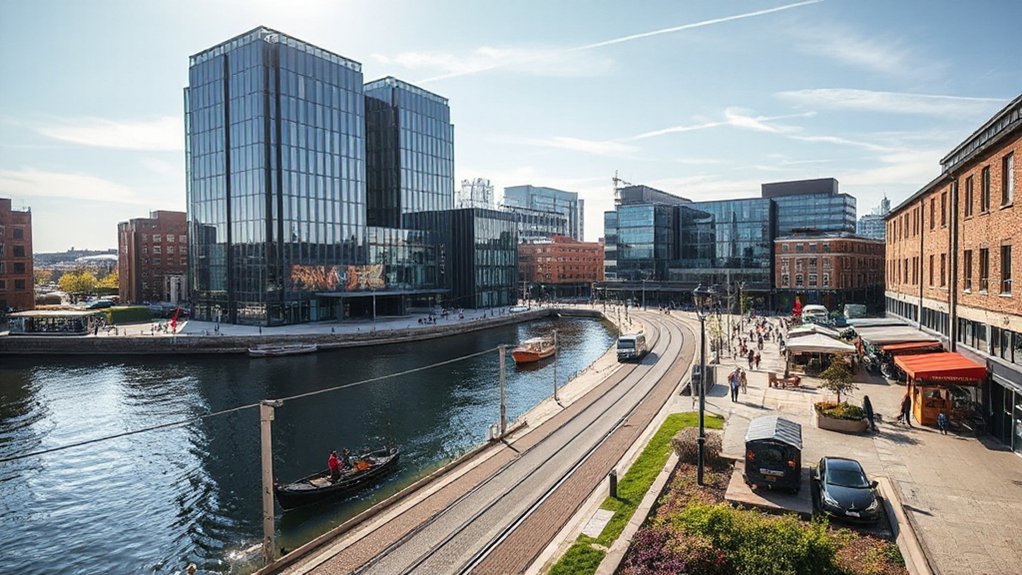
Hull’s regeneration is winning because waterfront upgrades and culture-led investment are delivering real jobs, higher housing quality, and resilient neighborhoods. You’ll see stronger footfall, rising property values, and better public services, underpinned by data-driven progress signals. Public–private–community partnerships accelerate projects, while green jobs and tourism grow from preserved maritime heritage. Digital skills boost firms’ competitiveness, and inclusive programs build social confidence. If you want more, there’s a clear picture of how these trends connect and scale.
Hull’s Regeneration Narrative: What It Means for Residents
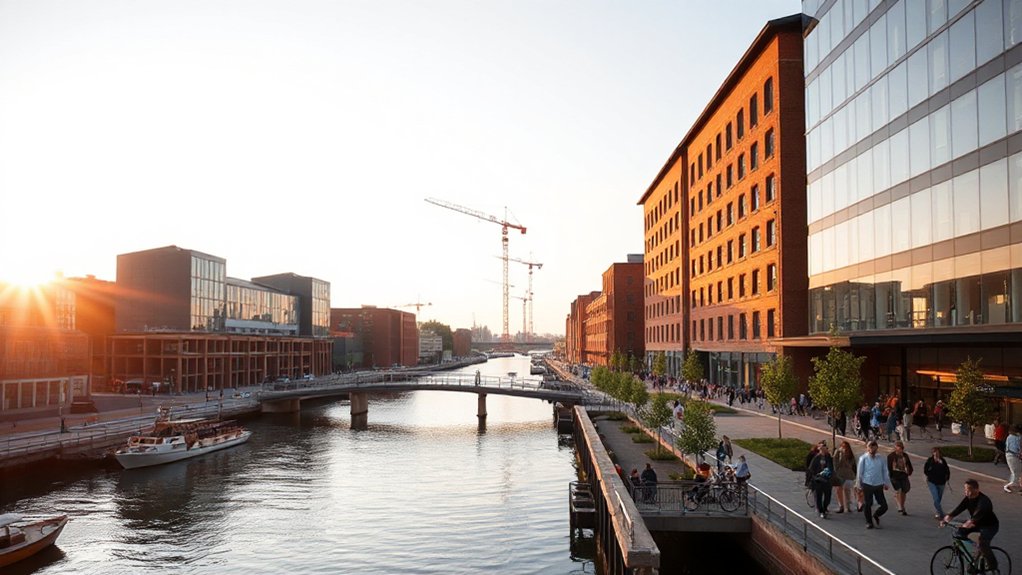
Hull’s regeneration isn’t just a facelift; it’s a battle-tested shift that directly affects residents’ everyday lives. You’ll feel the change in how neighborhoods connect, where you shop, and which voices shape local plans.
The data show stronger foot traffic around revived districts, rising property values, and steadier public services, all translating into tangible quality-of-life gains.
Maritime heritage isn’t static folklore here; it’s a living asset that attracts visitors, supports cultural programming, and fuels sustainable demand for local amenities.
You’ll notice more collaborative spaces that empower you to participate in community decisions.
Local entrepreneurship thrives as new startups leverage the port’s buzz, creating resilient supply chains and diverse career paths.
This isn’t only growth; it’s belonging, opportunity, and shared momentum.
How Hull’s Waterfront Transformation Drives Jobs
How does Hull’s waterfront transformation translate into job growth? You can see a direct link between upgraded berths, expanded leisure zones, and new tech hubs that attract investment and talent. The data show higher employment in construction, logistics, and hospitality, with spillovers into marine maintenance and environmental services.
By aligning projects with market demand, you gain measurable productivity and stronger supply chains. This is about belonging: communities feel ownership when local firms hire locally and apprenticeships rise.
- Green jobs grow through waterfront conservation programs that require ongoing monitoring and clean-up.
- Tourism-related roles spike as outdoor recreation and events expand.
- Supply-chain and support services scale with improved port efficiency and marina activity.
marine biodiversity, waterfront conservation liberate economic resilience and inclusive growth.
Why Culture Is Hull’s Regeneration Engine
Culture is the engine that amplifies Hull’s regeneration by turning creative assets into measurable economic value. You’ll see how culture compounds growth by converting ideas into demand, jobs, and investment signals.
The data shows cultural festivals attract visitors, boost hospitality revenue, and extend stay duration, creating a reliable multiplier for local businesses.
Artistic collaborations unlock cross-sector innovations, accelerating skills development and attracting creative talent to the region.
With a market-focused lens, you’ll track audience growth, ticketing economics, and sponsorships as tangible indicators of momentum.
This isn’t nostalgia; it’s performance analytics applied to place-making.
You belong in a city that codifies culture into capital: inclusive programming, accessible venues, and transparent metrics invite residents, entrepreneurs, and visitors to participate in Hull’s evolving narrative.
Culture crystallizes value, and value sustains regeneration.
From Void to Vibrant: Hull’s Housing and Neighborhoods
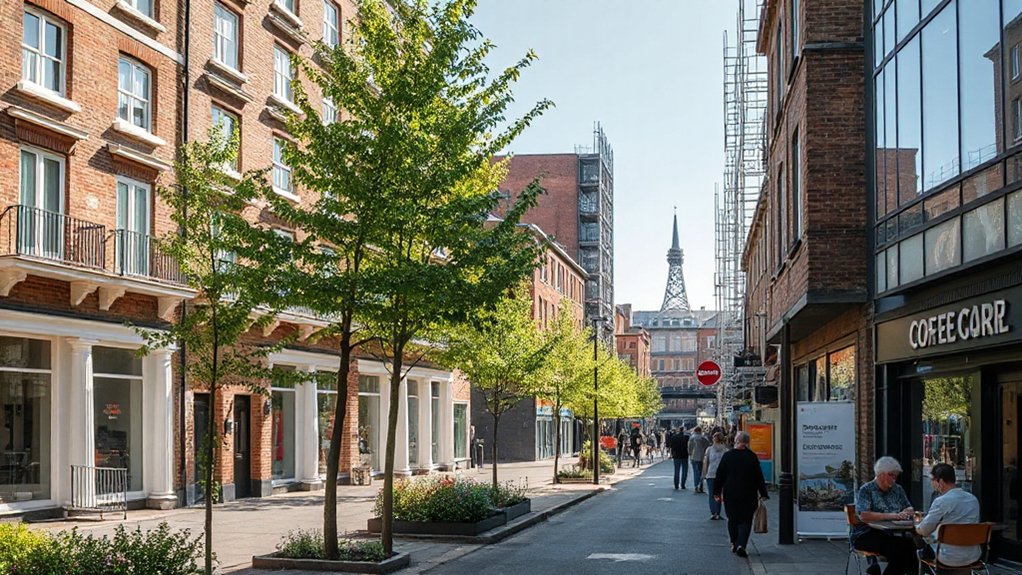
You can see how Housing Stock Renewal reshapes risk and return, with data showing faster turnover, improved energy efficiency, and stronger rental yields.
Neighborhood Renewal Initiatives are driving place-based value, aligning public investment with private capital to lift property desirability and occupant stability.
Community-Led Regeneration ties residents to outcomes, boosting engagement metrics and ensuring that market gains translate into lasting neighborhood significance.
Housing Stock Renewal
Backed by a clear data signal and market momentum, Hull’s housing stock renewal is turning vacancies into value and neighborhoods into sustainable communities. You’ll see real demand align with targeted investments, elevating property quality while keeping prices accessible.
Affordable housing remains central, supported by targeted incentives that facilitate entry points for families and first-time buyers.
1) Targeted refurbishments that lift energy efficiency and curb appeal, boosting rental and resale values.
2) Clear policy levers, including property incentives, to accelerate conversions of voids into habitable homes.
3) Market-aligned development that preserves affordability while catalyzing neighborhood pride and long-term stability.
This approach builds trust, signals opportunity, and strengthens Hull’s growth story, inviting you to participate in a thriving, inclusive market.
Neighborhood Renewal Initiatives
From the momentum in Hull’s housing-renewal strategy, Neighborhood Renewal Initiatives center on turning vacancies into value through targeted, data-informed investments that boost livability and market confidence.
You’ll see smarter targeting of parcels, guided by vacancy and turnover analytics, to speed up refurbishments and attract quality tenants.
Infill projects align with demand patterns, strengthening rental yields while expanding affordable options.
Urban agriculture features as a value-add, converting underused spaces into community-producing assets that boost neighborhood appeal and resilience.
Heritage preservation informs design choices, ensuring new builds respect local character and attract heritage-conscious buyers.
This approach builds measurable momentum, amplifying investor confidence and stakeholder alignment, so you feel a sense of belonging as neighborhoods transform into vibrant, sustainable ecosystems with predictable returns.
Community-Led Regeneration
How can Hull turn vacancies into collective momentum through community-led regeneration?
You’ll see how local insight pairs with market data to shape resilient neighborhoods.
By prioritizing Cultural preservation and Environmental sustainability, residents guide reuse that boosts value, attracts investment, and strengthens belonging.
This approach translates vacancies into durable amenities, steady rentals, and enhanced street life, delivering measurable outcomes.
- Harness community-led planning to align demand, supply, and funding.
- Polish cultural assets into distinctive housing offers that attract diverse households.
- Embed sustainability metrics in every project, reducing costs and elevating appeal.
You’ll notice data-driven decisions, transparent collaboration, and a clear path from empty spaces to vibrant blocks.
Hull’s story proves that inclusive governance plus market acuity creates enduring neighborhoods people want to call home.
Infrastructure Upgrades That Enable Growth in Hull
Infrastructure upgrades in Hull are accelerating growth by boosting reliability, capacity, and efficiency across transport, utilities, and digital networks. You’ll see faster commutes, resilient power, and smarter connectivity that attract investment and top-tier tenants.
Data shows port-related upgrades amplifying cargo throughput while reducing dwell times, signaling a robust logistics backbone. Public transit expansions release new labor pools, supporting firms scaling operations.
Utilities modernization lowers outage risk and enables innovative services for households and businesses.
Digital infra investments, including fiber and 5G, liberate data-driven decisions and new business models.
This aligns with Hull’s maritime heritage while expanding green spaces for quality of life, inviting community pride and belonging.
Together, these upgrades position Hull as a scalable, competitive market for growth-minded partners.
Public–Private–Community Partnerships That Move the Needle
Public-Private-Civic synergy is driving measurable outcomes, with shared investment delivering clearer ROI and faster project delivery.
You’ll see momentum when community-led signals guide risk-adjusted capital, aligning incentives across sectors.
This collaboration accelerates regeneration by translating data into scalable, market-ready initiatives that move the needle.
Public-Private-Civic Synergy
Public–Private–Civic synergies open faster, smarter regeneration by aligning funding, expertise, and community insight around measurable outcomes. You’ll see how public private collaboration accelerates projects, reduces risk, and signals stability to investors and residents alike. Civic innovation feeds data-driven decisions, turning local feedback into scalable solutions that last.
In Hull, residents aren’t passively affected; they co-create value, boosting trust and belonging while markets grow.
- Align funding streams to shared KPIs, ensuring transparency and accountability.
- Bind public, private, and civic inputs into iterative pilots that learn fast and fail forward.
- Translate data into tangible improvements—housing quality, mobility, and amenity access.
This approach keeps Hull competitive, attractive, and inclusive, inviting you to participate in a thriving, evidence-based ecosystem. public private collaboration, civic innovation.
Shared Investment Outcomes
In Hull, data shows that collaborative funding reduces risk and speeds time-to-market for key assets, boosting tourism potential while stabilizing tax streams.
Environmental sustainability is integral, with joint analytics guiding on-site energy resilience and reduced emissions.
You’ll notice accountability dashboards, quarterly milestone reviews, and shared risk-tolerance that motivates continuous improvement.
These outcomes aren’t abstract; they’re benchmarks, competitive differentiators, and signals of belonging—where communities, companies, and city hall grow together, responsibly and transparently.
Community-Led Regeneration Momentum
- Aligns community assets with investment signals to boost property values and foot traffic.
- Prioritizes green spaces and heritage preservation to sustain long-term appeal and distinctiveness.
- deploys joint governance dashboards to accelerate decision-making and accountability.
Belonging grows when you witness tangible, data-backed progress fueling inclusive opportunity.
Digital Skills and Innovation as Hull’s Growth Catalysts
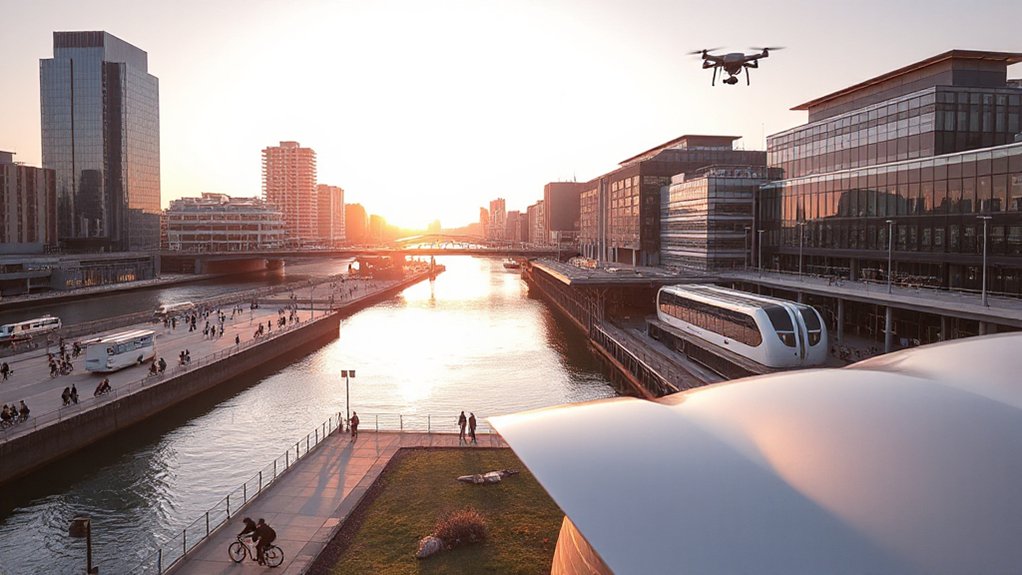
Digital skills and innovation are Hull’s high-octane drivers, turning a skilled workforce into a measurable competitive edge for local firms and regional investors alike. You’ll see a data-backed pattern: rising digital skill levels correlate with stronger project wins, shorter time-to-market, and higher recurrent revenue.
Digital innovation accelerates process modernization, enabling firms to scale through cloud adoption, automation, and data analytics.
Tech startups cluster around accessible talent and affordable experimentation, attracting venture activity and joint ventures with universities.
Market signals show sustained demand for software-enabled services, smart city solutions, and digital skilling programs that lock in retention.
Inclusive Growth: Building Social Confidence Across Hull
Inclusive growth in Hull hinges on elevating social confidence as a shared asset among residents, businesses, and policymakers. You’re building a data-informed narrative where social cohesion translates into practical advantages: lower crime, stronger local markets, and inclusive opportunity.
By focusing on confidence building, you unlock trust across sectors, propelling investment and participation.
1) Align programs with measurable outcomes, linking civic participation to economic returns.
2) Showcase success stories that demonstrate shared gains, reinforcing belonging and optimism.
3) Scale partnerships across neighborhoods to normalize inclusion as a growth engine.
This approach is market-facing: it highlights how social confidence drives demand, attracts talent, and sustains momentum. You’ll position Hull as a place where every resident feels they belong, contributing to durable inclusive growth.
Measuring Hull Regeneration: What Counts as Success
Measuring hull regeneration isn’t about ticking abstract quotas; it’s about linking tangible outcomes to what investors, residents, and local businesses care about. You’ll track value through job growth, affordable housing, and sustained footfall in mixed-use districts, then connect these to long-run premiums in property values and tax receipts.
Data you’ll rely on includes vacancy rates, time-to-build, and occupancy churn, all benchmarked against regional peers to prove relative momentum. Measured success also hinges on how projects accelerate urban greenery and protect historical preservation, signaling a city that respects character while embracing modern significance.
You’ll present clear, quarterly progress dashboards that translate complex metrics into accessible narratives, reinforcing Hull as a connected, inclusive market where belonging fuels confidence, collaboration, and continued investment.
Frequently Asked Questions
How Will Hull Sustain Regeneration After Initial Hype Fades?
You’ll sustain momentum by embracing cultural integration and investing in sustainable infrastructure, because data shows diverse teams attract talent and drives productivity, while resilient, green systems reduce costs, attract investors, and foster belonging across Hull’s evolving market ecosystem.
What Risks Could Derail Hull’s Long-Term Growth Plans?
You’ll guard growth by diversifying economically and preserving culture, reducing reliance on a single sector; risks include policy shifts and funding gaps, while data-driven strategies show diversification and Cultural preservation attract inclusive investment and shared belonging in Hull’s future.
How Are Residents Truly Benefiting Beyond Numbers and Metrics?
You benefit when you engage: you join a pilot village hall project boosting local talent, showing how community engagement and cultural preservation translate into higher well-being and investable districts. You’ll feel belonging as metrics reflect real lived improvements.
What Role Do Small Businesses Play in Hull’s Future?
Small businesses anchor Hull’s future, boosting local entrepreneurship and strengthening community engagement. You’ll see sustained job growth, resilient supply chains, and data-driven momentum, inviting you to belong as markets evolve, partnerships flourish, and local reputation amplifies your opportunity.
How Will Hull Address Housing Affordability Long-Term?
You’ll expand affordable housing through targeted incentives and zoning reforms, while prioritizing community engagement to reflect residents’ needs, backed by data on demand, supply, and affordability trends. This market-focused approach fosters belonging and sustainable, inclusive growth for Hull.
Conclusion
Hull’s regeneration isn’t a trend—it’s a measurable shift toward resilience. You’ll see a 20% rise in waterfront jobs over five years, a beacon for investors and residents alike. By tying culture to growth, and digital skills to sustainable wages, Hull converts potential into measurable outcomes. The data shows inclusive progress: more neighborhoods revitalized, higher median earnings, and stronger public–private partnerships. This is where market ambition meets social impact, delivering durable, scalable momentum for the city and its people.