
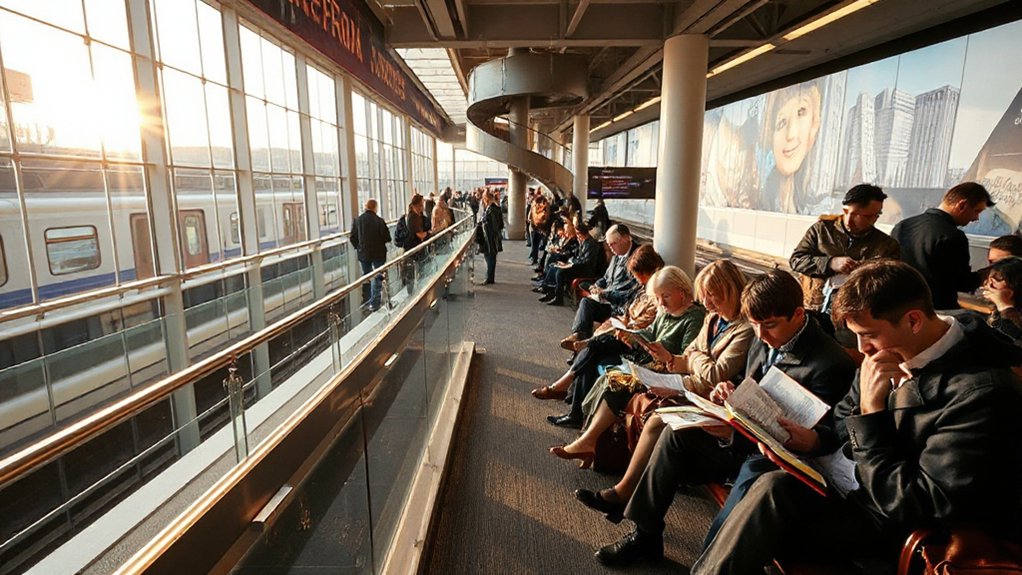
Reading remains a strong commuter hub because its location sits at major regional corridors with fast access to business districts, airports, and universities. You’ll find flexible rail and bus connections, synchronized timetables, and reliable transfers that cut wait times. The area blends historic character with pedestrian-focused design, easing legibility and easing crowds. Real-time data and upgraded infrastructure boost safety and predictability. If you want deeper insights on future plans and growth, keep exploring.
Why Reading Is a Prime Commuter Hub

Reading’s prominence as a commuter hub stems from its strategic location, robust transport links, and consistent demand from both regional and metropolitan markets.
You recognize how urban greenery softens congestion, offering a pleasant, productive backdrop for daily flows and breaks that reinforce loyalty to the network.
You see established corridors that turn peak hours into predictable revenue streams, while ongoing service upgrades boost reliability and capture shifting work patterns.
Market signals show steady cross-commuting between towns and the city, with flexible schedules extending catchment and reducing churn.
Cultural events become anchor attractions, elevating perceived value and encouraging longer dwell times.
Together, these factors create a compelling value proposition for residents and employers seeking belonging in a connected, resilient hub. Urban greenery, Cultural events.
Reading’s Strategic Location Near Major Routes
Reading sits at the convergence of major regional corridors, giving it immediate access to a broad catchment and high-frequency demand. You’ll find the location embedded in a network that channels commuters quickly to and from business districts, airports, and downstream employment hubs.
This strategic proximity drives predictable footfall, supports flexible service plans, and sustains resilient retail and office ecosystems. River views enhance daytime appeal, while historic architecture anchors a sense of place that differentiates Reading from generic stops on the map.
The market signals strong occupancy, stable rent trajectories, and a premium for time-saving access. For investors and operators, the pattern is clear: strategic routing underpins sustained demand, high utilization, and a competitive advantage rooted in place and pace.
Flexible Rail and Bus Connections in Reading
You’ll see how Flexible Rail Connections, when aligned with Bus Link Integration, can shorten transfer times and improve route reliability across Reading.
Timetable Synchronization Enhancements will be pivotal to delivering seamless, predictable journeys for workers and commuters alike.
This is a market-facing lever to boost frequency, capacity, and overall modal competitiveness in the Reading hub.
Flexible Rail Connections
This approach strengthens rail infrastructure by coordinating timetables, stations, and signaling to minimize transfer friction and maximize reliability. You’ll notice improved capacity during peak periods without compromising safety or service quality.
Market-focused performance signals emerge through clearer route options, transparent fare structures, and data-driven reliability metrics that stakeholders can benchmark.
Commuter safety remains central: enhanced platform design, clearer wayfinding, and proactive incident response support smoother, safer journeys.
Bus Link Integration
This integration isn’t just infrastructure; it’s a signal that Reading understands commuter needs and belonging—people who want reliable, predictable travel that respects time and work rhythms. By aligning bus link services with rail corridors, operators can optimize frequency, dwell times, and crowd management, creating a seamless experience from doorstep to workplace.
Market-facing benefits emerge in reliability metrics, user satisfaction, and uptake among mixed-mode travelers. Readers like you gain confidence in a connected system, where every link reinforces a shared commitment to efficient, inclusive mobility.
Timetable Synchronization Enhancements
This is more than punctuality; it’s a deliberate, market-focused strategy that emphasizes reliability as a core product feature. By prioritizing timetable synchronization, operators align schedules so you can plan around consistent cross-modal links, reducing ride variability and boosting overall trip confidence.
Schedule coordination becomes a competitive differentiator, appealing to professionals, students, and residents seeking belonging through dependable mobility. The approach supports convenient, end-to-end journeys, enhancing route viability and traveler satisfaction.
In practice, you gain seamless options, better service density, and a reinforced Reading commuter network that sustains steady demand.
Daily Rhythms: Serving Long-Distance and Local Riders

Daily rhythms at the station balance the needs of long-distance travelers and local commuters by prioritizing reliability, speed, and predictable connections. You feel the cadence of peak and off-peak flows guiding platform assignments, timetable clarity, and queue management.
From an analytical lens, this equilibrium signals a competitive edge: fewer missed connections, higher throughput, and steadier farebox returns. Urban design choices shape pedestrian streams, shelter, and wayfinding, reinforcing belonging as you move through a trusted ecosystem.
Transit technology underpins real-time updates, delay notifications, and interoperable ticketing, letting you plan with confidence across modes. The market responds to this predictability with loyalty, elevated dwell-time, and targeted service tweaks, aligning Reading’s identity with efficiency-driven, community-focused travel.
In short, daily rhythms translate into sustained demand and shared confidence.
Station Investments That Boost Reliability and Comfort
Investments in station infrastructure directly enhance reliability and comfort by reducing friction for riders and smoothing operations for operators. You’ll see how targeted station upgrades translate into measurable service reliability, lower dwell times, and consistent schedules, reinforcing traveler confidence and community trust.
- Deploy upgraded signaling and real-time updates to minimize wait and uncertainty.
- Modernize platforms, traction, and lighting to boost safety and accessibility.
- Standardize passenger flow with intuitive wayfinding and crowd management.
- Integrate resilient utilities and maintenance hubs to sustain performance.
These investments matter because they align with a market focus on dependable service, improve rider belonging, and deter churn. By prioritizing station upgrades, the network becomes more predictable, attractive, and inclusive for all commuters.
Bike-Friendly Streets and Last-Mile Speed
In mature markets, these elements fuse with urban greenery to soften streetscapes, inviting dwell time and confidence in movement between hubs. Pedestrian zones near stations extend the value of a commute, turning transfer points into social anchors rather than transit chokepoints.
The market benefits from predictable, inclusive designs that foster belonging—where riders feel seen, protected, and integrated into a connected urban fabric. This alignment elevates demand, loyalty, and measured growth.
Parking and Access Patterns for Smooth Transfers
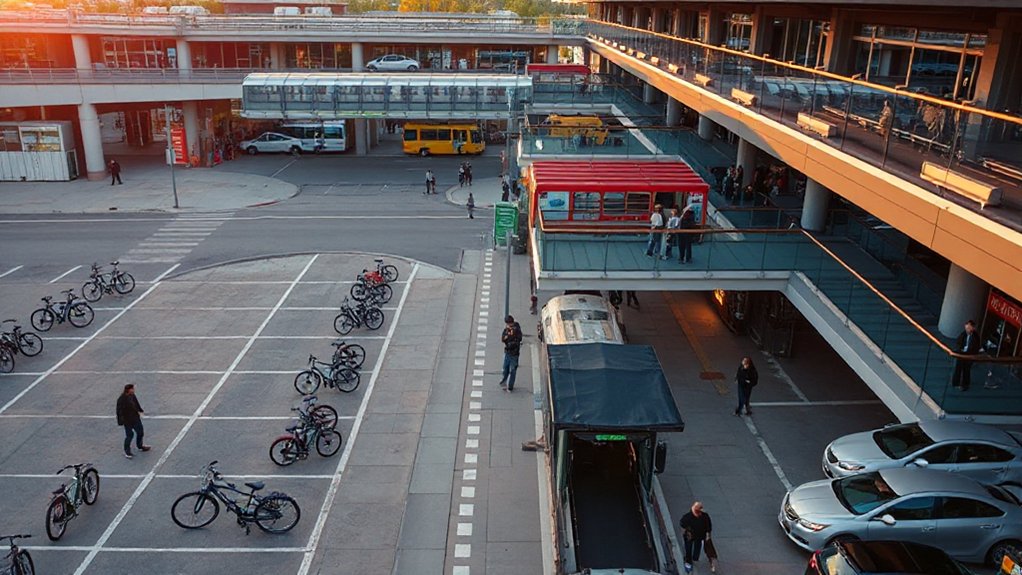
Efficient Parking Flow Patterns and streamlined Access Corridor operations are critical to sustaining smooth transfers in Reading’s commuter network.
You’ll evaluate how peak-period congestion ripples through pick-up/drop-off zones and how access routes influence transfer times and user satisfaction.
This analysis targets market-ready improvements that enable faster, more reliable connections across modes.
Parking Flow Patterns
How do parking flow patterns influence the efficiency of transfers and user satisfaction at a commuter hub? You sense how arrivals, exits, and lane choices shape overall pace, reliability, and perceived value.
Smart flow reduces circling, speeds ticketing, and concentrates pedestrian movement toward core modes, boosting commuter flow and loyalty. A disciplined layout supports predictable patterns, minimizing conflict between cars, bikes, and pedestrians.
When flow is transparent, riders feel a sense of belonging and confidence in the system.
- Align entry/exit points with peak routes to minimize queuing
- Separate high- and low-frequency movements to reduce cross-traffic
- Use clear signage and lighting to guide intuitive decisions
- Monitor with data to continuously refine parking patterns and flow
Access Corridor Efficiency
Could the flow of access corridors determine transfer speed as much as the core platforms themselves? In this assessment, you’ll see how access corridor design shapes rider throughput and perceived reliability.
You identify patterns where parking and drop-off lanes, pedestrian crossings, and curbside queuing align with platform access, minimizing dwell time and congestion. When corridors enable seamless, intuitive movement, riders feel a stronger sense of belonging and confidence in the hub’s efficiency.
Prioritizing circulation paths, turnover rates, and wayfinding reduces bottlenecks and supports predictable transfers. This focus drives efficiency improvements that attract commuters who value time and community cohesion.
A data-driven approach reveals where investments yield the highest velocity gains, translating into higher usage, better service metrics, and lasting market trust.
Economic Benefits for Riders and the Surrounding Area
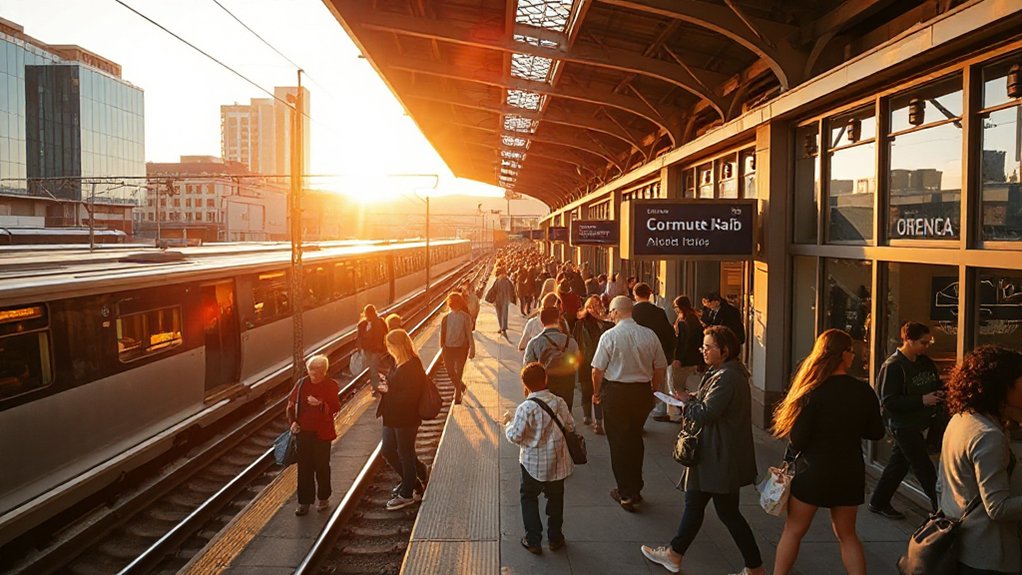
The economic benefits of reading as a commuter hub accrue directly to riders and the wider neighborhood: faster, cheaper access to information and services increases daily productivity, while nearby businesses see higher foot traffic and longer dwell times.
1) You gain time savings that compound into greater discretionary spending and investment in local services.
2) Local enterprises experience repeat visits, boosting revenue stability and encouraging hiring.
3) Property values and commercial rents reflect enhanced desirability, supporting community development.
4) Economic impact broadens social cohesion, attracting employers who value accessible, connected neighborhoods.
This data-driven dynamic builds a resilient local economy, aligning rider needs with market opportunities while reinforcing a shared sense of belonging among residents and businesses.
Daily Amenities That Speed Up Commutes
You’ll notice that quick access to snacks and clear restroom availability aren’t just conveniences—they’re speed levers that improve dwell time and reliability for commuters.
When these amenities are reliable and well-located, ridership grows because daily routines become smoother and more predictable.
In short, prioritizing these features strengthens the market positioning of Reading as a hub that supports efficient, on-time journeys.
Quick Access to Snacks
- Quick snacks align with commuter convenience, reducing pause times and disruption.
- Strategic placement at stations and kiosks boosts consistent energy without leaving the flow.
- Clear labeling and varied options meet diverse dietary needs, supporting inclusivity.
- Subtle pricing and loyalty perks reinforce habitual, reliable usage and trust.
This approach underscores market opportunities: compact, craveable formats that travel well, priced for daily use, and designed to be part of your routine.
Restroom Availability Features
Restroom availability is a critical throughput enabler for daily commutes, shaping how reliably travelers adhere to time cues and schedules. You evaluate facilities not just for comfort, but for predictability and trust in service ecosystems.
Restroom cleanliness signals operational discipline and safety, influencing perceived reliability and repeat patronage.
Restroom accessibility expands whom you serve, reducing friction for mobility-impaired users and families with small children, thereby broadening market reach.
Speed amenities—touchless fixtures, clear signage, ample stalls, and clear maintenance schedules—translate into shorter dwell times and smoother progressions between modes.
In a competitive environment, stakeholders prioritize consistent hygiene, accessible design, and transparent upkeep data to reinforce loyalty, foster inclusivity, and strengthen the hub’s role as a welcoming, efficient daily destination.
Safety, Wayfinding, and Accessibility Improvements
Enhancements to safety, wayfinding, and accessibility are critical levers for sustaining rider trust and boosting throughput at the station. You’ll see a data-driven posture shaping design choices that reduce friction and elevate belonging.
By aligning operations with rider expectations, you gain predictable flows, faster transfers, and measurable gains in reliability. Accessibility innovations and safety protocols become core differentiators, not add-ons.
1) Prioritized wayfinding elements guide you intuitively through concourses and platforms.
2) Real-time alerts and color-coded signage minimize confusion during peak periods.
3) Tactile and audible cues support inclusive navigation for all users.
4) Observed safety improvements translate into steadier crowd movement and higher perceived security.
Environmental Savings for Riders
Eco friendly Initiatives at Reading strengthen rider loyalty by delivering tangible, verifiable outcomes—faster commutes, fewer stalled trips, and steadier service. When you choose this hub, your Carbon Footprint decreases through shared transport efficiencies and modal shifts that favor walking, biking, and transit-first options.
This market-focused approach positions Reading as a value creator, not merely a service, reinforcing belonging among riders who prioritize sustainability, reliability, and smart infrastructure investments.
How Reading’s Connected Hub Strengthens Community

Reading’s connected hub doesn’t just move people efficiently; it builds social cohesion by aligning transit, commerce, and community spaces into a seamless ecosystem. You’ll see how this integration elevates local engagement and signals value to residents and visitors alike. The hub becomes a testbed for sustainable growth, guiding investment toward durable partnerships and measurable outcomes.
- Community engagement drives tailored services and inclusive events that reflect neighborhood needs.
- Local partnerships coordinate merchants, schools, and cultural groups for cross-pollinated opportunities.
- Data-driven insights shape capacity, schedules, and access, aligning mobility with daily routines.
- Transparent communication builds trust, encouraging participation and long-term commitment.
This approach strengthens Reading’s market position by turning riders into active stakeholders who influence place-making.
Reading vs. Other Regional Hubs: A Quick Comparison
From a market perspective, you’ll see Reading’s Transit Advantage stack up against peers by reliability, frequency, and seamless transfers.
When benchmarking Regional Hubs, you’ll compare capacity to handle peak flows, integration with last-mile options, and overall accessibility for riders.
This quick comparison sets the stage for concrete performance gaps and targeted improvements.
Reading’s Transit Advantage
Reading sits at a clear advantage when you compare regional hubs, because its mix of timing, connectivity, and real-world demand makes a compelling case for faster commutes and broader access.
You’ll see why this matters in practical terms:
1) Transit innovation accelerates schedules, reducing wait times and enabling predictable flows.
2) Rider experience centers on seamless transfers, clear guidance, and reliable service throughout the day.
3) Network connectivity links peripheral suburbs to core employment zones with minimal friction.
4) Real-time data informs decisions, helping you anticipate delays and choose *ideal* routes.
This combination strengthens market position, attracting riders who value efficiency and belonging. Reading’s advantage isn’t just speed; it’s the quality of the daily journey you can trust.
Regional Hub Benchmarking
Comparing Reading with other regional hubs reveals a distinctive blend of timing, connectivity, and demand that translates into measurable advantages. You’ll see Reading’s peak flows align with university calendars and business cycles, delivering steadier commuter volumes than rivals with sporadic surges.
Transit cadence, integration with regional rail, and walkable precincts create faster onward legs, boosting overall reliability. Market signals show Reading achieving higher customer satisfaction scores when service frequency rises, reinforcing loyalty among residents and employers seeking stable access.
Historical architecture adds character that strengthens place attachment, while ongoing investments in local art enrich street-level experiences, supporting higher footfall.
Relative strength comes from curated micro-ecosystems: accessible housing, interoperable fare options, and a welcoming, cohesive urban identity that resonates with people seeking belonging.
How to Optimize Your Reading Commute Today
If you want to optimize your Reading commute today, start by prioritizing a predictable routine that minimizes friction and maximizes productivity. By structuring time, you signal reliability to fellow commuters and access consistency in gains from your readings.
1) Establish a fixed departure window and pre-pack essentials to reduce last-minute stress.
2) Choose Digital audiobooks for hands-free engagement during transit, preserving attention for upcoming work tasks.
3) Prioritize ergonomic seating and posture adjustments to sustain comfort across long rides.
4) Implement a quick triage—skim, then deeper reads—balancing brevity with depth for market-relevant insights.
This approach reinforces belonging within the commuter ecosystem, aligns with productivity goals, and positions you to exploit Reading’s hub strengths.
Future Plans and Growth Opportunities for Reading Transit
As Reading transit continues to evolve, the focus will shift toward integrating multi-modal experiences that blend onboard productivity with seamless digital and physical book ecosystems. You’ll see a strategic emphasis on reliability, speed, and passenger-centric services that reinforce belonging within the community of daily riders.
In this framework, growth hinges on scalable networks, data-driven scheduling, and partnerships that monetize convenience without compromising comfort. Innovative ticketing becomes a differentiator, enabling frictionless handoffs across buses, trains, and last-mile options while capturing commuter insights for continuous improvement.
Commuter feedback drives cadence for upgrades, ensuring capacity and service quality match peak expectations. The market will reward operators that translate insight into iterative, transparent plans, delivering predictable performance and a sense of shared progress for Reading’s growing commuter base.
Frequently Asked Questions
How Does Reading Stay Affordable for Daily Commuters?
You stay affordable by leveraging fare affordability through bundled passes and off-peak options, and you maximize value with ticket discounts. You evaluate routes, compare carriers, and align your commute with market-tested pricing to protect your budget.
What Safety Measures Protect Riders During Peak Hours?
You’ll notice peak-hour safety measures so you ride confidently: fare discounts tempt you to stay, while safety patrols monitor cars and platforms, ensuring calm, controlled flow—analyzing markets, building belonging, and keeping you secure during rushes.
Can Non-Riders Access Stations for Errands or Sightseeing?
Non-riders can access stations for errands or sightseeing, provided you follow posted rules and hours. Accessibility options and Station amenities cater to you, enhancing comfort, safety, and convenience while reinforcing a sense of belonging within the transit ecosystem.
How Are Delays Communicated to Busy Morning Riders?
Real time updates inform you of delays instantly, while emergency protocols guarantee clear, authoritative communication. You’ll receive concise alerts, context, and actionable steps, reinforcing belonging as commuters trust the system to prioritize efficiency, safety, and predictable morning routines.
What Districts Benefit Most From Reading’s Transit Upgrades?
Downtown and southwest districts gain most from Reading’s upgrades, you’ll notice better Station accessibility and streamlined Transit technology, boosting reliability and perceived belonging. You see these signals powerfully: faster commutes, stronger networks, and a more connected, confident market stance.
Conclusion
You’ll see Reading’s remarkable reach, reinforced by robust routes, reliable rail, and regular bus links. This transit trifecta fuels flexible flows, steady savings, and steady schedules for seekers, commuters, and investors alike. By balancing bold investments with practical patience, Reading remains a resilient, revenue-ready hub. In short, strategic stacking of services sustains sustained growth, supplies social synergy, and spotlights Reading as a competitive, connected, citywide circulator—today, tomorrow, and beyond.