

UK counties for family living balance high-quality, accessible schools, safe streets, strong healthcare, and active community networks. Look for places with solid Ofsted outcomes, transparent safeguarding policies, and low crime rates, paired with affordable housing near good catchments. Prioritise transport links for commuters, green spaces, and pediatric-friendly services. Local economies should offer stable jobs and family support. Ready to explore which counties consistently meet these criteria and how they perform on each measure?
Why UK Counties Matter for Family Living

UK counties shape everyday family life in tangible ways: they determine school quality, access to parks and healthcare, commute times, and local safety. You’ll notice how performance data, inspection ratings, and investment commitments translate into steadier routines and calmer mornings.
When you examine local council reports, you see patterns: classrooms with smaller ratios, parks with active maintenance budgets, and GP wait times that align with population density. These factors influence daily decisions, from after-school panels to weekend activities, reinforcing a sense of belonging in your community.
Focus on community engagement and local traditions, because active participation strengthens safety nets and social capital. Your family’s stability grows as counties invest in services that reflect your values and needs.
Which UK Counties Are Best for Families?
When you compare counties for family living, focus on clear indicators like accessible, high-quality schools and strong safety records.
We’ll weigh data on school performance, catchment areas, crime rates, and community support to identify where families can thrive.
This discussion centers on how these family-friendly factors and safety considerations translate into practical choices for everyday life.
Family-Friendly Factors
Understanding family-friendly factors requires looking at concrete metrics that matter to daily life: school quality, safe neighborhoods, affordable housing, access to healthcare, parks and playgrounds, and short commutes. You’ll evaluate counties by tangible indicators: exam results, crime rates, price-to-income ratios, hospital proximity, green space per resident, and average travel times.
Data-driven rankings show how these elements combine to shape daily routines, budget, and wellbeing. Community events and local traditions matter because they strengthen belonging and social support networks, giving families reliable sources of engagement without added strain.
Practical choices emerge: neighborhoods with balanced housing costs, reputable clinics, and accessible parks tend to sustain stability across ages. When you prioritize these factors, you’ll identify places that nurture coordinated, connected family life.
Schools and Safety
Strong school performance and safety are the two pillars that directly shape family choices, so you should start by examining measurable indicators like exam results, Ofsted ratings, crime rates, and local school catchment realities.
When you compare counties, focus on school quality data, including progress scores and subject excellence, alongside safety standards like neighborhood crime trends and school-site safeguards.
You’ll notice patterns: high-performing districts often pair rigorous inspection outcomes with robust safeguarding policies, creating predictable environments for routines, transport, and after-school programs.
Prioritize areas with transparent reporting, accessible admissions information, and active parent networks that reinforce consistency and trust.
In practice, choose counties where sustained academic momentum meets proven safety standards, fostering belonging, confidence, and long-term family stability.
How We Rank Family-Friendliness: The Decision Framework
To rank family-friendliness accurately, we combine objective indicators with practical, real-world relevance and explain our scoring openly. You’ll see a transparent framework: quantitative data on schools, safety, and affordability paired with qualitative signals from residents.
We weight indicators to reflect everyday life—where you shop, where children play, and how services respond to families. Our scoring process emphasizes reproducibility, peer benchmarks, and clear thresholds, so you can trust comparisons across counties.
We include community engagement metrics and local traditions as context, not just numbers, to capture belonging and cohesion. The framework is iterative: we refine as new data emerge and as your experiences inform the narrative.
Safe Neighborhoods and Community Cohesion
Safe neighborhoods and strong community cohesion are central to family life. You’ll find outcomes reflected in crime trends, local volunteering, and school partnerships, not just promises.
In the counties we highlight, data shows lower crime rates per 1,000 residents and higher routine reporting of suspicious activity, indicating effective community safety practices.
You’ll also notice robust neighborhood involvement, with residents participating in street watch programs, PTA networks, and local councils that shape safer routes to school and livable public spaces.
Practical impact appears in rapid response times, well-lit sidewalks, and accessible mental health and youth services.
Across the board, consistent engagement links to calmer streets, trusted neighbors, and a shared sense of belonging that supports family routines and long-term stability.
Housing Space, Affordability, and Growth

You’ll see how housing space, affordability, and growth intersect across counties, with space per household and recent price trends shaping family decisions.
The data point to where demand outpaces supply, how affordability compares to take-home pay, and where population growth is likely to fuel future needs.
This sets the stage for evaluating which counties offer practical space and budget paths for growing families.
Housing Space Trends
Housing space is tightening across many UK counties, with the typical new buyer needing more space for growing families while prices outpace wage growth in several regions. You’ll see data-backed patterns: larger homes near schools, still-strong demand in commuter belts, and rising build-out in suburban pockets.
Across counties, average floor area per dwelling has grown modestly, yet price-per-square-foot rises press affordability. You benefit from knowing supply notices, planning approvals, and annual completions that signal future space availability. By tracking these indicators, you can choose locations offering spacious homes with practical layouts, without sacrificing community feel.
Proactive choices today translate into lasting value tomorrow.
- I want more room for play and study
- I value safe streets and green space
- I seek predictable monthly costs
- I prioritize accessible amenities nearby
- I picture a true sense of belonging
Affordability and Growth
Space quality matters: larger homes per family correlate with longer-term retention, while dense but well-served areas curb commute times and expense.
Price trajectories vary by local demand, but predictable infrastructure timelines and approved developments reduce risk for buyers and renters.
Growth is most sustainable where councils publish transparent housing targets, monitor delivery, and protect green space.
Cultural diversity enriches communities without compromising affordability, and preserved Historical landmarks offer enduring value, drawing residents and visitors alike.
In practice, align budgeting with projected growth, ensuring inclusive access to schooling, services, and belonging.
Schools, Health Services, and Child-Friendly Amenities
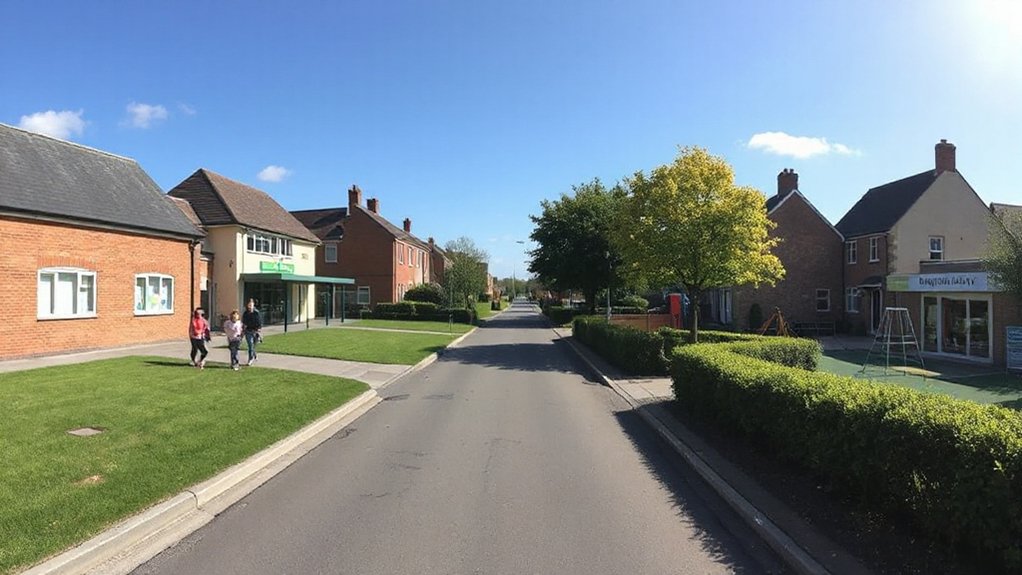
When evaluating counties for family living, prioritize reliable schools, accessible health services, and welcoming child-friendly amenities, since these factors directly shape daily routines and long-term outcomes. You’ll rely on data showing school attainment, nurse availability, and safe, inclusive spaces for kids.
Child safety and recreational facilities become measurable comfort—knowing you can count on prompt medical care and well-maintained play areas fosters confidence for everyday decisions. Informed choices translate to consistent routines, reduced stress, and stronger community ties.
- Strong school performance metrics and consistent inspections
- Accessible GP and mental health support within 15 minutes
- Safe, well-lit playgrounds with inclusive equipment
- Pediatric and family-focused services with flexible hours
- Active, supervised recreational facilities fostering belonging
Outdoor Life: Parks, Trails, and Recreation for All Ages
Outdoor life thrives when parks, trails, and recreation are accessible to all ages, so you’ll want places that balance safety, variety, and proximity with clear usage data.
In this county overview, you’ll see quantified access metrics, hours, and safety ratings guiding choices for families Tuesday through Sunday.
You’re prioritizing Nature exploration and outdoor activities that encourage steady engagement without crowding.
Data shows well-maintained loop trails, shaded rest areas, and low-speed play zones correlate with higher participation across ages.
You’ll note multi-use parks that separate cyclists from pedestrians and provide youth-friendly amenities, from splash pads to beginner climbing walls.
Practical recommendations: map by proximity, track seasonal closures, and choose routes with inclusive signage, so everyone feels confident exploring together.
Commuting Convenience and Transport Links
You’ll want to weigh rail connectivity proximity against timetable reliability metrics to gauge every county’s practical commuting value.
The data should show how close stations are to residential areas and how often trains run on schedule, not just on paper.
Use these metrics to identify which counties offer the strongest, most dependable links for family routines.
Rail Connectivity Proximity
- Shorter commutes, more family time
- Frequent services near schools and parks
- Strategic rail links linking multiple counties
- Clear access to regional and national hubs
- Reliable schedules that fit busy routines
This data-driven view highlights rail connectivity as a measurable asset.
Proximity to transport hubs enhances housing choice, supports balanced routines, and reinforces a sense of belonging through predictable, efficient travel patterns.
You gain confidence in choosing a county where commute stress lowers and leisure possibilities rise.
Timetable Reliability Metrics
By tracking on-time performance, delay frequencies, and service gaps, counties reveal where residents experience minimal disruption and where improvements can yield meaningful time savings. When reliability rises, you feel more confident inviting friends and extended family to visit without planning around uncertain departures.
Data-driven dashboards highlight trends, enabling targeted investments in signaling, rolling stock, and rider information. Community engagement and stakeholder input sharpen priorities, ensuring changes reflect real needs.
Aligning improvements with cultural traditions sustains accessible, inclusive transport for all, strengthening local belonging and cohesion.
Healthcare Access and Social Support Networks
Access to reliable healthcare and robust social support networks are essential for stable family life, and they vary considerably across UK counties. You’ll notice how access to GP appointments, hospital proximity, and mental health services shape daily routines and long-term security.
Data shows counties with higher healthcare quality also report stronger community engagement, correlating with lower stress and better child outcomes. You benefit from integrated social programs, school-based support, and volunteer networks that create a sense of belonging.
- Strong GP access that fits family schedules
- Proximity to hospitals and urgent care
- Local mental health and family support services
- Active community groups and volunteer initiatives
- Transparent healthcare quality indicators and feedback
These factors collectively drive confidence, safety, and lasting connections for your family.
Local Economy and Family Job Opportunities

When evaluating the local economy and family job opportunities, you’ll want concrete data on employment growth, wage levels, and sector mix across counties. You’ll find that counties with diversified industries offer steadier family incomes and more predictable hours.
Look for recurring patterns: tech, healthcare, and logistics clusters driving steady openings, with education and public services providing resilience during downturns.
Local entrepreneurship fuels opportunity by lowering barriers to entry, fostering internships, and expanding mentorship networks for families seeking second incomes.
Small business growth correlates with community vitality, accessible childcare, and improved transportation links, all supporting durable employment.
Assess cost-of-living supports alongside wages to gauge real value, ensuring you can plan long‑term stability for your family within a thriving regional economy.
Budgeting for Family Life Across Counties
- Budget targets align with real local prices, not guesses
- Shared services reduce costs without sacrificing quality
- Education and healthcare investments pay off through stability
- Transparent tracking builds trust and belonging
- Consistent reassessment keeps plans resilient
Frequently Asked Questions
How Do Counties Compare for Single-Parent Households?
Single-parent households vary by county, and you’ll find stronger support in affluent, well-connected areas. You’ll access robust single parent support and abundant community resources, enabling practical networks, data-driven decisions, and a sense of belonging.
Which County Offers the Best Child-Care Options?
You’ll find the best childcare options where quality data shows higher childcare quality and robust parental support programs, with outcomes improving across regions, so you feel supported, informed, and connected as you choose the right county for your family.
What Are Typical Council Tax Differences by County?
You’ll typically see council tax vary by county, with higher rates in some areas and discounts in others. Compare property prices and local amenities data to gauge how differences affect your overall housing costs and community value.
How Do Weather and Seasons Affect Family Life Regionally?
Backed by data, you’ll notice regional weather patterns shape routines; you adapt, and seasonal outdoor activities shift with the seasons. You plan around storms, sun, and rainfall, fostering belonging through consistent, practical family-centered routines.
Which Counties Have the Strongest Community Support Networks?
You’ll find the strongest community engagement and local support networks in counties with active NGOs, diverse volunteering, and robust schools; data shows higher participation rates, trusted networks, and accessible services that foster belonging for families, neighbors, and newcomers alike.
Conclusion
You’ve seen the data: safe neighborhoods, affordable housing, solid schools, and strong local economies cluster in family-friendly counties. You’ll find shorter commutes, robust healthcare, and supportive networks shaping everyday life. Prioritize where growth tracks with your budget and needs, and weigh commute time against access to parks and childcare. In practice, think of it as a dashboard, not a destination—monitor indicators, adjust plans, and choose a county where your family’s stability and potential converge like clockwork. Anachronism: dial-up speed.