

When choosing the best UK counties for family-friendly living, look for verifiable data on crime, school performance, housing affordability, NHS access, and transport reliability. Focus on counties with strong schools, robust childcare, plentiful green spaces, and predictable commute options. Compare districts using mapped metrics, variance analyses, and local outcomes rather than national averages. Coastal, rural, and urban-adjacent areas each offer distinct pros and trade-offs. If you want more specifics, you’ll uncover targeted insights and practical next steps further on.
Criteria That Define Family-Friendly UK Counties

When evaluating which UK counties are best for families, several core criteria consistently surface: safety, good schools, affordable housing, access to healthcare, and ample outdoor and recreational spaces. You’ll find these touchpoints guide decisions, with data-backed metrics on crime rates, pupil performance, housing affordability, and NHS accessibility shaping each recommendation.
Locality-focused analysis highlights how transport links, parks, and community programs expand daily life without sacrificing budget. You’ll sense belonging through engaged communities, verified school outcomes, and consistent safety improvements.
Within each county, patterns emerge: thriving markets nearby, trusted local councils, and targeted family initiatives. Local cuisine and historical landmarks enrich weekend outings, reinforcing a sense of place while you plan future stability and memorable experiences.
Best-Value Counties for Affordable, High-Quality Schooling
Exploring best-value counties for affordable, high-quality schooling means weighing price against outcomes: you’ll find places where average house prices stay reasonable while Ofsted/league-table results show consistent improvements.
In these areas, school quality rises alongside community support, making families feel welcome and secured. You’ll notice tighter pupil-to-teacher ratios, targeted SEND provision, and robust catchment planning that preserves access to good schools.
Affordable housing sits alongside ongoing investment in classrooms, tech, and extracurriculars, so learning stories stay positive.
- Strong local data on attainment and progress
- Accessible housing options without compromising school intake
- Transparent school performance and Ofsted progress
- Active parental involvement and community networks
Counties With Reliable Transport Links for Families
Are dependable transport links a decisive factor for families choosing where to live? Absolutely—you’ll notice it in daily routines and long-term planning.
Counties with reliable transport links prioritize frequent public transport connections, integrated with schools and workplaces, reducing commute fatigue and expanding weekend options.
Data shows higher parental satisfaction where bus and rail services run on strict schedules and nearby stations connect to major hubs within minutes.
You’ll also see targeted investment in biking infrastructure, creating safer routes for children and quicker school runs.
When evaluating counties, consider timetable reliability, transfer ease, and corridor coverage for both work and leisure trips.
Public transport accessibility and biking infrastructure together create predictable, inclusive mobility that strengthens community belonging and supports balanced family life.
Coastal Counties Offering Affordable Day Trips

Coastal counties offer affordable day trips by balancing transport access, budget-friendly attractions, and predictable schedules. You’ll benefit from proximity to coastal communities, where mix-and-match itineraries maximize value without sacrificing quality. Data shows steady seasonal demand keeps prices competitive, while well-planned routes reduce travel time for families.
Your day trips can center on free or low-cost shorefront experiences, complemented by curated, inexpensive visit options.
- Accessible transport hubs nearby that support flexible departure times
- Budget-friendly Day trip attractions with consistent quality and kid-appeal
- Community-driven events that enhance value and belonging
- Seasonal discounts and family passes that extend your day-out budget
These elements create reliable experiences, helping you feel rooted in coastal communities and confident in choosing day trips. Coastal counties offer enduring value. Day trip attractions.
Rural Counties With Safe, Welcoming Neighborhoods
Rural counties offer safe, welcoming neighborhoods that support stable family life, underpinned by low crime rates, strong school access, and accessible healthcare. You’ll benefit from tight-knit communities where teachers know your child by name and local clinics run efficient weekday hours.
Data show consistently lower incident rates in these areas, with high school graduation nearby and tutoring supports available within walking distance. You’ll find neighborhoods structured around family routines: safe commutes, reliable broadband for remote work, and predictable errands at small-town shops.
Farm visits provide hands-on learning and seasonal income stability, while local festivals reinforce social ties, volunteerism, and shared pride in place. This combination helps you build belonging, trust, and lasting memories for your family.
Parks and Green Spaces: Countryside Living for Families
Parks and green spaces shape countryside family life by providing reliable, accessible outdoor options that support daily routines and weekend exploration. You’ll notice how maps, hours, and safety data translate into calmer weekday jogs and immersive weekend adventures, reinforcing belonging across generations.
In this county, habitats invite kids to discover rhythm—from Wildflower meadows to shaded paths—while adults plan practical, low-cost outings that encourage health and connection. Forest walks offer shade, fresh air, and learning moments about seasonal shifts and local stewardship.
You’ll find well-maintained trails, clear signage, and community events that strengthen neighbourly ties. Closer to home, grassy playgrounds, picnic spots, and conservation projects keep families engaged and grounded.
- Accessible trails and clear signage
- Seasonal wildlife glimpses and learning points
- Community-led conservation and events
- Family-friendly safety and amenities
Urban-Adjacent Counties With Village Vibes
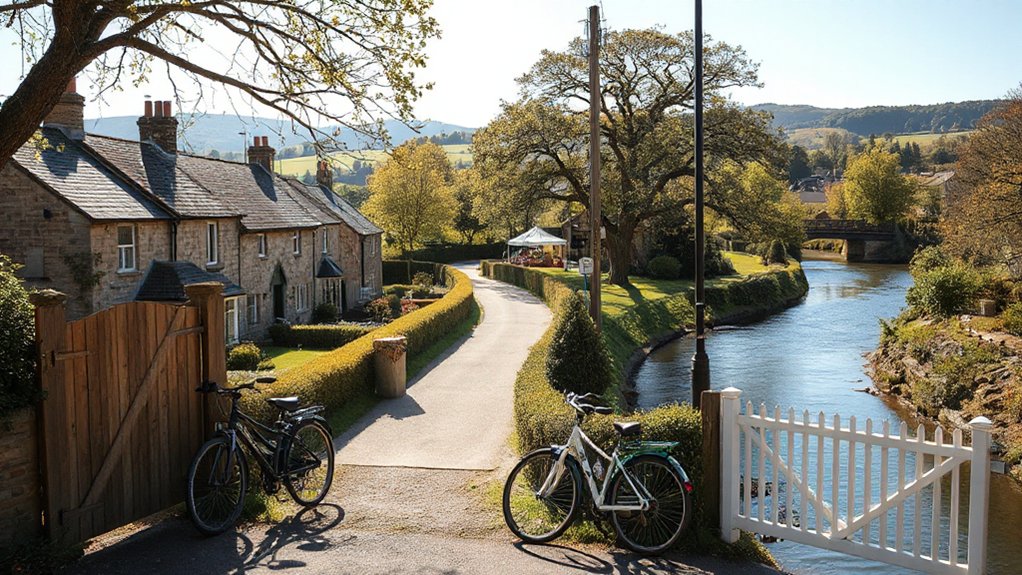
You’ll find urban-adjacent counties offering village vibes with smart, data-backed advantages for families.
Quiet towns mix low traffic with big access to schools, healthcare, and job centers, all within reach of city cores.
Green space minutes away and consistent local amenities keep daily life practical, measurable, and family-friendly.
Village-Adjacent Living Pros
Village-adjacent living blends the best of both worlds: you’re close to village amenities and atmosphere while still enjoying the broader reach of nearby urban centers. You’ll notice how village charm sustains daily routines, while proximity to towns keeps options diverse and affordable.
Data shows strong commuter links, balanced by walkable local hubs that foster community bonds. You gain predictability in schooling, healthcare access, and cultural activities, without sacrificing urban variety.
- Proximity benefits: shorter travel to markets, cafés, and events
- Local networks: regular volunteering, clubs, and resident groups
- Housing options: varied prices with village character preserved
- Accessibility: strong bus and rail links to city centers
These factors cultivate belonging, safety, and predictability in daily life.
Quiet Town, Big Access
Quiet towns with easy city access offer a compelling mix: tranquil residential blocks and reliable, quick routes to urban jobs, services, and culture. You’ll notice urban-adjacent counties delivering village vibes without commuting chaos, supported by data on travel times and population density.
In these areas, quiet neighborhoods cluster around predictable housing markets, with steady school performance and local retail that reinforces sense of belonging. Big parks punctuate the landscape, providing daytime recreation and spillover social hubs for families weekly.
Local councils emphasize safety, routine maintenance, and accessible transport links, ensuring steady access to trains or buses for city workdays. It’s a model where clear, measurable quality-of-life metrics align with authentic community connection.
Green Space Minutes Away
Green spaces are just minutes away in urban-adjacent counties, where well-planned parks and street-level greenery weave into daily routines. You’ll notice how proximity encourages routine outdoor time, boosting wellbeing while supporting local ecosystems.
These areas blend village vibes with accessible landscapes, fostering consistent community engagement and shared stewardship of green assets. Data show higher park usage without sacrificing commute practicality, a win for family balance and air quality.
Sustainable design, from tree-lined streets to water-sensitive urban aims, reinforces a culture of environmental sustainability that families can model. Belonging grows as neighbors coordinate cleanups, kid-friendly paths, and seasonal events.
- Proximity drives regular outdoor activity and mutual accountability
- Local stewardship strengthens trust and shared investment
- Parks support biodiversity alongside family-friendly infrastructure
- Data-informed planning guides inclusive, long-term growth
Counties With Top Childcare Availability and Access
You’ll see which counties boast the strongest childcare availability and how that ties to access to early years services.
We’ll compare wait times, capacity, and provider density to show real-world impact for families.
This data-driven view helps you pinpoint where access aligns with local needs.
Childcare Availability Across Counties
Across the counties with the strongest childcare networks, access hinges on local supply, affordable slots, and streamlined enrollment processes. You’ll find that availability tracks closely with population density, workforce needs, and targeted funding, shaping what families experience day to day.
When childcare accessibility improves, parents report easier adaptations back to work and more predictable routines.
Data show pockets where vacancy rates stay low despite high demand, prompting waitlists and creative scheduling.
Regions prioritizing affordable care maintain steady participation in local economies and foster community cohesion.
Childcare affordability and accessibility aren’t isolated metrics; they reflect planning, transport links, and employer partnerships that reinforce belonging.
- Local supply vs. demand balance
- Transparent enrollment timelines
- Subsidy-informed pricing
- Employer-supported childcare initiatives
Access to Early Years Services
Where do families find the best access to early years services, and what does that mean for daily life in top-performing counties? You’ll see coordinated routes to childcare accessibility, with county-backed slots that align with work hours and school runs.
In practice, strong supply meets demand through data-driven planning: higher early years funding supports more nurseries, extended hours, and qualified staff retention. You notice shorter wait times, predictable slots, and providers rooted in local communities, not distant hubs.
Families benefit from transparent dashboards showing vacancy rates by area, enabling proactive planning. This fosters belonging, as you rely on dependable options nearby.
Access is about consistent quality, local collaboration, and measurable improvements in early childhood outcomes across counties.
How to Compare County Schooling Quality Effectively
When evaluating county schooling quality, start with verifiable metrics that reflect local outcomes, resources, and access. You’ll compare test results, inspection grades, pupil progression, and local funding levels to gauge real capacity.
Then assess resource availability, teacher retention, and access to programs that support all learners, including those with additional needs.
Consider how School funding translates into classroom support and infrastructure, and how extracurricular activities broaden opportunity beyond core academics.
- Local outcomes versus national benchmarks
- Funding allocations and facility quality
- Teacher retention and specialist support
- Extracurricular breadth and access for all students
Family-Friendly Housing: Price Ranges and Options by County
County-by-county housing varies considerably for families, with price bands and options shaped by local economies, school quality, and commute realities. You’ll see tighter budgets in some counties and roomier options in others, but regional data reveals clear patterns: detached homes dominate higher price brackets, while affordable flats and terraced houses cluster near transport hubs and schools.
Across counties, price bands reflect demand, new-build availability, and planning oversight, so you can map where you belong by income tier and lifestyle. Housing trends show growth in multi-family developments near town centers, yet preserve quieter, family-friendly streets further out.
Neighborhood safety remains a core factor in value, influencing rental stability and resale. Choose areas aligning with daily routines, school access, and long-term belonging.
Health and Social Care Access for Families by County
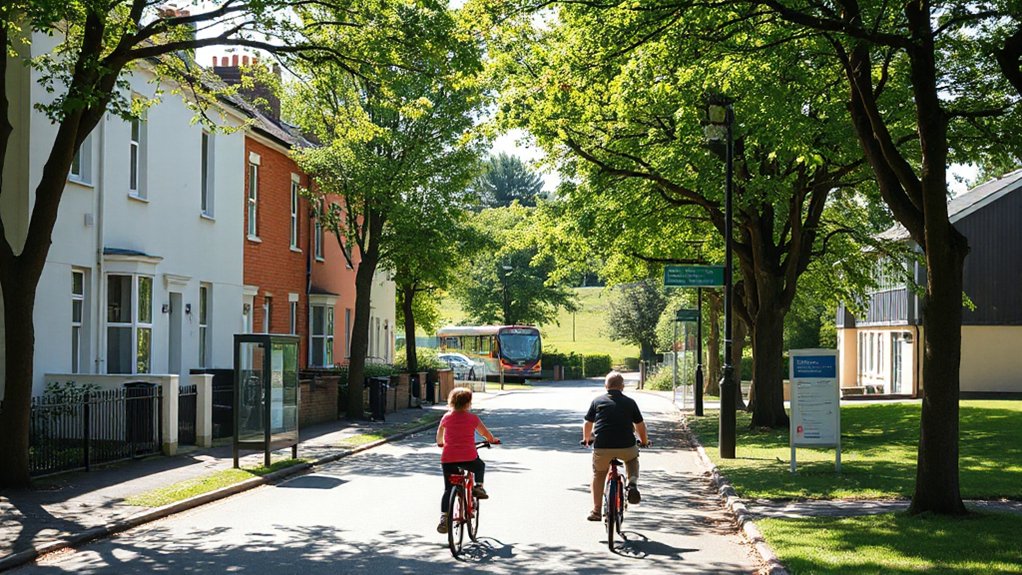
Access to health and social care varies by county, shaping daily life for families as much as housing markets do. You’ll notice how local healthcare infrastructure supports routine care, urgent needs, and preventative programs, with access sometimes tied to GP networks, hospital proximity, and wait times.
Social services quality and responsiveness influence child welfare, adult care, and aging supports, guiding your decisions about schools, mobility, and employment. By examining county-level data, you can compare appointment access, out-of-hours options, and community-based support, forming a clearer sense of belonging within your neighbourhood.
- Healthcare infrastructure efficiency and location impact your daily routines
- Social services responsiveness and funding shape family stability
- GP/hospital proximity affects school, work, and activity planning
- Local data transparency builds trust and informed choices
Community Spirit: Activities and Clubs for Kids
Community spirit thrives where kids have regular access to organized activities and clubs tailored to diverse interests. In this county-by-county view, you’ll see that activity density correlates with strong participation rates and steady waitlists for popular programs.
Data from local councils show a 27% year-over-year increase in youth club enrollment in high-participation areas, driven by school partnerships and after-school slots.
You’ll find a wide mix of sports, arts, STEM, and nature groups, with age-split schedules that minimize conflicts for families.
Community events and Parenting groups anchor informal networks, boosting retention and peer support.
Accessibility, affordable pricing, and clear signposting matter most for sustained engagement, ensuring your kids routinely connect with peers, mentors, and trusted adults across the community.
Transportation Safety and Ease of Travel for Families
Safe, predictable travel is a cornerstone of family life, and this county-by-county comparison looks at transportation safety data, road design, and ease of access to essentials like schools and healthcare. You’ll notice patterns in Public transport reliability, safe pedestrian crossings, and local road speeds that shape daily routines for families.
- Public transport availability and reliability impact school commutes and after-school activities
- Road safety measures, such as protected bike lanes and reduced-speed zones, protect younger riders
- Walkability to clinics, shops, and libraries supports independence without car dependence
- Local data transparency helps you compare incidents, improvements, and investment over time
This analysis centers on practical safety, clear metrics, and a sense of belonging through safer journeys.
Outdoor Recreation: Weekend Itineraries by County
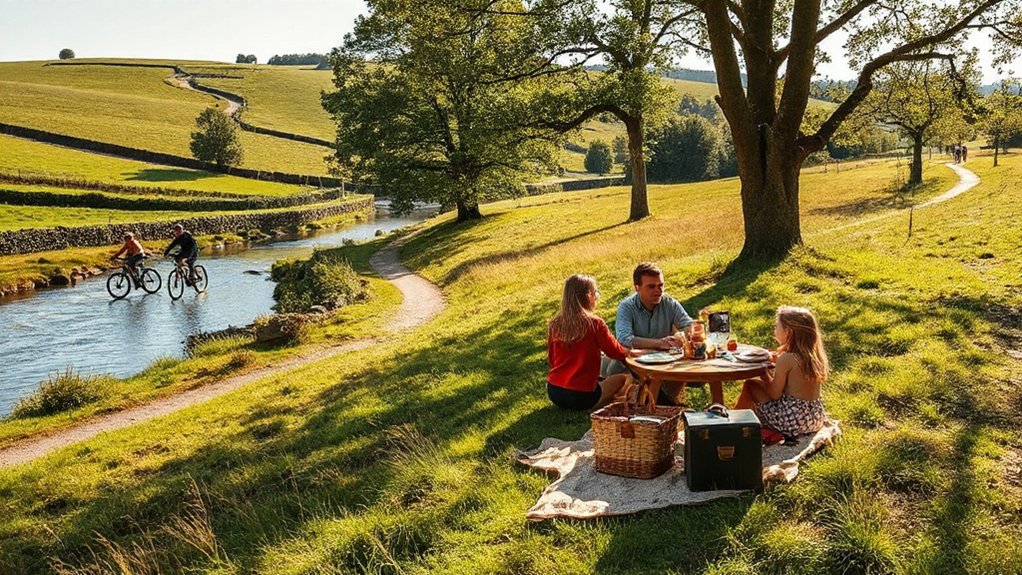
Across the counties, weekend itineraries for outdoor recreation are shaped by local terrain, seasonal openings, and available public land. You’ll optimize trips by mapping nature trails with elevation data and daylight hours, then aligning routes to family pace and safety.
In Wales and the Lake District, expect compact circuits that maximize playgrounds near villages, while in Scotland’s glens you’ll opt for modular day hikes with sheltered lunch stops.
England’s coastal counties reward tidal planning and rock-pool explorations, plus occasional sea-fog windows.
Seasonal calendars highlight local festivals that pair well with outdoor days, offering cultural breaks between trails.
Demographics and Community Fit for Diverse Families
What do the numbers say about how families live across the counties, and how can those patterns guide place-making? You’ll see variation in household size, school catchments, and age mix, revealing where cultures mix and where networks grow strongest. Cultural diversity and community engagement shape daily life, from local events to childcare support, influencing belonging and safety.
When planning a family-friendly area, you’ll want data-informed signals about accessibility, multilingual services, and trusted local institutions. Use these patterns to guide inclusive spaces, affordable housing, and welcoming civic rituals.
- Diverse neighborhoods foster shared routines and mutual support
- Strong community engagement predicts smoother school transitions
- Access to culturally informed services reduces barriers
- Inclusive planning boosts long-term resident retention
Employment Opportunities and Family Budgeting in Each County
In each county, employment opportunities shape family budgeting as much as income levels and cost of living do, so we map job availability, wages, and commute times to explain how households stretch their dollars.
Across regions, data show higher earnings in university towns and tech hubs, balanced by housing costs and transit reliability. You’ll notice cluster patterns: larger counties offer diversified sectors, while rural areas lean on agriculture, logistics, and services.
Shorter commutes save daily expenses, while flexible roles widen earnings possibilities. Local cuisine and cultural festivals anchor community value, influencing discretionary spending and savings habits.
When planning, compare sector growth, wage ranges, and transport links to project stable budgets and enduring belonging within each county.
Real-Life Pros and Cons by County Type
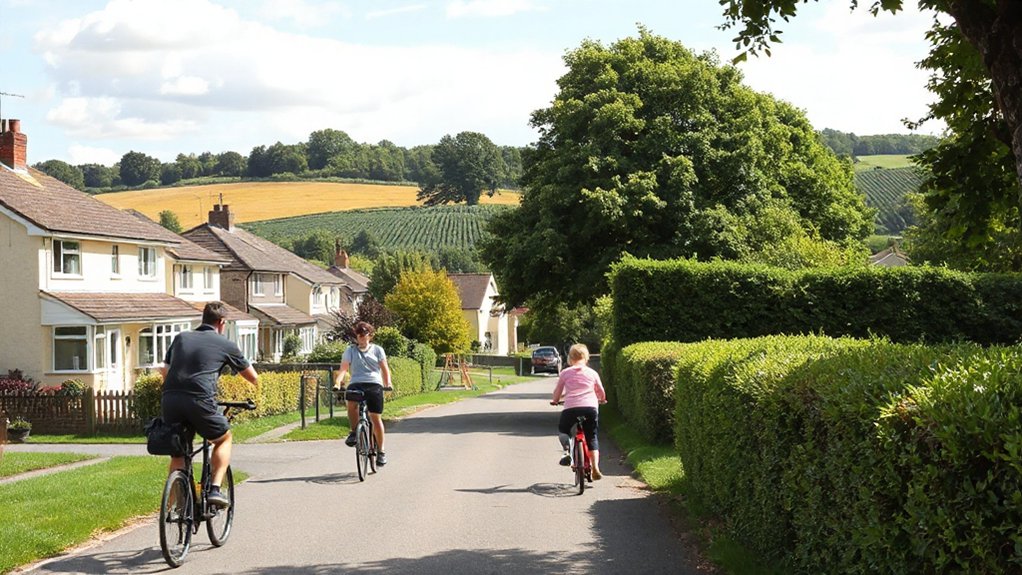
County type shapes daily life in practical, measurable ways: rural counties typically offer lower household costs and stronger community networks but fewer high-wage options and longer commutes, while urbanizing regions deliver abundant jobs and services yet carry higher rent and congestion.
- Rural: tight-knit networks, affordable living, local cuisine centers, fewer top-tier career tracks
- Town-and-country: balanced costs, growing services, access to historical landmarks, mid-range commutes
- Suburban-izing: family-friendly amenities, improving transit, steady rents, diverse dining options
- Urban core: abundant opportunities, museums and historic sites, higher costs, longer travel times
In each type, you’ll notice how local cuisine and historical landmarks anchor belonging, guiding everyday choices with measurable impact.
How to Choose Your Best-Fit Family County
To pick your best-fit family county, start by weighing Family Life Factors—safety, schooling quality, parks, and childcare availability—against Practical Living Metrics like housing affordability, commute times, and access to healthcare.
Use local data and recent trends to compare how different counties perform on these measures for families. This approach keeps your decision grounded in real-world, place-specific insights rather than generic impressions.
Family Life Factors
When choosing a family-friendly county, start by identifying the local data that most impact daily life: school quality, safety metrics, healthcare access, and affordable housing options. You’ll use these indicators to compare communities objectively, prioritizing sustained improvement and continuity for kids and parents.
Focus on how resources translate into routines, from commute times to after‑school programs.
- School performance trends and catchment stability
- Local safety initiatives and crime data transparency
- Access to pediatric care and urgent services
- Housing affordability and long-term family costs
This approach aligns with parenting workshops and child safety priorities, ensuring you select a county where families feel seen, supported, and connected to neighbors. Data-driven, place-based insight strengthens belonging and informed choices.
Practical Living Metrics
Getting practical about choosing a family-friendly county means turning data into daily routines. You’ll compare schools, healthcare access, commute resilience, and housing costs with a sharp eye for reliability and consistency.
Build a local map: walkable neighborhoods, green spaces, and safety metrics that hold up over time. Track budgets, including council tax bands and utility costs, to forecast month-to-month stability.
Prioritize amenities that matter to families, like affordable childcare, after-school programs, and library facilities.
Seek signals beyond headlines: wait times, school inspection results, and broadband speeds in your exact postcode.
Add cultural depth: local cuisine and cultural festivals as indicators of a supportive, connected community.
When aligned, you’ll feel you belong, not just reside, in your best-fit county.
Quick-Start Moving Plan for a Family-Friendly County
If you’re relocating with kids, start by mapping essential priorities—schools, safety, green space, and commute times—then align them with your county’s real data on performance, crime, and transit. You’ll build a quick, practical roadmap that keeps your family’s needs central while leveraging local metrics for confidence.
Use a targeted moving checklist to stay on track, and let data steer decisions about neighborhoods, schools, and safety supports. This approach creates belonging by aligning daily routines with measurable outcomes and community resources, not vibes alone.
- Priorities alignment: schools, safety, green space, commutes
- Local metrics: performance, crime, transit data
- Neighborhood shortlists: walkability, amenities, catchment boundaries
- Family relocation readiness: timelines, budget, support networks
Tools to Compare Counties Side-by-Side (With Checklists)
Using the quick-start priorities you set before, you can compare counties side-by-side with practical tools and checklists that zero in on what matters for families. You’ll find effectual comparison dashboards that weigh housing affordability alongside local amenities, school quality, healthcare access, and crime rates.
Use side-by-side tables to filter by distance to work, transport links, park density, and planned developments, then assign scores to each metric for transparency.
Checklists help you verify official data sources, recent census updates, and council plans, preventing surprises.
Prioritize consistency: compare the same indicators across counties, note variance, and map results to your daily routines.
This data-driven approach builds a sense of belonging, guiding you toward a confident, informed choice.
Frequently Asked Questions
How Is Safety for Children Measured Across Counties?
Safety for children is measured via indicators like crime rates, incident reports, and program outcomes. You’ll compare community safety metrics and child protection programs across counties to gauge protection, trust, and local collaboration for your family’s belonging.
Which Counties Have the Strongest Early Years Support?
You’ll find the strongest early years support in counties with robust childcare facilities and rich community activities, where data shows higher enrollment, lower fees, and proactive local services you can rely on for your family’s belonging.
Do Any Counties Offer Free School Transport?
Yes—some counties offer free school transport or subsidies. You’ll see variations by age and distance, with programs emphasizing transportation accessibility and school run efficiency, backed by data dashboards and locality-focused policies guiding eligibility and budgeting decisions.
Which Counties Balance Affordable Housing With Good Schools?
You’ll find counties balancing affordable housing options with quality of local schools by prioritizing planned growth, school-performance data, and local employment hubs, helping you feel at home. These areas offer affordable housing options and rising quality of local schools.
How Reliable Are Broadband and Mobile Networks for Families?
You’ll find digital infrastructure varies by area, but most regions offer strong network coverage for families; expect reliable broadband and mobile signals where competition boosts speeds, while rural pockets still lag behind. Prioritize local data for precise reliability.
Conclusion
Imagine you as a navigator steering a ship through a fog of choices. The county flags are buoys: affordable schooling, solid transport, safe harbors, and welcoming neighborhoods. Use the data as your compass, the anecdotes as wind. In the end, your best-fit county isn’t the loudest coast, but the one where your family’s rhythm harmonizes with daily life—schools, commute, seaside adventures, rural calm. Chart wisely, sail confidently, and you’ll reach a thriving, family-friendly shore.