
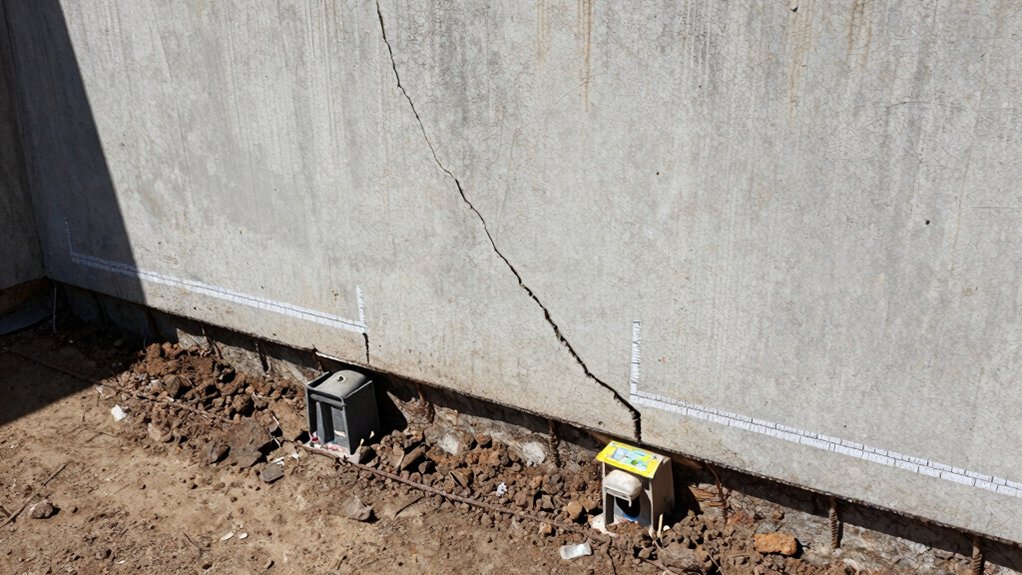
You’ll spot foundation problems early by watching for cracks that widen, doors that stick, and floors that feel uneven. Check for settling patterns, leaning chimneys, and gaps along baseboards. Investigate water concerns—downspouts should divert at least 4–6 feet from the foundation. Do safe DIY checks with basic tools, then document changes over time. Prioritize urgent issues, and know when to call a professional. If you keep at it, you’ll gain a practical plan for solid, long‑term stability.
How to Spot Foundation Problems Early
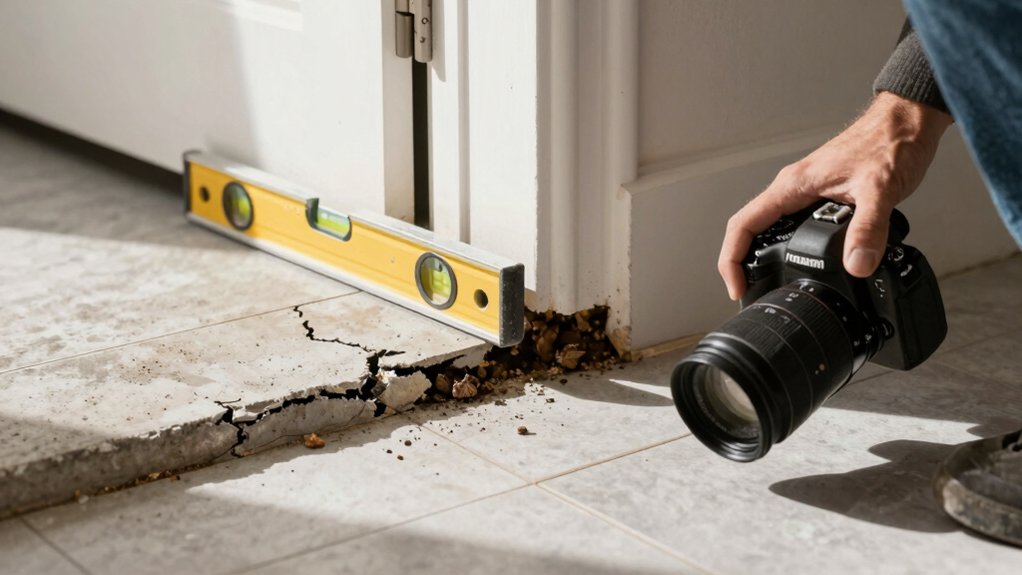
Watch for signs early and address them before they worsen. You’ll keep your home safer by inspecting basic clues and acting promptly. Start with Foundation materials you can observe from ground level: cracks in walls, doors that jam, or windows that won’t latch. Note if floors feel sloped or kitchen cabinets pull away.
Check soil stability around the foundation edge; leaning soil or pooling water nearby signals trouble. Document changes with dates and photos to track progress. Prioritize simple, proactive measures like ensuring proper drainage and directing runoff away from your foundation.
Establish a routine: seasonal checks after heavy rains, freeze-thaw cycles, or nearby construction. By staying observant, you empower yourself to protect your space and maintain belonging in a well-kept home.
What Causes Cracks and Door Misalignment
Cracks and door misalignment usually come from movement in the house over time. A few predictable culprits sit behind that movement: soil expansion, shifting loads, and subtle labors of construction defects.
When soil swells or contracts with moisture changes, the foundation bows slightly, nudging walls and frames out of plumb. Poorly compacted or backfilled holes nearby can magnify those effects, creating gaps that show up as cracks or revealing misaligned doors.
In older homes, accelerated settling or mismatched materials can produce similar stress patterns. You’ll notice doors rubbing or not closing fully, and thin cracks tracing along corners.
Detecting Uneven Floors and Settling Patterns
Uneven floors betray foundation movement, and spotting them early lets you pinpoint settling patterns before damage compounds. You’ll map subtle shifts, compare rooms, and note doors that rub or gaps that appear over time. Look for consistent tilts toward one side, or sags near load-bearing walls, as these signal soil movement beneath framing.
Recognize that unevenness isn’t random; it often reflects construction errors that left footing or supports misaligned. Stay methodical: document with photos, sketch floor lines, and track changes monthly. By you taking these steps, you build a clear picture of how the home moves and why.
- Observe door jamb gaps and baseboard separations
- Mark high and low spots to chart progression
- Correlate shifts with reported load changes or workmanship flaws
This practical approach helps you belong to the solution, not the problem.
Why Water and Drainage Matter for Foundations
Water and drainage are the unseen front line of foundation health. When water moves around your home, it shapes the soil under your feet and inside your walls. You’ll prevent problems by directing moisture away from the foundation, keeping soil stable, and avoiding shortcuts that trap water near the base.
Poor drainage lets soil erode and shifts support, while water pooling near the footprint invites frost heave and expanding pressures. Assess gutters, downspouts, and grading so runoff lands at least four to six feet away.
A simple, consistent routine protects everyone’s sense of belonging—knowing your home won’t lose ground season after season. Take practical steps now, monitor changes, and address issues before they compound.
DIY Checks You Can Perform Safely
You can start with simple, safe DIY inspections to spot early signs without climbing into attics or basements. Look for visual foundation clues like cracks, uneven floors, or sticking doors, and note how widespread they appear.
Keep your toolkit small and use basic precautions to protect yourself while you check for these indicators.
Safe DIY Inspections
So, you can begin with a simple, practical approach to inspecting your foundation safely: start with basic, noninvasive checks that don’t require special tools or climbing, and note any changes over time. Focus on patterns you can track, like doors sticking, small cracks widening, or uneven floors, which hint at foundation stability and soil movement. Stay steady, patient, and systematic as you document monthly observations.
- Check door frames and window sashes for alignment shifts
- Observe cracks in plaster or paint, noting length and width changes
- Inspect lowest exterior walls for dampness or mushrooming soils near the base
If trends emerge, map them and seek expert guidance promptly. This keeps you grounded and part of a supportive community.
Visual Foundation Clues
Visual clues you can spot without lifting a tool are a practical starting point for any foundation check. You look for cracks in drywall near corners, doors that stick or misalign, and basement walls showing unusual bowing.
Exterior patterns matter too: stair-step cracks, concrete that’s visibly shifting, or gaps around window and door frames. Note discoloration or efflorescence signaling moisture intrusion.
Pay attention to soil movement around the foundation edge and any nearby landscaping that alters drainage. Track moisture levels in accessible spaces—pipes, basements, crawlspaces—and observe seasonal changes in dampness.
Document what you see with photos and measurements, then compare over time. Trust your observations as a neighborly, practical guide, reinforcing safe habits and early action before bigger issues emerge.
Tools And Precautions
Tools and precautions are essential when you’re doing DIY checks, so gather a few basics and set clear safety limits before you start. You’ll focus on simple, non-intrusive tasks that respect family and neighbors while you observe for signs of movement. Keep your footing solid, wear gloves, and work with good lighting to avoid misreading subtle changes. Understand foundation materials and construction techniques so you don’t misinterpret symptoms as leaks or settling. Document measurements with a level and tape, and avoid climbing unstable areas. If anything feels risky, back off and consult a pro.
- Check for visible cracks and water pooling with measured notes.
- Use a level and straightedge to confirm flatness without heavy force.
- Respect load limits and call in professionals for structural concerns.
Essential Tools for Quick Foundation Assessments
When you’re quickly evaluating a foundation, the right set of tools helps you gather reliable data fast and safely. You’ll rely on practical gear that doesn’t complicate the task: a compact laser level for straightness checks, a plumb line, and a tape measure to document shifts.
A sturdy flashlight reveals gaps and cracks in dim spaces, while a digital moisture meter helps gauge moisture around the footing. A hammer or chisel confirms hollow sounds behind walls, and a notebook captures patterns over time. Pair these with a camera to track progress.
Focus on Foundation material and Soil stability as you observe changes, noting consistency and texture. With disciplined use, your findings form a clear baseline for informed decisions and future improvements.
When to Call a Structural Professional
If you notice persistent cracks, doors or windows sticking, or any sudden shifts in your home’s level, it’s time to call a structural professional.
Signs like repeated damp patches, bowing walls, or cracks wider than a pencil merit a quick expert assessment rather than DIY fixes.
You’ll save time and avoid costly mistakes by bringing in a licensed pro when early indicators appear.
When to Call Experts
Determining when to call a structural professional isn’t about alarmism, it’s about solid judgment and timely action. You’ll know it’s time when you notice persistent cracks, doors that won’t latch, or uneven floors that keep returning after minor fixes. Trust your instincts, but verify with a professional who specializes in foundation work, soil stabilization, and related systems.
Prioritize expert input for plans that involve foundation reinforcement or major soil treatment, not quick DIY fixes.
- Crack patterns that widen or shift across months
- Doors and windows misaligned despite adjustments
- Visible movement after weather or excavation nearby
Consulting early protects the home front, supports stability, and keeps you connected to the right specialists for foundation reinforcement while avoiding costly damage later.
Signs Your Foundation Needs Help
Here are clear, telltale signs your foundation may need attention. You notice cracks in walls that widen over time, doors and windows that stick or don’t latch, and floors that feel uneven beneath your feet. Gaps along baseboards or drywall seams can signal shifting concrete, especially after seasonal changes.
If you see exterior bricks bowing, stair-step cracks, or leaning chimneys, take note. Unexplained moisture around the basement or crawlspace, damp smells, or visible moisture intrusion point to moisture intrusion that weakens support.
Soil erosion around the foundation, coupled with pooling water, amplifies risk. Don’t delay—consult a structural professional when these signs appear, so you address underlying movement before costs and damage rise.
Early assessment helps you protect your home and sense of belonging.
How Pros Diagnose Foundation Issues
Pros diagnose foundation issues by starting with a careful visual inspection and targeted measurements. You’ll note cracks, doors sticking, and misaligned floors, then confirm with precise data like moisture, drainage, and soil readings.
Pros combine experience with objective checks, avoiding guesswork. They document patterns over time to distinguish settling from active movement and identify risk.
- foundation reinforcement needs
- soil stabilization indicators
- drainage and grading signals
You’ll adopt a practical mindset, trusting repeatable steps: map symptoms, measure change, and reference baseline conditions. This approach helps you belong in a community that values informed decisions and shared responsibility.
Prioritizing Fixes: Cost, Risk, and Timeline
When you’re prioritizing fixes, costs, risk, and timeline should drive every decision: start with the most urgent issues that threaten safety or stability. Then sequence repairs by cost-to-benefit, probability of progression, and disruption to daily life.
You assess each problem through cost considerations and risk assessment, then map how delays alter outcomes. Focus on critical failures first, even if they’re smaller in scope, to prevent cascading damage.
Next, estimate total repair costs and compare alternatives, including temporary measures versus full fixes. Consider the timeline impact on your routine and budget, noting which fixes release others.
Communicate transparently with your team or contractor to align expectations, ownership, and support, reinforcing that prudent prioritization helps everyone sleep easier.
Frequently Asked Questions
How Long Do Foundation Repairs Typically Last Before Reoccurring?
You’ll typically see repair longevity of 5 to 15 years depending on soil stability and ongoing load changes; monitor shifts, schedule maintenance, and reinforce drainage. You stay informed, proactive, and connected to protect your home’s stability and belonging.
Can Small Cracks Indicate Structural Failure or Water Issues?
Cracks don’t automatically mean collapse, but they can signal foundation settlement or water intrusion. Inspect for widening, doors sticking, or sloping floors, and call a pro to verify. You belong taking practical, informed steps now.
What Budget Range Should I Expect for Fixes?
Expect a wide range, typically from a few thousand to tens of thousands, depending on scope. Consider cost considerations, pursue quotes, and verify insurance coverage. You’ll compare options methodically, budget realistically, and stay connected with trusted local pros for belonging.
Are Temporary Fixes Ever Appropriate or Risky?
Temporary fixes can buy time, but they’re risky and not a substitute for proper repair; prioritize safety concerns, assess quickly, and consult a pro. You’ll feel more secure, aware, and part of a careful, responsible community.
How Do I Choose a Qualified Foundation Contractor?
To choose a qualified foundation contractor, you check Foundation inspection records and verify contractor credentials, including licenses and insurance. You interview multiple firms, compare inspections, warranties, and references, and pick someone who speaks clearly, values transparency, and makes you feel supported.