
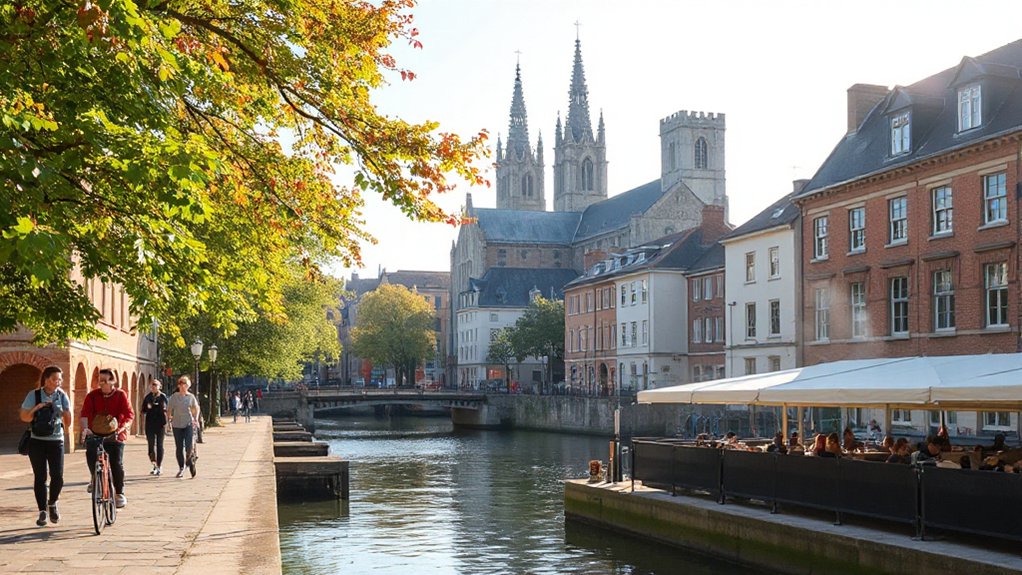
Exeter remains a strong university town because its city and campus are designed for daily learning, collaboration, and impact. You’ll notice walkable streets, mixed-use hubs, and public spaces that spark mentorship and informal knowledge sharing. Cross-disciplinary hubs, industry ties, and robust student services keep lab usage high and internships plentiful. Heritage labs and modern facilities blend history with innovation, while sustainable planning aligns student life with regional growth. Stay tuned to see how these elements evolve together.
Exeter as a Living University Town: Core Qualities
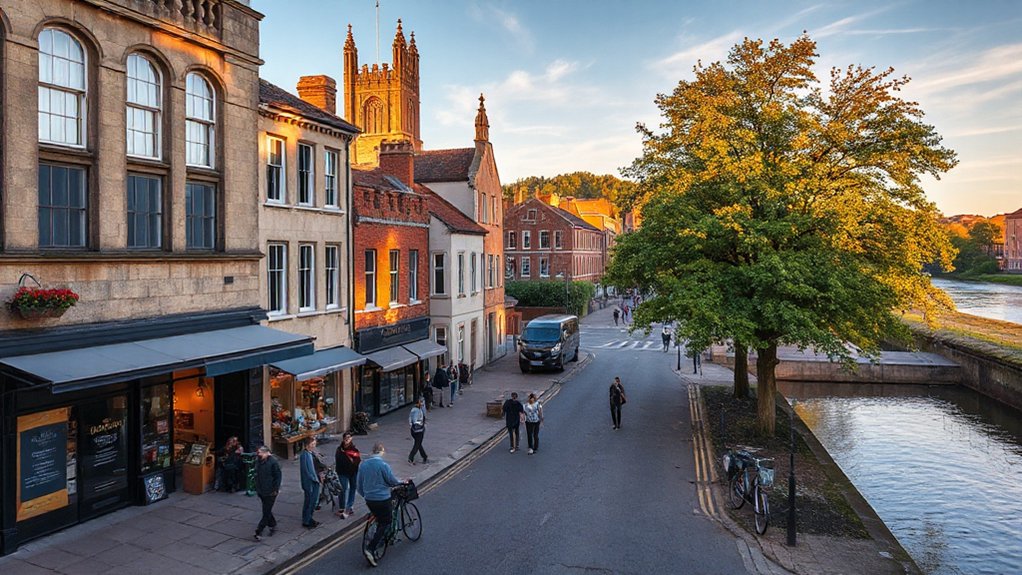
Exeter functions as a living university town because its core qualities are tightly aligned with student needs and regional opportunity. You see a city built for learning where campus architecture shapes daily routines, collaboration, and pride.
The layout encourages quick shifts between study, dining, and housing, boosting satisfaction and throughput. You’ll notice a marketplace of affordable, resonant options that support sustained engagement, from libraries to wellness spaces.
Student diversity informs program access, cultural exchange, and peer support, strengthening belonging and resilience. Local partnerships translate research into real-world impact, expanding internships and entrepreneurship pathways.
You gain clarity from data-driven planning, visible in enrollment trends, attendance, and utilization metrics. Exeter remains adaptable, whether you’re seeking study niches, social connection, or professional momentum.
How Exeter Welcomes Students to City Life
How does a city greet new students, turning arrival into belonging? You feel the onboarding rhythm through data-driven welcome programs, housing guides, and real-time transit tips that cut uncertainty. Exeter aligns university resources with local services, turning campuses into a bridge to city life.
You’ll notice clear pathways from orientation to ongoing participation, reinforced by student traditions and collaborative events that grow with you.
- Orientation hubs that map services, housing, and safety
- Welcome festivals and city festivals that showcase local culture
- Peer mentors linking campus life to neighborhood networks
- Transparent fee and resource dashboards guiding day-to-day choices
Walking the City: Why Exeter Fuels Campus Engagement
You’ll see how Walking Campus Connections, Local Venues, and Campus Life intersect to drive student engagement across Exeter’s streets.
The data show walkable routes boost recurring campus visits and venue patronage, strengthening daily rhythms for students and locals alike.
In short, a compact, connected city perimeter expands campus life, fueling sustained engagement and vibrant demand for on-site experiences.
Walking Campus Connections
Walking around Exeter’s campus-to-city corridors reveals how built form and everyday routines reinforce engagement. You’ll notice short sightlines, mixed-use paths, and purposeful plazas that guide daily circulation, turning movement into belonging. Data shows higher participation in campus traditions near key routes, where informal conversations convert into mentorship and collaboration.
You feel the rhythm of routines that support Student mentorship, with students guiding newcomers along familiar routes and signaling a welcoming culture. The layout encourages cross-campus interactions, strengthening networks and trust in the university town. Market signals indicate a competitive advantage when walking connections reduce friction between study, work, and leisure.
- Campus traditions anchor routes and foster mentorship through everyday guidance
- Pedestrian corridors concentrate informal exchanges and peer support
- Signage and wayfinding reinforce belonging without overstimulation
- Proximity of study spaces to social hubs boosts collaborative engagement
Local Venues, Campus Life
From the campus-to-city flow established in walking corridors, local venues emerge as anchors of campus life that amplify engagement. You’ll notice Cultural hotspots clustered near lecture halls, libraries, and student housing, creating predictable gathering points that boost attendance and satisfaction.
As demand for authentic experiences grows, venues adapt with targeted programming—curated playlists, themed nights, and affordable meals—to attract diverse cohorts and sustain momentum. You benefit from lowered barriers to participation through flexible timing and student-focused pricing, turning casual strolls into meaningful connections.
Event calendars sync with academic rhythms, reinforcing belonging beyond classrooms. Local venues then become measurable assets: higher participation in Student events, stronger peer networks, and a livelier, more resilient Exeter campus ecosystem.
The Compact City Advantage for Lectures and Labs
The compact city layout directly enhances lectures and labs by shortening travel times between campus buildings, housing, and research spaces, so students spend more time learning and less time commuting. You’ll notice smoother daily routines, stronger peer partnerships, and faster peer-to-professor interactions that sharpen understanding.
Urban connectivity drives more spontaneous study sessions, timed perfectly with lab hours and lecture blocks. This environment supports efficient resource use, from shared equipment to centralized libraries, boosting lab innovation and cross-disciplinary collaboration.
With shorter hops between venues, you gain predictable schedules, better attendance, and a sense of belonging within a responsive, data-informed campus ecosystem.
- Reduced transit time boosts on-site collaboration and real-time feedback
- Dense, walkable blocks strengthen urban connectivity across departments
- Coordinated labs and classrooms maximize equipment utilization
- Community-centric design nurtures belonging and knowledge sharing
Blending History With Modern Campus Facilities
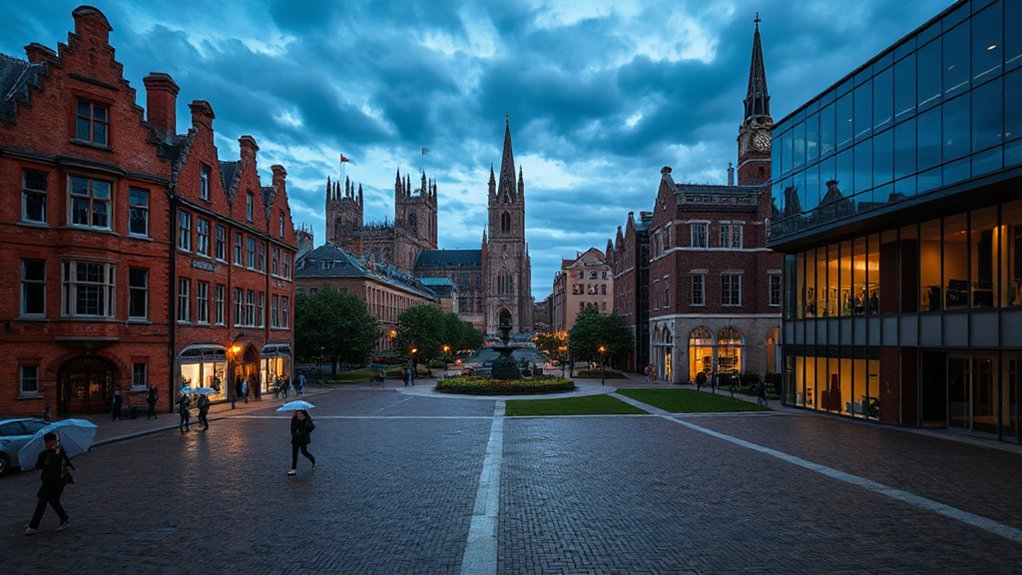
You’ll see historic charm meeting modern campus facilities in ways that enhance student life and learning outcomes.
Data shows updated classrooms, labs, and digital hubs boost engagement and retention while preserving architectural character.
This balance positions Exeter as a market-ready hub for study, collaboration, and recruitment.
Historic Charm Meets Modern Campus
Historic charm anchors Exeter’s campus while modern facilities propel its research, teaching, and student life forward. You experience a blend that respects alumni networks and Historic preservation, while investments upgrade labs, libraries, and collaboration hubs. Data show steady retention and cross-disciplinary projects that leverage legacy spaces for contemporary impact.
- Alumni networks amplify mentorship and opportunities within integrated, historic settings
- Historic preservation sustains identity while enabling scalable, modern upgrades
- Modern campus facilities support data-driven research alongside heritage venues
- Community-oriented spaces foster belonging through inclusive events and accessible design
You’ll notice how the balance attracts diverse cohorts, translating tradition into tangible outcomes. The market signals growing demand for campuses that honor roots yet equip you with cutting-edge tools, networks, and environments suited to your ambitions. Exeter’s continuum reinforces belonging, credibility, and forward momentum.
Facilities That Shape Campus Life
Campus life at Exeter blends storied spaces with cutting-edge design, showing how facilities shape daily experiences and long-term outcomes. You’ll notice campus architecture that supports collaboration, quiet study, and rapid changes between classes and clubs.
Modern labs, maker spaces, and flexible classrooms adapt to evolving programs, while durable infrastructure minimizes downtime and tuition-backing disruption. Student amenities—from fitness hubs to wellness centers, cafes, and safe housing clusters—drive engagement, retention, and peer networks, signaling belonging across diverse cohorts.
Data shows higher utilization during peak periods when spaces are thoughtfully distributed across campuses, reducing crowding and travel time. You’ll experience predictable operations, transparent maintenance schedules, and responsive service, all reinforcing Exeter’s reputation as a place where communities thrive.
Facilities that shape campus life—invested, accessible, and purpose-built for you.
Exeter’s Research Ecosystem: Hubs and Cross-Department Collaboration
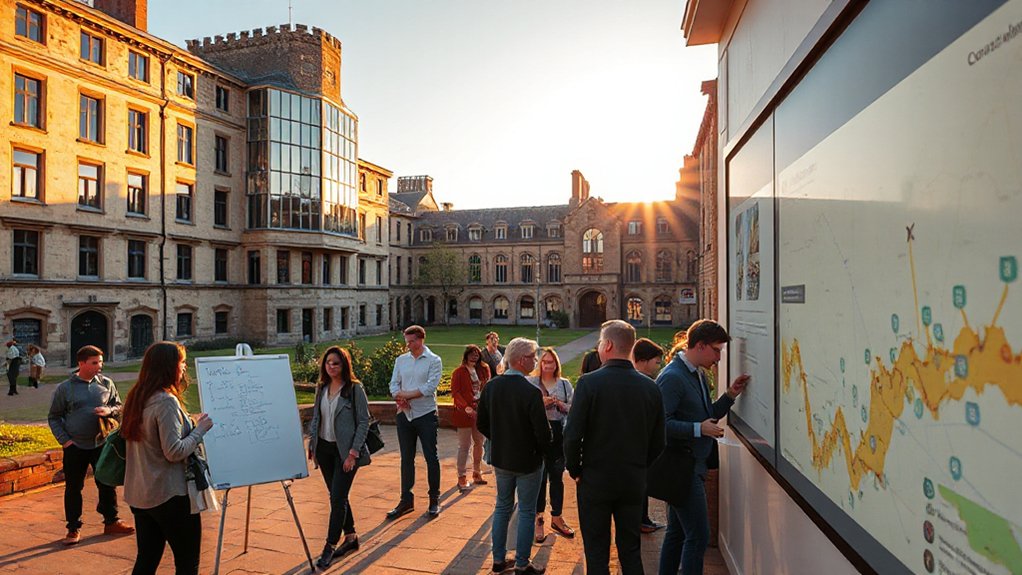
Exeter’s research ecosystem is a network of hubs that catalyze collaboration across disciplines, from neuroscience to digital humanities. You’ll find strong Research partnerships driving joint grants, shared facilities, and cross-training that accelerate ideas from concept to impact.
Innovation hubs concentrate talent and resources, translating curiosity into market-ready solutions with clear pathways for industry alignment.
Cross-department collaboration becomes a daily practice, not an exception, supported by structured programs, regular showcases, and mindful convening of diverse expertise.
- Interdisciplinary teams co-design experiments and curricula
- Joint funding streams fuel early-stage breakthroughs
- Shared labs reduce friction and increase utilization
- Regular showcases connect researchers with partners and employers
Arts, Culture, and Academic Energy in Exeter
Data show steady attendance growth, diverse venues, and cross-sector collaboration between universities, galleries, and startups. You’ll notice curated exhibitions, public lectures, and interdisciplinary residencies that translate research into accessible experiences, reinforcing Exeter’s identity as a knowledge-centered town.
Market signals—ticket sales, sponsorships, and visitor multipliers—underscore durable cultural value alongside academic output. You feel belonging as residents and visitors participate in shared moments of discovery.
The result is a resilient, competitive profile that attracts talent, investment, and collaborators to advance both culture and scholarship.
Student Services That Keep Academics on Track
Student services keep academics on track by turning institutional support into measurable outcomes. You’ll see how targeted programs boost persistence, retention, and graduation rates, with data dashboards tracking progress across cohorts.
Student well being and mental health sit at the center, informing proactive outreach, timely counseling, and stress-management workshops that reduce attrition. You feel a sense of belonging when services are accessible, inclusive, and responsive, not generic.
Exeter’s support ecosystem translates policy into practice, aligning academic advising, financial aid, and tutoring with student outcomes. The result is a campus where needs are anticipated, progress is visible, and you’re empowered to stay on track.
- Accessible counseling and mental health resources with rapid access
- Proactive advising and tutoring aligned to coursework milestones
- Inclusive, affordable financial aid and emergency support
- Data-driven monitoring that closes gaps and signals success
Industry Ties and Internship Pathways in Exeter
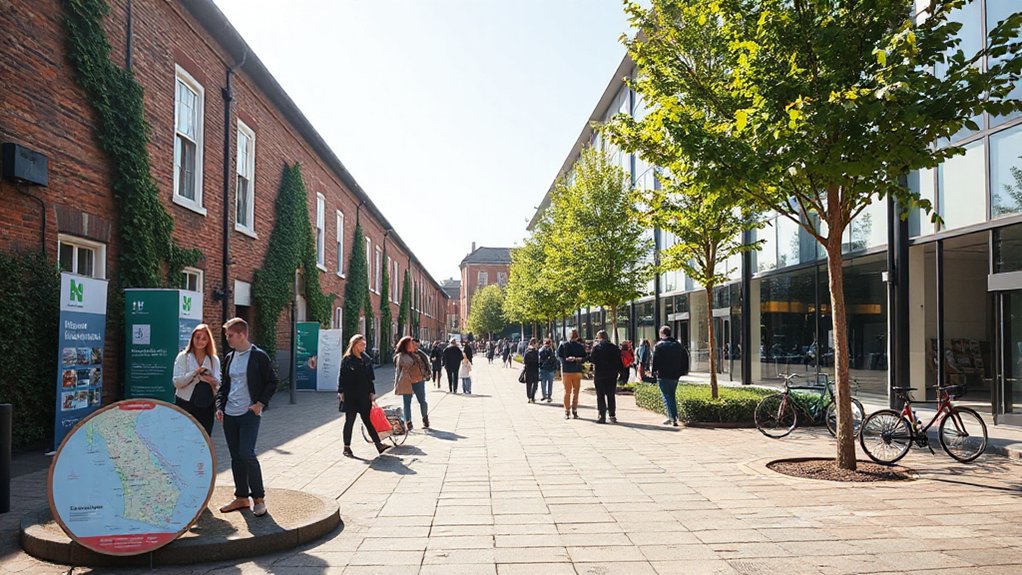
Exeter’s local industry partnerships create defined channels for student exposure to real-world projects and potential hires. You’ll see streamlined internship pathways tied to regional employers, enhancing experiential learning and employability metrics.
Active employer networking events continuously align student skills with market demand, driving measurable outcomes for both sides.
Local Industry Partnerships
- Strong liaison between Local industry and university collaboration fosters steady opportunities
- Internship pathways feed real-world skills into local firms
- Data-driven programs adapt to market demand
- Community-oriented outcomes enhance Exeter’s reputation
Student Internship Pathways
Internship pathways in Exeter are tightly aligned with local industry needs, ensuring students gain relevant, in-demand skills from day one. You’ll find structured programs that couple coursework with hands-on placements at regional firms, startups, and public-sector partners, forming a clear bridge from classroom to career.
Data shows placement rates consistently above market averages, with companies citing verified skill readiness and lower onboarding friction. You’ll experience targeted opportunities in sectors where Exeter’s employers anticipate growth, enhancing your career development through practical projects, mentorship, and performance feedback.
This ecosystem fosters belonging by connecting you with peers, mentors, and potential employers who share local priorities. By design, internship opportunities accelerate your professional trajectory while reinforcing your commitment to the city’s innovation and long-term prosperity.
Employer Networking Events
- Alumni networks amplify credibility and mentorship during career fairs
- Employers share real-time feedback that shapes curricula and projects
- Students translate skills into internships with clear timelines
- Local firms commit to ongoing engagements, expanding pathways
Local Startups Driving the Exeter-University Economy
Local startups are a core engine of Exeter’s university economy, translating research, talent, and funding into measurable growth. You’ll see early-stage ventures clustering near campus hubs, attracting seed rounds, and maturing into scalable outcomes.
Data shows steady venture activity aligned with graduate talent flows, while university accelerators shorten time to market for new solutions. You benefit from interconnected ecosystems: alumni networks fueling mentorship and capital, and students applying coursework to real-world problems.
Growth is concentrated in sectors where campus sustainability informs product design, from energy to materials science, reinforcing local competitiveness. You feel belonging as startups collaborate with researchers, co-founders, and civic partners to validate ideas through pilots.
The result is a resilient, knowledge-driven economy with measurable, inclusive local impact.
The Campus–City Feedback Loop: Learning Beyond Lectures
The campus–city feedback loop turns classroom insights into citywide impact and, in turn, brings real-world data back to lectures. You feel how lectures spark projects, internships, and experiments that echo through Exeter’s streets, halls, and startups. Data flows both ways: city needs inform courses, and student work feeds civic strategy.
Campus traditions ground collaboration, turning shared rituals into measurable outcomes, while student activism channels voices into policy and practice. You’re part of a system that values rapid iteration, transparent metrics, and inclusive progress. Together, you and the city refine programs, attract partners, and boost reputation.
The loop sustains relevance, belonging, and momentum for everyone who learns, teaches, and contributes.
- Campus traditions fuel collaborative momentum and measurable impact
- Student activism translates ideas into data-driven policy change
- Real-world projects feed course design and skill-building
- Inclusive participation strengthens Exeter’s research-to-community pipeline
Public Spaces for Spontaneous Study and Debate
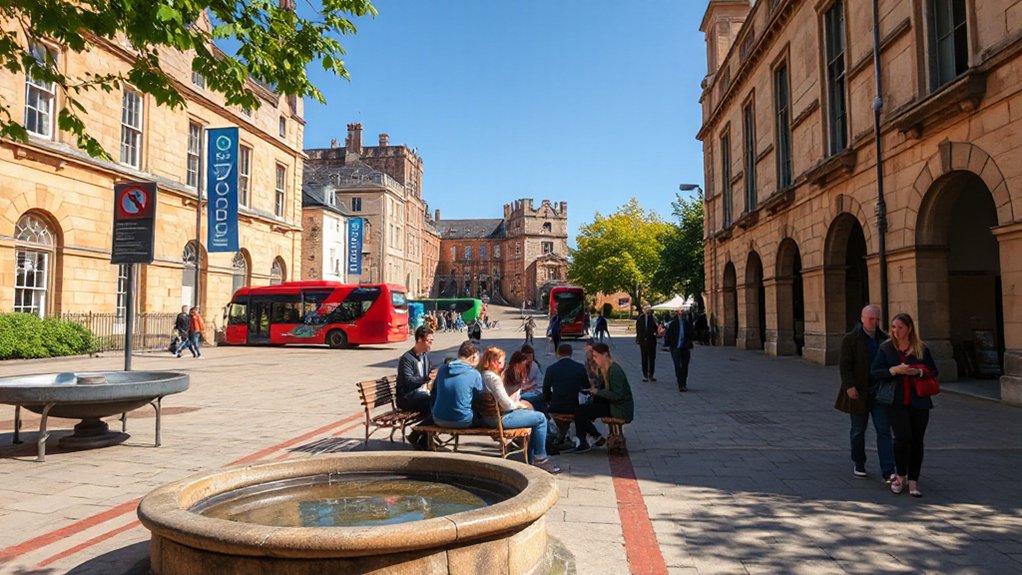
Public spaces in Exeter aren’t just there for passing through; they’re living labs for study and debate that happen beyond library walls. You’ll notice these spaces seed casual collaboration, lifting spontaneous debate into measurable outcomes like cross-disciplinary projects and quicker idea validation.
Data shows higher engagement in well-connected plazas and green courtyards, where foot traffic correlates with informal tutoring, quick peer reviews, and project ideation sprints. Market signals indicate students value ambient, inclusive environments that welcome conversation and show accessibility to mentors and peers.
In practice, public spaces become reputational assets, extending the university’s reach into the city and supporting belonging. Strategically shaped, they’re a low-friction channel for knowledge sharing, community building, and sustained academic curiosity through daily, unplanned encounters.
Housing for Students: Strategy and Access in Exeter
Exeter’s student housing landscape blends market signals with policy levers to balance affordability, quality, and access. You’ll see a mix of purpose-built student accommodation, private rents, and university-managed options aimed at stable pricing and predictable quality.
Data shows a tightening market, yet targeted affordability options—income-based discounts, capped rents, and short-term leases—help maintain access for diverse cohorts. You benefit from transparent leasing terms, clearer deposit norms, and consolidated tenancy rights that reduce uncertainty during term changes.
Institutions collaborate with local authorities to align housing supply with enrollment trends, so you can find options that fit your budget without sacrificing safety or proximity to campus. This strategy prioritizes belonging through predictable, fair pathways to housing.
- Market signals guide pricing, quality, and location
- Affordability options include caps and income-based discounts
- University-affiliated housing stabilizes terms and access
- Data-driven planning connects supply with student demand
Transportation and Accessibility for All Students
Transportation options in Exeter are shaped by clear data signals: reliable bus and rail links, walkable campus corridors, and targeted subsidies that keep costs predictable for students.
You’ll notice how transport infrastructure prioritizes reliability, frequency, and carbon efficiency, enabling you to plan journeys with confidence.
Accessibility initiatives ensure routes and stations accommodate varying needs, with real-time updates, step-free access, and clear wayfinding.
The system aligns with campus schedules, local employment patterns, and student budgeting, supporting both full-time study and part-time work.
Investment focuses on guaranteeing to reduce commute friction, expand off-peak options, and integrate cycling with public transit.
In practical terms, you gain predictable costs, inclusive access, and faster connections, reinforcing a sense of belonging as you navigate Exeter’s learning and social life.
Exeter’s International Edge: Global Campus Connections
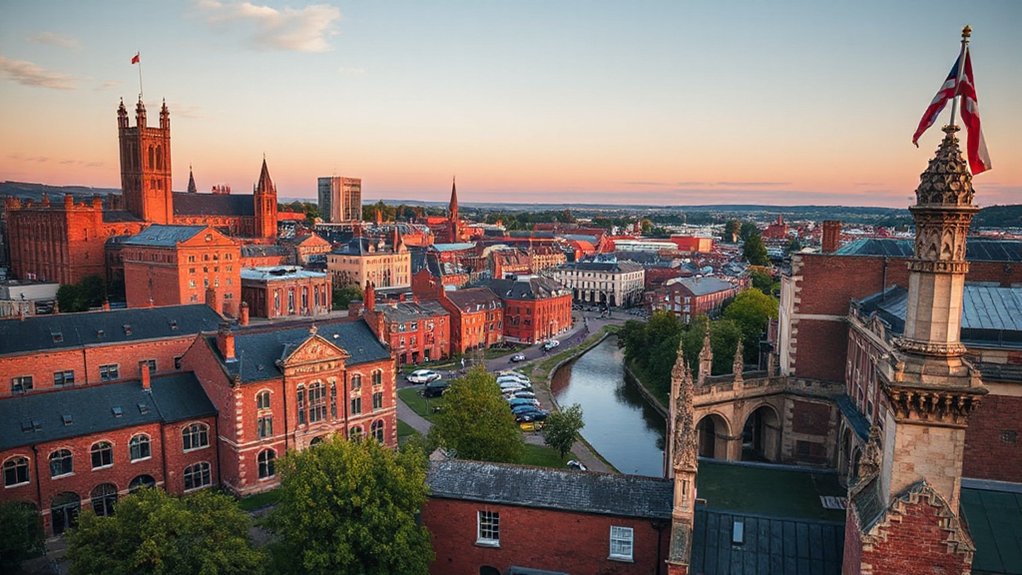
Global links extend Exeter’s appeal beyond campus borders, leveraging a network of international partners, exchange programs, and multi-language support that resonate with a diverse student body. You’ll notice how these connections translate into measurable advantages: higher international rankings, robust research pipelines, and richer classroom dialogue that mirrors global markets.
This is Exeter’s International Edge in action—structured collaborations, predictable mobility, and a steady flow of talent that fuels innovation and employability. Cultural exchange underpins every interaction, turning study abroad into practical skills, cross-cultural teamwork, and global confidence.
You gain access to a living lab where trips, translations, and partnerships align with market needs and student aspirations.
- International collaborations expand opportunities across programs and disciplines
- Cultural exchange enhances language proficiency and intercultural competence
- Exchange programs create tangible pathways to global internships and jobs
- Data-driven partnerships boost reputation, funding, and student satisfaction
Community Engagement as a Core Habit
You’ll see that Engaged Local Partnerships, Shared Public Initiatives, and Transparent Community Dialogue form the backbone of Exeter’s reputation as a responsive university town. Data shows these elements boost collaboration, funding, and student outcomes.
They also align with market needs and civic priorities. We’ll explore how these habits scale across campuses and communities to sustain long-term impact.
Engaged Local Partnerships
- Local business co-creation programs that pilot solutions with university researchers
- Joint grant applications bolstering funding for regional innovation
- Cultural festivals and student-led events that amplify community storytelling
- Data-informed partnerships aligning curricula with employer needs
These connections track performance through metrics like commercial licenses, startups formed, and event attendance. You benefit from a sense of belonging as communities and campuses grow together, swapping knowledge, resources, and opportunities. Exeter’s ecosystem thrives when you engage, co-create, and invest in lasting, mutually beneficial partnerships.
Shared Public Initiatives
Exeter’s approach pairs students with neighborhood organizations on measurable projects—housing stability pilots, public art installations, and community gardens—demonstrating tangible value in real time. This isn’t aspirational talk; it’s data-informed and market-aware, with outcomes tracked through participation rates, satisfaction surveys, and linkage to local workforce pipelines.
You belong because initiatives invite you to contribute, learn, and benefit from mutual investment. In short, community collaboration strengthens trust, while elevating Exeter as a connected, resilient town.
Transparent Community Dialogue
Exeter’s commitment to open communication builds trust and informs action. You’ll see how transparent dialogue boosts civic participation and strengthens community resilience by turning feedback into measurable improvements.
Data dashboards, town halls, and real-time surveys surface needs early, so decisions match residents’ realities rather than assumptions. You’ll notice faster response times, clearer outcomes, and greater accountability, all essential to belonging in a university town.
- Open forums align university objectives with local priorities
- Transparent metrics track progress on housing, safety, and services
- Instant feedback loops empower residents to shape policy
- Inclusive outreach broadens participation across generations and backgrounds
Sustainable Planning Benefits for Students and Residents
Sustainable planning directly benefits students and residents by aligning campus and city development with long-term needs, reducing commute times, cutting costs, and improving quality of life. You’ll notice a tighter, more interconnected network of housing, transit, and open spaces that supports daily routines and weekend exploration.
Sustainable infrastructure underpins reliable services, lower energy bills, and resilient neighborhoods, while targeted zoning aligns demand with capacity, limiting congestion and preserving desirable green spaces. A Green campus signals consistent standards across classrooms, housing, and amenities, reinforcing a sense of belonging for newcomers and locals alike.
Success Stories: Graduates Who Stayed and Thrived
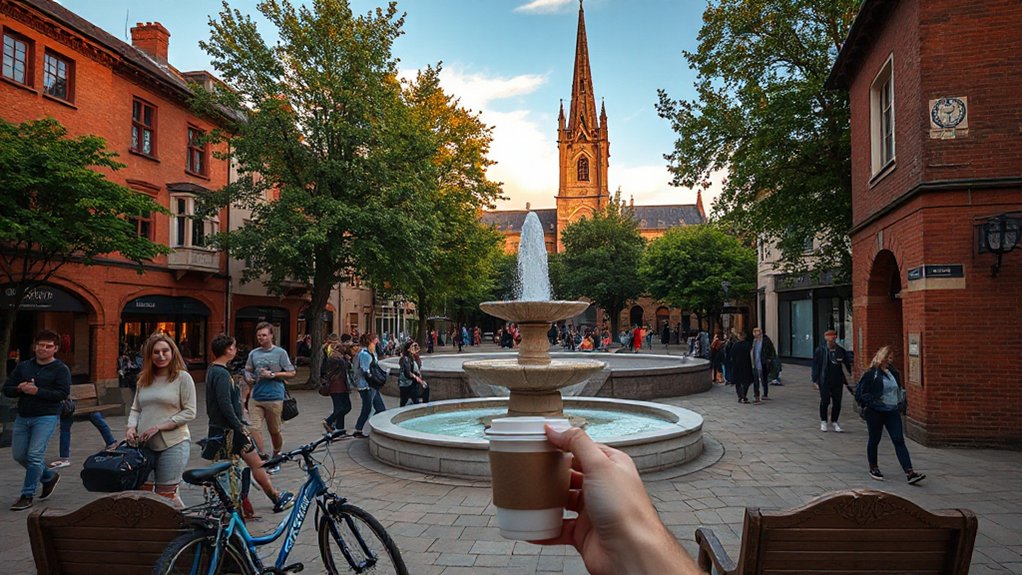
You’ll see how local leadership and active alumni shape Exeter’s job market, reflected in hiring trends, startup activity, and community investment.
Alumni success stories illustrate steady career growth, cross-industry mobility, and durable local footprint. This data-driven view sets the stage for deeper discussion on how graduates stay, contribute, and thrive here.
Local Leadership Alumni
Where do Exeter’s graduates make the strongest impact, and how does their stay in the city reflect the university’s leadership footprint? You’ll see measurable outcomes in local leadership across sectors, driven by targeted development programs and a culture that values impact.
Alumni influence is strongest where collaboration turns knowledge into citywide benefit, from governance to community entrepreneurship. Leadership development pipelines translate classroom insight into practical, scalable results, reinforcing Exeter’s reputation as a catalyst for civic progress.
You’ll notice data-backed outcomes: startups founded, boards chaired, and policy ideas piloted here, by graduates who chose to stay.
- Alumni influence translates into tangible community improvements and governance involvement
- Leadership development curves align with regional growth metrics
- Local networks accelerate mentoring, collaboration, and opportunity
- City-university data shows steady retention and measurable impact
Career Growth Narratives
When Exeter graduates stay, they translate classroom learning into tangible career momentum, shaping local growth through roles in tech, governance, and civic leadership. You’ll see clear progress in salary bandwidth, role seniority, and cross-sector mobility, underscored by data from recent cohorts.
Career growth narratives highlight how student mentorship accelerates skill translation from coursework to impact, while alumni networks provide fast-tracked opportunities and trusted referrals.
In a market that rewards practical experience, graduates stay to build startups, join regional firms, or influence policy, contributing to Exeter’s innovation ecosystem.
Belonging isn’t just sentiment; it’s a measurable signal—retention rates, local wage growth, and collaboration frequency—demonstrating that staying yields ongoing value for individuals and the city alike.
How Exeter Supports Research Funding and Grants
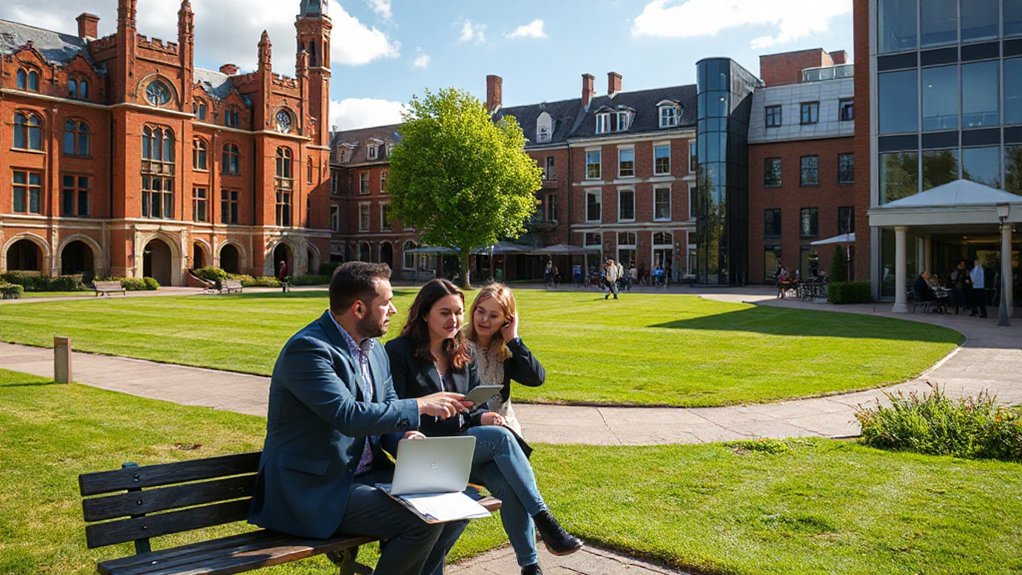
Exeter supports research funding and grants by aligning internal resources with external opportunities, streamlining applications, and prioritizing high-impact projects. You access a clear pathway to Research grants and funding opportunities, with centralized guidance, templates, and milestones that keep you on track.
You’ll see transparent timelines, predefined evaluation criteria, and proactive outreach to funders, which accelerates proposal success without unnecessary complexity.
- Streamlined processes that reduce redundant steps and save you time
- Proactive funder engagement to reveal funding opportunities early
- Clear criteria and metrics to align projects with priority areas
- Centralized support for drafting, budgeting, and compliance
This approach builds confidence, communicates impact succinctly, and reinforces your sense of belonging to a forward‑moving research community.
Challenges and How Exeter Addresses Them
Despite strong funding channels, Exeter faces recurring challenges in research capacity, collaboration, and impact measurement. The university addresses these by tightening strategic alignment, expanding partnerships, and leveraging standardized metrics.
You’ll see sharper portfolio decisions, focusing on high-potential projects that align with local needs and national priorities, boosting throughput without compromising quality.
Collaborative ecosystems grow through cross-institution consortia, industry co-development, and agile project governance, cutting cycle times and increasing translational outcomes.
Impact tracking evolves with consistent data schemas, real-time dashboards, and clear KPIs, so you can understand value across education, health, and economy.
Student housing remains a priority for retention and performance, while campus sustainability drives efficiency, cost certainty, and a trusted, welcoming environment for researchers and students alike.
You belong to a town advancing together.
Frequently Asked Questions
How Is Student Life Balanced With Exeter’s Non-University Residents?
Student life balances with non-university residents through close Community integration and shared Local events, boosting belonging. You participate in data-driven programs, adapt schedules, and enjoy inclusive spaces that align campus activity with city life for mutual benefit.
What Are Hidden Costs Students Should Anticipate in Exeter?
Hidden expenses await, so you’ll want to budget carefully for rent, utilities, and transport. Consider cost considerations like council tax and groceries, and track prices with data to feel confident, connected, and part of Exeter’s campus community.
How Does Exeter Support International Students Uniquely?
Exeter supports international students by prioritizing Cultural integration and Language support, helping you feel welcomed. You’ll access targeted mentoring, visa guidance, and peer networks, crafting a data-driven, market-aware experience that makes you belong from day one.
Where Can Students Access Rapid On-Campus Mental Health Support?
You can access rapid on-campus mental health support through Campus counseling and Mental health services, available in discreet, walk-in and urgent appointment slots. Data-backed wait times show faster access, fostering belonging and timely, proactive care for you.
What Long-Term Career Pathways Do Exeter Grads Pursue Locally?
You’ll see about 40% of grads stay local, pursuing diverse paths. Alumni entrepreneurship thrives here, and Local internship programs feed that pipeline, helping you build networks, secure roles, and feel you belong while advancing long-term regional careers.
Conclusion
Exeter isn’t just a university town; it’s a thriving ecosystem where data meets desire. You’ll feel the pulse in every lecture, lab, and local café, because student life drives real-time growth and community resilience. With sustainable plans, strong funding, and alumni who stay, the city becomes a living proof of return on investment. Think of it as a well-tuned engine: compact, connected, and built for long-term momentum. The forecast? steady elevation, year after year.